

Sustainability has been wine’s buzz-word for over a decade. Almost every winery or grower, it seems, claims to be operating sustainably – and it’s a term that’s not always easy to nail down. But without a doubt, this is an area where South Africa has been leading the way for some time.
The country introduced its Integrated Production of Wine (IPW) scheme as long ago as 1998. A commitment to traceability and good agricultural practices in both the vineyard and the winery, it is, perhaps, a base-level commitment. Nonetheless, it put green issues on the table early (95% of all the country’s vineyards are IPW certified) and created an awareness that many in the industry – including all the members of PIWOSA – have since built on and refined further. Indeed, at the time of writing, de Grendel has just been named a World Wildlife Fund Conservation Champion, joining four members who already hold this title.
Coming soon:Get to know all PIWOSA producers with our in-depth profiles
Some of The Cape’s wineries’ environmental measures are plain common sense. For instance, it is entirely rational to double down on water collection following several years of drought. Equally, if your country’s energy supplier can’t keep the lights on, harvesting as much solar power as you can is quasi inevitable, with Journey’s End Vineyards, being one of the very first wine farms in the country to convert to solar.
But for most producers this is not the rationale; rather it is an awareness of the need to take care of a breathtakingly rich natural environment and work with it as sensitively as possible.

The Cape is home to one of the world’s six great Floral Kingdoms – a place of extraordinary richness and diversity of plant life. All across the winelands, producers are leaving vast areas to the natural ‘fynbos’ bush, and removing non-indigenous trees and vegetation to encourage rewilding.
It’s a recognition that vineyards – so long a monoculture – are part of the wider natural environment, and that wine growers have a responsibility to it. And it’s working: a short walk around the Cluver estate in Elgin revealed baboon scat, multiple lynx tracks and the site of a battle between a porcupine and a doubtless regretful assailant.
If the estates themselves are changing for the better, then it’s no surprise that vineyard practices are too. There is a deep and committed move away from all forms of herbicide and pesticide beyond some organically certified products, with growers using natural techniques to manage problems – or ensure they don’t occur in the first place. Key to this has been the enhanced use of cover crops, which are increasingly widely used – and ubiquitous among the PIWOSA wineries.
Learn more about what unites the participating members in PIWOSA
In late autumn, after vintage, vine rows are lightly tilled and sown with a cocktail of different vegetation: grasses, legumes, brassicas and cereals. Each has a different purpose, from increasing soil permeability to enhancing microbial life. In the spring, as the vine starts to come to life, the vegetation is rolled down and decomposes to form a mulch which protects from both frosts and, later on, high temperatures, while also providing natural nutrients. As Jonathan Grieve of Avondale puts it, ‘Weeds become part of the solution, not the problem.’
The benefits are obvious. Where 20 years ago wineries wanted to show you their gleaming new tanks, now they pull up handfuls of rich, healthy soil. There’s a pride in working with the natural cycles and rhythms of nature, rather than trying to fight them, and the processes – freely shared amongst neighbours and colleagues – are constantly being refined.
Not that this will mean a surge in organic or biodynamic certifications; it’s the process, not the accreditation that is important to these winemakers. Cape wine legend Ken Forrester speaks for much of the industry when he says, ‘I don’t need to be registered organic. I do it because I believe in it.’

Discover more about PIWOSA
Connect on Instagram | Facebook | X


-
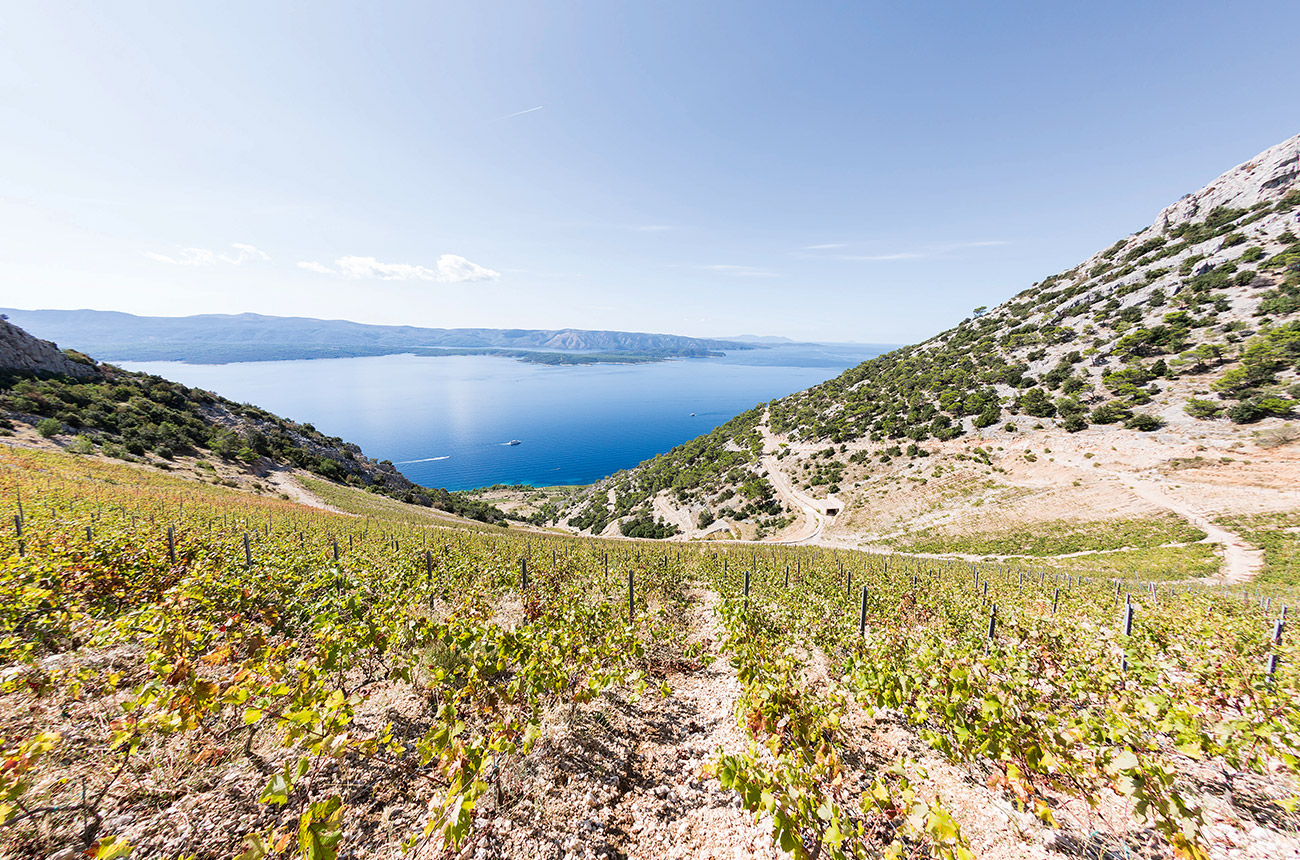 Dalmatia: The crimson coast
Sponsored Content Sun-kissed by the shores of the Adriatic, Dalmatia’s vineyards are home to bold and inviting red wines with plenty of potential.
-
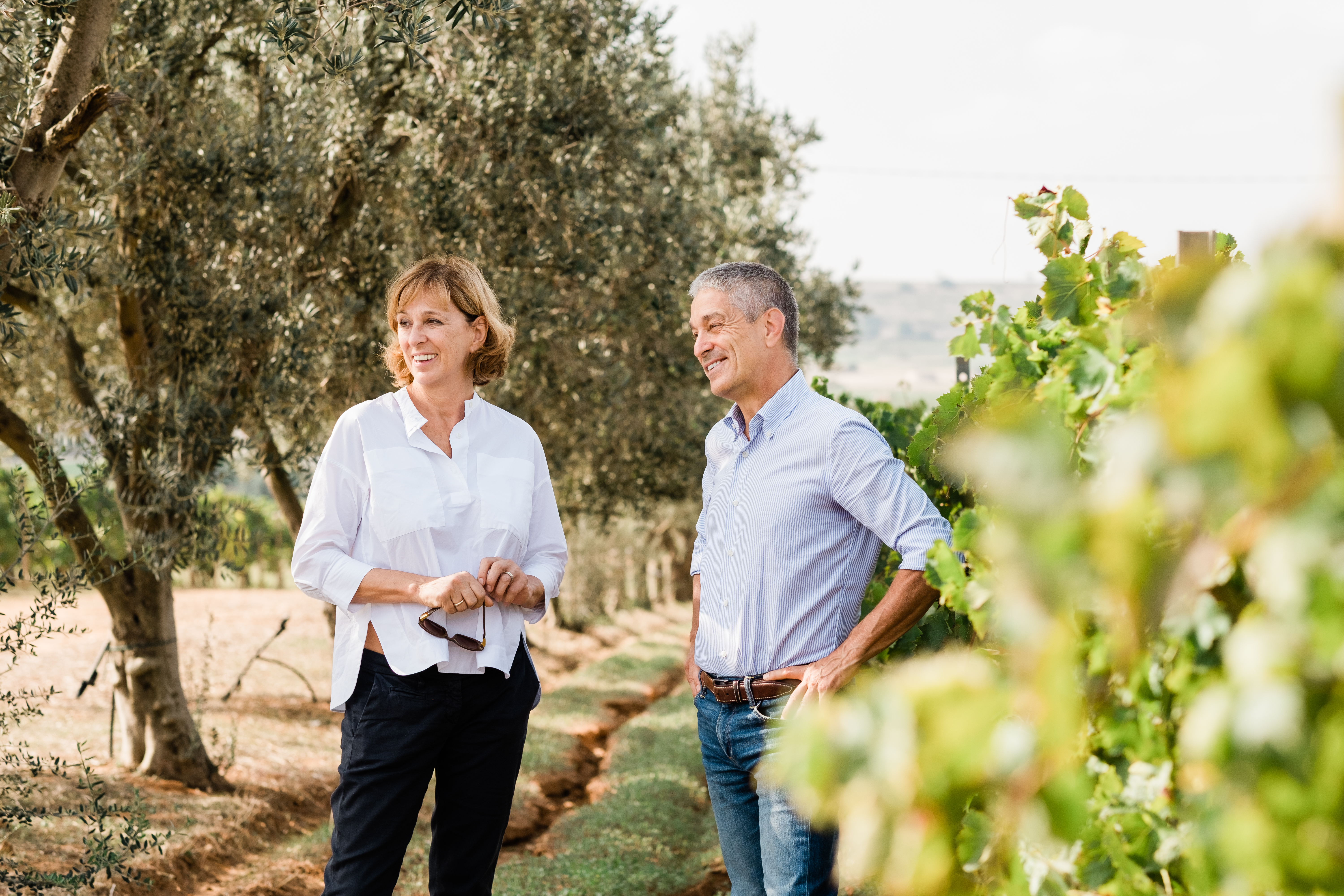 Azienda Agricola Cortese: Championing sustainability in the heart of Sicily
Sponsored Content Meet the winemakers using ancient techniques and sustainable practices to create fresh, modern interpretations of Sicilian varieties
-
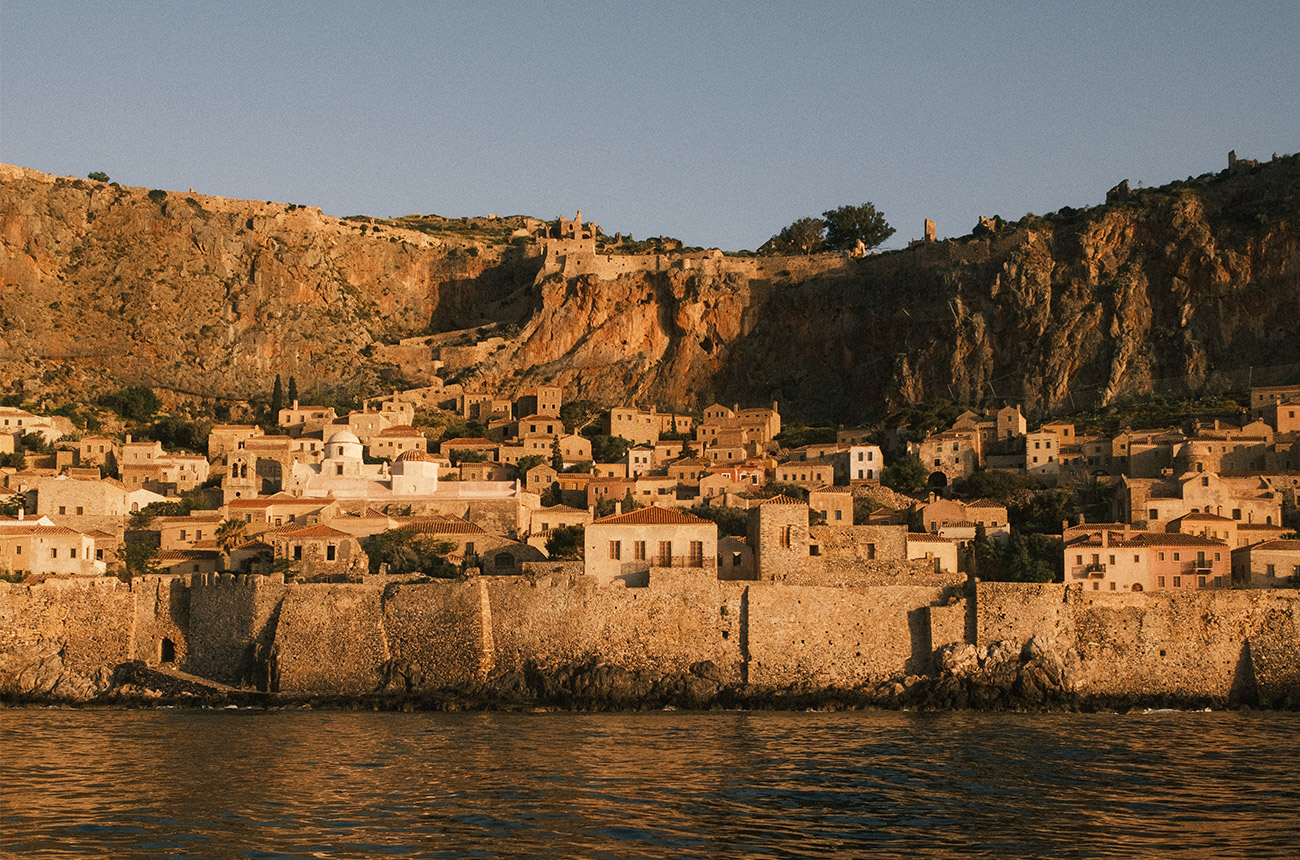 Monemvasia Winery – Tsimbidi: Bringing an ancient wine into the modern age
Sponsored Content George and Elli Tsimbidi’s winery not only revived one of history's most famous wines but is now breathing fresh life into other native Greek varieties.
-
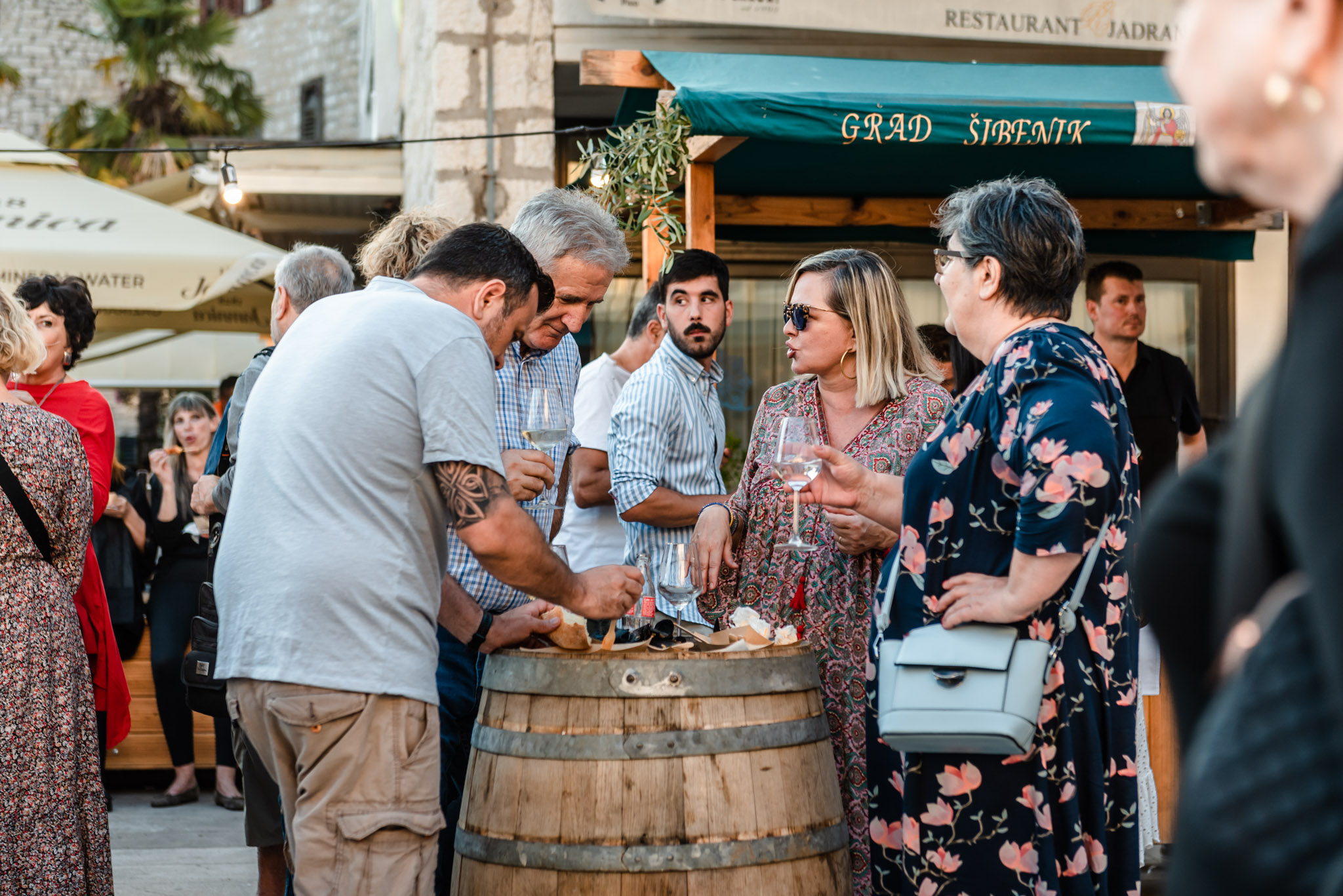 Marenda – A Dalmatian ritual
Sponsored Content What started as a work break has become a well-observed tradition in Dalmatia – one that pairs perfectly with local wine.
-
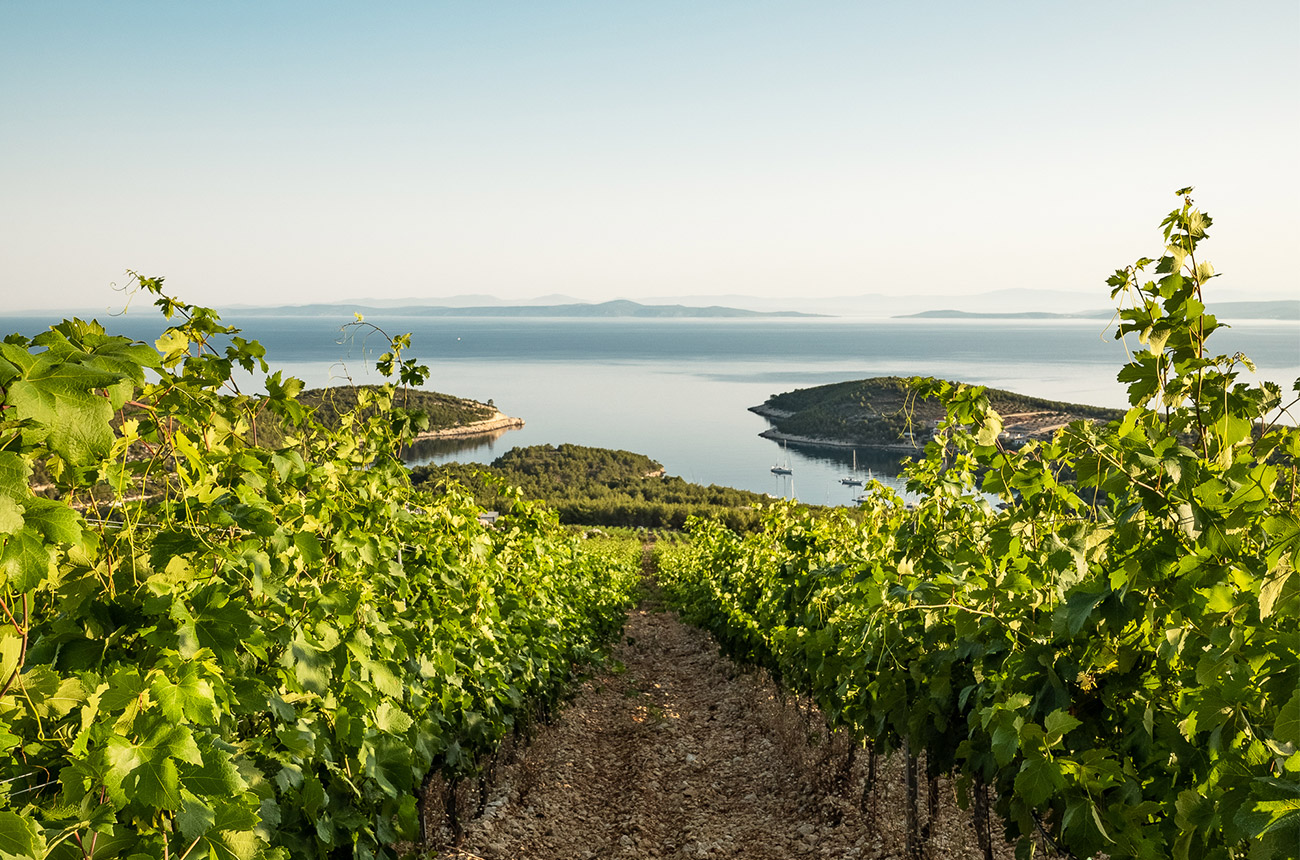 Dalmatia's hall of fame: DWWA winners
Sponsored Content Discover a selection of medal-winning Dalmatian wines from the Decanter World Wine Awards.
-
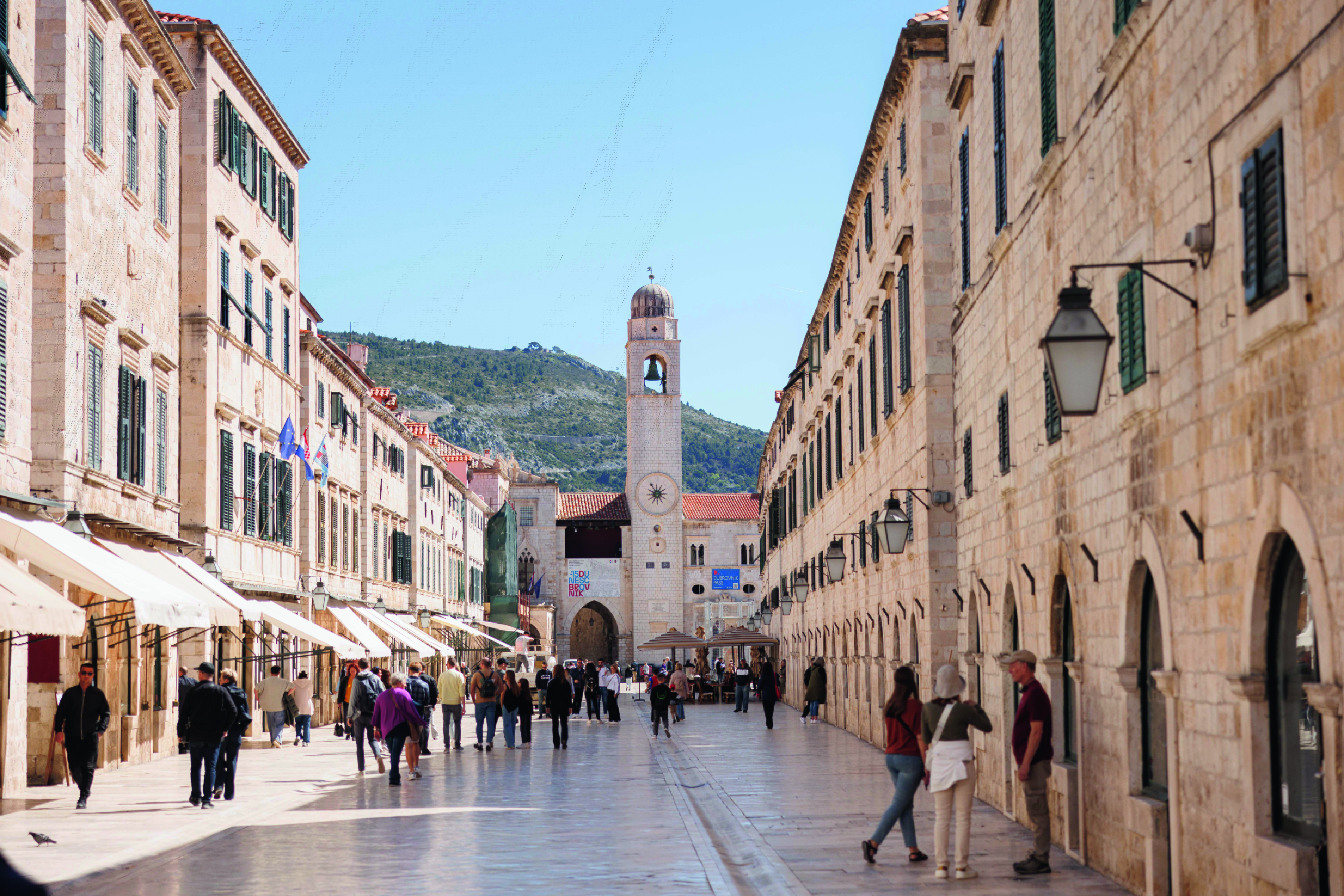 Pomalo: Dalmatia's answer to hustle culture
Sponsored Content A state of mind in Dalmatia, pomalo, which roughly translates as ‘take it easy’, sets the pace of life in this scenic region of Croatia.
-
 A Maldives paradise for wine lovers
Sponsored Content The unique wine culture at OZEN RESERVE BOLIFUSHI extends well beyond its carefully curated list with expert tastings, creative pairings and unexpected discoveries to make lasting holiday memories.
-
 Shaping the future of wine & spirits: What’s new at ProWein Düsseldorf?
Sponsored content Returning on 15 – 17 March in Düsseldorf – discover what's new at ProWein in 2026...


