

The Remírez de Ganuza range reflects the company’s trajectory and philosophy: a combination of classicism and rebellious inventiveness, at the crossroads of which some of Rioja’s most loved labels were born. Each wine is a product of, firstly and foremost, the fruit from Rioja’s best vineyards, and also of the daring spirit and technical inventiveness the company is known for.
Here we explore the wines that, with elegance and poise, have become true modern classics. They review tradition while recognising Rioja’s unique heritage and placing the quality of the fruit always at the forefront. Wines in which style serves as a common language to understand the soul of Rioja, as interpreted by Remírez de Ganuza.
Remírez de Ganuza Reserva
(pictured above)
Tempranillo, Graciano and skins from white grapes
This was the first wine produced by Remírez de Ganuza, first released in 1992 and every vintage since. The fruit was harvested by hand at different plots, on the foothills of Sierra Cantabria, with an average age of 60 years. The grapes were kept for 24 hours in cooling chambers designed especially at the estate. They were then manually selected following Remírez de Ganuza’s unique selection process for Tempranillo grapes, in which the top of the bunches are separated and vinified separately from the tips. For the Reserva, only the destemmed tops are used. The must then ferments, with added skins of white grapes, in stainless steel and concrete vats of different shapes and volumes. Malolactic fermentation is completed in French and American oak 225-litre barriques, where the wine then ages for 24 to 26 months.
Ubiquitous in wine lists the world over, this wine has become synonymous with modern Rioja, showcasing a perfect balance of power and finesse.

Remírez de Ganuza Gran Reserva
Tempranillo, Graciano and skins from white grapes
The winery’s flagship wine was first released in 1994 and is only produced in exceptional vintages. The grapes hail from 60-year-old vines from selected plots in different villages of Sierra Cantabria: Labastida, San Vicente de la Sonsierra, Ávalos, Samaniego, Leza, Elciego, Navaridas, Laguardia and Elvillar. Like in the production of the Reserva, these are hand harvested, chilled for 24 hours and manually selected – again, only the destemmed tops of the bunches were used. Alcoholic fermentation happens in small stainless steel vats and (until 2013) 7000-litre French oak foudres. Malolactic fermentation in French oak barriques, predominantly new, where the wine then ages between 26 and 38 months.
With a limited production of circa 5,000 bottles and having only been released in selected vintages this has become a collector’s item, highly sought after in both the primary and secondary markets.
Vintages released: 1994, 1995, 2000, 2001, 2002, 2004, 2005, 2006, 2007, 2008, 2009, 2010, 2011, 2012, 2013, 2015, 2016, 2017, 2019.

Fincas de Ganuza
Tempranillo, Graciano and, in some vintages, Mazuelo
This wine became part of the Remírez de Ganuza range in 1997 and is produced every year. Grapes are sourced from younger, selected vineyards (aged between 25 and 40 years) located in different villages across Sierra Cantabria: Labastida, San Vicente de la Sonsierra, Ávalos, Samaniego, Leza, Elciego, Navaridas, Laguardia and Elvillar. The grapes are chilled for 24 hours, manually selected and fermented in stainless steel and concrete vats of different shapes and volumes. The wine is then aged for approximately two years in 225-litre barriques, mostly new French oak but with variable percentages of used and American oak depending on the character and needs of the vintage.
This is an exploration and discovery wine, for both the team at Remírez de Ganuza and consumers, that plays to the future potential and freshness of these younger vineyards while allowing the fine-tuning of winemaking processes and tools.
Remírez de Ganuza Blanco Reserva
Viura, Malvasía, Garnacha Blanca and other local white grape varieties
This truly special, style-defying, white Rioja has its first iteration with the 2009 vintage and has since become one of the most anticipated Remírez de Ganuza releases each year. Due to outstanding demand it is sold on allocation only. The fruit is sourced from a selection of low-yielding vineyards – 60 years old on average – some with interspersed varieties, located in the villages of Labastida, San Vicente de la Sonsierra, Ávalos, Samaniego, Leza, Elciego, Navaridas, Laguardia and Elvillar. The hand-harvested grapes spend 24 hours in cooling chambers and, after manual selection, are transferred to a rotating deposit from which the free-run juice is separated from the remaining must. Only the former is then transferred, for fermentation and ageing to new French oak barrels, where it spends eight months on the lees. A custom system, designed in-house, allows the lees work to be done by rotating the barrels in lieu of a classical bâttonage.
A Burgundian take on Rioja that has shown the region’s potential for fine white wines while creating another iconic Remírez de Ganuza wine.
Discover more about Remírez de Ganuza wines
Connect onFacebook | Instagram | Twitter


-
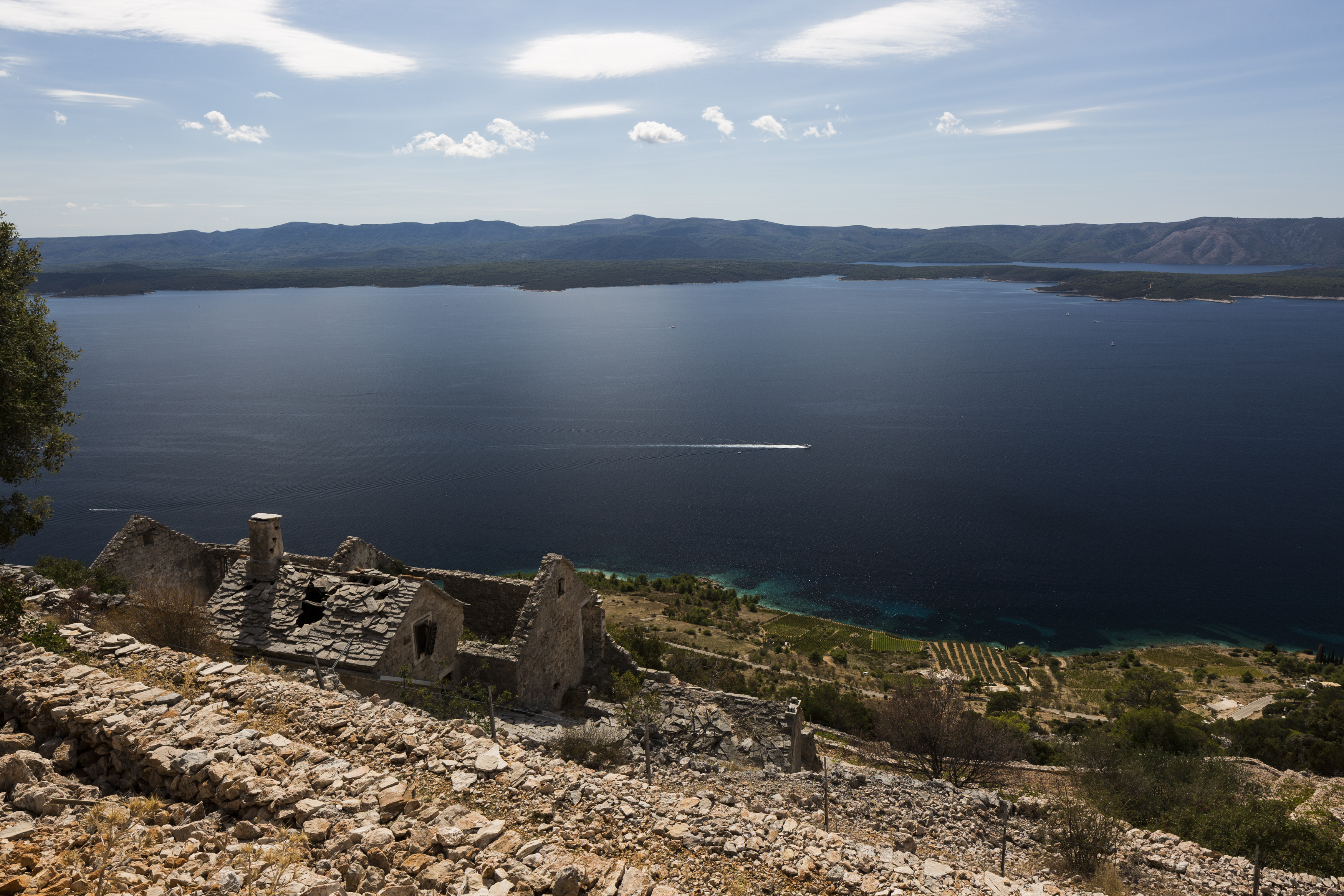 Dalmatia: Where to enjoy the stillness of fjaka
Sponsored Content When Dalmatia slows down in the early afternoon, here are some perfect places to enjoy a little dreaminess.
-
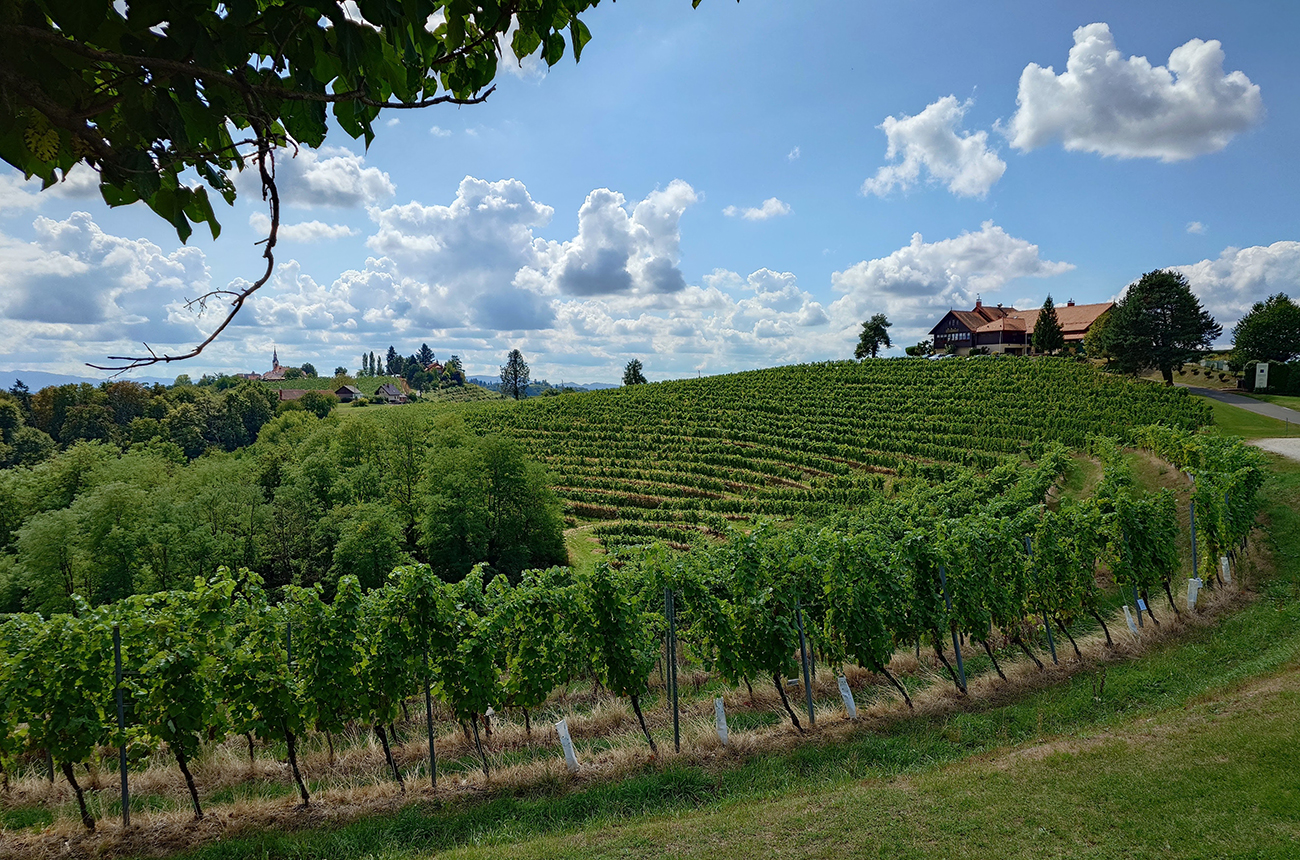 Why Eastern Slovenia is one of Central Europe's great unsung wine regions
Crisp whites and sensational sparkling from the heart of Central Europe...


-
Dalmatia: Where to enjoy the stillness of fjaka
Sponsored Content When Dalmatia slows down in the early afternoon, here are some perfect places to enjoy a little dreaminess.
-
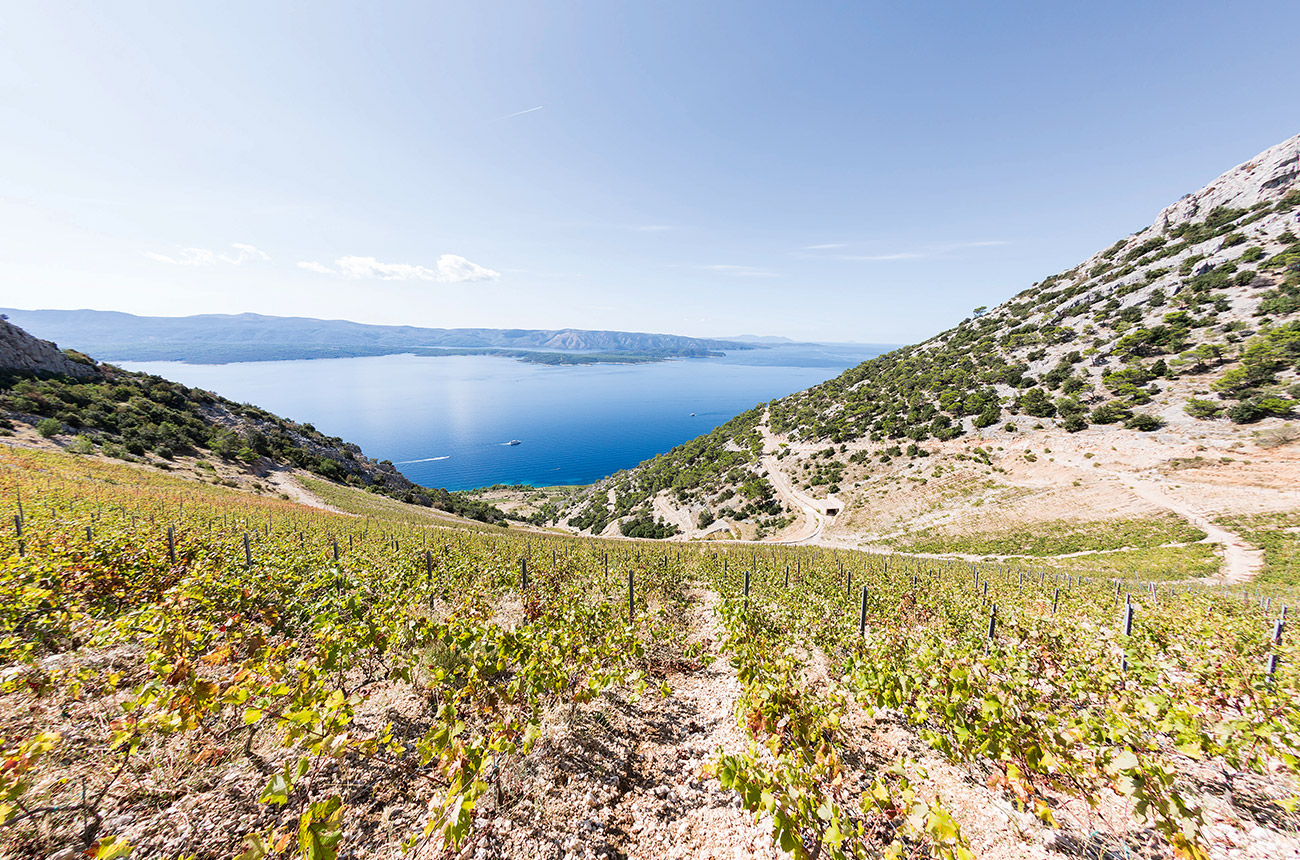 Dalmatia: The crimson coast
Sponsored Content Sun-kissed by the shores of the Adriatic, Dalmatia’s vineyards are home to bold and inviting red wines with plenty of potential.
-
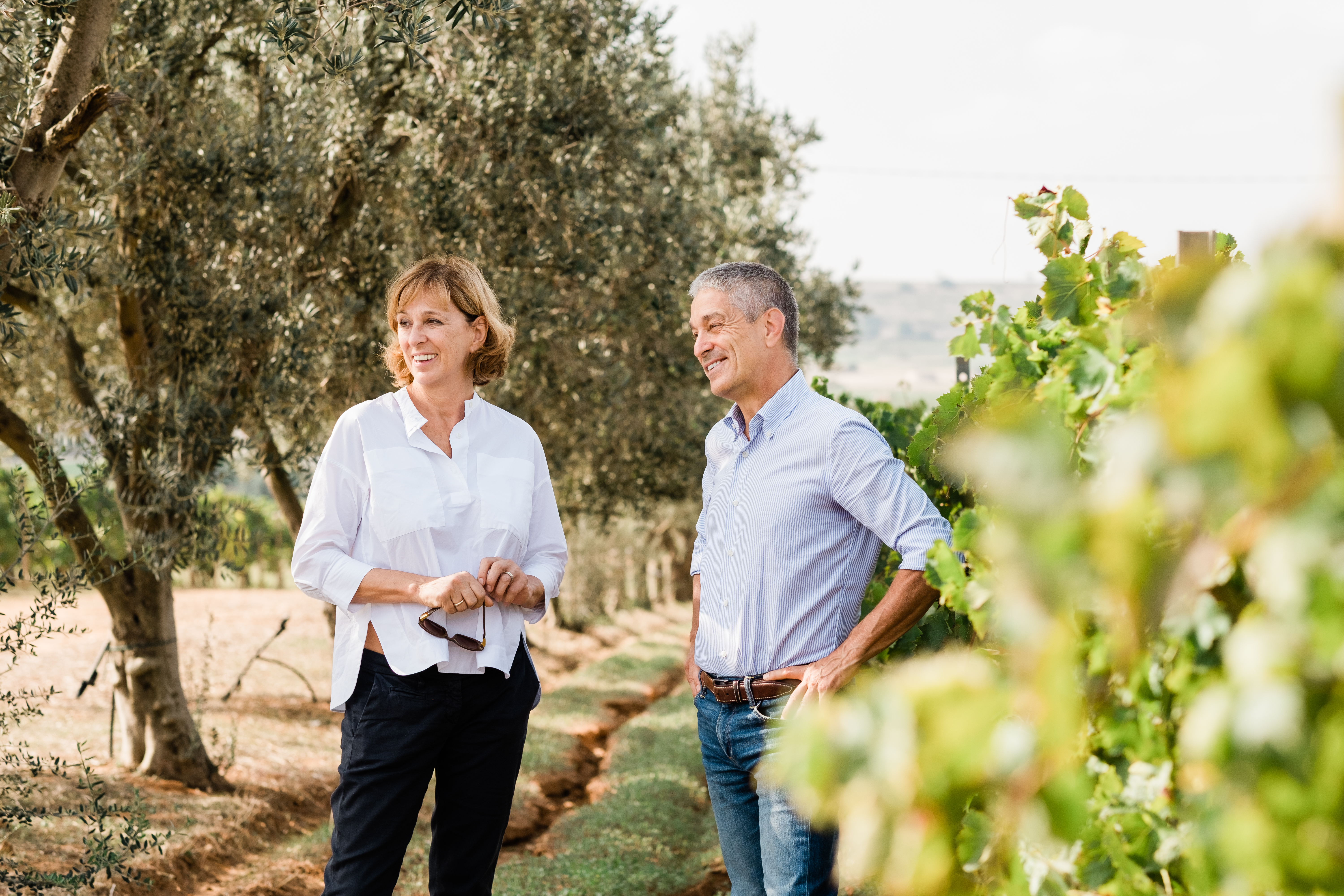 Azienda Agricola Cortese: Championing sustainability in the heart of Sicily
Sponsored Content Meet the winemakers using ancient techniques and sustainable practices to create fresh, modern interpretations of Sicilian varieties
-
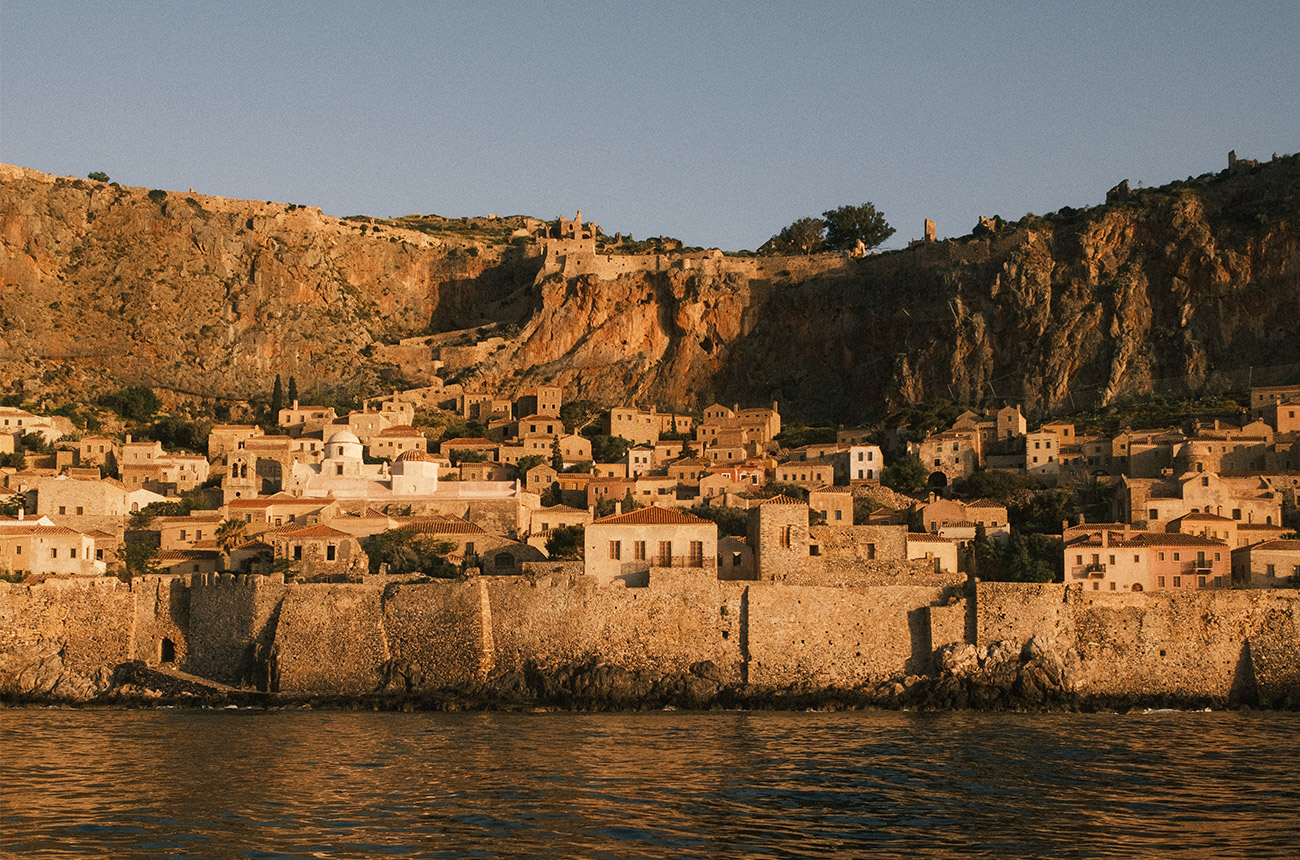 Monemvasia Winery – Tsimbidi: Bringing an ancient wine into the modern age
Sponsored Content George and Elli Tsimbidi’s winery not only revived one of history's most famous wines but is now breathing fresh life into other native Greek varieties.
-
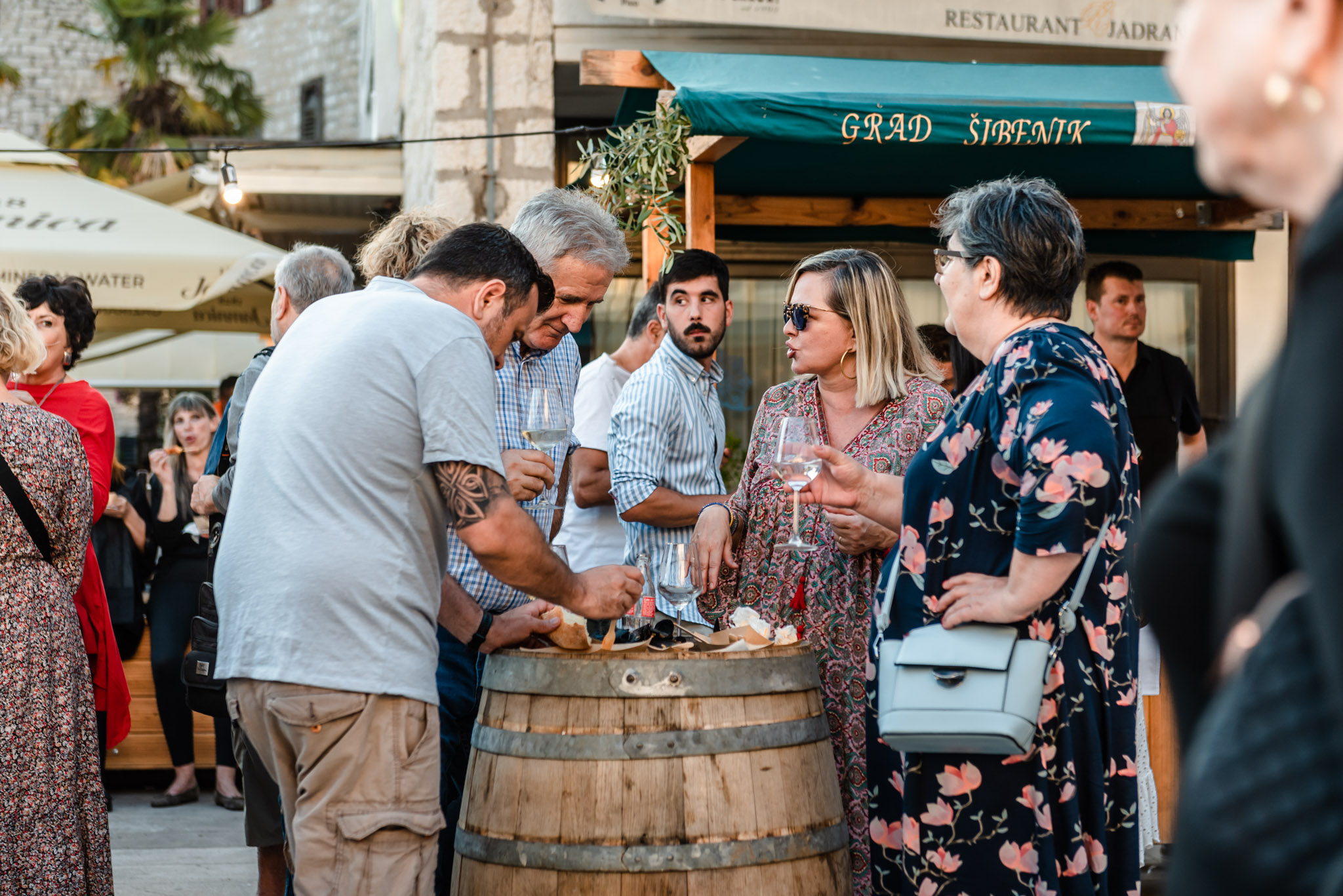 Marenda – A Dalmatian ritual
Sponsored Content What started as a work break has become a well-observed tradition in Dalmatia – one that pairs perfectly with local wine.
-
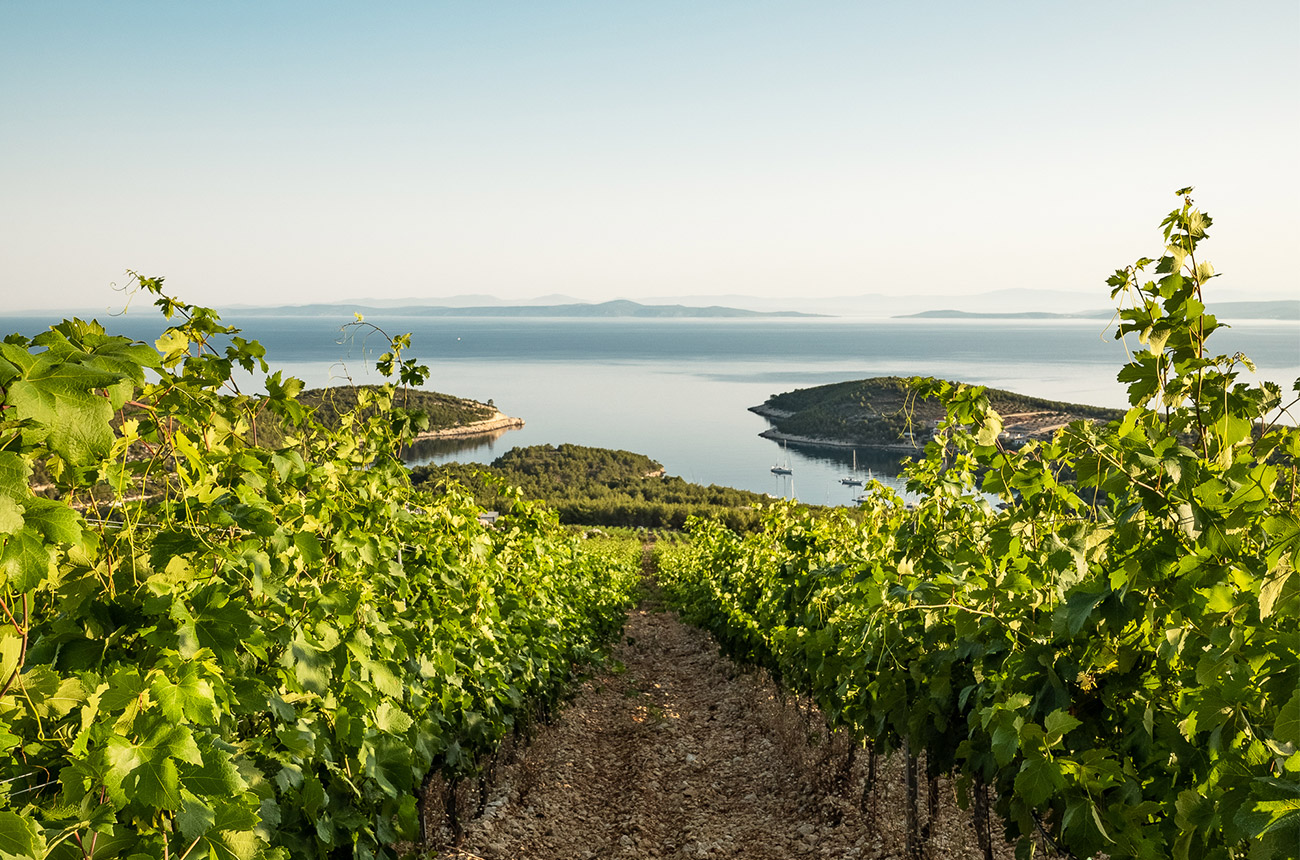 Dalmatia's hall of fame: DWWA winners
Sponsored Content Discover a selection of medal-winning Dalmatian wines from the Decanter World Wine Awards.
-
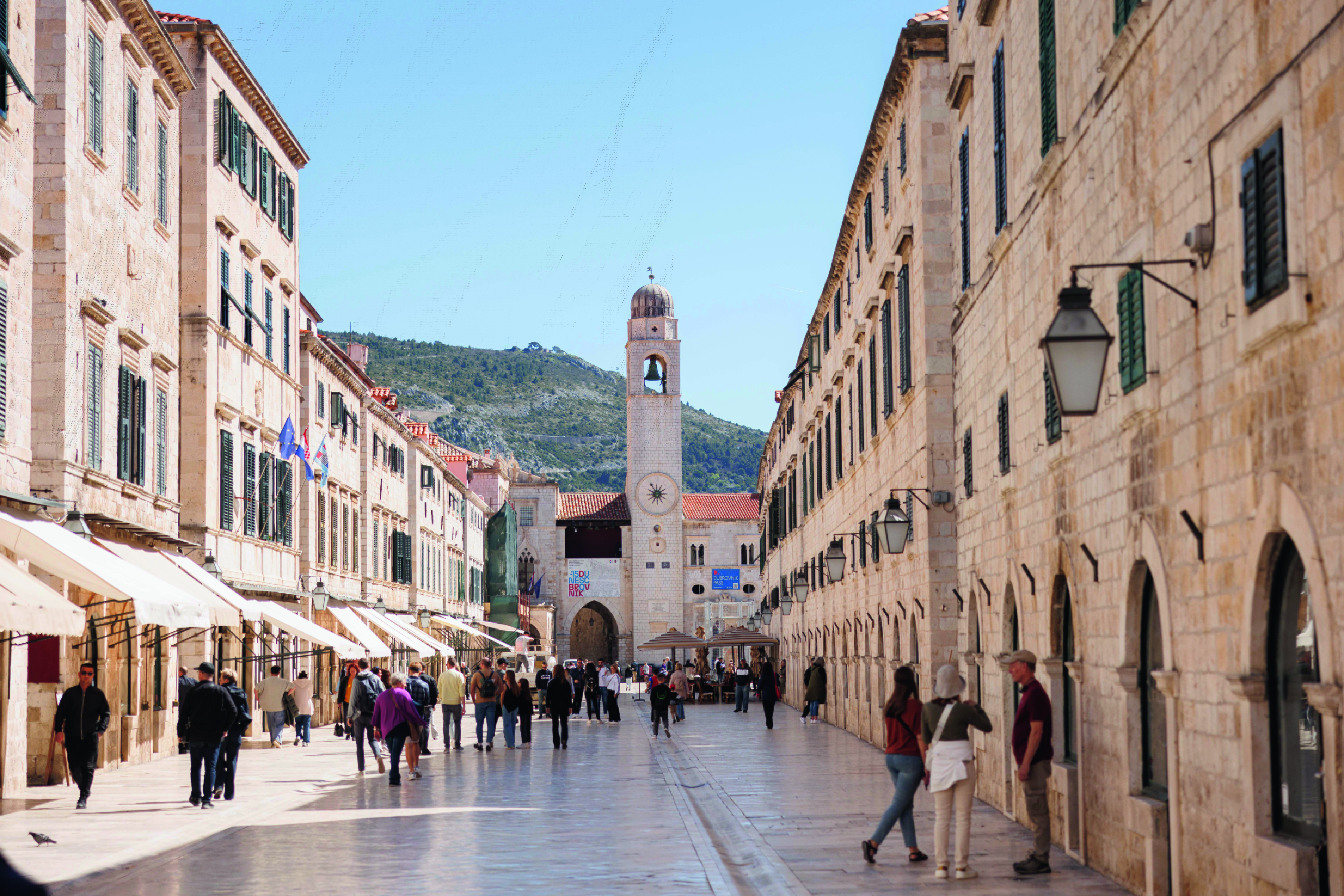 Pomalo: Dalmatia's answer to hustle culture
Sponsored Content A state of mind in Dalmatia, pomalo, which roughly translates as ‘take it easy’, sets the pace of life in this scenic region of Croatia.
-
 A Maldives paradise for wine lovers
Sponsored Content The unique wine culture at OZEN RESERVE BOLIFUSHI extends well beyond its carefully curated list with expert tastings, creative pairings and unexpected discoveries to make lasting holiday memories.


