

Alongside wines that have set benchmarks for Rioja’s most recognisable styles, the Remírez de Ganuza’s range includes wines that have pushed the boundaries of those same styles. Wines that have questioned assumptions and redefined expectations about Rioja’s identity and tradition, while reiterating that the quality of the fruit is both the point of departure and arrival.
These game-changing wines put the many innovations and novel approaches to winemaking developed at Remirez de Ganuza to best use, underlining their potential to underscore rather than obscure terroir. By questioning and expanding the concept of modern Rioja, they reinvent the classics by giving full rein to the inventive and creative spirit of the Remirez de Ganuza team.

Trasnocho
Tempranillo, Graciano and skins from white grapes (Viura and Malvasia)
Loved by sommeliers, critics and buyers alike, Trasnocho has virtually become a brand of its own; its name alone evokes its unique style and the philosophy of Remírez de Ganuza.
It was first released in 2001 and has been produced every vintage since. The fruit is harvested by hand at different plots, on the foothills of Sierra Cantabria, with an average age of 60 years. As happens with most Remirez de Ganuza’s red wines, the grapes are kept for 24 hours in cooling chambers designed especially at the estate and selected following Remírez de Ganuza’s unique selection process, with only the destemmed tops used. Extraction is also done using a unique, patented system, without oxidation and/or friction devised at the winery: the grapes are softly pushed against the press’ walls by a membrane full of water. The extracted must is intensely fruited but softly texture, characters that define the identity of this singular Rioja. Alcoholic fermentation happens, together with Viura and Malvasia skins, in small stainless steel vats. Malolactic fermentation is completed in new French oak 225-litre barriques, where the wine then ages for 20 months.
Transnocho’s combination of intensity, muscular tannins, robust minerality and velvety texture has made it one of the most idiosyncratic and loved Rioja wines.

Remírez de Ganuza Gran Reserva Blanco Olagar
Viura
First produced in 2013, this single-vineyard Gran Reserva set a new benchmark for white Rioja. Its Burgundian poise paired with outstanding sense of place set the stage for the repositioning of White Rioja as a category, carving a space for it in wine lists and collector portfolios. The Viura grapes hail from a single plot, Olagar, planted in 1978 and located in San Vicente de la Sonsierra at 620 metres altitude. Only free-run juice is used; both alcoholic and malolactic fermentation happen in new French oak barriques. The wine stays in wood for 10 months with lees work done using a proprietary method, developed at Remírez de Ganuza, in which traditional bâtonnage is replaced by the manual rotation of barrels. This allows for an even and dynamic movement of the yeast without the need to open the barrels. The result is a wine consistently praised for its depth, complexity and ageing-potential, in which the quality of the Viura grapes is outlined by intense nuttiness, , buttery creaminess and vibrant spiciness – all underpinned by refreshing minerality.

Viña Coqueta
Tempranillo and Graciano
With fruit from the eponymous vineyard, Viña Coqueta has helped to redefine the understanding of terroir expression and specificity in Rioja. The plot, planted in 1975 to Tempranillo and Graciano, is adjacent to Remírez de Ganuza’s winery in Samaniego. More than terroir it conveys a singular sense of place, indelibly linked to the winery’s identity and history. Only produced in outstanding vintages, it was first released in 2005, and in 2008, 2009, 2014 and 2015 since. The varieties are co-harvested manually, refrigerated for 24 hours, manually selected and then fermented in stainless steel and cement vats of different capacities. The wine then ages for two years in oak barrels (predominantly French, with some American).

Erre Punto
Tempranillo, Graciano and skins from white grapes
A Rioja nouveau? Yes indeed. This wine explores another – underestimated and under-explored – side of Rioja. As the Remírez de Ganuza team puts it: Erre Punto is a young wine from old vineyards. It uses the bottoms of the bunches, not used for the other reds, whose fruit has less tannic charge and fresher fruit than that at the top. It is therefore perfectly suited for a Beaujolais style, carbonic maceration wine, with juicy red fruit flavours at the forefront, topped by fragrant floral notes. The grapes are fermented in open 7,000-litre stainless steel vats whose design allows for 90% of the berries to remain intact for a fuller, purer carbonic maceration. Once fermentation is complete the wine is allowed to settle naturally and is bottled unfined and unfiltered, in the spring after harvest. Having been first produced in 2001, Erre Punto has become almost a proof of concept, showing that Rioja has different faces and voices.
Discover more about Remírez de Ganuza wines
Connect onFacebook | Instagram | Twitter


-
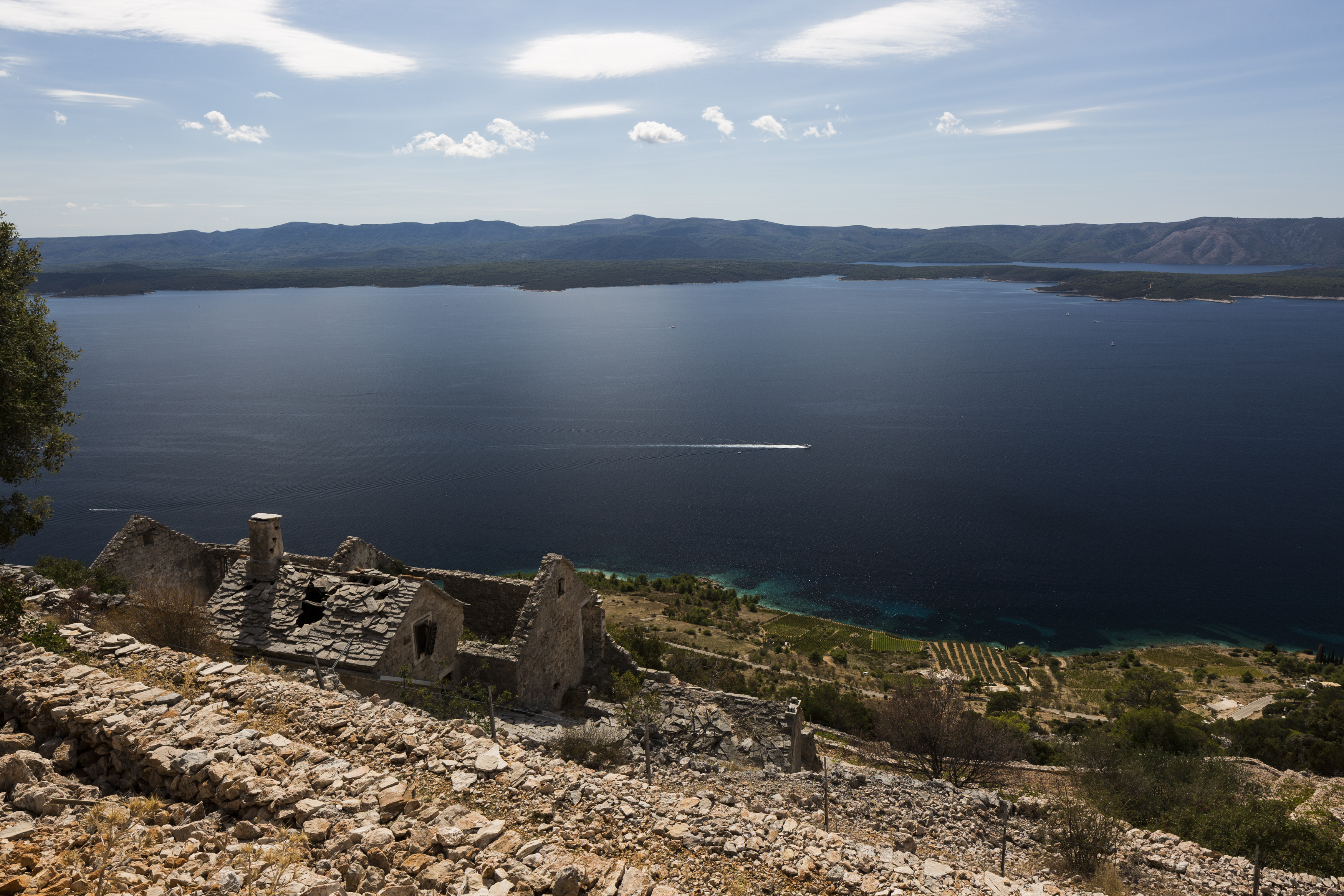 Dalmatia: Where to enjoy the stillness of fjaka
Sponsored Content When Dalmatia slows down in the early afternoon, here are some perfect places to enjoy a little dreaminess.
-
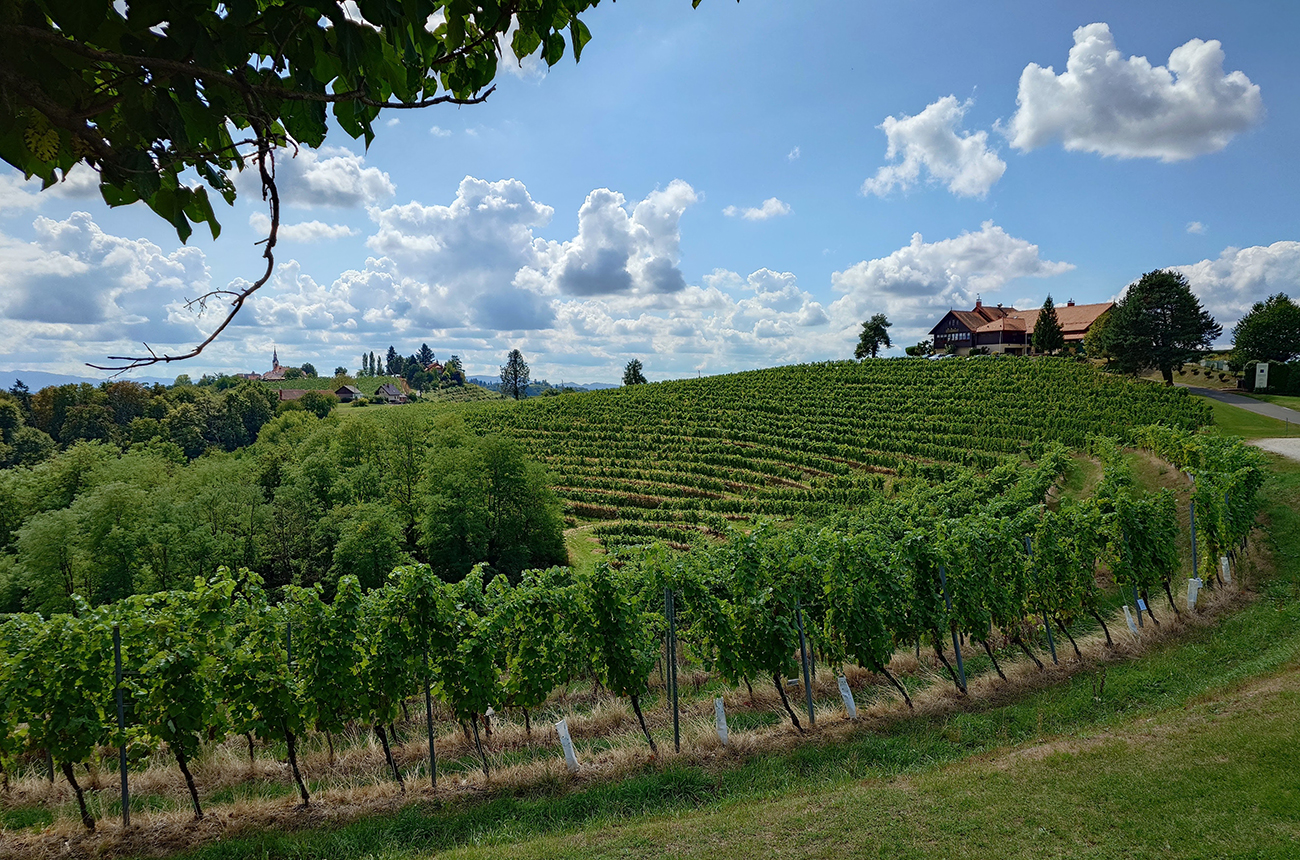 Why Eastern Slovenia is one of Central Europe's great unsung wine regions
Crisp whites and sensational sparkling from the heart of Central Europe...


-
Dalmatia: Where to enjoy the stillness of fjaka
Sponsored Content When Dalmatia slows down in the early afternoon, here are some perfect places to enjoy a little dreaminess.
-
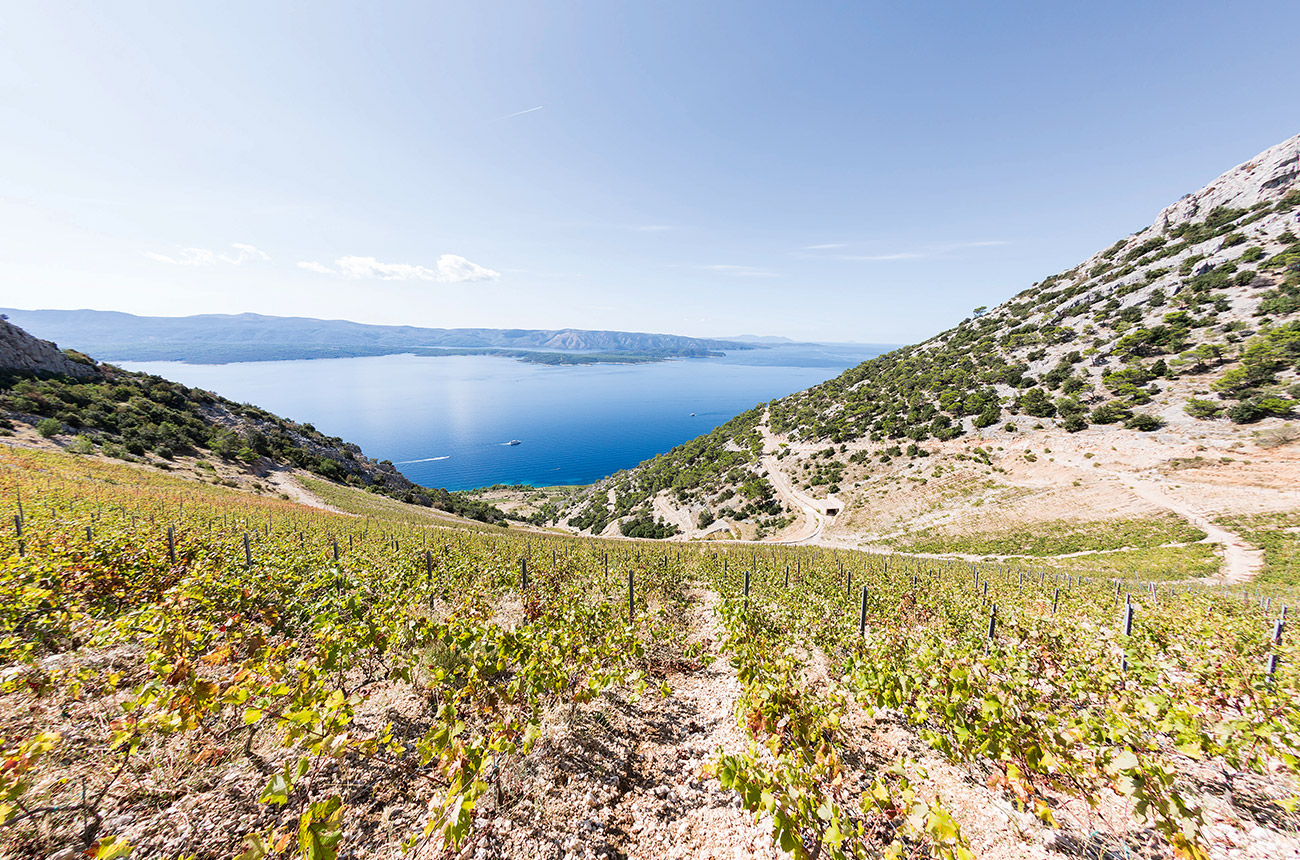 Dalmatia: The crimson coast
Sponsored Content Sun-kissed by the shores of the Adriatic, Dalmatia’s vineyards are home to bold and inviting red wines with plenty of potential.
-
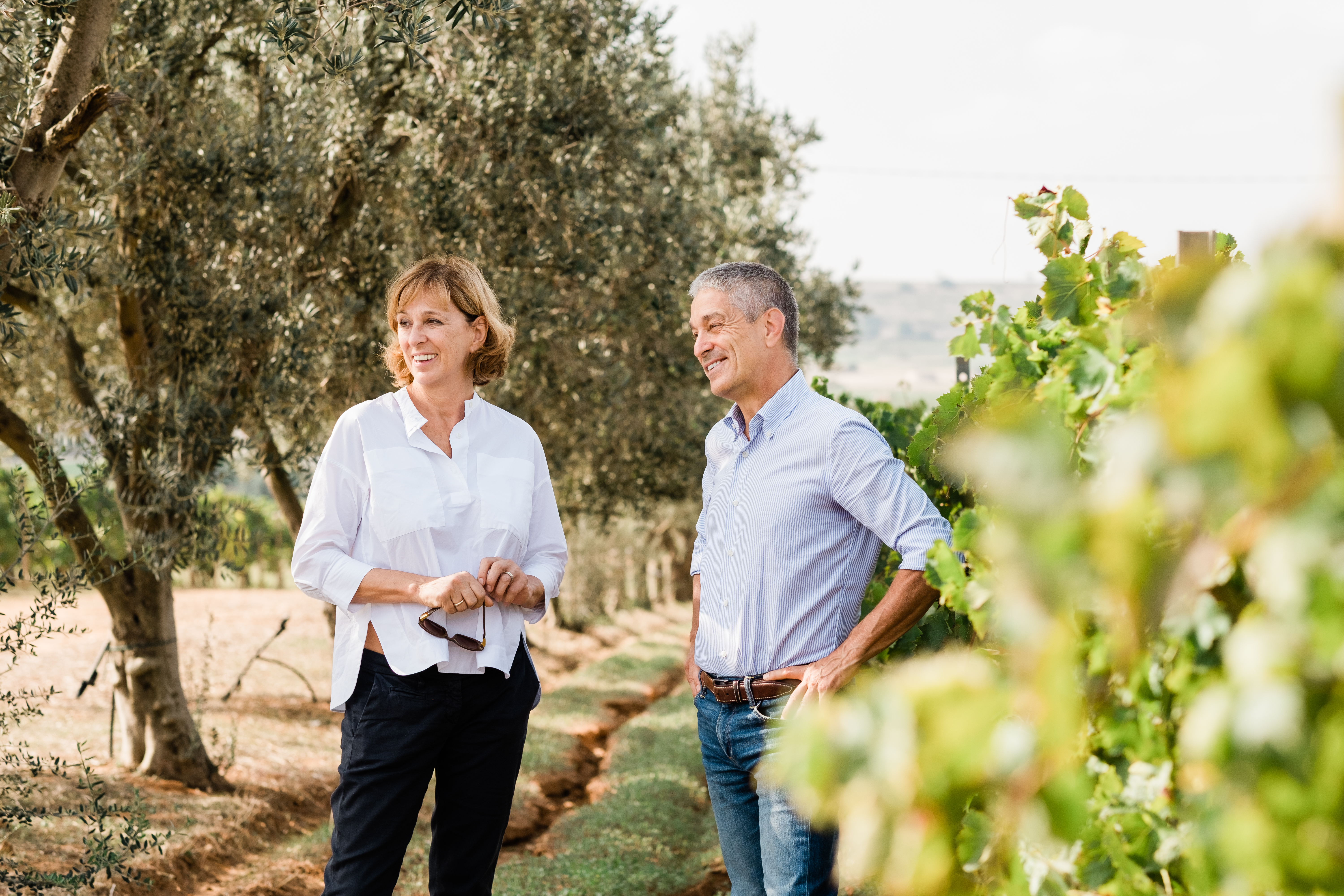 Azienda Agricola Cortese: Championing sustainability in the heart of Sicily
Sponsored Content Meet the winemakers using ancient techniques and sustainable practices to create fresh, modern interpretations of Sicilian varieties
-
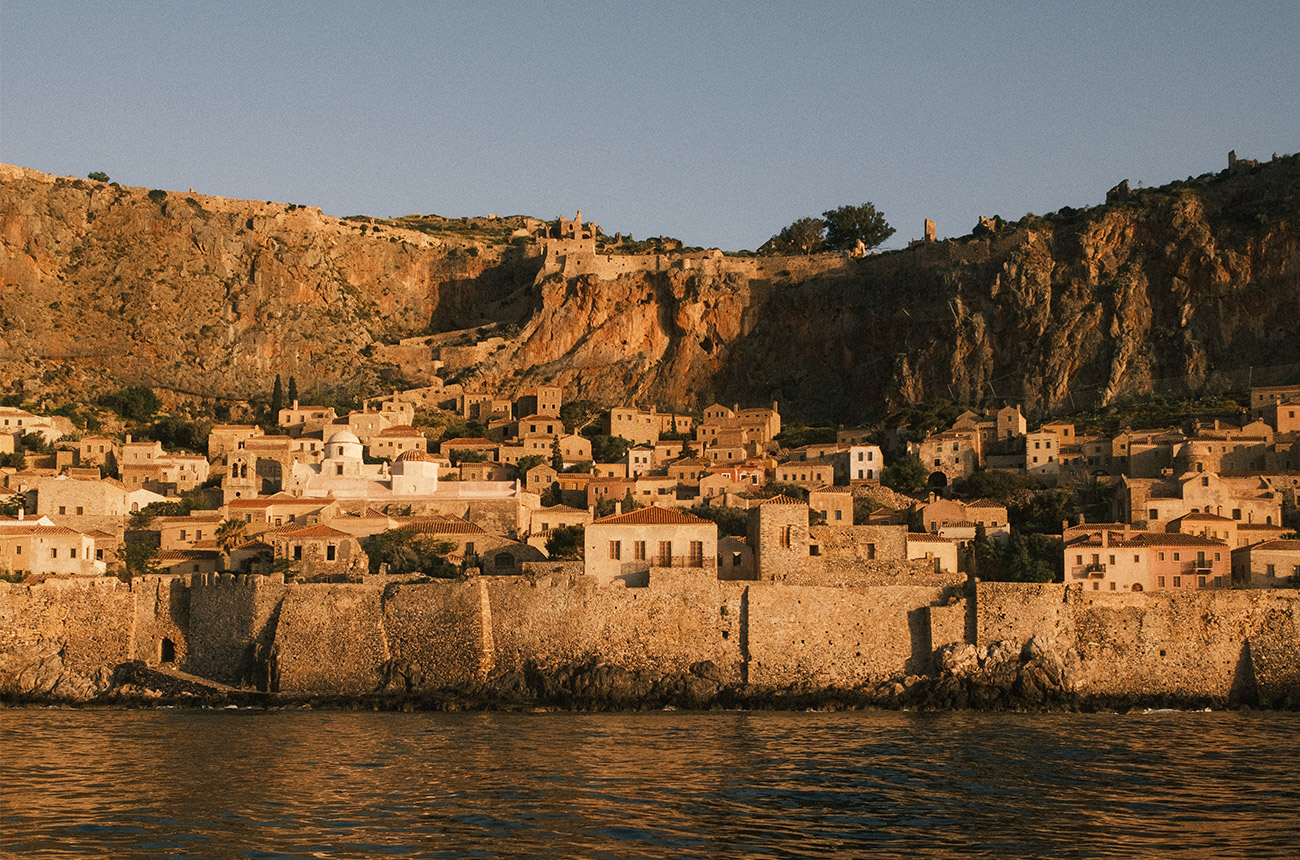 Monemvasia Winery – Tsimbidi: Bringing an ancient wine into the modern age
Sponsored Content George and Elli Tsimbidi’s winery not only revived one of history's most famous wines but is now breathing fresh life into other native Greek varieties.
-
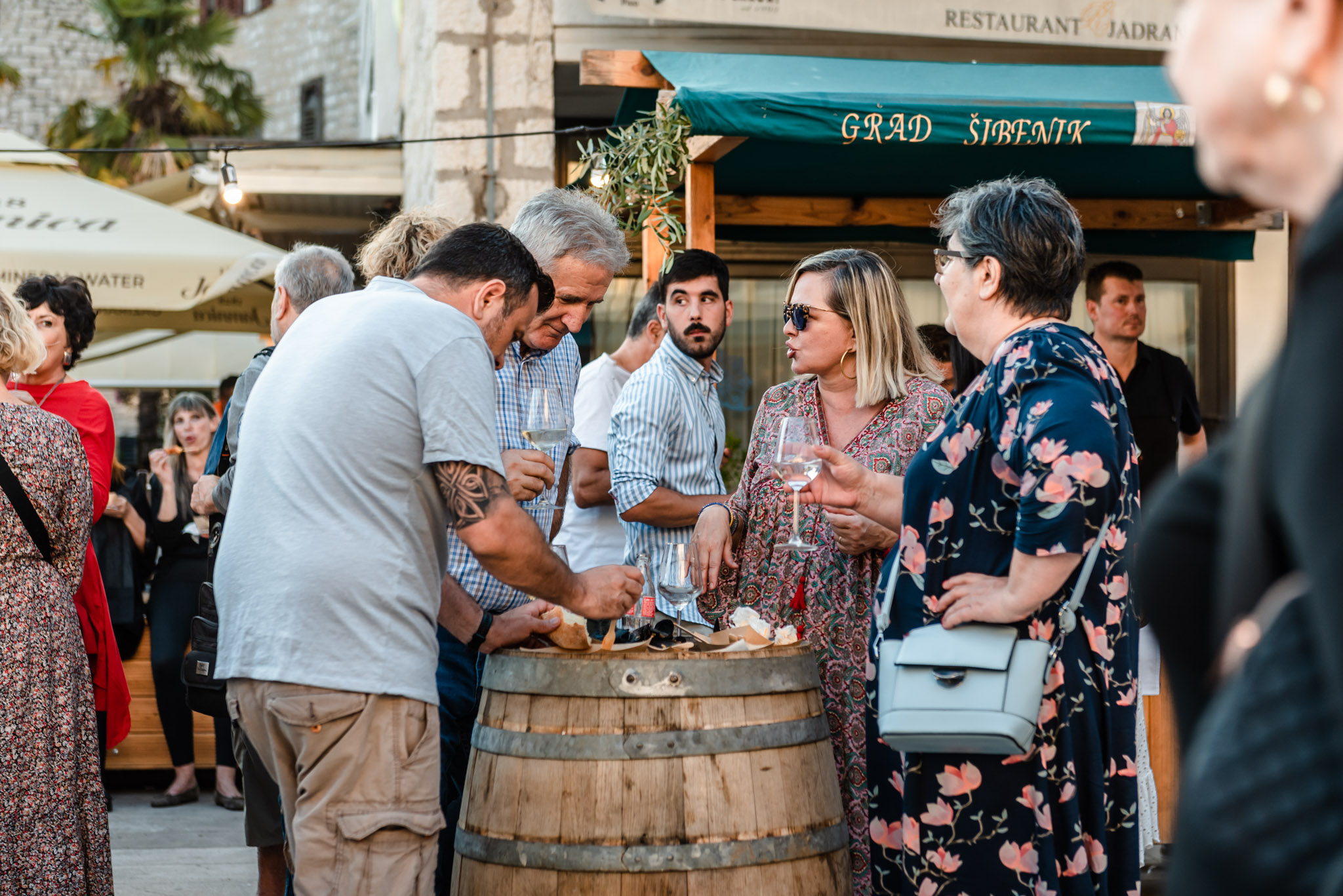 Marenda – A Dalmatian ritual
Sponsored Content What started as a work break has become a well-observed tradition in Dalmatia – one that pairs perfectly with local wine.
-
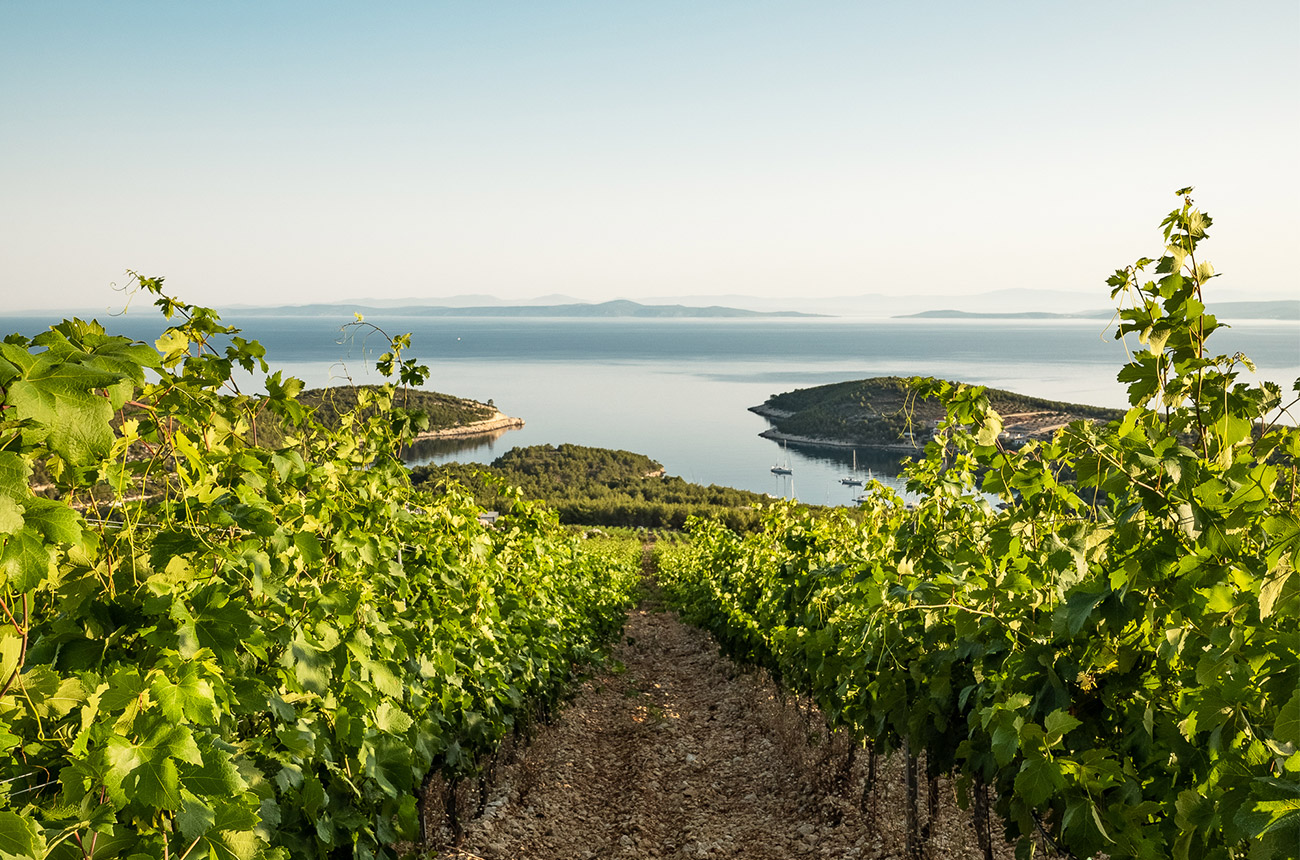 Dalmatia's hall of fame: DWWA winners
Sponsored Content Discover a selection of medal-winning Dalmatian wines from the Decanter World Wine Awards.
-
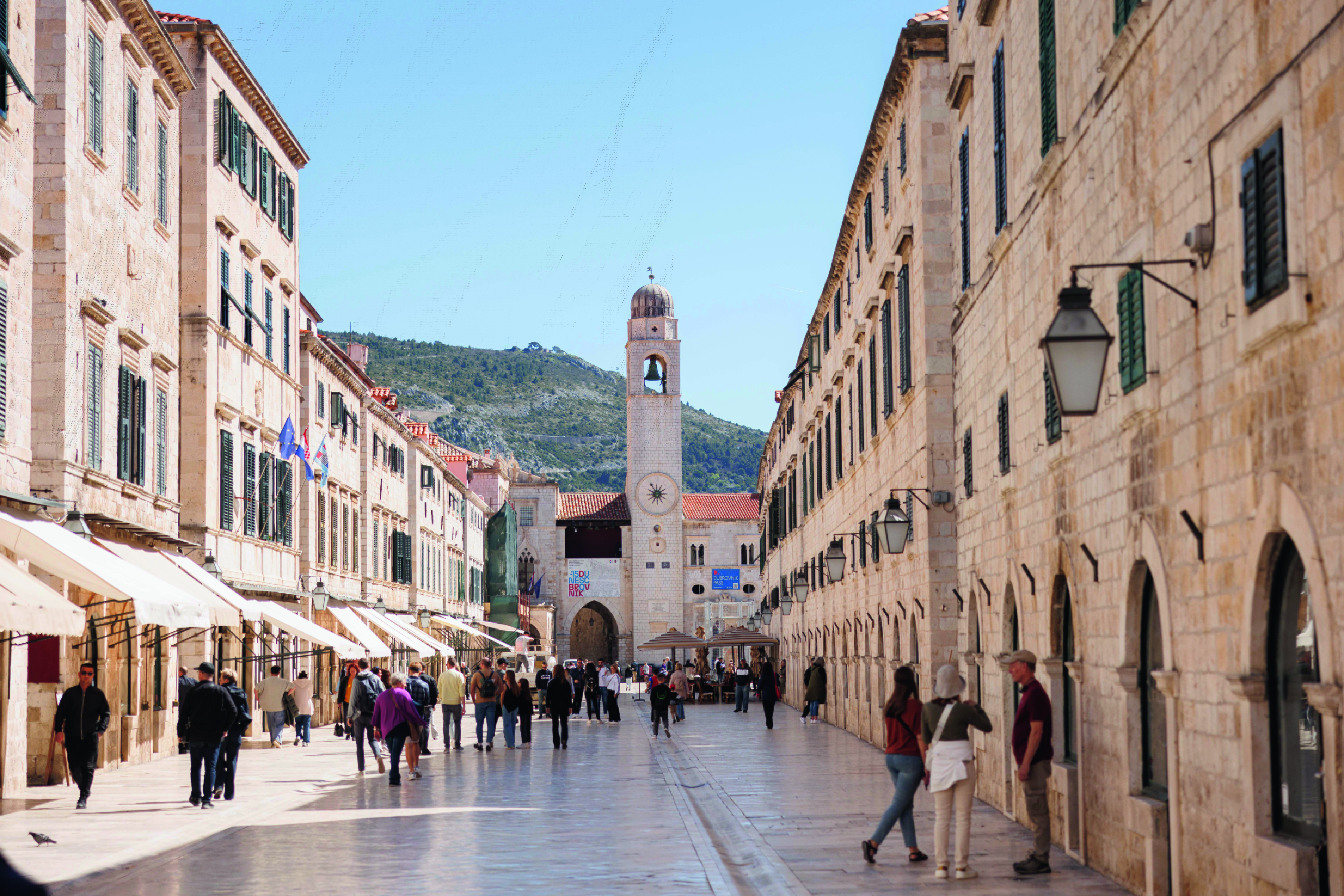 Pomalo: Dalmatia's answer to hustle culture
Sponsored Content A state of mind in Dalmatia, pomalo, which roughly translates as ‘take it easy’, sets the pace of life in this scenic region of Croatia.
-
 A Maldives paradise for wine lovers
Sponsored Content The unique wine culture at OZEN RESERVE BOLIFUSHI extends well beyond its carefully curated list with expert tastings, creative pairings and unexpected discoveries to make lasting holiday memories.


