

Between Florence and Siena, the Chianti Classico vineyard area’s idyllic landscape of cypresses and olive trees, historic villages and hillside vineyards never fails to take visitors’ breath away. But though this may look like a timeless, unchanging scene, at its heart lies one of Italian wine’s greatest innovators.
The name of San Felice has been synonymous with a pioneering spirit – and a desire to push boundaries – since the mid-20th century. While its neighbours were producing Chianti Classico wines containing at least 10% white grapes – as required by the DOC regulations at the time – San Felice decided to pursue a different path. Recognising the quality and potential of the variety, San Felice chose to produce a varietal Sangiovese in 1968, unhindered by the DOC rules.
This game-changing wine was called Vigorello: a new, premium-quality Vino da Tavola that would celebrate the unique synergy between grape, soil and climate. Its release represented a change in attitude – and in philosophy – that would alter the face of Tuscan wine forever.
Rediscovering lost treasures
The success of Vigorello underlined the importance of protecting Tuscany’s viticultural heritage and forgotten indigenous varieties – Abrusco, Ciliegiolo, Mazzese and, above all, Pugnitello – before it was too late. In collaboration with the University of Florence, in 1987 San Felice created a 2.5ha experimental vineyard called the Vitiarium, dedicated entirely to traditional local varieties at risk of extinction: a place of experimentation, research and viticultural renewal.

In the Vitiarium, analysis of more than 250 different grapes immediately revealed one with exceptional potential: Pugnitello, so called because of its fist-shaped bunches. Produced from vines planted in 1992, the Pugnitello Toscano IGT was restyled as the first wine in San Felice’s new Vitiarium line, and has since become one of the estate’s iconic labels. A velvety, rich red wine with blackcurrant and mulberry character and well-structured tannins, the Pugnitello Toscano IGT serves as a reminder of the foresight that rescued this ancient variety from extinction, and is a testament to the depth of San Felice’s research.
This has now been joined in the Vitiarium line by a second flagship wine, which honours the estate’s viticultural heritage by returning the rediscovered Pugnitello to arguably its rightful place: alongside Sangiovese in San Felice’s unique Chianti Classico DOCG Borgo. A fragrant, well balanced red, structured by elegant tannins and beautiful fresh acidity – an authentic expression of the high-density vineyards from which it is made.
In addition to Pugnitello and Borgo, the Vitiarium line boasts two further wines: Gran Selezione Chianti Classico La Pieve DOCG and In Avane. La Pieve showcases the aromatic complexity of Sangiovese (blended with a selection of native grape varieties) from the best soils of the San Felice Estate. In Avane, meanwhile, is San Felice’s best expression of Chardonnay, offering up a bouquet of citrus and white floral notes.

Together, these four wines represent the beating heart of the San Felice portfolio. Authentic expressions of their terroir, the Vitiarium wines also showcase the estate’s commitment to sustainability and biodiversity.
The Modello San Felice
But as important as the wines themselves are the principles behind them. Ever since the 1960s, the estate has been guided by an approach it calls the ‘Modello San Felice.’ This philosophy values above all the synergy between rigorous scientific research, intimate knowledge of the land and understanding the wines’ final consumers. Even today, the Modello San Felice drives the estate to continue its work toward an ever deeper understanding of its ancient grape varieties and unique terroir.
An all-embracing understanding of sustainability
With this restless drive to improve guiding everything the estate does, it’s no surprise that San Felice is also leading the way in its focus on sustainability – in all senses of the word. For the last 15 years, San Felice has been self-sufficient in energy, using solar panels on its estate, and has reduced the weight of its bottles to minimise the carbon emissions generated from transportation. As well as implementing regenerative viticulture practices, it is currently in the second year of conversion to organic viticulture, and is already certified by Equalitas – the estate feels that adhering to both ensures a more well-rounded sustainable approach.

But San Felice sees sustainability in far broader terms, and stresses the importance of its social aspects. Through its L’Orto Felice and L’Aia Felice social inclusion projects, in collaboration with social responsibility initiative Fondazione Allianz Umana Mente, it works with people with disabilities and special needs as part of a cooperative, and retired employees return to the estate to pass on their skills to the next generation.
The estate shares its knowledge widely, admitting 25 students at a time to the San Felice ‘school’ in partnership with viticultural training company Simonit&Sirch. The school teaches key vineyard skills to all kinds of growers, from the local pharmacist with half a hectare to larger operations. In this way San Felice continues to strengthen its ties with its local community and preserve the knowledge and traditions of the profession.
Discover more about San Felice
Connect onFacebook | Instagram


-
 Mission DRC? The Yquem affair? A look at the most exciting wine heists of the last five years
Not Hollywood scripts but rather very real cases of brash robbery and deceit. Some of which remain unresolved.
-
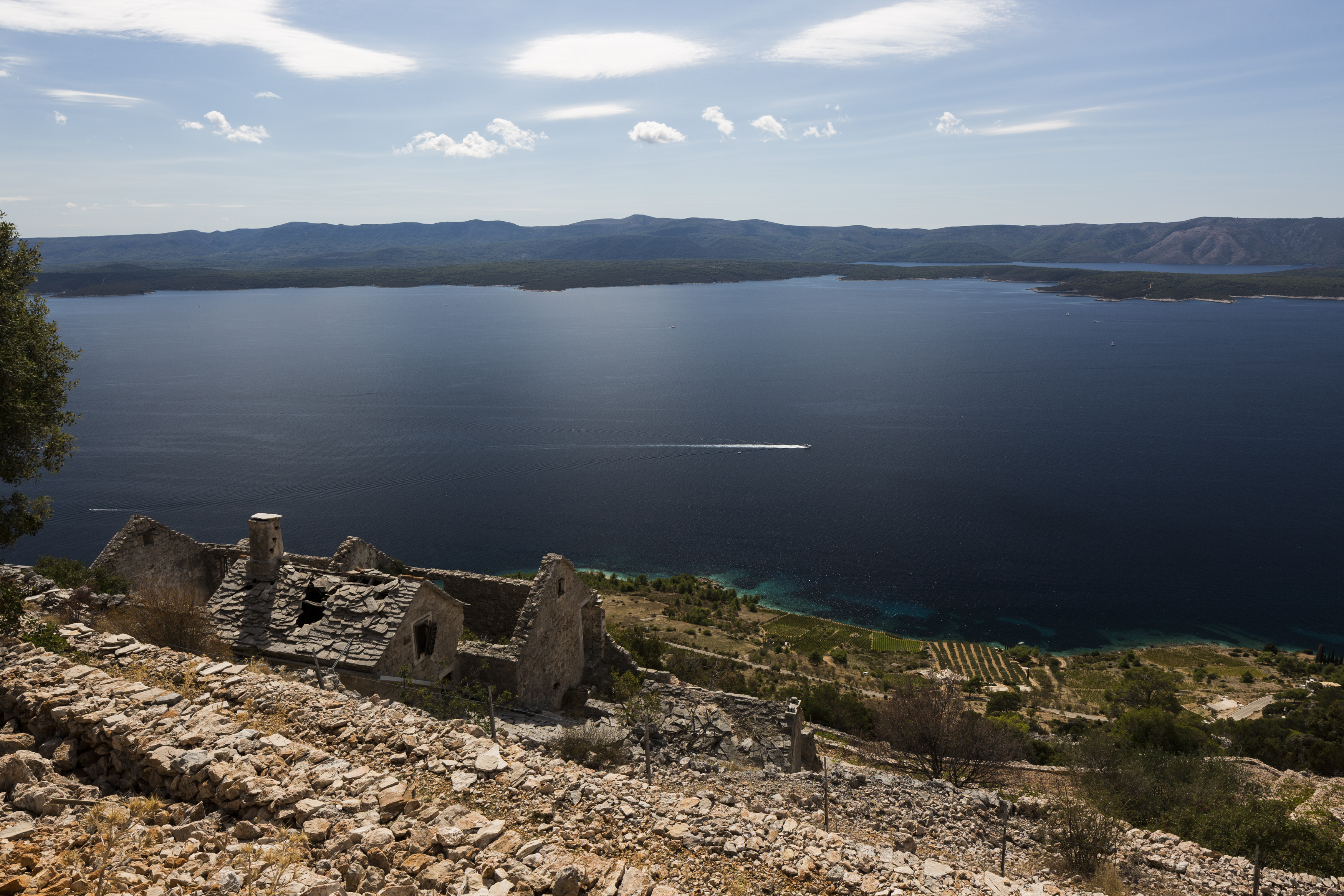 Dalmatia: Where to enjoy the stillness of fjaka
Sponsored Content When Dalmatia slows down in the early afternoon, here are some perfect places to enjoy a little dreaminess.


-
Dalmatia: Where to enjoy the stillness of fjaka
Sponsored Content When Dalmatia slows down in the early afternoon, here are some perfect places to enjoy a little dreaminess.
-
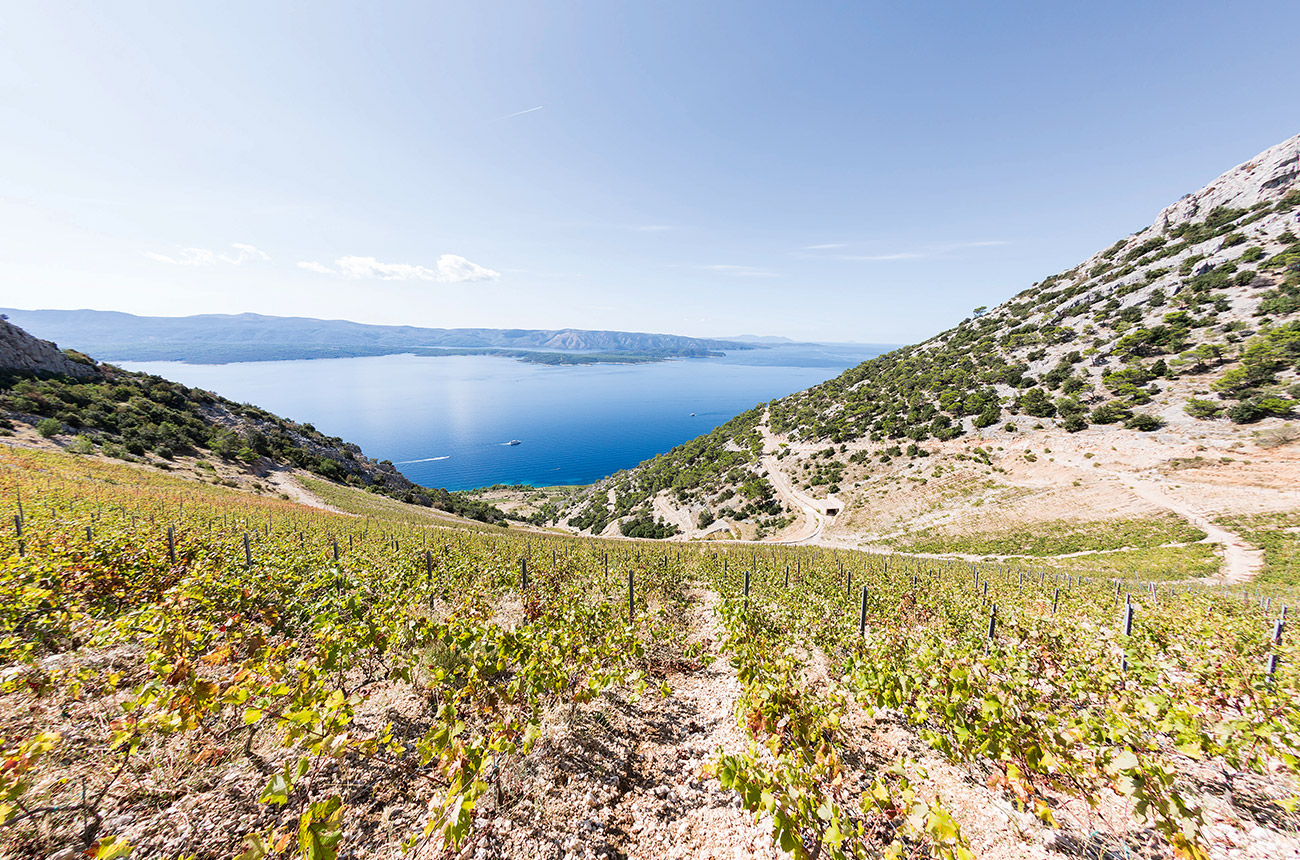 Dalmatia: The crimson coast
Sponsored Content Sun-kissed by the shores of the Adriatic, Dalmatia’s vineyards are home to bold and inviting red wines with plenty of potential.
-
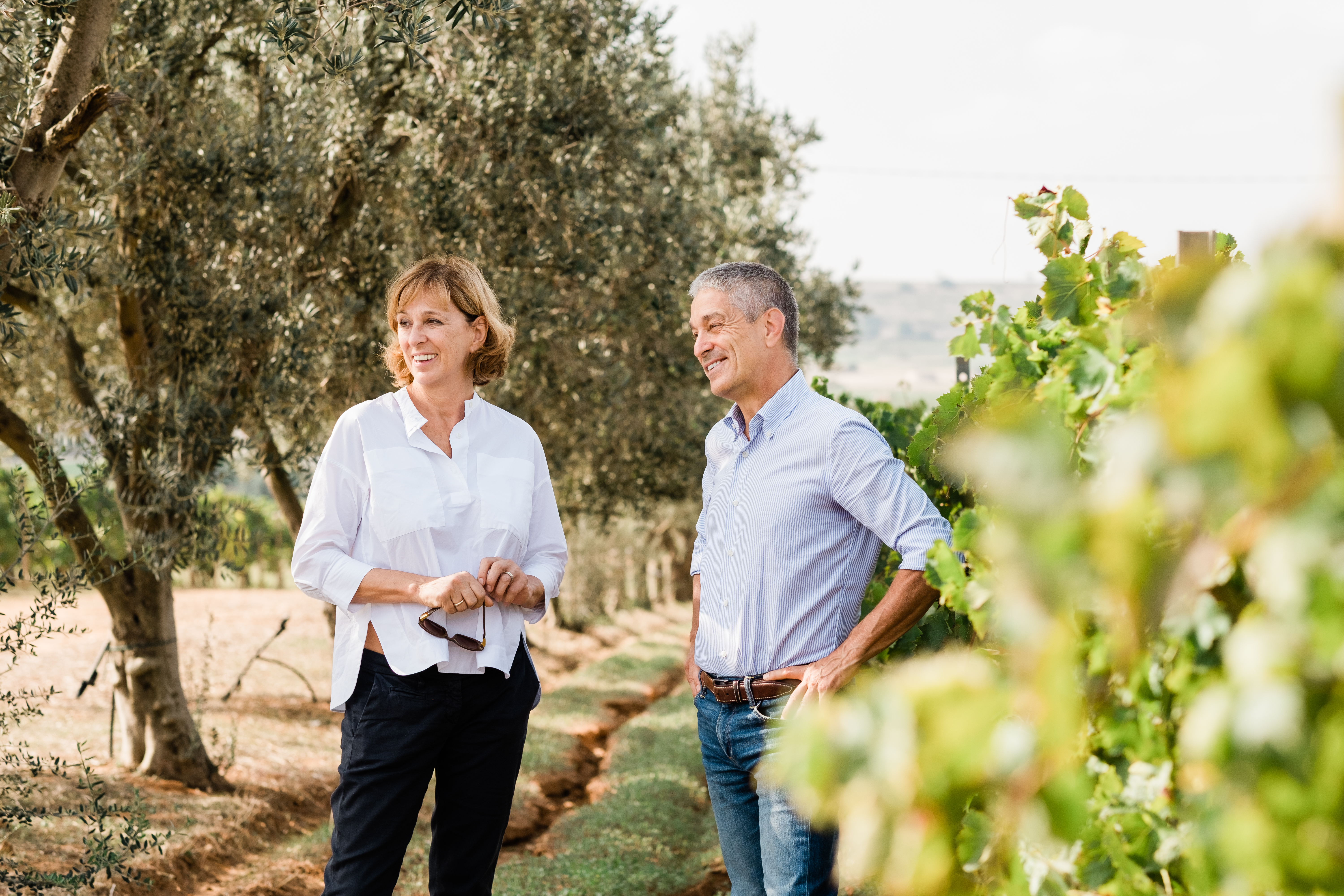 Azienda Agricola Cortese: Championing sustainability in the heart of Sicily
Sponsored Content Meet the winemakers using ancient techniques and sustainable practices to create fresh, modern interpretations of Sicilian varieties
-
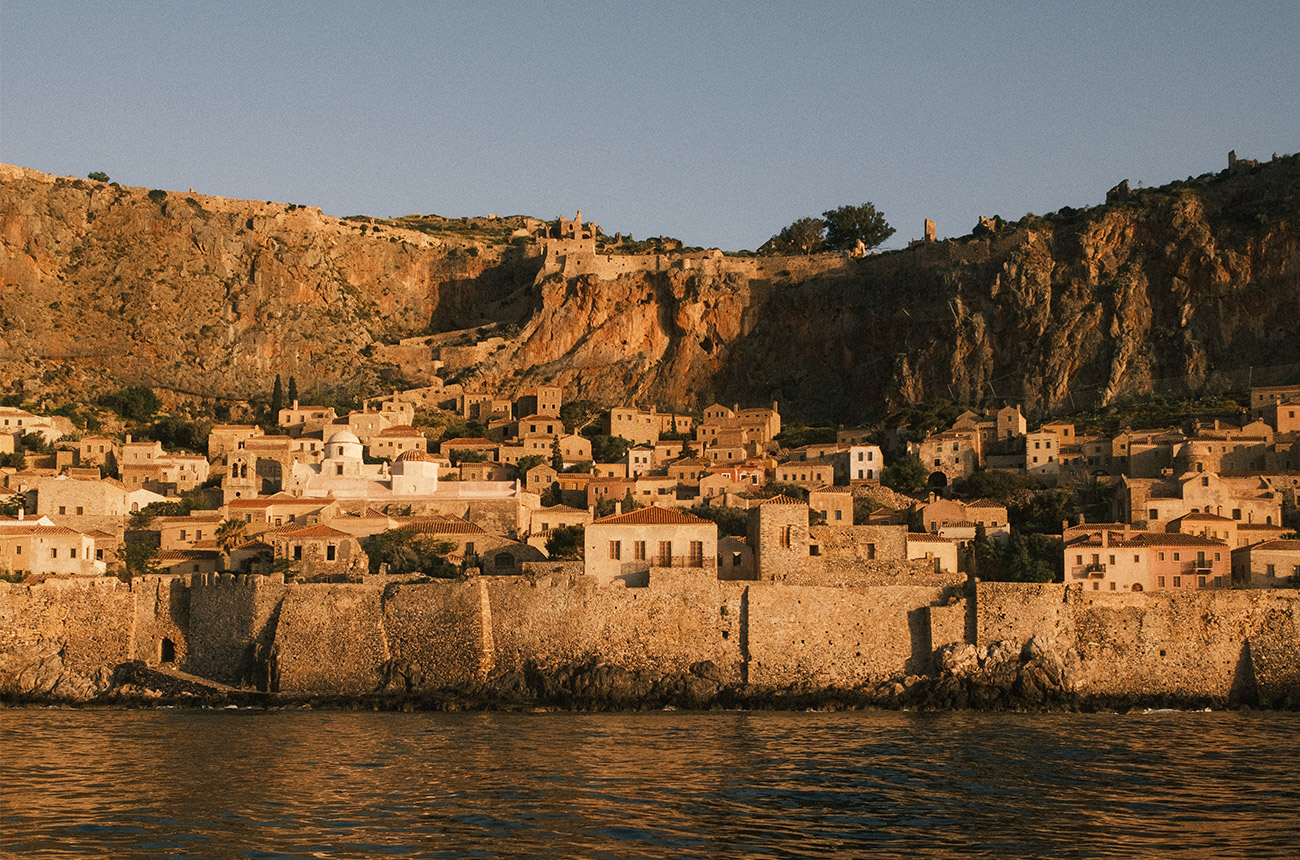 Monemvasia Winery – Tsimbidi: Bringing an ancient wine into the modern age
Sponsored Content George and Elli Tsimbidi’s winery not only revived one of history's most famous wines but is now breathing fresh life into other native Greek varieties.
-
 Marenda – A Dalmatian ritual
Sponsored Content What started as a work break has become a well-observed tradition in Dalmatia – one that pairs perfectly with local wine.
-
 Dalmatia's hall of fame: DWWA winners
Sponsored Content Discover a selection of medal-winning Dalmatian wines from the Decanter World Wine Awards.
-
 Pomalo: Dalmatia's answer to hustle culture
Sponsored Content A state of mind in Dalmatia, pomalo, which roughly translates as ‘take it easy’, sets the pace of life in this scenic region of Croatia.
-
 A Maldives paradise for wine lovers
Sponsored Content The unique wine culture at OZEN RESERVE BOLIFUSHI extends well beyond its carefully curated list with expert tastings, creative pairings and unexpected discoveries to make lasting holiday memories.


