

Bardolino is a supremely beautiful part of the wine world, draped over the lowlands and slopes of the southeastern corner of Italy’s iconic Lake Garda. To the south, the Po Valley basks in the summer heat; to the north, the river Adige winds its way up towards the Alps.
There is a timeless majesty to the place, whose ancient sedimentary soils – deposited by glaciers tens of thousands of years ago – have been home to vineyards since at least Roman times. Apart from the speedboats leaving their white, arrow-shaped wakes across the lake, the peaceful landscape has barely changed over the centuries.
A distinctive regional style
Bardolino’s key varieties are all red, the main grapes being Corvina and Corvinone. These grapes, each native to this area of northeast Italy, are blended in different proportions from producer to producer. But the region’s red wine style is distinctive and recognisable: medium-bodied, balanced wines with gentle tannin and acidity.
The red wines are naturally light in colour and low in alcohol – typically around 11% and rarely more than 13% ABV. With flavours of red fruit and flowers, they are a beautifully accessible style that is relaxed and easy-drinking – a perfect mid-week bottle or Saturday lunch pairing.
They are also an excellent match with modern, lighter cuisine. Bardolino has become an incredibly versatile addition to every food- and drink-lover’s wine rack.

The future’s rosy: Chiaretto di Bardolino
The same goes for its rosés, Chiaretto di Bardolino, which must be 70-80% Corvina. Pale and fresh with a mineral, almost saline note, they are a fine way of bringing a taste of an Italian summer to an autumn day.
Exploring the subzones
For those who want to explore further, the three subzones all offer something different. Montebaldo, in the north is cool and fresh, with mountain influence; La Rocca, nearest to Lake Garda, has a classic Mediterranean climate; while to the south, Sommacampagna is warm and semi-continental.
Look out for the names on labels and spot the differences as you explore this vibrant, versatile, enticing region.
Visiting the region
A natural paradise like Bardolino has no shortage of fun activities for visitors, with walking, sailing and swimming all understandably popular. But wine doesn’t just have to be restricted to the dinner table or evening terrace – it can be the reason for fun days out too.
Most of the region’s wine producers are delighted to welcome visitors and talk about their winery and vineyards – and of course conduct a tasting of the wines.
Zeni’s Museo del Vino also makes for a stimulating visit. Tracing the history, geography and viticulture of the region, it’s a cornucopia of old presses, barrels and equipment, while the ‘olfactory gallery’ is a fun, interactive way to experience the typical flavours found in the region’s wines.

Serving and pairing: How to enjoy Bardolino at its best
Glasses: Bardolino is a fun, informal wine that’s great for everyday drinking – but like all wines, it tastes better in a decent glass! Choose one that’s wider at the base than the top to funnel the elegant aromas to your nose.
Temperature: Bardolino Chiaretto is best chilled, but not too cold – take it out of the fridge 15 minutes before serving. The reds should be 14-15ºC, so chill the bottle for 15 minutes before serving.
Food matches: Bardolino reds are fruity, savoury wines with low levels of tannins – an ideal match for lamb. Chiaretto, meanwhile, suits a range of foods: grilled vegtables, sushi or even fish and chips.
Ageing: Bardolino reds are usually drunk within a year or two of the vintage, but can age for several years – particularly the cru wines. Even the rosés soften and broaden into even more versatile food pairings.
Discover more about Bardolino
Read more about the wines of Bardolino:
Discovering the many expressions of Bardolino


-
 Celebrating European diversity
Sponsored Introducing the ‘Celebrate the Diversity’ project...
-
 Reinterpreting Tuscan tradition with Vignamaggio
Sponsored An idyllic traditional farm...
-
 Vinitaly.USA: Where Italian wine meets the US market
Sponsored Bringing opportunities and encounters to New York...
-
 PoderNuovo a Palazzone: Where Cabernet Franc finds its Tuscan voice
Sponsored Distinguished Tuscany...
-
 From Garda with love
Sponsored The spirit of the lake...
-
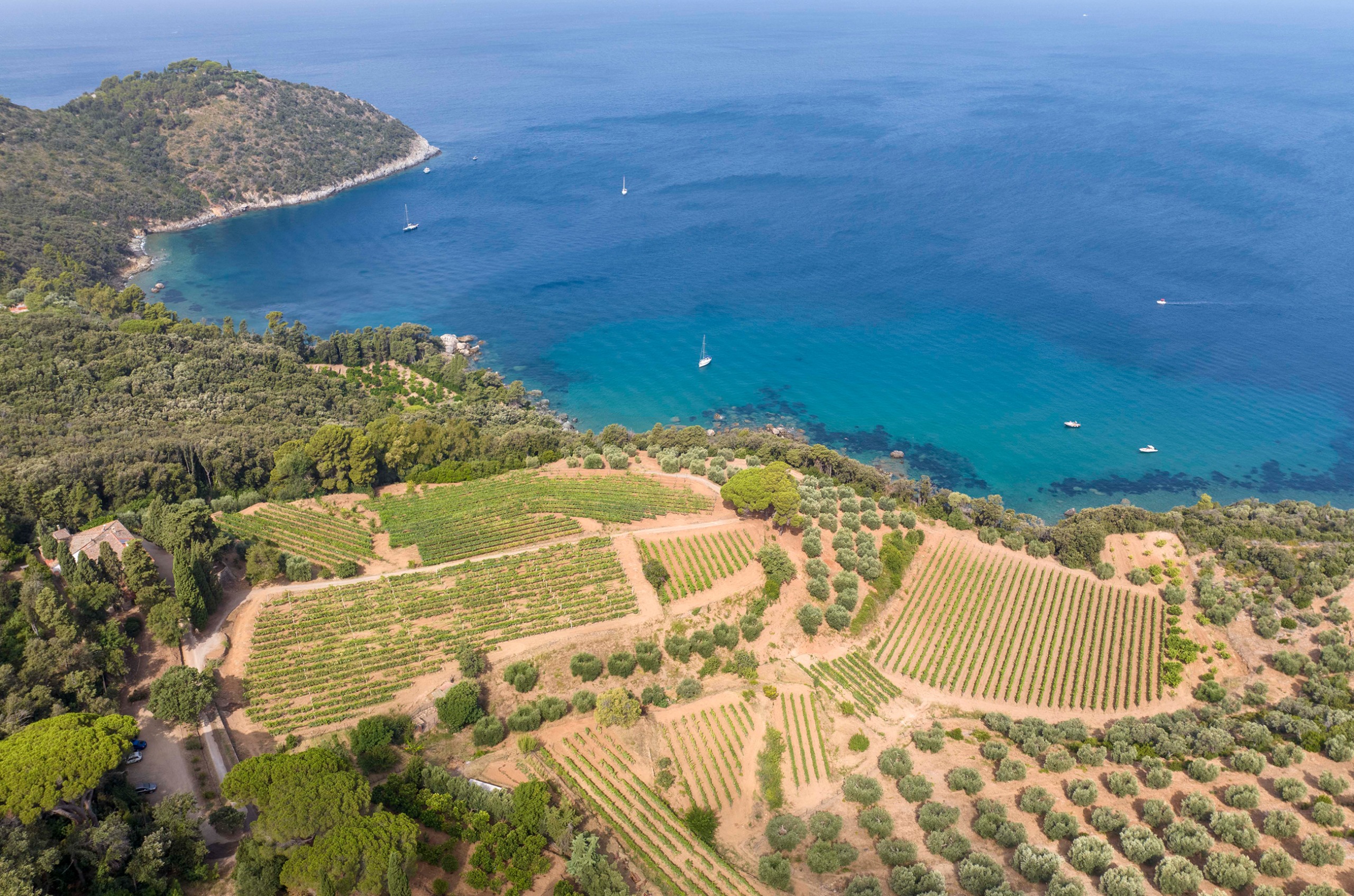 The Maremma: Southern Tuscany’s untamed wine country
Sponsored Fresh Vermentino and characterful reds...
-
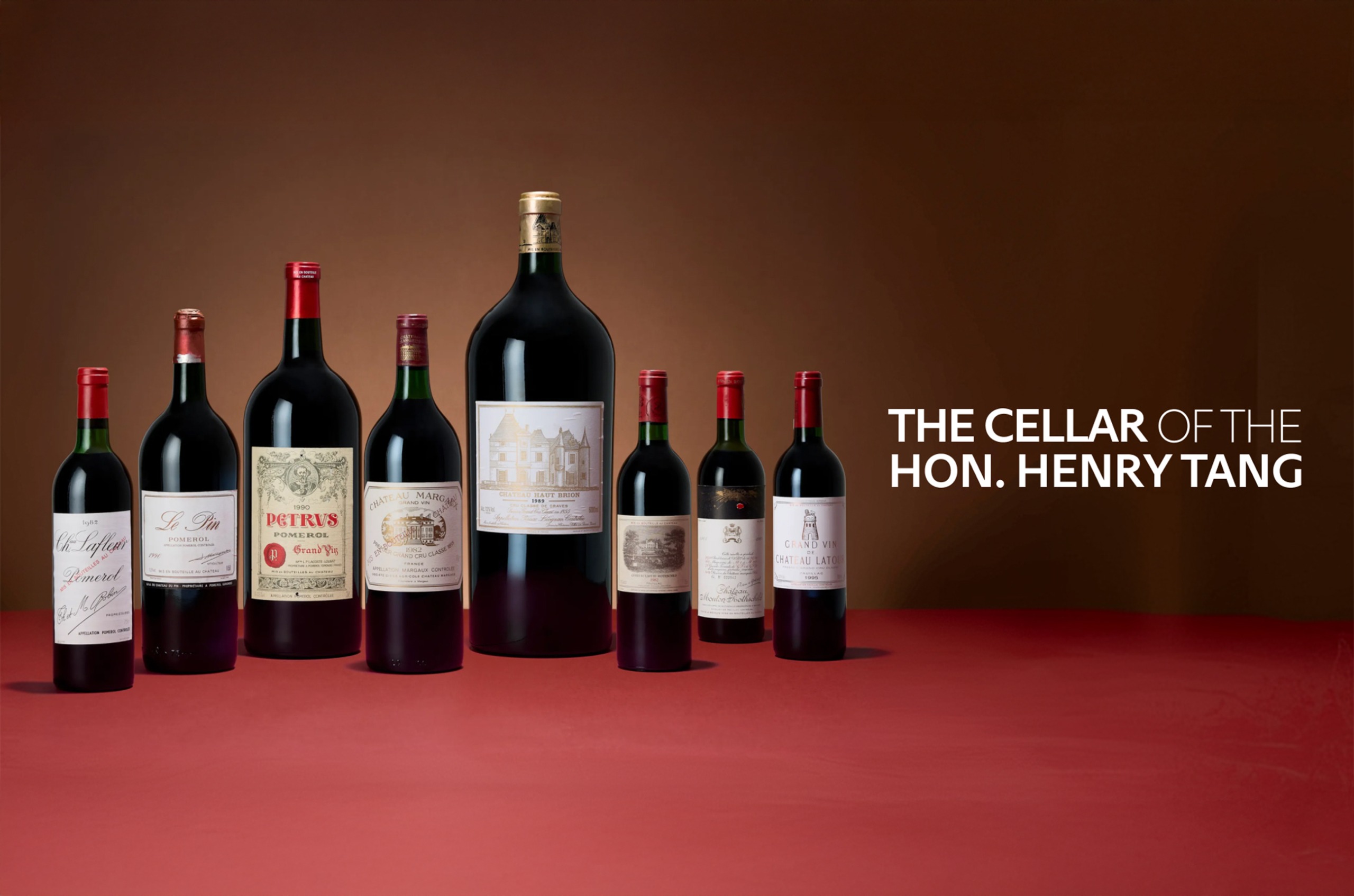 Christie’s to auction the cellar of the Hon. Henry Tang
Sponsored Featuring legendary wines...
-
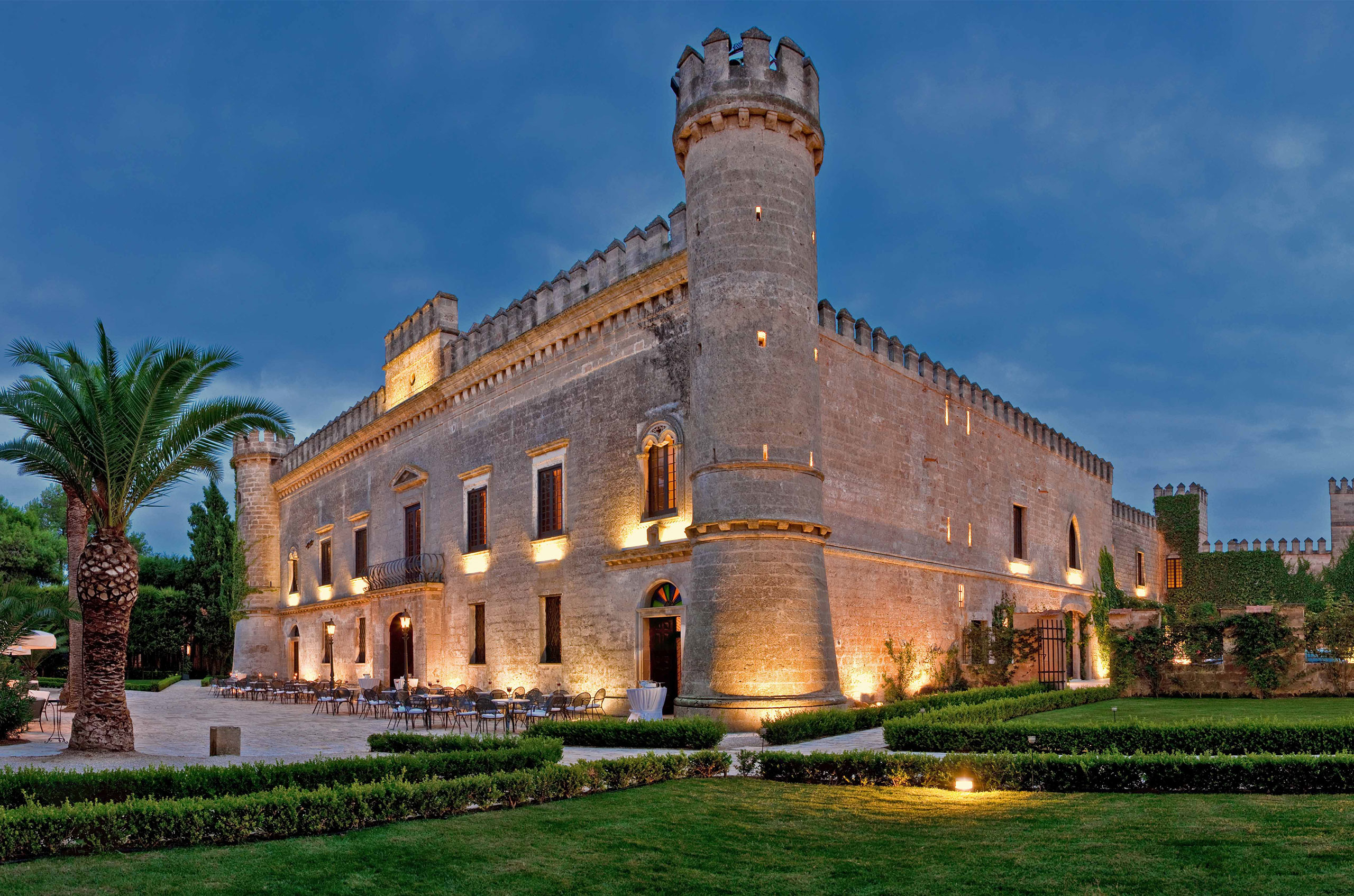 Castello Monaci: History and heritage in Salento
Sponsored Winemaking excellence in Puglia...


