

Nestled in the Langhe region of Piedmont in northern Italy, Asti straddles three picturesque provinces, which were granted UNESCO World Heritage status in 2014: Alessandria, Asti and Cuneo. The area has a long winemaking heritage, with over 10,000 hectares of vineyards, and the wines of Asti have been recognised as DOCG since 1993. Although they all have one grape variety in common, Moscato Bianco (Muscat Blanc à Petits Grains), a wide range of styles are made: dry, sweet, still and sparkling.

Moscato d’Asti
Moscato d’Asti has been made in this part of northern Italy for centuries. Today, it is vinified in large temperature-controlled tanks (autoclaves) that preserve Moscato’s fresh, floral character and trap the naturally produced carbon dioxide to give the wine a gentle prickle of bubbles. The liquid is cooled to stop fermentation prematurely, resulting in a low-alcohol wine with appealing sweetness, sumptuous body and wonderfully soft mouthfeel.
With its 4.5-5.5% alcohol, residual sugar of around 80 to 100g/l and delicate fizz of no more than 2.5 atmospheres (far gentler than the 4-5 of Asti Spumante), Moscato d’Asti is a unique and versatile wine that’s tied intimately to its history and works equally well as an aperitif or accompaniment to dessert.
In 2023, the subzone of Canelli was elevated to the status of its own DOCG, the newest in Italy, further enhancing the status of the wines of Asti and strengthening the bond between wine and territory. Canelli DOCG covers approximately 100 hectares, and wines made here must be 100% Moscato Bianco (compared to 97% for Moscato d’Asti DOCG and Asti Spumante DOCG). Grapes must be hand-harvested and grown between 165 and 500 metres above sea level. Canelli Riserva must be aged for a minimum of 30 months, at least 20 of which must be in bottle.
Moscato d’Asti Vendemmia Tardiva is a little-known offshoot of Moscato d’Asti: a late-harvest wine mostly found in the warmer areas of Acqui and Nizza, this rare treat is the product of the ripest, sweetest grapes, achieving a minimum of 11% alcohol and around 150g/l of residual sugar.

Asti Spumante
In 1865, in the town of Canelli, Carlo Gancia produced Italy’s first spumante wine – a metodo classico Moscato Bianco – inspired by a trip to Champagne. Thirty years later, in 1895, Federico Martinotti developed the Martinotti method to create sparkling wines faster and in large batches. Today, Asti’s diverse sparkling wines can be produced using either method; the former lends depth and complexity, with creamier tones of autolysis and longer minimum ageing, while the latter emphasises Moscato’s bright, youthful, floral-tinged fruits.

Asti Spumante is now made in dry as well as the traditional sweet style; the former resonates with contemporary tastes and pairs wonderfully with seafood or charcuterie, while the latter cries out for an indulgent panettone or creamy cheeses. With over 3,000 growers across 51 different towns and villages, Asti is guaranteed to have a style of wine to suit any occasion.
Discover more about Asti DOCG
Connect onFacebook | Instagram | X | YouTube
Discover more about Asti Vibes
Connect onInstagram

Read more about the wines of Asti DOCG:
Asti: Putting the sparkle back into the summer
Moscato d’Asti – A surprising match for culinary delights from the East

-
 Riesling wine quiz: Test your knowledge
Can you get a perfect score?...
-
 Why Irish whiskey loves sweet and fortified wine casks
Barrels used to age Marsala, Madeira and Sauternes have a special affinity with triple-distilled Irish whiskeys, thanks to a combination of history and distilling. This St Patrick’s Day, explore the sweeter side of drams from the Emerald Isle, with six great bottles to try.


-
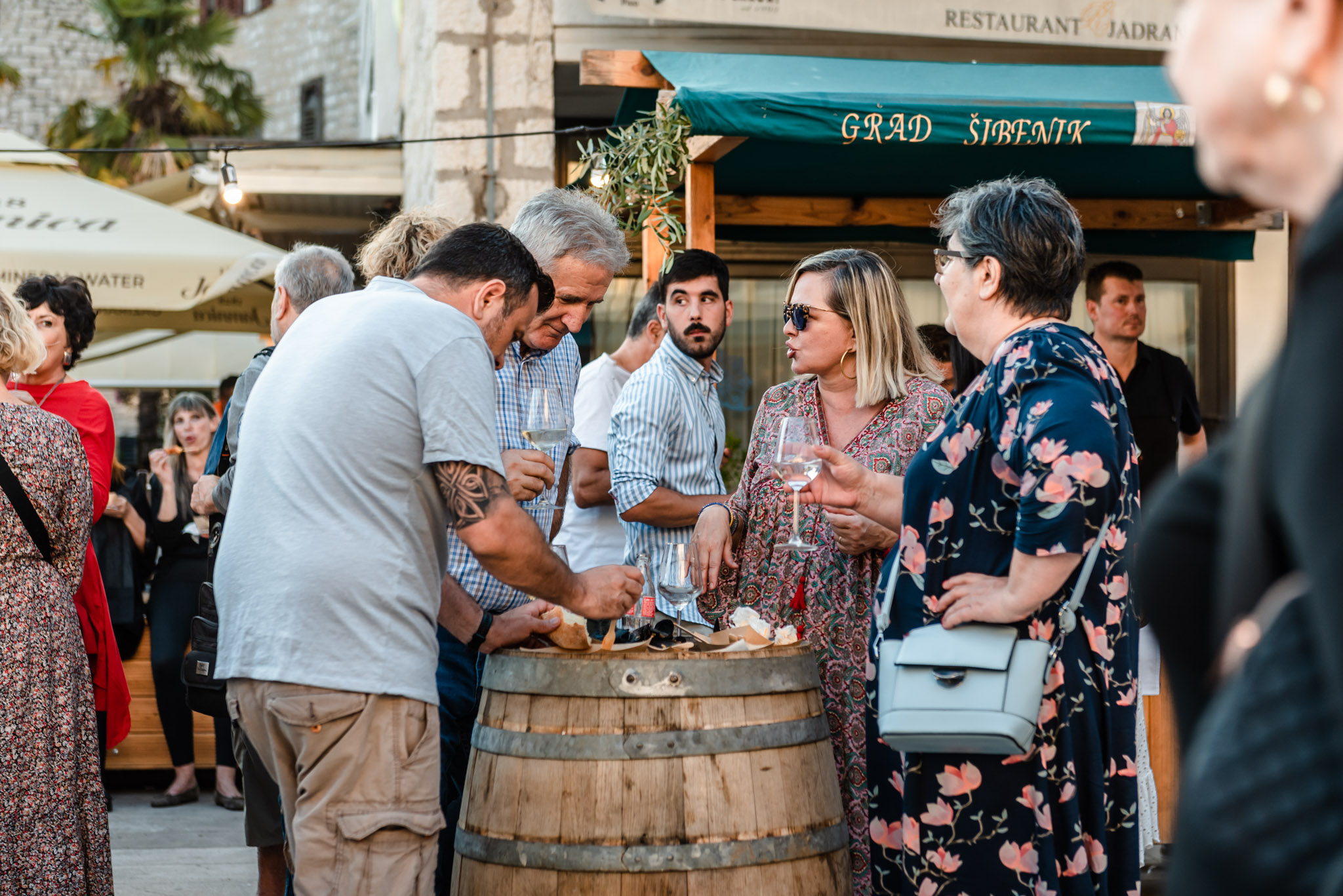 Marenda – A Dalmatian ritual
Sponsored Content What started as a work break has become a well-observed tradition in Dalmatia – one that pairs perfectly with local wine.
-
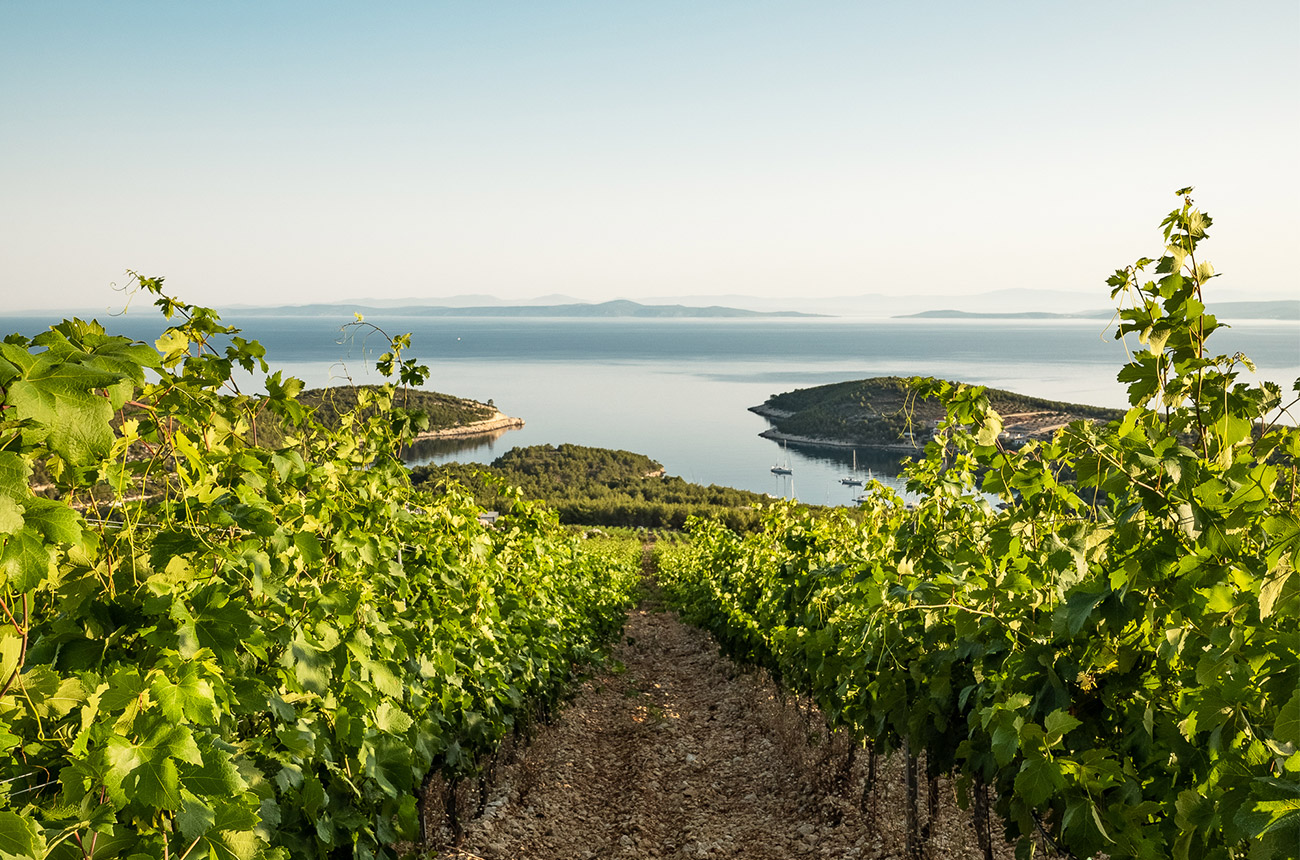 Dalmatia's hall of fame: DWWA winners
Sponsored Content Discover a selection of medal-winning Dalmatian wines from the Decanter World Wine Awards.
-
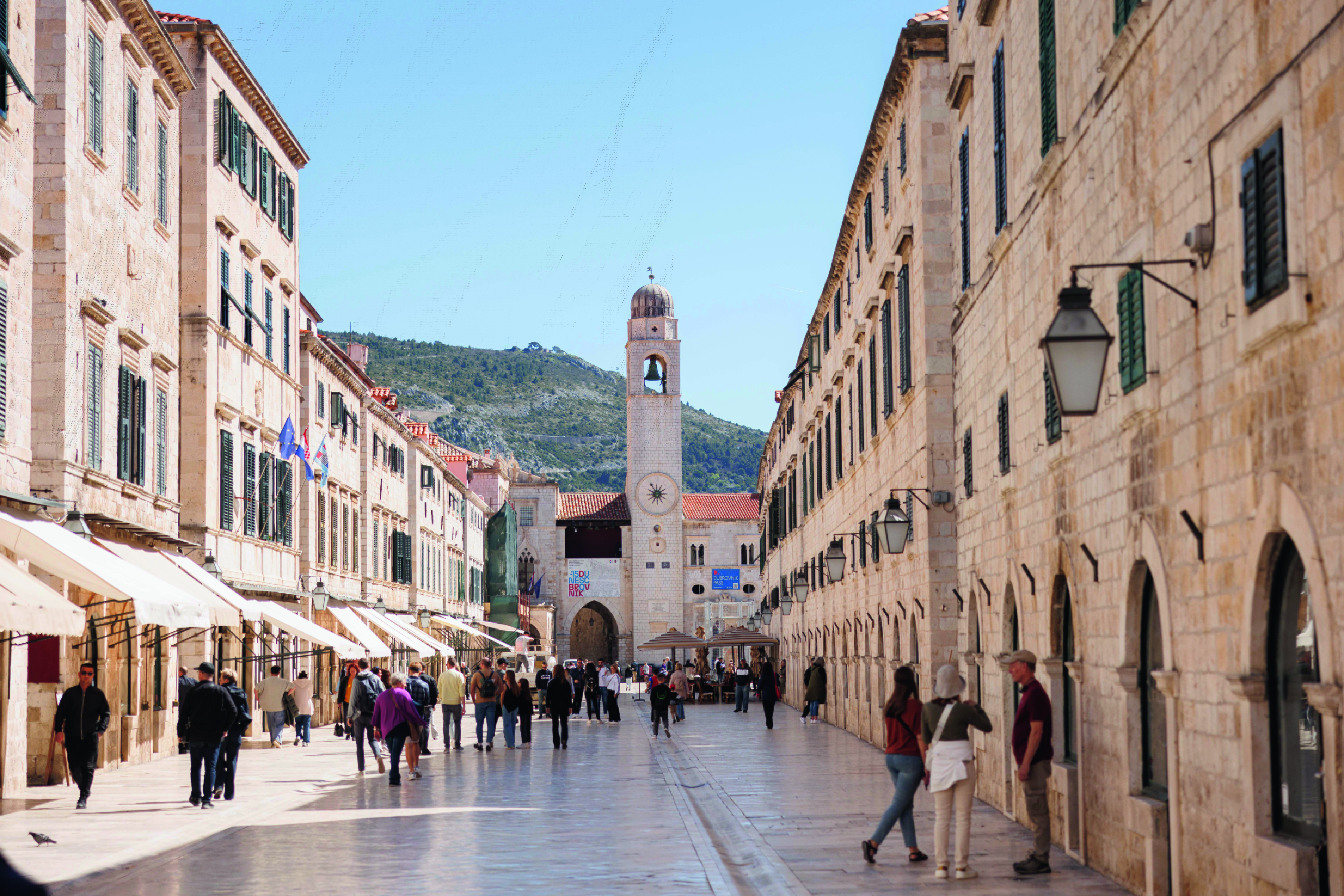 Pomalo: Dalmatia's answer to hustle culture
Sponsored Content A state of mind in Dalmatia, pomalo, which roughly translates as ‘take it easy’, sets the pace of life in this scenic region of Croatia.
-
 A Maldives paradise for wine lovers
The unique wine culture at OZEN RESERVE BOLIFUSHI extends well beyond its carefully curated list with expert tastings, creative pairings and unexpected discoveries to make lasting holiday memories.
-
 Shaping the future of wine & spirits: What’s new at ProWein Düsseldorf?
Sponsored content Returning on 15 – 17 March in Düsseldorf – discover what's new at ProWein in 2026...
-
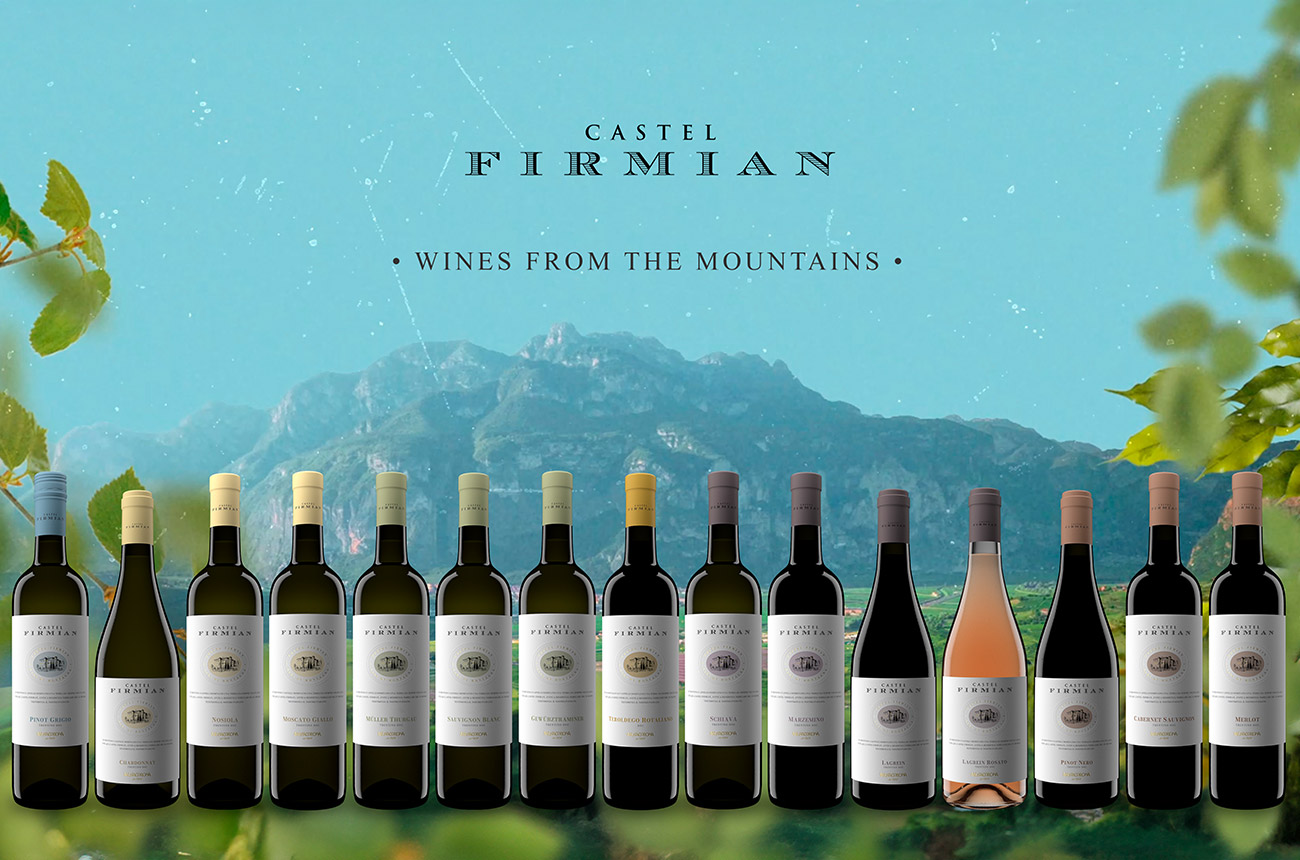 Castel Firmian presents a fresh new look with Wines from the Mountains
Sponsored Content The Trentino winery telling its story with a fresh rebrand...
-
 Toro: A tale of resilience, evolution and commitment
Sponsored Content This region’s past offers important clues on how to face present challenges...
-
 Juvé & Camps: Taking long-aged sparkling wines to new heights
Sponsored content Long-aged sparkling wines that express the craft of the winemakers...


