

Gazing out across steep hillsides, it’s easy to admire the hard work of Austria’s farmers. They labour year-round to reap a healthy harvest from a complex climate, buffeted by cool air from the north, moist Atlantic fronts from the west, continental influences from the east and Mediterranean effects from the south.
Those achievements are even more impressive because a quarter of Austria’s vineyards (some 10,524ha) are farmed organically, foregoing artificial chemicals in favour of natural solutions that are better for the soil and wildlife. That figure rose from 22.6% a year earlier, and from just 1.7% in 2000.
This puts Austria at the top of the global league table for major winemaking countries, far ahead of Spain (17.8%), France (17.4%) and Italy (14.6%). A total of 709 producers (accounting for 12,324ha) are certified by the Sustainable Austria programme as of November 2025, and 1,431ha are farmed by producers that hold biodynamic certification. The total vineyard area certified by the Sustainable Austria programme has more than doubled over the past six years, and now accounts for 28% of Austria’s vineyards.

One of the reasons Austria is so dedicated to environmentally-friendly viticulture is that 95% of its wineries are family-run. Parents want to ensure their children inherit one of the winemaking world’s greatest gifts: healthy soil. If vines can find the strength from their roots to fight off pests, they need less help from farmers.
Family farming coupled with strong statutes
The other reason caring for the environment sits at the heart of the vineyard is the way Austria’s winemaking legislation helps guide farmers. Austria’s laws go beyond European minimums.

For example, every Austrian farmer can only use a maximum of 4kg of copper per hectare each year to tackle fungal infections, while that figure falls to just 3kg for members signed up to Bio Austria’s organic accreditation scheme. In comparison, European Union legislation is less stringent, permitting 28kg per hectare over seven years, but with no annual restrictions.
This combination of family farming and strong statutes means a love for the environment runs deep within Austria’s winemaking DNA.

Read more:
Austria’s DAC system: Three little letters making a big statement
Discover more about Austrian Wines
Connect onFacebook | Instagram | YouTube


-
 Casa Real 2023: A South American icon
Sponsored A renowned Cabernet Sauvignon...
-
 Critical acclaim for Condado de Haza
Sponsored A coveted medal...
-
 The life and soul of Istrian winemaking
Sponsored The region's flagship grapes...
-
 Bringing the spirit of Rioja to the UK
Sponsored Spain's leading wine region...
-
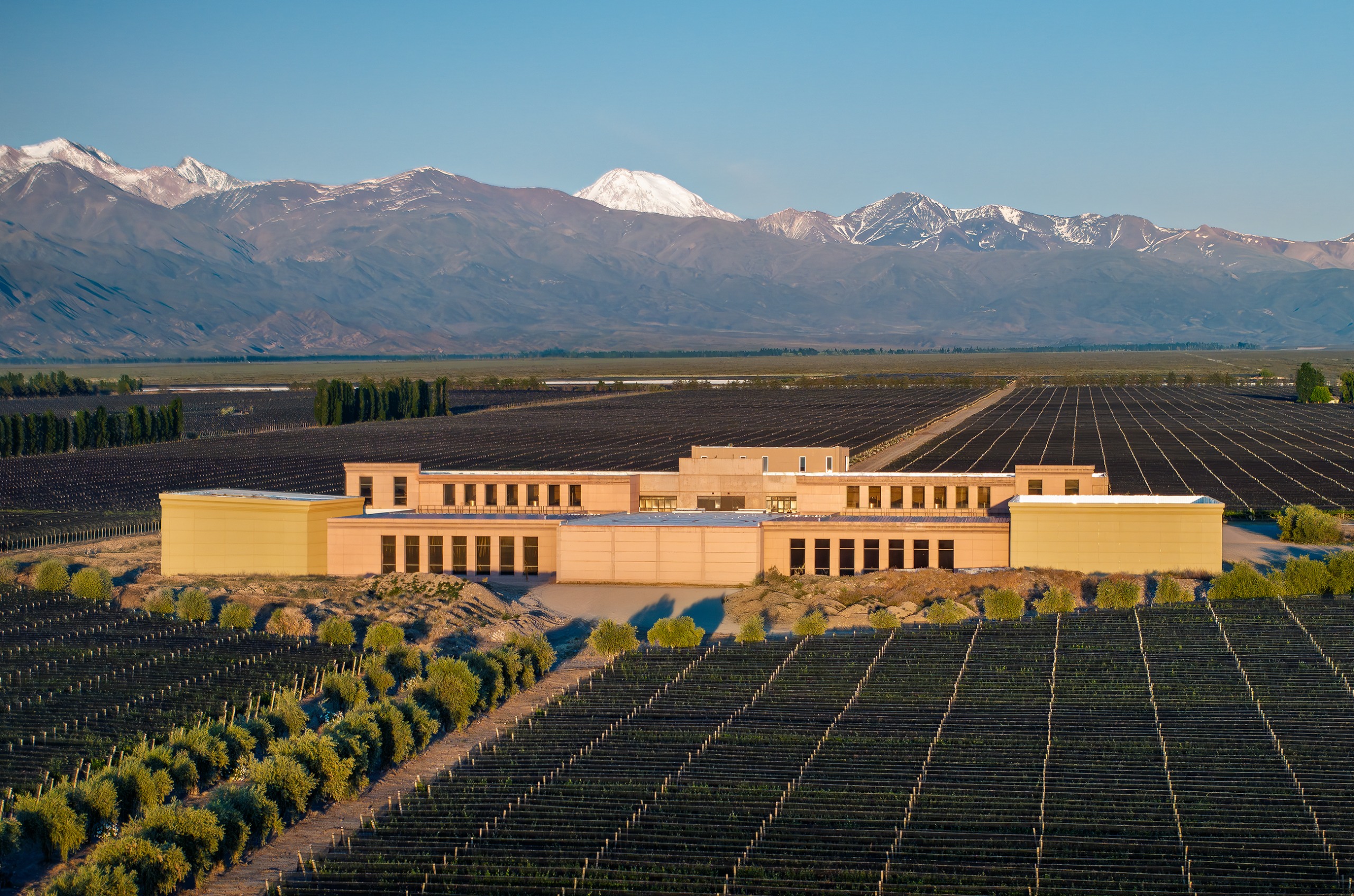 Apartado: Elegant interpretations of the Uco Valley from Rutini Wines
Sponsored The essence of the Uco Valley...
-
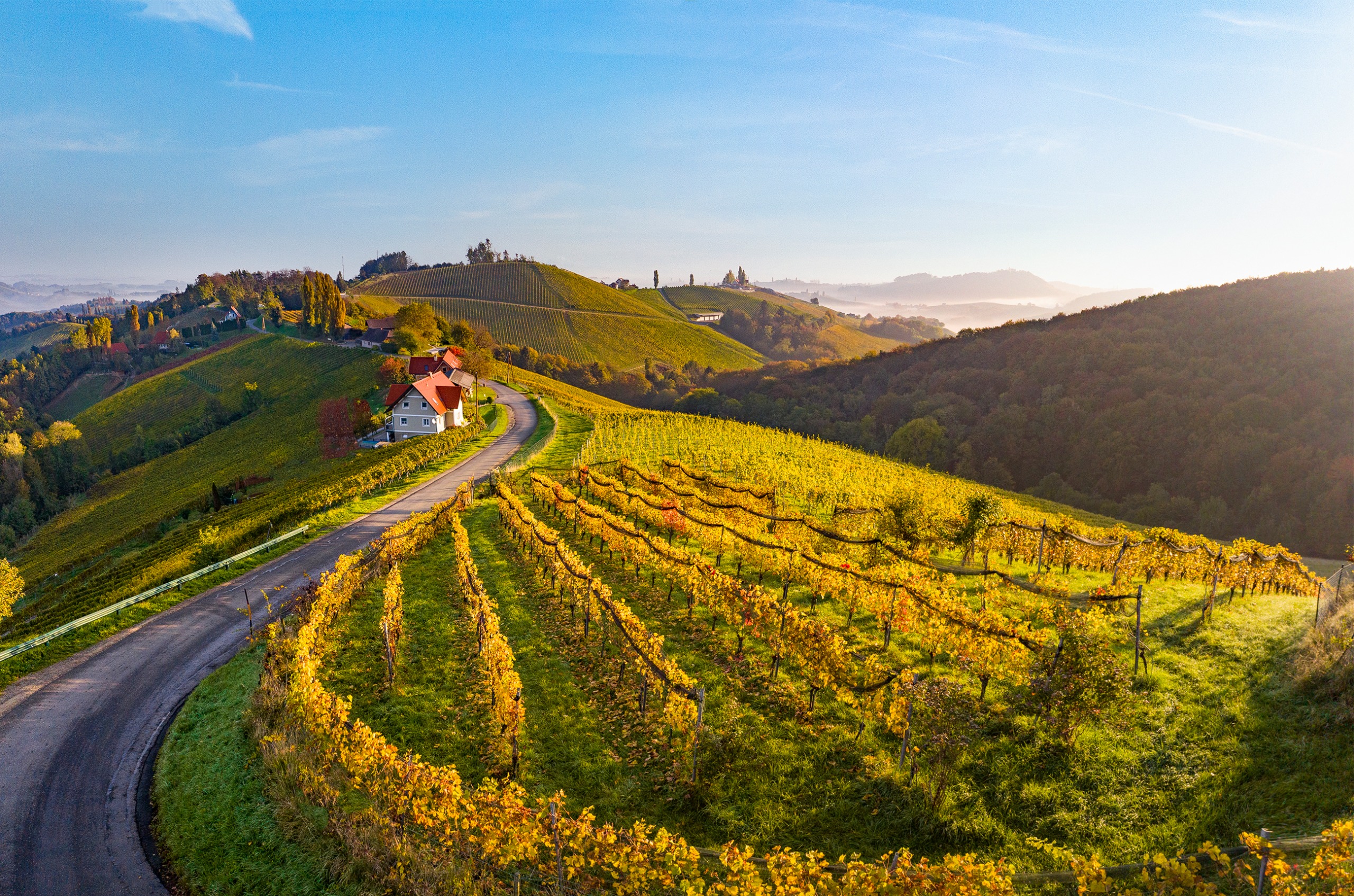 Award-winning wines from Austria
Sponsored Quality and diversity...
-
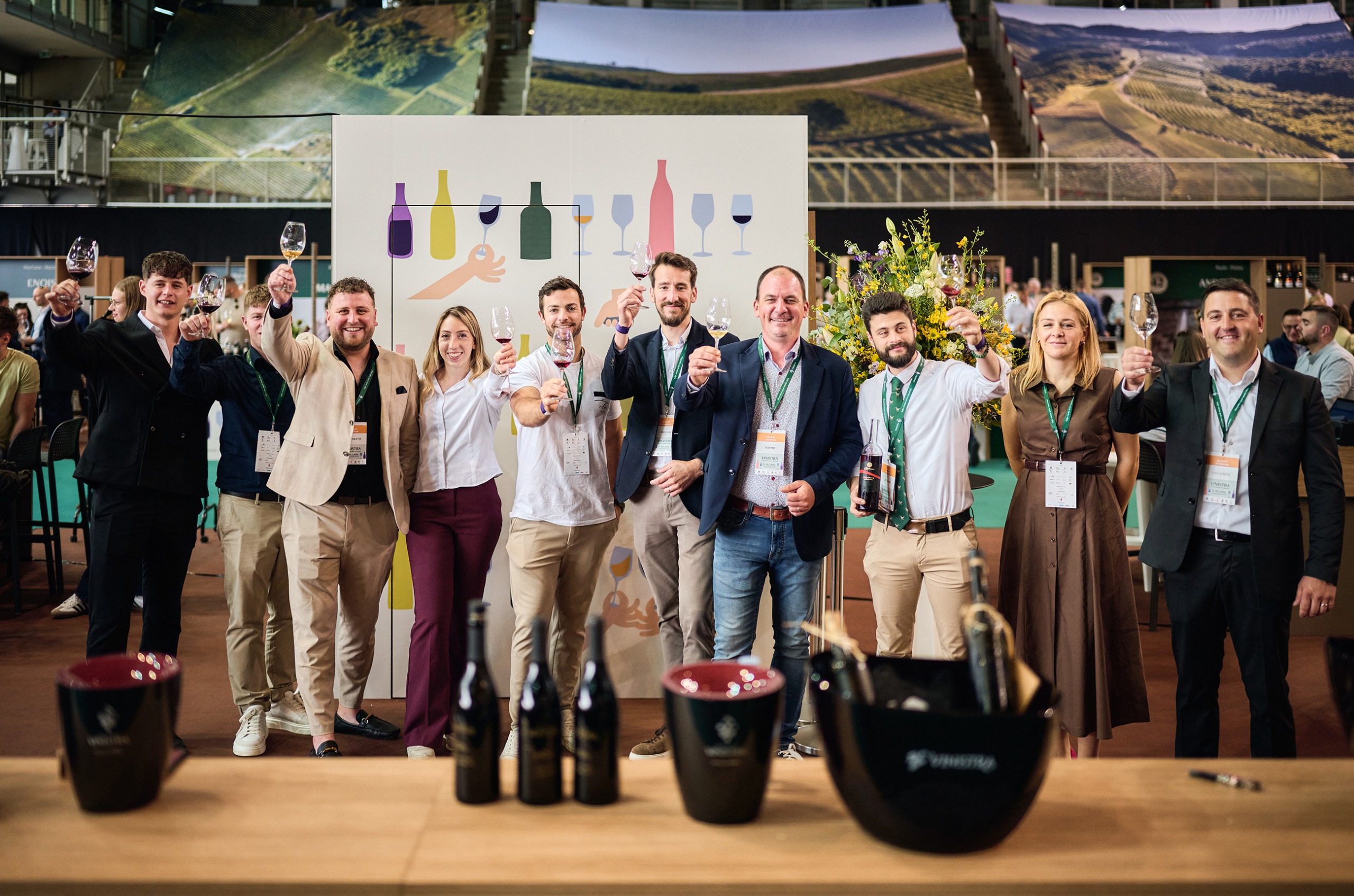 Gen V: The new face of Istria
Sponsored Taking Istria into the future...
-
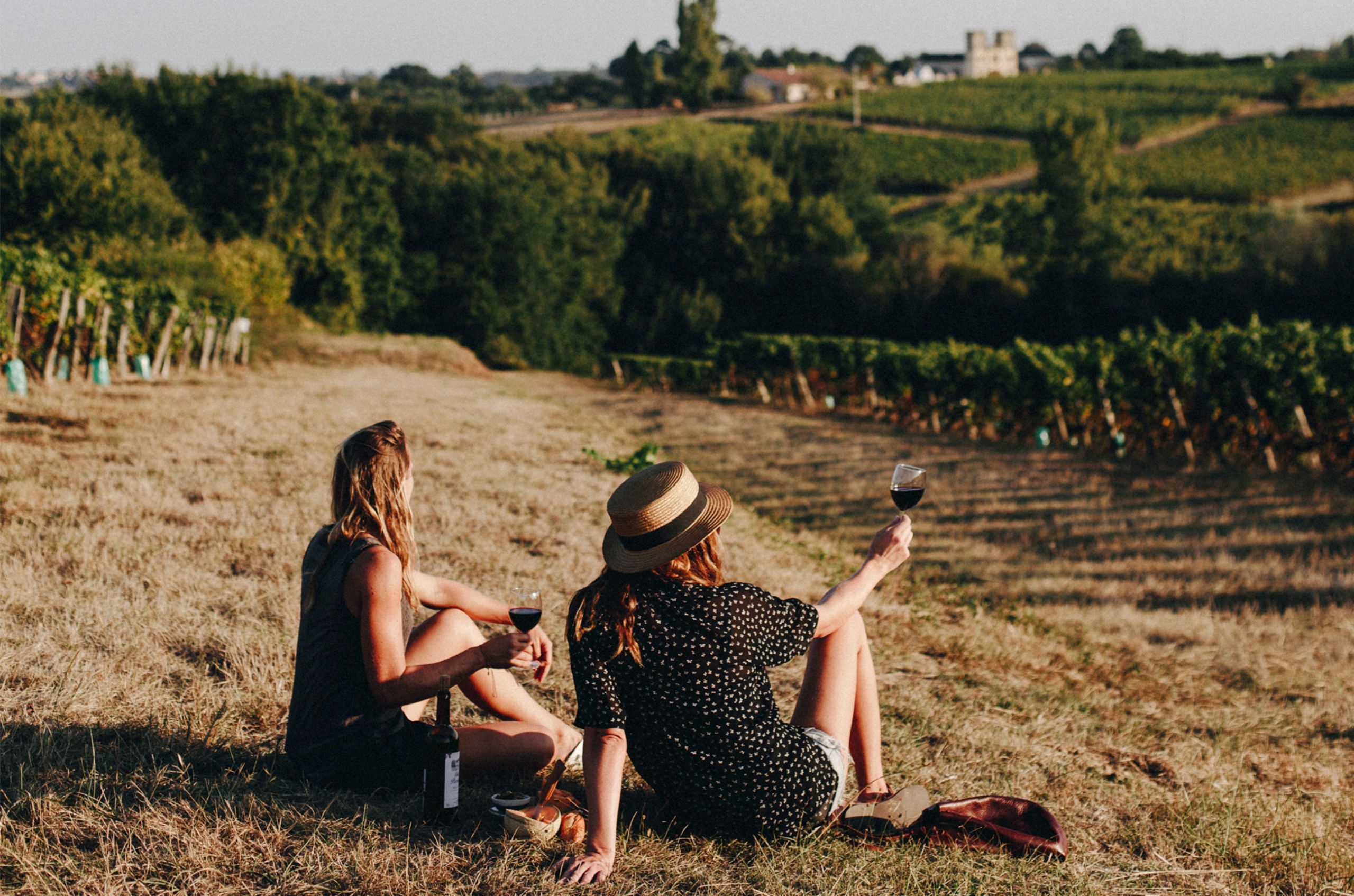 Bordeaux: One region, many voices
Sponsored Bordeaux reds in all shades...


