Jefford on Monday: Weighing up Gimblett Gravels


Andrew Jefford reviews progress in Hawke’s Bay’s red-wine hot spot.
One hectare to feed one sheep? It’s not much. Good-quality lowland pasture in the UK should support five sheep per hectare. I make this brief detour into husbandry simply to point out just how poor and stony this zone of Hawke’s Bay in New Zealand’s North Island is. In pre-vine days, the low sheep load made Gimblett Gravels the region’s cheapest land.
No one other than gravel extractors wanted it until the first Chenin Blanc and Müller-Thurgau vines were planted in the late 1970s – and for some time after. Pioneer Alan Limmer of Stonecroft had to fight a battle with quarrying company Fraser Shingle to get the area zoned for viticulture; he only won in 1992. The serious red-wine-making for which Gimblett Gravels is known today is just three decades old.
Every new wine-region needs a head-turning debutante. It was C.J.Pask’s 1985 and 1986 red blend, based on Bordeaux varietals, which played this role, sweeping awards at New Zealand’s national wine shows. Chris Pask had failed with Bordeaux varieties planted elsewhere in Hawke’s Bay: over-fertile soils created profuse canopies and unripe fruit. He thought he’d give the stony stuff a try – and it worked. It later emerged that this zone was just a little warmer than other parts of Hawke’s Bay.
For Premium members: See Andrew Jefford’s tasting notes for Gimblett Gravels 2015 red wines below
These early struggles gave the region a drive and a cohesiveness which resulted in ‘Gimblett Gravels’ becoming a communally owned trademark. There are no official sub-zones of Hawke’s Bay, so the trademark is a pre-emptive move and perhaps a model for other sub-zones elsewhere in the country to follow.
The 800-ha geographical zone was defined by ‘soil type and its interaction with mesoclimatic conditions’, and anyone with a vineyard lying at least 95 per cent inside the zone can apply to become a member. The zoning covers all the local gravel types, but excludes an area of pumice sands. If members want to use Gimblett Gravels name on a label, they must prove that 95 per cent of the grapes used for a wine come from within the zone.
‘No other controls over viticultural or winemaking methods are prescribed or indeed needed,’ the Association confidently announces. ‘Internal peer pressure and a natural competitive spirit along with the appropriate legislative controls will ensure basic quality standards are met and indeed advanced.’
For the last few years, the Association members have circulated a sample case selected annually by Andrew Caillard MW – an excellent idea, since the carbon footprint of a surface-shipped case of wine is much lower than transporting human palates around the globe. I last wrote about the case of 2013 wines back in January 2016, and since then have had a chance to look at the 2014 and, more recently, 2015 selections. The case is made up of Bordeaux blends and varietal Syrah wines, though the balance between the two groups varies each year. (This year a minority were under screwcap.) Tasting notes for the 2015 selection are given below, but here are a few general observations.
- Progress is being made. The 2012 case was a disappointing selection from a difficult year, but on my score sheet the 2013 case won an aggregate score of 89.83, the 2014 case 89.66 and the 2015 case 90.33. That’s a significant jump in a year. Not only do the 2015 wines carry none of the historical baggage of New Zealand reds (green notes; too much overt oak; over-insistent acidity), but they are attractive, well-crafted and deliver value for money.
- Love the purity. If you’ve never tasted a Gimblett Gravels red, what should you expect? Their hallmark for me is a limpidity, a cleanness of articulation and a purity of aroma and flavour which sits very happily with New Zealand’s national image as the environmental jewel (and bolt-hole) of the southern hemisphere. The wines are unintimidating and gratifying, as well as highly consistent. They brim with fruit – and it’s classy fruit, too, without obviousness or exaggeration. It has energy and drive as well as purity.
- Syrah trails the Bordeaux blends. Others may disagree, and the difference isn’t huge, but viewing the wines in the global context I find the Bordeaux blends more successful and compelling than the Syrah wines, with slightly more emphatic structures, more enjoyable and food-friendly balances and a more hinterland to the fruit. (This may be a question of vine age.) I’m glad to have both, though.
- Narrow aesthetic width. The flip side of their remarkable consistency is that the wines can come across as stylistically homogenous. As I tasted, I found myself longing for at least one crazy outlier in each sub-group: a wine evidently made by someone with unhinged ambitions or different aesthetic dream to push and shove the region’s potential around a bit.
- Structure, density, tannin. Anyone producing ambitious Bordeaux-blend reds anywhere in the world must take a look at the upper-echelon wines of two regions: Bordeaux itself, and Napa. In terms of price, they’re long strides ahead of the competition – and those prices are sustained, vintage after vintage, which means that consumers aren’t disappointed when they pull the corks.
I don’t see why those running Sacred Hill, Babich or Villa Maria shouldn’t hope, one day, to sell Gimblett Gravels Cabernet blends at the same price as middle-ranking Médoc classed growths or Napa Cabernets. If they’re going to do this, though, the wines will need more structure, density and tannic mass allied to impeccable full ripeness – more ‘authority’, if you like. The same goes for any producer of Syrah who might wish one day to compete head on with leading Rhône producers’ Cornas or Hermitage.
It’s important, of course, that every terroir finds its voice – but these structural elements are hallmarks of all of the world’s finest ageworthy reds. Vine age? Planting densities? Skin-optimising viticulture? Yields? Further use of whole-bunch for Syrah? Harvesting practices and fruit sorting? The style of extraction or the length of maceration? IPT analyses; a consulting gig? May it’s one of these; maybe it’s all of them – but that’s the next stage. Can Gimblett Gravels do this?
Tasting Gimblett Gravels Annual Vintage Selection 2015
Read more Andrew Jefford columns on Decanter.com
Trinity Hill, Syrah, Gimblett Gravels, Hawke's Bay, New Zealand, 2015
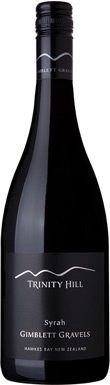

This translucent, deep red-purple wine is made with 25% whole-cluster fruit. It displays soft red and black fruits, with a meaty, vegetal note. The palate...
2015
Trinity HillGimblett Gravels

Villa Maria, Reserve Cabernet Sauvignon Merlot, Gimblett Gravels, Hawke's Bay, New Zealand, 2015
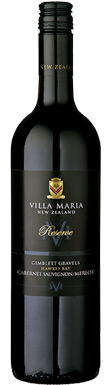
This blend of 70% Cabernet Sauvignon with 30% Merlot has an alluringly dark, brooding quality behind its perfumed fruit sweetness. The rich blackcurrant fruits have...
2015
Villa MariaGimblett Gravels
Mission Estate Winery, Barrique Reserve Cabernet Merlot, Gimblett Gravels, Hawke's Bay, New Zealand, 2015
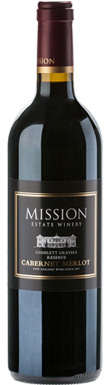
Mention of barriques on a front label fills me with trepidation, but this is not an over-oaked wine; the blend of 67% Cabernet and 33%...
2015
Mission Estate WineryGimblett Gravels
Ka Tahi Wines, Rangatira Reserve Syrah, Gimblett Gravels, Hawke's Bay, New Zealand, 2015
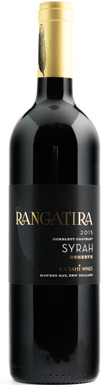
This Syrah is a deep black-purple in colour, and was the only wine among this group which seemed to have floral notes alongside the sweet...
2015
Ka Tahi WinesGimblett Gravels
Sacred Hill, Brokenstone, Gimblett Gravels, Hawke's Bay, New Zealand, 2015
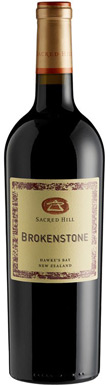
Like Babich, Sacred Hill managed two wines in this year’s selection, both of them cuvées which winemakers Tony Bish and Jenny Dobson say are only...
2015
Sacred HillGimblett Gravels
Babich, The Patriarch, Gimblett Gravels, Hawke's Bay, New Zealand, 2015
This blend of 51% Cabernet with 27% Merlot and 22% Malbec is dark black-red in colour, with sweet, warm, fresh and alluring scents of black...
2015
BabichGimblett Gravels
Sacred Hill, Deerstalkers Syrah, Gimblett Gravels, Hawke's Bay, New Zealand, 2015
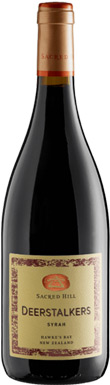
Deep but not opaque in colour, this Syrah has black fruits on which you can see a classy oak sheen, with fine spices rather than...
2015
Sacred HillGimblett Gravels
Stonecroft, Cabernet Sauvignon, Gimblett Gravels, Hawke's Bay, New Zealand, 2015

This Cabernet, from the first winery to be built in Gimblett Gravels, is dark in colour with fresh, attractive aromas combining dark black fruits and...
2015
StonecroftGimblett Gravels
Te Awa, Merlot Cabernet Sauvignon, Gimblett Gravels, Hawke's Bay, New Zealand, 2015
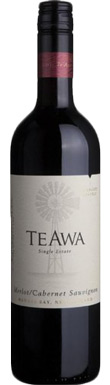
This blend of 70% Merlot, 18% Cabernet Sauvignon and 12% Malbec not only has a freshness to its currant and cherry fruits, but there’s a...
2015
Te AwaGimblett Gravels
Vidal, Reserve Syrah, Gimblett Gravels, Hawke's Bay, New Zealand, 2015
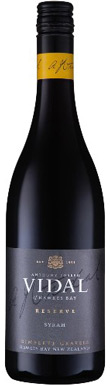
This zesty Syrah has lots of dancing, currant poise, purity and drama – there’s even a little lemon among the blackcurrants. This thirst-quenching wine tightens...
2015
VidalGimblett Gravels
Babich, Irongate Cabernet Merlot Franc, Gimblett Gravels, Hawke's Bay, New Zealand, 2015
This single vineyard wine is the second contender from Babich in this year’s selection – this time a blend of 51% Cabernet Sauvignon with 30%...
2015
BabichGimblett Gravels
