Japanese Koshu: History and top wines worth seeking out
Low in alcohol, crisp and delicate. Why is Koshu, Japan's native grape variety, gaining a following?


Known for its subtle, semi-aromatic character and, increasingly, its versatility, Koshu has been gaining attention in Western markets with limited but growing distribution in the UK and US.
From the classic crisp and ethereal style to more textured ‘sur lie’ expressions, the pink-skinned grape is now used to produce a wide range of wines, including sparkling and orange.
The best examples are earning top awards at international competitions. The most recent was the 2024 Decanter World Wine Awards, where Suntory’s Tomi Koshu 2022 became the first Japanese wine to achieve the top accolade – Best in Show. Koshu Misawa Vineyard, the flagship cuvée from boutique family producer Grace Wine, was also among Decanter’s top-scoring wines last year.
Scroll down to see 13 Koshu wines to try
Read on to explore the history of Koshu and discover 13 Koshu wines worth seeking out, recently tasted at the annual Koshu of Japan event in London.

Yamanashi, home of Koshu
Koshu is a native Japanese grape variety that has been grown domestically for centuries, but has only been used for winemaking since 1874. It was considered to have originally come from China via the Silk Road, according to the domestic trade organisation, Koshu of Japan.
The name ‘Koshu (甲州)’ comes from the ancient kingdom of ‘Kai (甲斐)’, which is located in the area now known as the Yamanashi prefecture. It now covers 480 hectares (ha) of vineyards in Japan, with 95% grown in the Yamanashi prefecture, in the shadow of Mount Fuji.
According to local legend, there are two tales about how the Koshu grape was discovered.
The first is that during the Nara period (AD 710-784), a well-respected monk named Gyōki had a dream of Bhaisajyaguru (the Buddha of healing and medicine), who was holding a bunch of grapes. Gyōki made a wooden sculpture depicting what he saw and on his way to deliver the sculpture to Daizenji Temple in Katsunuma town, he discovered a grape vine. Assuming this was a divine gift, Gyōki used it for medicinal purposes.
The other version of the story is less mysterious. In 1186, a Katsunuma villager named Kageyu found an unusual species of wild grape on his way back from a religious ritual. He took the seeds and planted them in his own farmland. Five years later, the vine finally started to produce purple-red fruit. Legend has it that Kageyu presented the Koshu grape to Minamoto no Yoritomo, the first Shōgun of the Kamakura government.
Koshu was seen as a table grape for centuries, until 1870, when a monk and a businessman joined forces to start making wine in a temple. They decided to give winemaking a try as they had seen Westerners drinking grape wine in Yokohama, then a major port and base of foreign trade in Japan.
Inspired by the soybean press used for making miso paste, they brought in their own wooden hand press, as well as large sake barrels to store their wines.
In 1877, Katsunuma established its own winemaking company literally named ‘the Great Japanese Wine (大日本葡萄酒会社)’, and sent two young pioneers, Takano Masanari (高野正誠) and Tsuchiya Ryuken (土屋龍憲), to study viticulture and oenology in France. This move marked the dawn of modern winemaking in Japan, as recorded by the official textbook of Japan Sommelier Association.

Viticulture
In 2004, UC Davis conducted DNA research on Koshu and confirmed its status as vitis vinifera. It is believed to have travelled from Europe via the Silk Road to China and then to Japan.
The vast majority of Koshu grapes are produced in Yamanashi – Japan’s ‘Home of Fruits’ at the foothills of Mount Fuji – which features volcanic soils with clay, gravel and silt.
In his 2023 Expert’s Choice, Hayato Kojima reported a production of 3,300 tonnes in the region in 2018, based on figures provided by Japan’s national tax agency – although not all of the production is used for winemaking.
According to the prefecture’s official site, the region had 400ha of Koshu grapes planted by 2015.
Being a major fruit-producing region in Japan for over 1,000 years, Yamanashi is one of the driest regions in the nation. Even so, the average rainfall in Katsunuma town can reach over 1,000mm per year, with nearly 80% of that falling during the growing season.
Sufficient rain, combined with a high-vigour grape variety, makes yield control difficult for growers.
Traditionally, both issues are addressed by training the vines high above the ground on an X-shaped pergola system, with long cordon pruning applied as a more recent, easier-to-manage alternative. Pioneering producers such as Grace Wine and Suntory’s Tomi no Oka Winery are also trialling a vertical shoot positioning (VSP) system, and are already achieving impressive results.
Although Koshu grapes have thick skins, to better protect them from continuous rain, traditionally growers adorn individual bunches with ‘hats’ (mostly made from wax paper), showcasing an incredible display of attention to detail. Modern methods such as overarching plastic rain covers are also used as a less labour-intensive way to keep these pinkish bunches dry and healthy.

Flavour profile
For much of its history, Koshu was crafted as a sweet and fruity wine – until the 1980s, when local producers began exploring drier expressions and ‘sur lie’ styles.
A delicate, semi-aromatic grape, Koshu typically lends itself to refreshing still and sparkling wines with subtle notes of yuzu, kabosu (Japanese lime), pear blossom and steamed rice. Its bright yet unobtrusive acidity lends a sense of purity and finesse.
When aged on the lees or in used barrels, Koshu gains body, texture, more umami depth and even a gentle grip. Extended skin contact reveals more red fruit characteristics, often taking on an orange hue.
Winemakers tend to eschew excessive new oak, allowing the grape’s pristine, understated elegance to shine.
With its elegant profile, Koshu is a natural companion to seafood and the more subtle, umami-rich Japanese dishes – with sushi and tempura among the top options.
Koshu wine: 13 bottles to try
Recommended articles
Grace Wine: From the Foothills of Mount Fuji
Wines of the Year 2024: Around the world
Tempura and wine: Pairing advice
Lumiére, Sparkling Koshu, Ichinomiya, Yamanashi, Japan, 2021
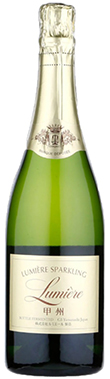
90
The origin of Lumière can be traced back to the Furiya Winery, founded by a local lord in 1885. This zero-dosage sparkling Koshu has seen 20 months of ageing in bottle. Bruised red apple and touches of sweet spices on the nose. Zingy freshness (acidity at 4.7g/l) adds to brioche, yuzu and green fruits on the palate, leading to a clean, nutty finish.
2021
LumiéreIchinomiya
Grace, Koshu Misawa Vineyard, Yamanashi, Japan, 2023
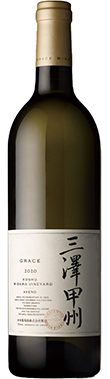
95
Volcanic soils and vertical-shoot pruning allow the high-altitude Misawa Vineyard to showcase this century-old family producer's 'complete style', as winemaker Ayana Misawa puts it. The 2023 vintage was fermented using indigenous yeast and aged in neutral French oak barrels with malolactic fermentation. A distinctly more complex, richer expression of Koshu, featuring tropical mango, alongside candied tangerine peel, citrus blossom and mint aromas. These continue on the round, textured palate, alongside orange oil and nutmeg-seasoned yuzu. Spiced and savoury, with a spine of minerality and fresh acidity, leading to a profound finish of dried mango, crushed almonds and melon.
2023
Grace
Suntory, Tomi Koshu, Yamanashi, Japan, 2023
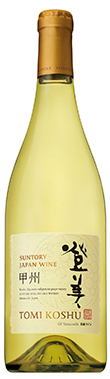
94
To be released in 2025, the Tomi Koshu 2023 is the estate's first vintage to be produced without chaptalisation (common for the region). A pretty, floral nose of Nashi pear, white blossom and nectarine. Elegant, creamy and textured on the palate with discreet yuzu zest and white fruits, dusted with white pepper. Poised with lovely concentration. No oak influence in this wine.
2023
Suntory
Grace, Koshu Hishiyama Vineyard, Yamanashi, Japan, 2023
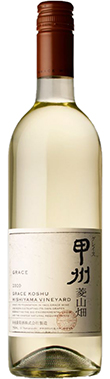
93
The Hishiyama vineyard features mineral granite soils, and this whole-bunch pressed wine was fermented and aged in stainless steel tanks. It has a complex nose of orange essential oil, yuzu peel and white peach. Savoury on the palate with green and more white fruits, delicate and balanced with an oily texture. Lime and touches of sweet spices lead to melon and umami notes on the long finish.
2023
Grace
Iwasaki Jozo, Chateau Honjyo Koshu Sur Lie Utatane-wa, Katsunuma, Yamanashi, Japan, 2022
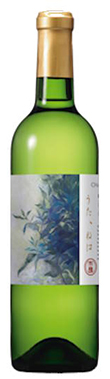
93
Iwasaki Jozo was established in 1941 by 130 grape growers who acquired a license to make wine. The Utatane-wa Koshu was aged in stainless steel tanks on its lees. Yuzu, melon and hints of savoury cream on the nose, alongside notes of golden apple peel. Batonnage gives the wine a rich, oily mouthfeel and adds nutty depth to the citrus fruits, with touches of red berries. Concentrated and long.
2022
Iwasaki JozoKatsunuma
Lumière, Koshu Hikari Sur Lie, Yamanashi, Japan, 2023
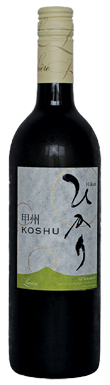
93
Fresh pear, yuzu and green fruits are enriched by green tea and whiffs of cream. Aged on lees for seven months in stainless steel tanks, the 2023 vintage is bone dry, featuring mineral freshness and yuzu zest. Poised and savoury, with just a touch of grip towards the finish.
2023
Lumière
Kurambon Wine, N Koshu, Yamanashi, Japan, 2023
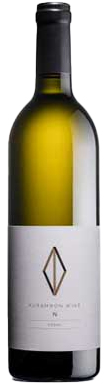
92
The Katsunuma-based winery first started producing wine in 1913. The N Koshu (N stands for natural) is crafted using grapes from the winery's own organic vineyards. Fermented with indigenous yeast, partially in used French oak, and bottled unfiltered, it showcases a creamy nose of bruised red apple and blood orange. A concentrated palate of sweet apple peel, yuzu and crushed nuts leads to a long finish, with umami depth lingering on.
2023
Kurambon Wine
Manns, GI Yamanashi Koshu, Yamanashi, Japan, 2023
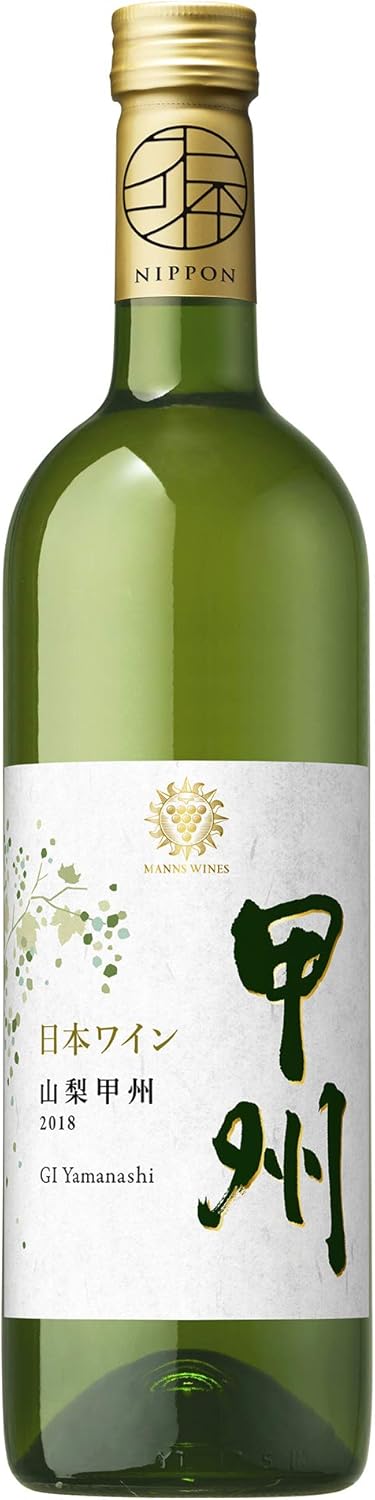
92
Fresh and floral, the 2023 vintage features aromas of yuzu, steamed rice and subtle hints of savoury butter. Juicy star fruit, lime and green apple on the palate, with bright acidity (6.6g/L). Elegant and saline, it has a gentle grip from five to six months of ageing on lees.
2023
Manns
Katsunuma Jyozo, Aruga Branca Issehara Koshu, Yamanashi, Japan, 2023
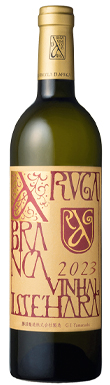
91
Founded in 1937, Katsunuma Jozo became one of the first Japanese producers to export its wines to the EU through a partnership with Château Pape Clément. Its flagship wine, Aruga Branca Issehara is a single-vineyard Koshu sourced from sandy soils. The 2023 vintage features a smoky, grassy nose of green fruits and gooseberry. Aged in stainless steel tanks, it highlights the saline and mineral qualities of Koshu, with elegant and subtle lime and green zest. Clean and refreshing.
2023
Katsunuma Jyozo
Château Mercian, Koshu Amicis, Yamanashi, Japan, 2024
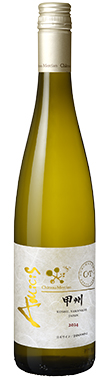
91
Amicis ('Friends' in Latin) is crafted by winemakers from Chile's Concha y Toro and Japan's Château Mercian as part of a collaboration between the two wineries. Fermented and aged in stainless steel tanks, it showcases a fragrant nose of rose, lychee and jasmine, underlined by peardrop and peach. The palate offers juicy white fruits, leading to a hint of apple-peel bitterness and a soft, mellow texture, with notes of lemon tart.
2024
Château Mercian
Château Mercian, Iwasaki Koshu, Katsunuma, Yamanashi, Japan, 2023
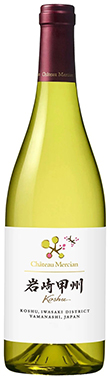
90
Sourced from the clay and gravel soils of the Iwasaki area (a historical home of Japanese wine), this Koshu was fermented and aged in large, used oak barrels. Fresh golden apple, yuzu and white peach on the nose, with more green fruits and yellow citrus zest on the palate, leading to dried tangerine peel and a hint of nuts on the finish.
2023
Château MercianKatsunuma
Fujiclair, Ginka Koshu, Yamanashi, Japan, 2023
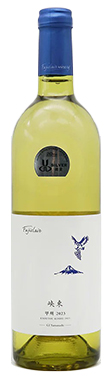
88
The name Ginka 吟果 suggests a refined selection of fruits. This is whole-bunch pressed and fermented using wild yeast, without chaptalisation, then aged sur lie and bottled without filtration. At 9.5% alcohol, this 2023 vintage boasts aromas and flavours of steamed rice, creamy yuzu and peardrop, alongside hints of osmanthus blossom. Ripe and fresh with a honeyed finish, it's simple yet delivers plenty of pleasure as a food wine.
2023
Fujiclair
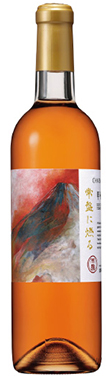
Iwasaki Jozo, Chateau Honjyo Koshu Fermented on Skin Tokiwa ni Moyuru, Katsunuma, Yamanashi, Japan, 2022
89
An orange Koshu produced by macerating the wine on skins for 13 days and then aged partially in old oak barrels. Caramelised red apple, strawberry and cherry candy on the nose. A pinch of sweet spices add to the palate of red apple and nutty, umami notes, supported by extracted grip and lifted by good freshness (5.9g/L).
2022
Iwasaki JozoKatsunuma
