Polish wine: Five things to know – and 17 wines to try
After a turbulent history, the nation’s small but fast-growing cool-climate wine scene is finding its feet.


Can wines be made in Poland?
The short answer is yes – but that answer has come with a few caveats throughout history.
The first traces of viticulture in Poland date back more than 1,000 years, with vines initially cultivated by monasteries for religious purposes and wine enjoyed largely by the social elite. Viticulture gradually took root across Poland during the Middle Ages, particularly in the west and south, including around Zielona Góra in today’s Lubuskie and across Silesia. Over time, wine became increasingly popular beyond religious rituals.
From the 16th century onwards, however, a cooling climate (‘The Little Ice Age’) made viticulture increasingly challenging. Wars, economic and social changes brought further disruption over the following centuries, while the two World Wars and the communist era almost wiped out wine production in Poland.
The modern revival of Polish wine finally began in the 1980s, helped by a warming climate. Pioneer Roman Myśliwiec experimented extensively with grape varieties suited to Poland’s challenging conditions and promoted PiWi (fungus-resistant) grapes among fellow growers. From the early 2000s, producers increasingly turned to Vitis vinifera varieties, laying the foundations for the nation’s quality wine production as we know it today.

Winnica Turnau's lakeside vineyard in Baniewice
How much wine and where?
There are now more than 700 registered wine growers and producers in Poland, according to Krajowy Ośrodek Wsparcia Rolnictwa (KOWR, National Support Centre for Agriculture).
These producers spread across all 16 voivodeships (administrative regions) – an astonishing increase from merely three legally registered wine producers in 2009, helped by more wine-friendly legislation introduced in 2008, which made it easier for small growers to produce and sell their own wines.
Today, around 1,100ha of currently productive vineyards (that’s less than Pauillac!) are registered for winemaking (according to KOWR), mostly farmed by small-scale family operations, with new vineyards appearing every year. There are some relatively substantial producers, too – among the biggest are Winnica Warto, with a new 43ha vineyard near Poznań; Winnica Dom Charbielin, with 42ha in southwest Poland near the Czech border; and currently the biggest producer by volume, Winnica Turnau, whose 41ha vineyard lies in West Pomerania.
With its modern wine industry only revived over the past few decades, Poland does not yet have clearly defined wine regions in the way many of its Old World neighbours do. But a wine map is beginning to emerge, with vineyards concentrated particularly along the country’s western and southern reaches, as well as in central Poland and along its longest river, the Vistula.
What are the key grapes?
Given the severe winter temperatures, it’s unsurprising that the German-bred PiWi grape Solaris is by far the most planted wine grape in Poland. Other popular white grapes include Riesling, Chardonnay and other PiWi varieties such as Souvignier Gris and Johanniter.
From citrusy sweet wines to peachy dry whites and bright sparklers, Solaris is made in a wide variety of styles. Young plantings of Riesling are also starting to show serious potential, with the best examples offering honeyed citrus and floral character, backed by the variety’s hallmark freshness.
For reds, Pinot Noir has recently become the most widely planted red wine grape in Poland according to KOWR, with the top wines showcasing delightful berry fruit and an ethereal lightness. It is followed by the PiWi grapes Regent, Cabernet Cortis and Rondo, while there are also small plantings of Zweigelt.
The sparkling ambition

French winemaker and consultant Guillaume Dubois, a traditional-method sparkling wine advocate
Then known as Grünberg, Zielona Góra in Lubuskie was home to Grempler & Co, established in 1826 and one of the first wineries to produce German Sekt. This historic wine hub was home to at least 150 wine cellars, while archaeologists estimate that, at its peak in the 1860s, there were around 2,000 vineyard plots covering an area of 1,400ha, according to records held by Muzeum Ziemi Lubuskiej (Lubusz Land Museum).
Although that number is now down to merely 40–50 plots, sparkling wine has been revived and refined as almost a local speciality over the last decade, driven by advocates such as French winemaker and consultant Guillaume Dubois and a passionate younger generation of producers.
Today’s top sparkling wines from Lubuskie tend to be made using the traditional method, with Riesling often playing a substantial role in the blend alongside the Champagne varieties, which Dubois believes hold the greatest quality potential in the still-challenging local climate – winter temperatures can drop below -20°C. Lovers of English sparkling wines might find plenty of similarities in their razor-sharp acidity and bright fruit characters.
Where to go for a day’s wine trip?

Bartek Gruszka, President of the Tłocznia Foundation, showcasing how an underground cellar was restored in Zielona Góra.
As part of its ongoing projects, the Tłocznia foundation has been working to clear and refurbish the city’s old wine cellars. Among the 150 discovered so far, more than 30 are currently in use – some converted into vibey event venues, restaurants and shops – while another 20 are being restored. The oldest cellar found so far lies beneath the town hall and dates back to the 15th century.
Take a glass with you (included in the festival package) for a walk around the old town, looking out for miniature Bacchus sculptures on every corner. You can choose from multiple cellar-hopping routes that include concerts, opera performances, art displays, stand-up comedy and food pairings. Winemakers will be waiting inside the cellars to pour their wines and share their stories, too, and you can buy your favourite bottles directly from them.
Getting there: For international visitors, the easiest gateway is Poznań, around two hours from Zielona Góra by car or direct train, with direct flights from London and other major European cities.
Read more about Polish wine: W. Bońkowski MW, M. Nowicki, T. Prange-Barczyński, Polish Wines: A Guide to Over 400 Wineries, Warsaw 2024
17 Pollish wines to try

Agnieszka and Grzegorz Runowski of Winnica Macinowice
Related articles


Winnica Gostchorze, Gost Art, Lubuskie, Poland 2022
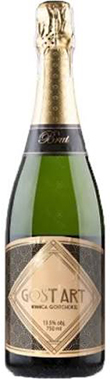

Crafted by Poland's traditional-method sparkling wine pioneer Guillaume Dubois, a French winemaker of Polish descent. This bottling spent three years on lees, exuding a rich,...
2022
Winnica Gostchorze

Winnica Pod Wieżą, ChaRie Brut, Lubuskie, Poland 2022
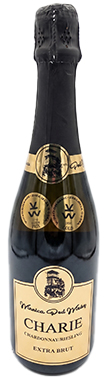
A traditional-method sparkling wine crafted from a blend of Riesling (75%) and Chardonnay by Winnica Pod Wieżą ('Vineyard under the Tower'), established in 2015 near...
2022
Winnica Pod Wieżą
Winnica Warto, Metoda Tradycyjna Brut, Warta Valley, Greater Poland, Poland 2023
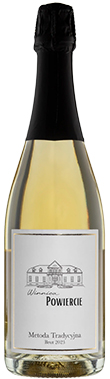
Crafted by Winnica Powiercie (now Winnica Warto), this traditional-method sparkling wine is made from the PiWi grape Souvignier Gris. Hints of flour and toast, creamy...
2023
Winnica WartoWarta Valley
Kamil Barczentewicz, Chardonnay Béton, Poland 2023
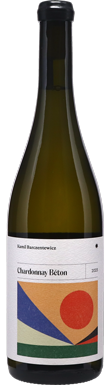
If you're new to Polish wine, 1) join the club; 2) this concrete egg-fermented Chardonnay may surprise you. The pick of a trio of wines...
2023
Kamil BarczentewiczWine of Poland
Stara Winna Góra, Znad Pradoliny, Lubuskie, Poland 2023
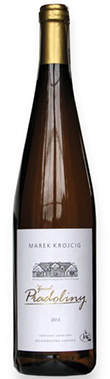
Generous chamomile blossom, beeswax and freshly picked orchard fruit on the nose. Bright and complex on the palate, with green apple and acacia honey, singing...
2023
Stara Winna Góra
Winnica Marcinowice, Riesling Półwytrawny, Lubuskie, Poland 2022
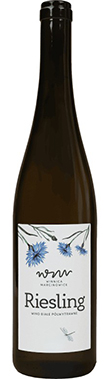
A perfumed, petrol-scented nose with a gorgeous bouquet of dried flowers. Full malolactic fermentation gives the Riesling greater creaminess and an oily richness. Bright varietal...
2022
Winnica Marcinowice
Winnica Księżycowa, Moonscaris, Subcarpathia, Poland 2025
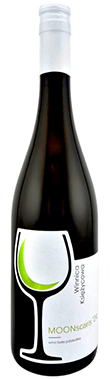
The Muscaris grape is a PIWI variety with Muscat ancestry, developed in Germany. Aromatic notes of white blossom and grapey freshness hint at its links...
2025
Winnica Księżycowa
Winnica Zielona, Słodki Listopad, Greater Poland, Poland 2024
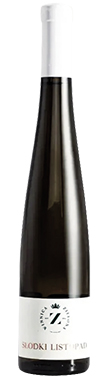
Crafted from Muscaris – a PIWI variety with links to the Muscat family – this offers a pretty, perfumed nose of lychee, rose water and...
2024
Winnica Zielona
Winnica Kamil Barczentewicz, Pinot Blanc Barrique, Lesser Poland, Poland 2020
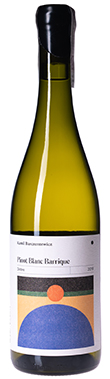
Perfectly judged creamy oak on the nose and palate, with juicy peach, melon and dried yellow fruit towards the finish. Touches of bitter lemon pith...
2020
Winnica Kamil Barczentewicz
Winnica Warto, Wino Lodowe, Greater Poland, Poland 2022
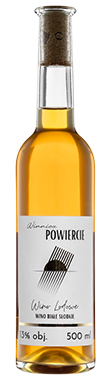
Produced from 100% Riesling, this ice wine ('Wino Lodowe') evokes a generous chunk of dried pineapple on both the nose and palate, with exotic, ginger-spiced...
2022
Winnica Warto
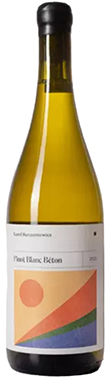
Kamil Barczentewicz, Pinot Blanc Béton, Lubelskie, Poland 2024
90
A lovely low-intervention example of the variety from producer Kamil Barczentewicz, owner of a 12ha estate in southeast Poland. Produced in concrete eggs, this is a fresh, bright and easy-drinking white with moreish acidity. The 2024 vintage marks the first year of organic certification.
2024
Kamil Barczentewicz
Stara Winna Góra, Pinot Gris, Lubuskie, Poland 2025
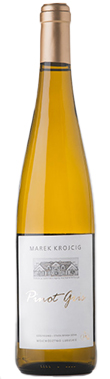
Sweet lemongrass, green apple and acacia honey on the nose. Lovely freshness combined with ripe, juicy stone fruits and lime zest, leaving a gentle touch...
2025
Stara Winna Góra
Winnica Jakubów, Yacobus Orange, Lower Silesia, Poland NV
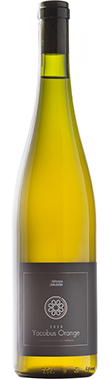
Aged in amphora, this orange wine (a blend of 2022 and 2023 vintages) saw six months of skin maceration, boasting a rich bouquet of nectarine,...
Winnica Jakubów
Winnica Turnau, Pinot Noir, West Pomerania, Poland 2022
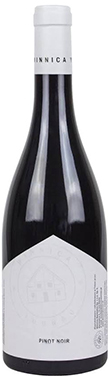
Crafted by one of Poland's largest wine producers, Winnica Turnau, located in West Pomerania – the country's northwesternmost wine-growing region, just 20km from the German...
2022
Winnica Turnau
Winnica Saganum, Pinot Noir, Lubuskie, Poland 2023
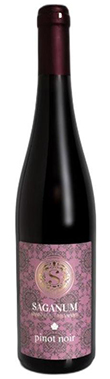
A funky yet charming expression of cool-climate Pinot Noir. Confected and savoury on the nose and palate, with smoky dark berries, red cherry and cedar...
2023
Winnica Saganum
Winnica Warto, Regent, Warta Valley, Greater Poland, Poland, 2022
A funky impression on the nose with farmyard and savoury spices, but wait for it – candied red cherry and brown sugar set the base...
2022
Winnica WartoWarta Valley
Winnica Turnau, Rondo/Regent, West Pomerania, Poland 2023
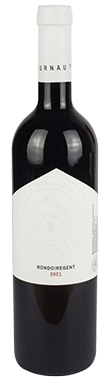
Confected cherry, boiled peach and savoury notes on the nose. Savoury and soft on the palate with chalky tannins, wrapped in smoky prunes and red...
2023
Winnica Turnau
Winnica Gostchorze, Gost Art, Lubuskie, Poland 2022
Crafted by Poland's traditional-method sparkling wine pioneer Guillaume Dubois, a French winemaker of Polish descent. This bottling spent three years on lees, exuding a rich,...
2022
Winnica Gostchorze
Winnica Pod Wieżą, ChaRie Brut, Lubuskie, Poland 2022
A traditional-method sparkling wine crafted from a blend of Riesling (75%) and Chardonnay by Winnica Pod Wieżą ('Vineyard under the Tower'), established in 2015 near...
2022
Winnica Pod Wieżą
Winnica Warto, Metoda Tradycyjna Brut, Warta Valley, Greater Poland, Poland 2023
Crafted by Winnica Powiercie (now Winnica Warto), this traditional-method sparkling wine is made from the PiWi grape Souvignier Gris. Hints of flour and toast, creamy...
2023
Winnica WartoWarta Valley
Kamil Barczentewicz, Chardonnay Béton, Poland 2023
If you're new to Polish wine, 1) join the club; 2) this concrete egg-fermented Chardonnay may surprise you. The pick of a trio of wines...
2023
Kamil BarczentewiczWine of Poland
Stara Winna Góra, Znad Pradoliny, Lubuskie, Poland 2023
Generous chamomile blossom, beeswax and freshly picked orchard fruit on the nose. Bright and complex on the palate, with green apple and acacia honey, singing...
2023
Stara Winna Góra
Winnica Marcinowice, Riesling Półwytrawny, Lubuskie, Poland 2022
A perfumed, petrol-scented nose with a gorgeous bouquet of dried flowers. Full malolactic fermentation gives the Riesling greater creaminess and an oily richness. Bright varietal...
2022
Winnica Marcinowice
Winnica Księżycowa, Moonscaris, Subcarpathia, Poland 2025
The Muscaris grape is a PIWI variety with Muscat ancestry, developed in Germany. Aromatic notes of white blossom and grapey freshness hint at its links...
2025
Winnica Księżycowa
Winnica Zielona, Słodki Listopad, Greater Poland, Poland 2024
Crafted from Muscaris – a PIWI variety with links to the Muscat family – this offers a pretty, perfumed nose of lychee, rose water and...
2024
Winnica Zielona
Winnica Kamil Barczentewicz, Pinot Blanc Barrique, Lesser Poland, Poland 2020
Perfectly judged creamy oak on the nose and palate, with juicy peach, melon and dried yellow fruit towards the finish. Touches of bitter lemon pith...
2020
Winnica Kamil Barczentewicz
Winnica Warto, Wino Lodowe, Greater Poland, Poland 2022
Produced from 100% Riesling, this ice wine ('Wino Lodowe') evokes a generous chunk of dried pineapple on both the nose and palate, with exotic, ginger-spiced...
2022
Winnica Warto
Kamil Barczentewicz, Pinot Blanc Béton, Lubelskie, Poland 2024
90
A lovely low-intervention example of the variety from producer Kamil Barczentewicz, owner of a 12ha estate in southeast Poland. Produced in concrete eggs, this is a fresh, bright and easy-drinking white with moreish acidity. The 2024 vintage marks the first year of organic certification.
2024
Kamil Barczentewicz
Stara Winna Góra, Pinot Gris, Lubuskie, Poland 2025
Sweet lemongrass, green apple and acacia honey on the nose. Lovely freshness combined with ripe, juicy stone fruits and lime zest, leaving a gentle touch...
2025
Stara Winna Góra
Winnica Jakubów, Yacobus Orange, Lower Silesia, Poland NV
Aged in amphora, this orange wine (a blend of 2022 and 2023 vintages) saw six months of skin maceration, boasting a rich bouquet of nectarine,...
Winnica Jakubów
Winnica Turnau, Pinot Noir, West Pomerania, Poland 2022
Crafted by one of Poland's largest wine producers, Winnica Turnau, located in West Pomerania – the country's northwesternmost wine-growing region, just 20km from the German...
2022
Winnica Turnau
Winnica Saganum, Pinot Noir, Lubuskie, Poland 2023
A funky yet charming expression of cool-climate Pinot Noir. Confected and savoury on the nose and palate, with smoky dark berries, red cherry and cedar...
2023
Winnica Saganum
Winnica Warto, Regent, Warta Valley, Greater Poland, Poland, 2022
A funky impression on the nose with farmyard and savoury spices, but wait for it – candied red cherry and brown sugar set the base...
2022
Winnica WartoWarta Valley
Winnica Turnau, Rondo/Regent, West Pomerania, Poland 2023
Confected cherry, boiled peach and savoury notes on the nose. Savoury and soft on the palate with chalky tannins, wrapped in smoky prunes and red...
2023
Winnica Turnau
