
Sonoma County AVAs: Overview and 10 wines to try
There are 19 appellations, or AVAs (American Viticultural Areas), in Sonoma County, Napa’s adjacent, larger neighbour. From the valley floor to upper elevations above the fog line, the variety found in these AVAs will surprise many who tend to think of just the Russian River.


The first established AVAs were named in the 1980s, with new designations coming as recently as 2022. 1983 was a particularly important year, as the majority of Sonoma’s appellations were founded during that time, however even today there remain a few proposed AVAs for Sonoma County currently awaiting approval.
Diversity is key in Sonoma County. Amongst 24,000ha of vines, over 60 grape varieties grow and thrive. Sonoma is most known for Pinot Noir and Chardonnay however, Zinfandel, Cabernet Sauvignon, and Merlot grow alongside Gruner Veltliner and many more.
Scroll down to see tasting notes and scores for 10 Sonoma County wines
The region’s heterogeneity doesn’t stop with its varieties – because of the sheer size of the region, a myriad of micro-climates exist. Rugged, coastal terrain along the Pacific Ocean adds a saline, mineral character to certain wines, while a heat-trapped inland locale creates wines that are fruit-forward and plush. This dynamism captures the overwhelming bounty of the region.
High elevation regions
Pine Mountain-Cloverdale Peak
The PMCP appellation is very rarely discussed although it should be. The part of the Mayacamas range that separates Sonoma from Napa is where you’ll find PMCP atop Pine Mountain. The elevations are extreme and go from 480 to 915m, which makes it among the highest-elevation wine-growing regions in the entire state. The appellation also encompasses two counties: Sonoma and Mendocino.
Due to its atypical location, the conditions here are amplified. PMCP’s location above the fog line ensures a longer growing season with lots of sun exposure. The volcanic soils are very well draining, a melange of mostly shale and sandstone. High winds and heavy rainfall (more rain than the valley floor) also characterise this appellation.
Fort Ross-Seaview
This appellation is a kind of nested sub-appellation of the Sonoma Coast AVA. Established more recently, in 2012, it is also one of the smallest, with only 225ha planted. Only at elevations beginning at 280m, above the fog line and along ridges, is the Fort Ross-Seaview appellation delineated. It’s very coastal in that part of its identity is the rugged terrain within mere miles of the Pacific Ocean.

Rockpile
The Rockpile Grape Growers Association touts the appellation as Sonoma’s ‘most rugged and spectacular AVA.’ It distinguishes itself by its elevation requirements, which begin at 240m and climb to about 640m and its rough terrain, hence its name. Located on the western side of Lake Sonoma, it is pure vineyard land with no wineries. It was designated an official AVA in 2002.
Sonoma Mountain
Sonoma Mountain is a 745m mountain range. It is a nested, hillside AVA within the Sonoma Valley AVA that starts above the Sonoma town of Glen Ellen, and was established in 1985. Like Rockpile and Fort Ross-Seaview, the elevation differentiates it from other appellations, as well as the very steep vineyards without the fog and craggy terrain. Many varieties grow here, including Chardonnay, Pinot Noir and Zinfandel, but Cabernet Sauvignon is the dominant variety.
Sonoma’s warmest regions
Knights Valley
On the opposite end of the temperature spectrum, the Knights Valley AVA is the warmest of all. It’s surrounded by the Alexander Valley and Russian River Valley. Its geographic position and its mountainous surroundings prevent the maritime influence from the Pacific Ocean from cooling the area. The 809ha of vineyards are planted to mostly Bordeaux varieties, with a smattering of Zinfandel and Merlot.
Alexander Valley
In 1984, the Alexander Valley AVA was established. Here, Cabernet Sauvignon reigns supreme. Another inland appellation, it, like Knights Valley, is very warm yet the proximity to the Russian River Valley tempers the weather in the evening, allowing the fog to cool things down in the vineyards. Soils here are alluvial, formed by the Russian River, whose eponymously named valley abuts Alexander Valley.
Chalk Hill
Though the Chalk Hill AVA was established in 1983, to this day, it still only has five wineries. It is one of the sub-appellations of the Russian River Valley, so named because of the white, chalk-like soil that’s prevalent in the region. However, the overall elevation of the appellation is higher than that of the Russian River Valley. White wines grapes including Chardonnay and Sauvignon Blanc thrive in the appellation, along with some Cabernet, Merlot and Zinfandel.
Fountaingrove District
This is an easterly, lesser-known appellation, perhaps due to its small size at only 202ha of planted vines. It’s named for an old winery, which no longer exists, but has historic roots and was in fact, an original ‘cult’ winery producer.
Fountaingrove sits just outside of the town of Santa Rosa. Largely the vineyards sell their grapes to larger wineries, as there are only five producers in the area. Its 15,400ha were granted AVA status in 2015.
Moon Mountain
Moon Mountain District sits inside of the greater Sonoma Valley appellation, between 120m and 670m in elevation. The district has a long history of grape growing, with the first plantings for sale beginning in the 1880s. Yet it took until 2013 before an AVA designation was granted. Its most planted varieties include Cabernet Sauvignon, Zinfandel and Chardonnay. The highly-regarded Monte Rosso vineyard also sits in the Moon Mountain District.

Sonoma’s coolest sites
Green Valley
Green Valley calls itself the ‘coolest, foggiest region of the Russian River Valley.’ It is yet another sub-appellation of the large Russian River Valley and one of the smallest appellations in all of Sonoma County. The fog is its defining characteristic, which starts forming in the Petaluma Gap before moving to Green Valley. Goldridge soil is the dominant type, prized for its good drainage. Despite a whopping 7,700ha of planted vines, there are only 100 growers and nine wineries. Pinot Noir and Chardonnay are the most prevalent varieties, and sparkling wine is a common style made here.
Sonoma Coast
The Sonoma Coast is the county’s largest AVA by area. It starts in the south, at the San Pablo Bay and reaches far north to the start of Mendocino County. It’s no surprise that with the word ‘coast’ in the name, the region skews colder. Heavy rainfall accompanies the cooler climate, but there is still enough warmth to ripen grapes for the wonderful complexity of flavour.
West Sonoma Coast
The West Sonoma Coast AVA is Sonoma County’s newest, established in 2022. It is so named because of its unique position on the western edge of the Pacific Coast. Some of the 50 planted vineyards here are mere miles from the ocean and benefit from the cool, windy ocean breezes and salinity, which can appear in the wines. The West Sonoma Coast would be a milder example of extreme winegrowing, as the weather profile is cold with dense fog. Elevation requirements range between 120m-550m and it’s no surprise that cool climate varieties like Chardonnay and Pinot Noir are prevalent and thriving.
Carneros
The Carneros AVA was established in 1983. It is the southernmost appellation of Sonoma County. Carneros is one of the few AVAs that straddles two counties: Napa and Sonoma. It is also the coolest appellation of both counties and the first AVA ever established based on climate alone. Since it is in the south, it benefits from the cooling influences of the San Pablo Bay and Pacific Ocean. Cool climate varieties are de rigueur here, so Chardonnay and Pinot Noir dominate. A myriad of sparkling wines are made from the fruit of this area as well.
Petaluma Gap
Like Carneros, it, too, straddles two counties: Marin County and Sonoma County. As one of the newest AVAs established in the region in 2017, the Petaluma Gap is characterised by its consistently windy weather and dense fog, which influences the ripening ability of the grapes. Cloud cover and cooling breezes ensure a longer hang time for cool climate varieties, Chardonnay and Pinot Noir.

Smaller Sonoma appellations
Bennett Valley
The Bennett Valley AVA is centred around the Sonoma County city of Santa Rosa. It is a small appellation, set among three mountains, with only 265ha planted to vines of just over 3,275ha in total. There is a break in the valley that allows the ocean influences and fog to settle in to ensure the grapes develop flavours that are Bennett Valley’s signature. It is known mostly for Merlot and Sauvignon Blanc.
Dry Creek Valley
The no-stoplight, 25km stretch of land between Healdsburg and Cloverdale is home to the Dry Creek Valley. Unlike the rest of Sonoma County, this valley is Zinfandel country and has been since its inception with prevalent old, gnarled Zin vines. Seventy family-owned wineries make their home in the appellation, with just 3,650ha of planted vines.
Russian River Valley
The famed Russian River Valley is named after the eponymous river that runs through it. Pinot Noir is RRV’s claim to fame and what solidified its reputation as a wine region of note. But its 6,000ha of planted vines also comprise a sizable amount of Chardonnay, Zinfandel and Cabernet.
The Russian River Valley reached AVA status in 1983. It is divided into six ‘neighbourhoods’ or sub-areas within the AVA. Today, around 70 wineries call the Russian River Valley home.
Sonoma’s larger AVAs
Northern Sonoma
At 133,000ha and Sonoma County’s second-largest appellation, Northern Sonoma, along with the Sonoma Coast and Sonoma Valley AVAs, comprise the entirety of Sonoma County. Established as an AVA in 1990, the Northern Sonoma AVA has a myriad of topographical, geologic and climatic variances. Many of the more than 60 grape varieties grown in the county are grown within this appellation, too.
Sonoma Valley
The town of Sonoma is the namesake town of the Sonoma Valley appellation, which was formed in 1981. The appellation encompasses more than 400 wineries and over 25,000ha of planted vines. As the Sonoma County region is the oldest wine region in California, Old Vine Zinfandel still has a stronghold, with some vines nearing or surpassing 100 years of age. Cabernet Sauvignon is, however, now the dominant grape variety.
Sonoma County: 10 wines to seek out
Related articles
- Sonoma Cabernet Sauvignon: Producers, styles & wines to try
- Exploring Sonoma County’s coolest vineyards plus top wines from each
- Sonoma travel guide: the perfect three-day itinerary
Iron Horse Vineyards, Year of the Rabbit, Sonoma County, Green Valley of Russian River Valley, California, USA, 2019
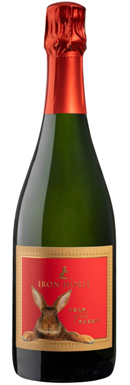

Toasty, bready, and chock full of nutty goodness, this wine commemorates 2023 and every 12 years; hence, it is a lovely way to celebrate the...
2019
Iron Horse VineyardsSonoma County

Kistler Vineyards, McCrea Vineyard Athearn Estate Chardonnay, Sonoma Mountain, California, USA, 2021
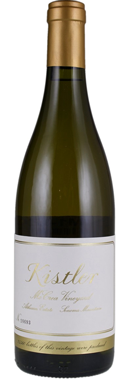
After a double decant as suggested by winemaker Jason Kesner, the butterscotch and nutty aromas calm down a bit, but give way to a rich...
2021
Kistler VineyardsSonoma Mountain
Macrostie, Nightwing Vineyard Chardonnay, Sonoma County, Petaluma Gap, California, USA, 2021
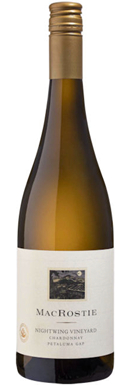
Medium-bodied with bright acidity on the nose and the palate make for a delightful sipping session. A bit of nuttiness helps to eke out the...
2021
MacrostieSonoma County
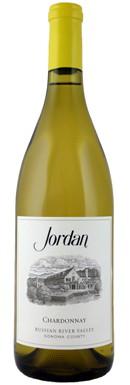
Jordan Vineyard & Winery, Chardonnay, Sonoma County, Russian River Valley, California, USA, 2021
93
A classic California Chardonnay from a Healdsburg producer of over 50 years, with winemaker Maggie Kruse at the helm. The wine showcases cooler vineyard sites in the western Russian River Valley. A rich yet refreshing Chardonnay gives both tension and balance. Generous and ripe fruit notes of grapefruit, Meyer lemon and Asian pear form the base of this wine. The use of new French oak is supported by acidity to lift and refresh the palate. The finish is creamy and round to match the rich flavours on the Thanksgiving table.
2021
Jordan Vineyard & WinerySonoma County
Jordan Vineyard & Winery, Cabernet Sauvignon, Sonoma County, Alexander Valley, California, USA, 2019
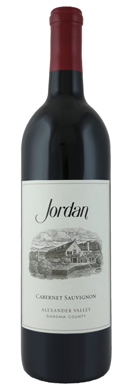
Wonderful aromatic intensity with notes of cassis, cacao and anise that jump out of the glass upon the first sniff. Some rosemary and thyme also...
2019
Jordan Vineyard & WinerySonoma County
Macrostie, Nightwing Vineyard Pinot Noir, Sonoma County, Petaluma Gap, California, USA, 2021
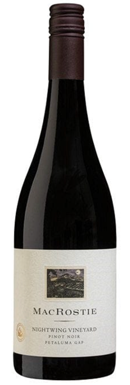
Tangy bing cherries married with toffee and vanilla. An herbal layer of oregano and thyme adds another level of complexity and savoriness to this wine....
2021
MacrostieSonoma County
Small Vines, TBH Vineyard Pinot Noir, Sonoma County, Sonoma Coast, California, USA, 2019
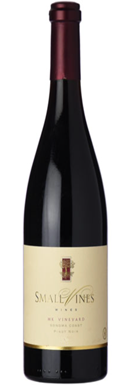
Ruby core with a brown rim is a textbook colour example of a wine that is ageing well. Tart cherry and early grey tea set...
2019
Small VinesSonoma County
Copain, P2, Sonoma County, Sonoma Coast, California, USA, 2022
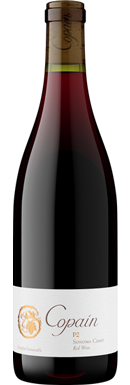
The even split of Pinot Noir and Pinot Gris adds a youthful joie de vivre and a fruity freshness that might not be immediately apparent....
2022
CopainSonoma County
Merriam, Windacre Vineyard Merlot, Sonoma County, Russian River Valley, California, USA, 2019
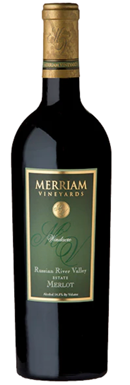
An anise nose and potpourri, dried tea leaves, grape fruit leather and black pepper on the palate make this wine feel plush and luxurious to...
2019
MerriamSonoma County
The Setting, Cabernet Sauvignon, Sonoma County, Rockpile, California, USA, 2019
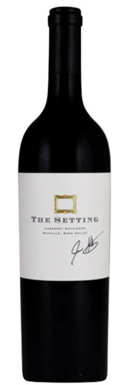
Deep burgundy colour with a tawny rim. Cinnamon and nutmeg are the first aromas and flavours that greet you. Then chocolate and stewed blackberries and...
2019
The SettingSonoma County
