

Created by Decanter in partnership with the Consorzio Barbera d’Asti e Vini del Monferrato.
Created by Decanter in partnership with the Consorzio Barbera d’Asti e Vini del Monferrato
The Barbera d’Asti production zone stretches from the town of Asti, to Alessandria and Cuneo. It is produced in 167 towns in the south of Piedmont, and mainly in the Asti area (116 small towns in the Asti zone and 51 in the Alessandria one).
The vine surface of Piemonte Barbera, on the other hand, is larger and includes 351 towns across the provinces of Asti (116) Alessandria (141) and Cuneo (94).
Barbera is really at home in this area; not surprising, given that the variety’s origins can be traced to Monferrato itself.
The area is characterised by low, rounded hills with vineyards located exclusively on the sun-exposed slopes, offering plenty of scope for variations of aspect.
Planting is prohibited above 650 meters asl and also on the cooler valley floors, ensuring that the grapes get sufficient sun. The best sites tend to restrict planting to the mid-range (200 to 400 metres).
As in the rest of Piedmont, winters are cold and summers tend to be hot.
In the north, around Casale Monferrato and in the south around Canelli, the white, calcerous soils produce more robust, deeply-coloured wines, capable of longer ageing. A lighter, more aromatic style is produced from the sandier soils which are prevalent along the banks of the River Tanaro, which flows up from Liguria to Asti, then eastwards towards Alessandria where it joins the Po.
But this is an over-generalised picture and many areas have a clay or loam mixture with varying quantities of chalk, limestone or sand.
It is therefore difficult to be too proscriptive about soils; a single hill could have a seam of limestone or sand which affects one vineyard but not another. In general, clay soils retain water and give it back to the vines under stress, so are better in hotter vintages as long as there has been sufficient rainfall during winter and spring to build up reserves.
Calcareous and limestone soils are more free-draining, usually warmer and generally good in cooler vintages.
There are two sub-zones: Tinella and Colli Astiani (or Astiano). Given the variability in soil mix, the most obvious differences are a result of the higher Superiore production requirements: higher minimum alcohol (13%) and longer ageing (minimum 14 months including 6 months in barrel).
As usual, wine quality comes down to the producer who is able to maximise the potential of his vineyard sites, making the style of wine which best suits the local terroir or microclimate.
If vinified in stainless steel it produces a lively, fresh, early-drinking wine but if fermented in small barriques, it produces a more creamy, oaky, dark-berried wine with the capacity to age. There is also a semi-sparkling frizzante version.
Barbera is a naturally high acid and low tannin grape variety but with climate change providing hotter and drier vintages, these attributes have become virtues instead of vices.
Riper grapes with higher alcohol and richer textures are balanced by bright acidity and gentle oak tannins providing the components for longer ageing.
This article was created by Decanter.com editorial in partnership with the Consorzio Barbera d’Asti e Vini del Monferrato, which oversees the protection and regulation of the Barbera d’Asti production zone under its president Filippo Mobrici, who is also agronomist at Bersano winery in Nizza Monferrato.
Read more articles in this collection:
Promotion:


-
 Dalmatia: Where to enjoy the stillness of fjaka
Sponsored Content When Dalmatia slows down in the early afternoon, here are some perfect places to enjoy a little dreaminess.
-
 Why Eastern Slovenia is one of Central Europe's great unsung wine regions
Crisp whites and sensational sparkling from the heart of Central Europe...


-
Dalmatia: Where to enjoy the stillness of fjaka
Sponsored Content When Dalmatia slows down in the early afternoon, here are some perfect places to enjoy a little dreaminess.
-
 Dalmatia: The crimson coast
Sponsored Content Sun-kissed by the shores of the Adriatic, Dalmatia’s vineyards are home to bold and inviting red wines with plenty of potential.
-
 Azienda Agricola Cortese: Championing sustainability in the heart of Sicily
Sponsored Content Meet the winemakers using ancient techniques and sustainable practices to create fresh, modern interpretations of Sicilian varieties
-
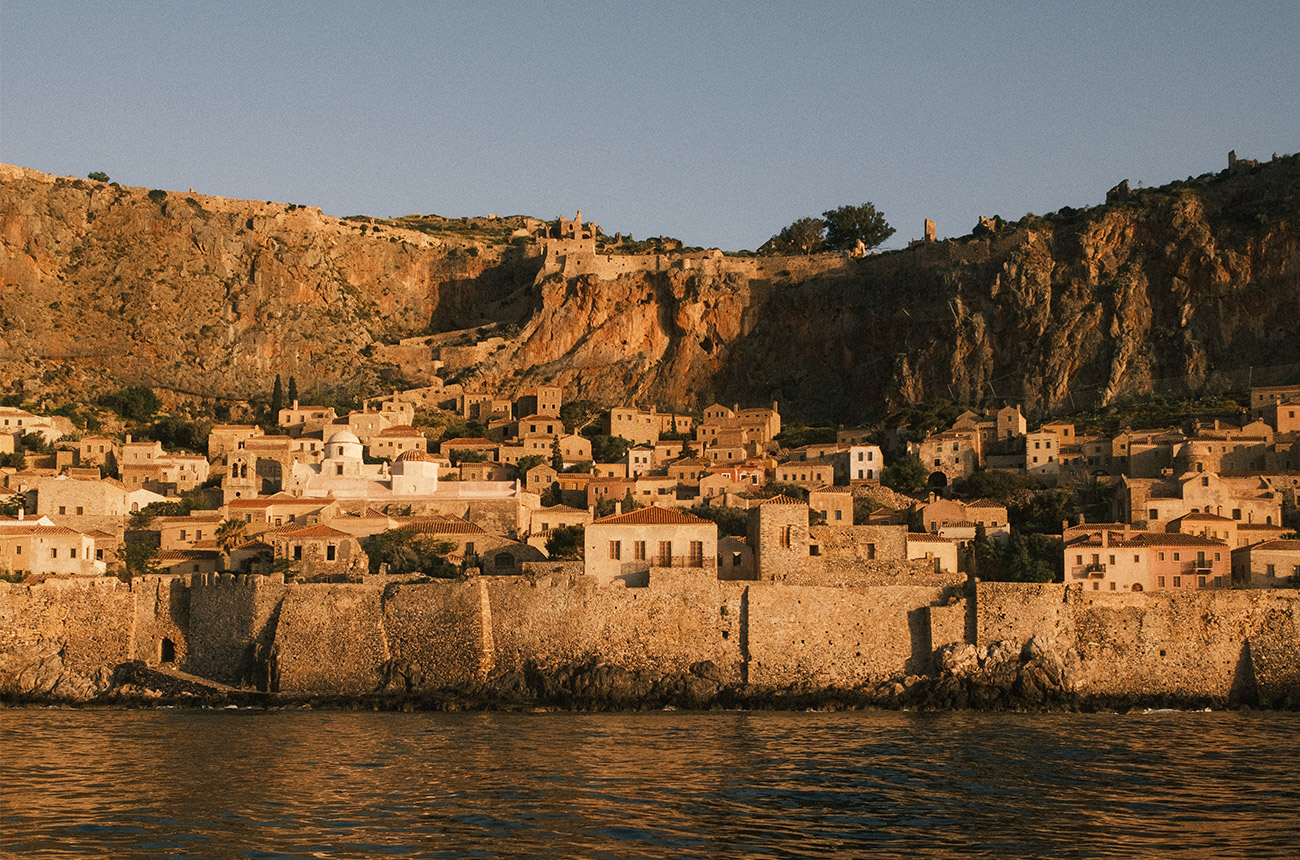 Monemvasia Winery – Tsimbidi: Bringing an ancient wine into the modern age
Sponsored Content George and Elli Tsimbidi’s winery not only revived one of history's most famous wines but is now breathing fresh life into other native Greek varieties.
-
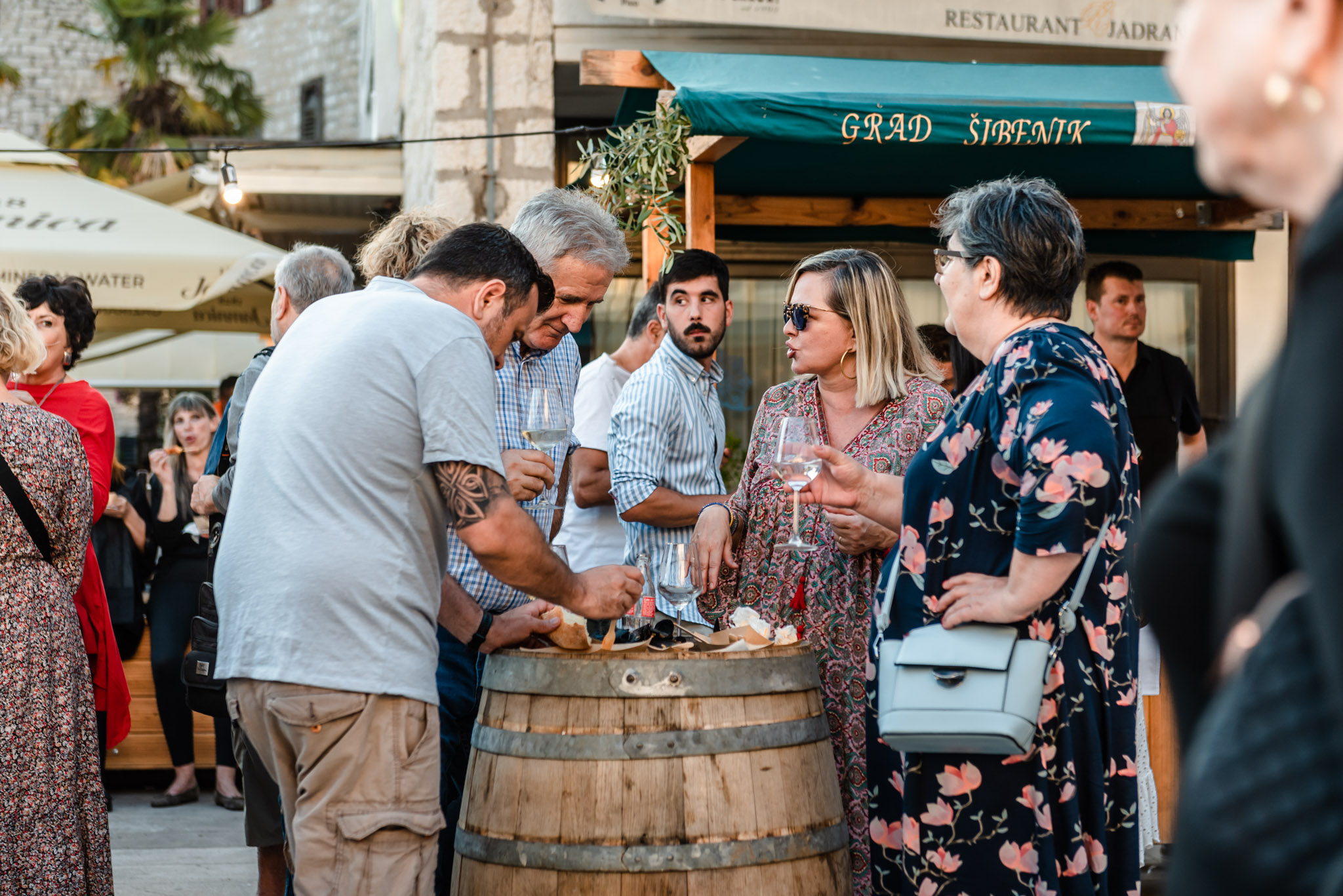 Marenda – A Dalmatian ritual
Sponsored Content What started as a work break has become a well-observed tradition in Dalmatia – one that pairs perfectly with local wine.
-
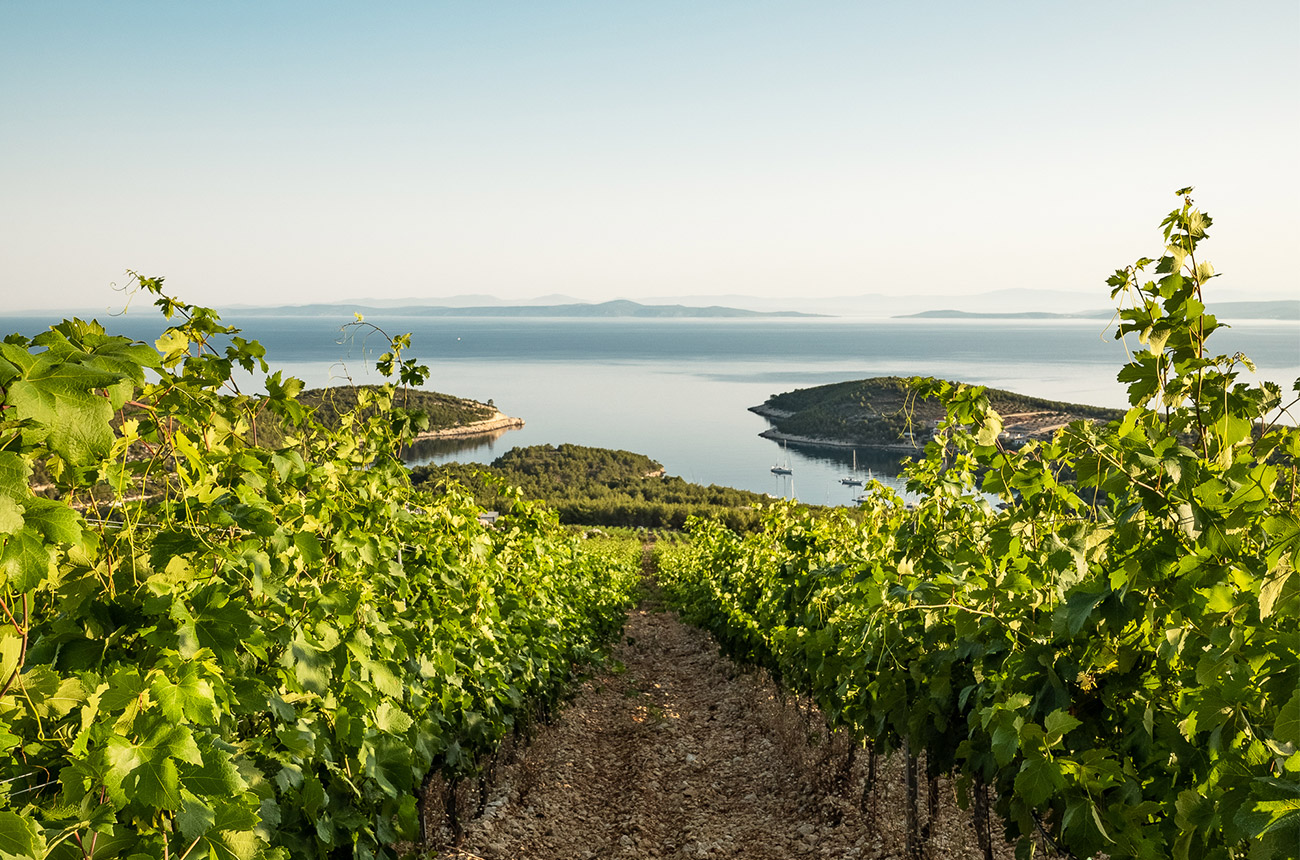 Dalmatia's hall of fame: DWWA winners
Sponsored Content Discover a selection of medal-winning Dalmatian wines from the Decanter World Wine Awards.
-
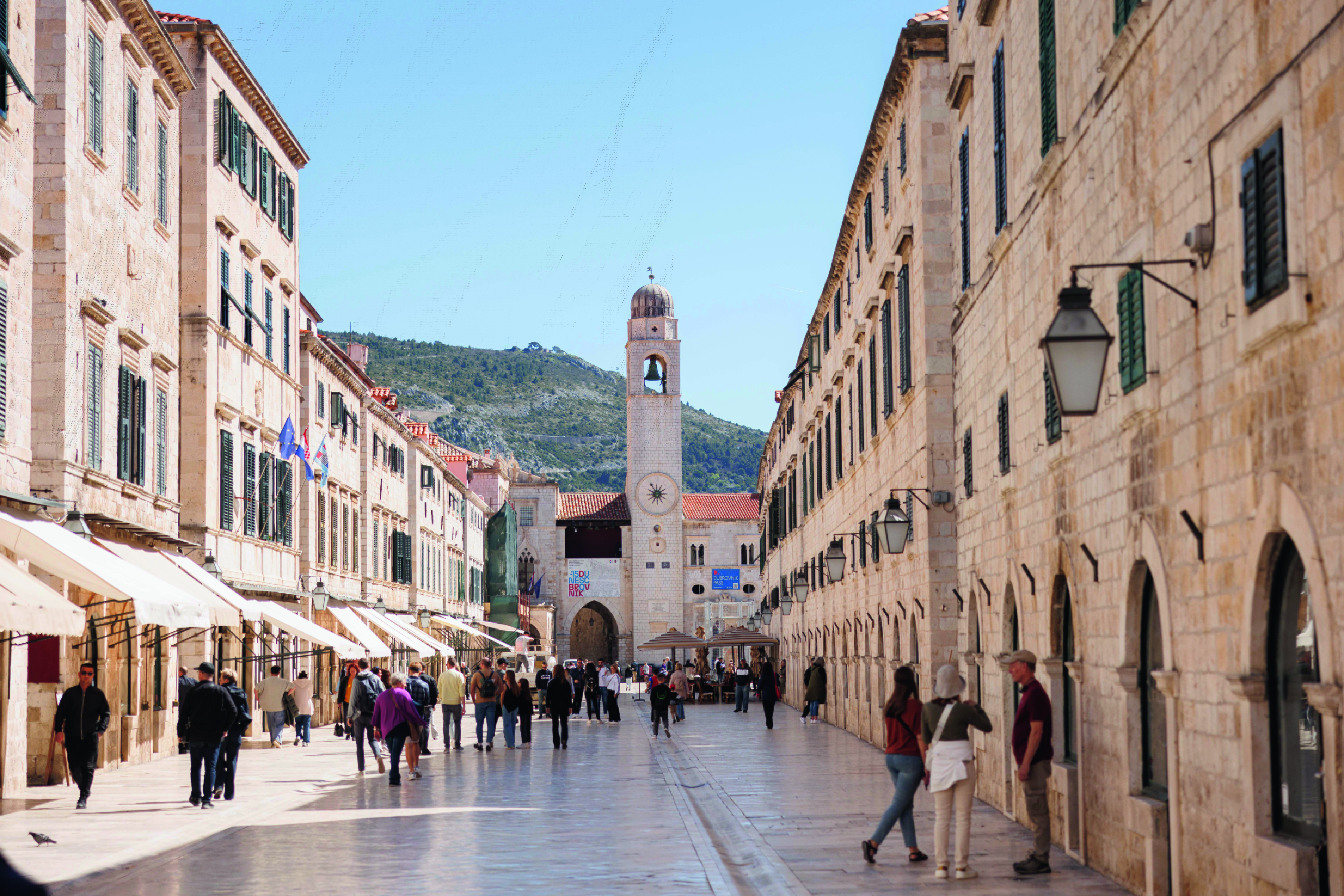 Pomalo: Dalmatia's answer to hustle culture
Sponsored Content A state of mind in Dalmatia, pomalo, which roughly translates as ‘take it easy’, sets the pace of life in this scenic region of Croatia.
-
 A Maldives paradise for wine lovers
Sponsored Content The unique wine culture at OZEN RESERVE BOLIFUSHI extends well beyond its carefully curated list with expert tastings, creative pairings and unexpected discoveries to make lasting holiday memories.


