Valentine’s Day – 14 sparkling rosé wines to try
Few wines are more evocative of Valentine’s Day than a sparkling rosé. We have selected a range of pink bubbles from both well-known and unexpected regions, all of them perfect for a delicious celebration for two.


There’s nothing quite as celebratory as a bottle of sparkling wine. And nothing more evocative of a celebration of love than a bottle of sparkling rosé. With Valentine’s Day just around the corner, we guide you through a selection of pink bubbles that will make an elegant statement and also work as perfect gifts.
How is rosé sparkling wine made?
Sparkling rosé simply uses a rosé base wine, which then goes through one of the methods of sparkling winemaking. That could be ancestral, traditional, charmat or transfer method. The rosé base wine itself is produced through one of the usual rosé winemaking techniques (saignée or direct press), although some regions – such as Champagne – allow the addition of red wine to a white-dominated blend.
Looking beyond Champagne
Champagne might be the region that first springs to mind when thinking of a celebratory fizz. Indeed, some rosé Champagnes have become synonymous with romantic occasions: Billecart-Salmon and Laurent-Perrier rosés are just two of a number of cuvées that are ubiquitous in Valentine’s Day displays and have acquired iconic status among lovers of pink Champagne.
Scroll down for our selection of brilliant sparkling rosés
But it’s well worth looking beyond the French flagship region for sparkling wines, pink or not, that deliver a different character but the same quality. Other regions and appellations producing outstanding traditional method sparkling include:
Cava
A peculiar appellation in that it is scattered across multiple regions rather than corresponding to a delimited area. Most Cava is, however, produced in Catalunya, with Sant Sadurni d’Anoia as its historical and spiritual epicentre. Cava Rosado uses the red varieties Garnacha, Monastrell, Pinot Noir and/or Trepat for colour, in addition to the other permitted white varieties. When looking for high-quality Spanish fizz you will also need to explore the wines from producers that have actually decided to leave the Cava DO. Amidst disagreements about viticulture and winemaking standards, leading names such as Raventós i Blanc, Recaredo and Gramona (the latter two being founding members of the Corpinnat group), have left the denomination and produce some of Spain’s finest bubbles under specific regional labels.
Crémant
A term referring to French traditional method sparkling wines produced outside of Champagne. The regions producing Crémants are Alsace, Bordeaux, Burgundy, Die (in the Rhône), Jura, Loire, Limoux and Savoie.
Franciacorta
This northern Italian region, in the hills east of Brescia, has a somewhat short but impressive history producing traditional method sparkling, mostly from Champagne varieties. Its reputation has grown quickly, firmly establishing it as a leading sparkling wine region in Europe and the world, with some of the most renowned producers making highly sought after wines, not least outstanding rosés.
Tasmania
The southern Australia island state produces some of the country’s best sparkling wines, with its cool climate yielding fruit of incredible finesse and balance, particularly suited for elegant, precise, ageworthy fizz.
United Kingdom
If you are looking for a proper bottle of pink fizz you don’t need to look further than the British Isles, where sparkling is winning awards the world over with expressive wines marked by a very characteristic freshness. The rosés in particular show beautiful wild berry flavours brought to life by vibrant acidity.
Prosecco
Prosecco only made a move into pink territory relatively recently. In May 2020 the Italian government approved the production of Prosecco DOC Rosé, a move ratified by the EU in November the same year. The crossing of two highly popular categories, Prosecco rosé uses Pinot Noir for colour in addition to Prosecco’s own variety, Glera. Unlike the other regions listed above, Prosecco can be made using either the traditional or Charmat Method.
Sparkling rosé: Taste and food pairing
So does rosé sparkling taste different from white sparkling, or is it just a matter of colour?
Grape varieties, blend and winemaking process all play a role in the eventual flavour of the wine, making it difficult to generalise how a sparkling rosé tastes and how it is different from its white counterpart.
Having said that, there are some general characteristics you might expect from a pink fizz:
- Subtle red berry flavours, sometimes with a hint of red citrus (think pink grapefruit or blood orange) and red orchard fruit.
- A hint of tannin, imparted by mild contact with skins during the production of the base wine, which might give it a pleasant grip and texture.
- The higher degree of phenolic compounds can give it a richer body, especially if the wine has spent more time ageing on its lees prior to disgorgement.
Sparkling rosé for Valentine’s Day
Related articles
- Great-value sparkling wine: 18 bottles to try
- Non-vintage rosé Champagne: Panel tasting results
- Tom Hewson: My top 10 Champagnes of 2024
Nyetimber, 1086 by Nyetimber Rosé, England, United Kingdom, 2013

95
Salmon pink in colour, it presents a sweet-spiced nose of caramel, strawberry, and red cherry. Elegant and refined, with fantastic complexity and tension. Notes of strawberry and red apple are complemented by a textured, savoury undertone and subtle touches of apple crumble, leading to a profound finish. The 2013 vintage is the third release of the estate's prestige cuvée.
2013
Nyetimber
Gran Moraine, Brut Rosé, Willamette Valley, Yamhill-Carlton, Oregon, USA
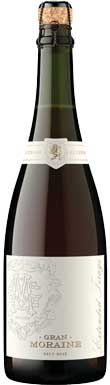
94
This sparkling Brut rosé from the Gran Moraine estate, which spent six years en tirage, has floral notes of apple blossom, sweet lemon cream, and ripe, fleshy pears. The palate offers sweet raspberries, tart orange, ample citrus cream, and a savoury scone that pronounces the finish. It is exquisite, rich, and lovely.
Gran MoraineWillamette Valley
Lichen Estate, Grand Cuvée Rosé Late Disgorged, Mendocino County, Anderson Valley, California, USA, 2015
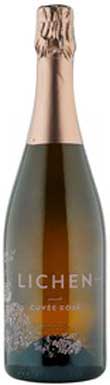

This is redolent, with sweet orange sherbet, mint leaves and sweet raspberries on the nose. This beautiful sparkling wine spends 7 years en tirage, giving...
2015
Lichen EstateMendocino County

Graham Beck, Pinot Noir Rosé Brut, Western Cape, South Africa, 2018
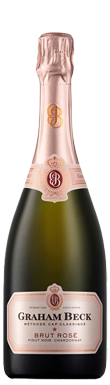
Pinot Noir and Chardonnay were pressed together, fermented in stainless steel and aged on the gross lees before spending four and a half years on...
2018
Graham Beck
Goldeneye, Brut Rosé, Mendocino County, Anderson Valley, California, USA, 2021
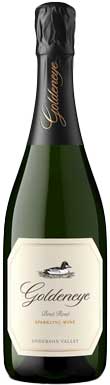
Creamy and sweet with bright red fruit aromatics, clean, freshly sliced strawberries and mint leaves, with a note of briny sea air. The palate is...
2021
GoldeneyeMendocino County
Luis Pato, Vinha Pan Espumante Brut Nature, Bairrada, Bairrada, Portugal, 2018
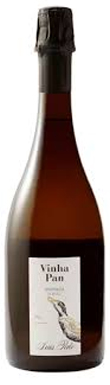
The pale pink hue signals that this was made from Baga, and Luis Pato is the king of this variety in Portugal’s Bairrada. After four...
2018
Luis PatoBairrada
Moët & Chandon, Grand Vintage Rosé, Champagne, France, 2016
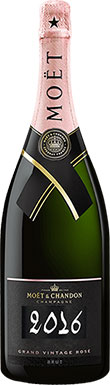
Grand Vintage Rosé 2016 is immediately gratifying, despite remaining compact and firm on release with aromas of red cherry, blood orange and red plum; it's...
2016
Moët & Chandon
Balfour Winery, Nannette's Rosé, Kent, England, United Kingdom, 2023

91
A blend of the Champagne trio (with 50% Pinot Meunier), the Kentish Rosé showcases fresh strawberry and cream on both the nose and palate. Fermented and aged in steel tanks, it's rich and creamy in texture due to full malolactic fermentation, balanced by a clean and crisp acidity backbone. Poised with cranberry and citrus zest on the finish.
2023
Balfour WineryKent
Deutz, Rosé, Champagne, France, 2018
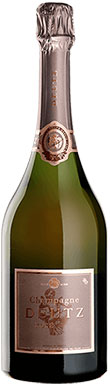
The Deutz vintage rosé has been a sweet spot in the portfolio lately, and it continues to do well in sunny, easygoing 2018. Despite being...
2018
Deutz
Fruitière Vinicole d’Arbois, Rosé Brut, Crémant du Jura, Jura, France
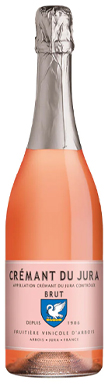
This attractive blend of co-fermented Pinot Noir, Poulsard and Chardonnay is delicious and excellent value, with a fine mousse and bright nose of red fruits...
Fruitière Vinicole d’ArboisCrémant du Jura
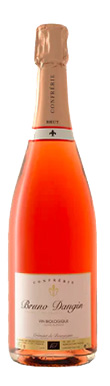
Bruno Dangin, Cuvée Rosé Extra Brut, Crémant de Bourgogne, Burgundy, France, 2020
90
Domaine Dangin hails from just over the border in the Aube. They formally moved over to the Châtillonnais in 2011 and began making Crémants using the same winemaking methods from Champagne. This pretty rosé is produced from 100% Pinot Noir from vines that are over 30 years old. Revealing a vibrant pink colour, it opens up with notes of sweet bramble berries, morello cherries and a whiff of brioche. A delicious rosé that has character but remains fresh and chiselled.
2020
Bruno DanginCrémant de Bourgogne
Raventós i Blanc, de Nit Extra Brut, Conca del Riu Anoia, Penedès, Spain, 2021
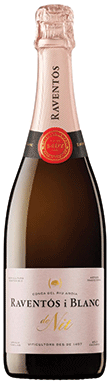
There is Cava, and then there are the wines made by Raventós i Blanc. In this unusually elegant pink sparkler, the super-pale hue is from...
2021
Raventós i BlancConca del Riu Anoia
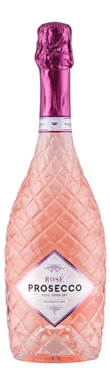
Lidl, Rosé Extra Dry, Prosecco, Veneto, Italy, 2022
87
Prosecco Rosé is a fairly new category which has exploded in popularity. It must be the product of a single vintage, and yields are restricted to maintain quality. This simple example features subtle red fruit and citrus zest scents, followed in the mouth by a bold, invigorating mousse and a steely-fresh cherry finish. Available in store only.
2022
LidlProsecco
