

Read our bite-size guide to Barbera d'Asti wines, including taste profile, soil make-up and key terms to look for on labels.
Created by Decanter in partnership with the Consorzio Barbera d’Asti & Monferrato.
Created by Decanter in partnership with the Consorzio Barbera d’Asti & Monferrato.
Barbera d’Asti is a red wine made from Barbera grown in this grape variety’s native zone, the Monferrato hills of central Piedmont.
The wine became a DOC in 1970, and was promoted to DOCG in 2008. Barbera d’Asti is made from 90-100% Barbera.
The blend
Barbera, of course, but up to 10% of non-aromatic red wine grapes may be blended in–typically Merlot and Cabernet Sauvignon. The grapes are grown in 169 communes of which 118 comprise the entire province of Asti, and 51 comprise part of the province of Alessandria.
The grapes
Barbera’s distinctively large, oval berries make it an easy grape variety to spot in vineyard. The vines must be planted at a minimum 4,000 vines/hectare (1,600 vines/acre).
They may be pruned either to long canes or short spurs. Grape yields are 9 tonnes per hectare (63 hl/ha or 25 hl/acre) for both Barbera d’Asti DOCG normale and Barbera d’Asti DOCG Superiore.
Minimum alcohol levels are 12% for Barbera d’Asti normale, and 12.5% for Barbera d’Asti Superiore, although some wines can reach 14.5% alcohol.
How to read the label
Barbera d’Asti DOCG and Barbera d’Asti DOCG Superiore may carry the name of a ‘Vigna’, meaning the name of a locally recognised place or sub-zone on the label. Yields for both ‘Vigna’ and ‘Vigna Superiore’ wines 8 tonnes per hectare, with a minimum alcohol of 12.5% (again for both).
Barbera d’Asti DOCG normale, with or without a ‘vigna’ designation, can be released from 01st March following harvest.
There is no requirement for oak ageing for either typology. Both Barbera d’Asti DOCG Superiore and Barbera d’Asti DOCG Superiore ‘Vigna’ must age at least six months in oak, and can be released 14 months starting from 1st November in the year of harvest.
All the wine denominations cited above allow yields to be augmented by up to 20% in favourable years.
The soil
Two broad styles of Barbera d’Asti dictacted by soil type exist. Wines from from northern part of the zone from calcareous soils give the deepest-coloured wines. Those from the southern part on sandier soils give more fluid, lighter-coloured wines.
How Barbera wines typicaly taste and age
Typical flavours are red fruits from the darker end of the spectrum. Around 5-8 years Barbera’s fruit dims, becoming more savoury, slightly feral and forest-floor like.
In barrel aged examples Barbera’s already delicate fruit tannins will have softened into such subservient lushness it can leave the oak tannins exposed. Hence, it can pay to drink oaked Barbera from 2-6 years, and well-grown unoaked Barberas from 1-8 years.
This article was created by Decanter.com editorial in partnership with the Consorzio Barbera d’Asti & Monferrato.
Promotion:


-
 Meet the new technical manager of Château-Grillet on its 90th anniversary
One appellation, one estate, one grape variety, 3.5ha. Matt Walls checks in on this legendary Rhône white, 90 years after it gained appellation status.
-
 Gen Z Wine Challenge: Amelia, 21
In a new Decanter series, 18- to 29-year olds around the world give their honest opinion about a wine they've splashed out on – and if it was worth the cash.


-
 Dalmatia: The crimson coast
Sponsored Content Sun-kissed by the shores of the Adriatic, Dalmatia’s vineyards are home to bold and inviting red wines with plenty of potential.
-
 Azienda Agricola Cortese: Championing sustainability in the heart of Sicily
Sponsored Content Meet the winemakers using ancient techniques and sustainable practices to create fresh, modern interpretations of Sicilian varieties
-
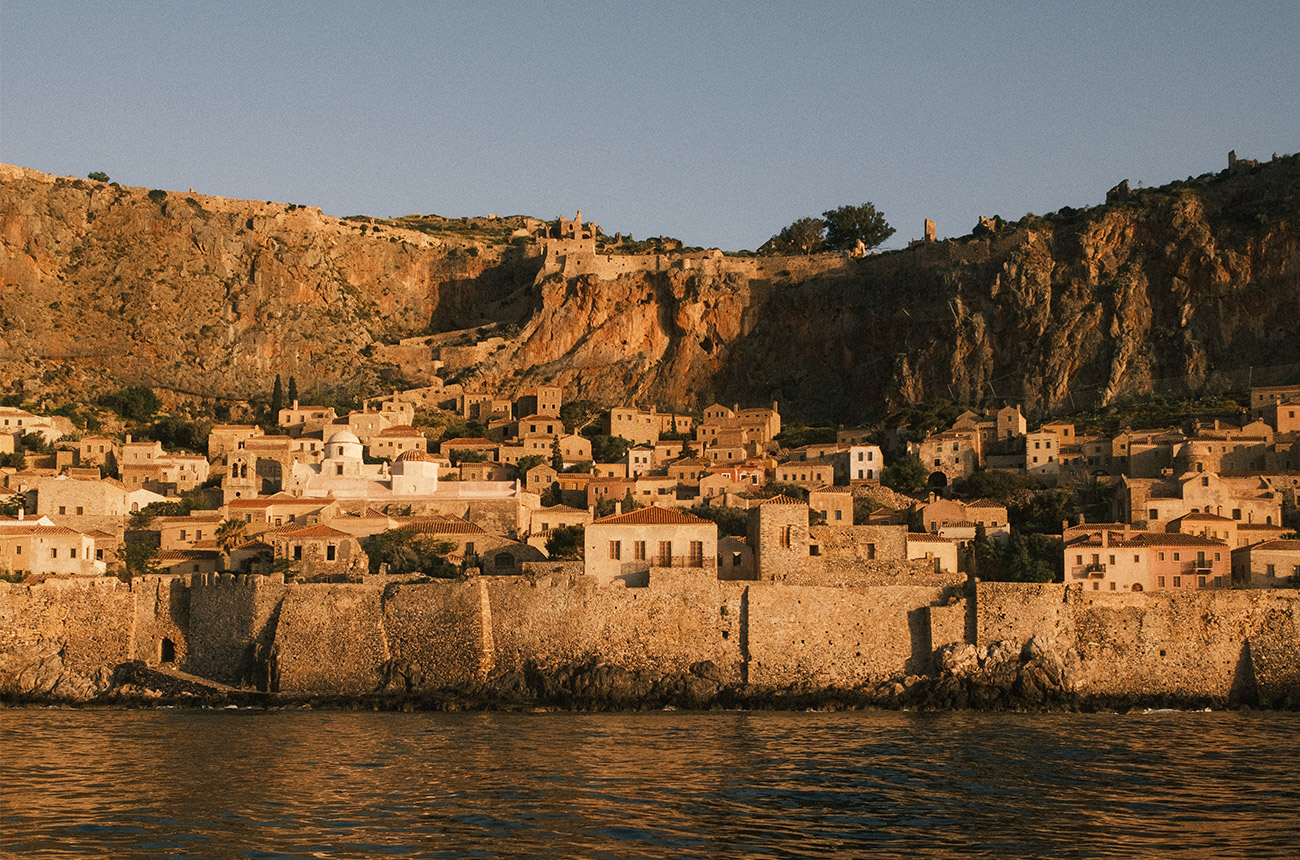 Monemvasia Winery – Tsimbidi: Bringing an ancient wine into the modern age
Sponsored Content George and Elli Tsimbidi’s winery not only revived one of history's most famous wines but is now breathing fresh life into other native Greek varieties.
-
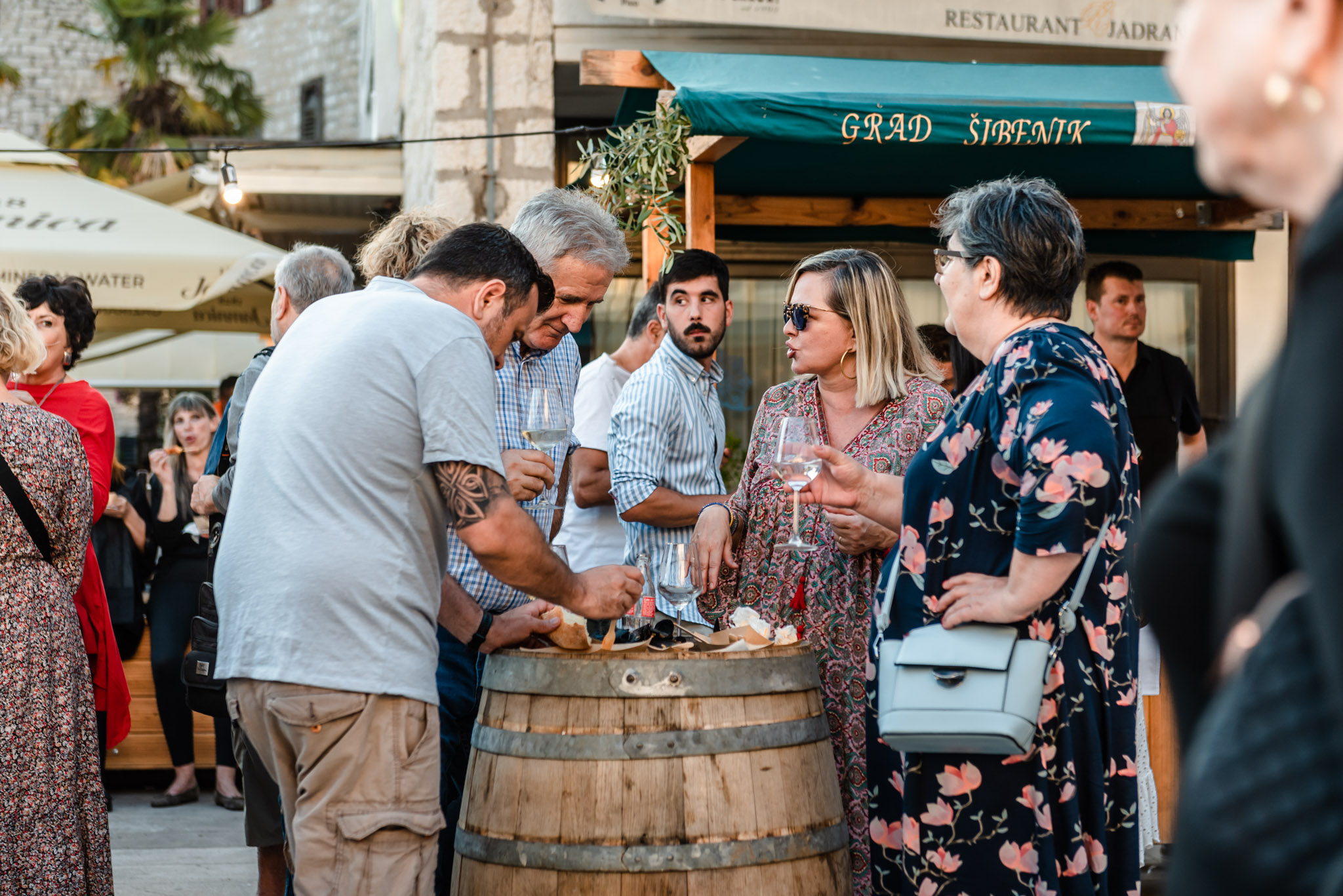 Marenda – A Dalmatian ritual
Sponsored Content What started as a work break has become a well-observed tradition in Dalmatia – one that pairs perfectly with local wine.
-
 Dalmatia's hall of fame: DWWA winners
Sponsored Content Discover a selection of medal-winning Dalmatian wines from the Decanter World Wine Awards.
-
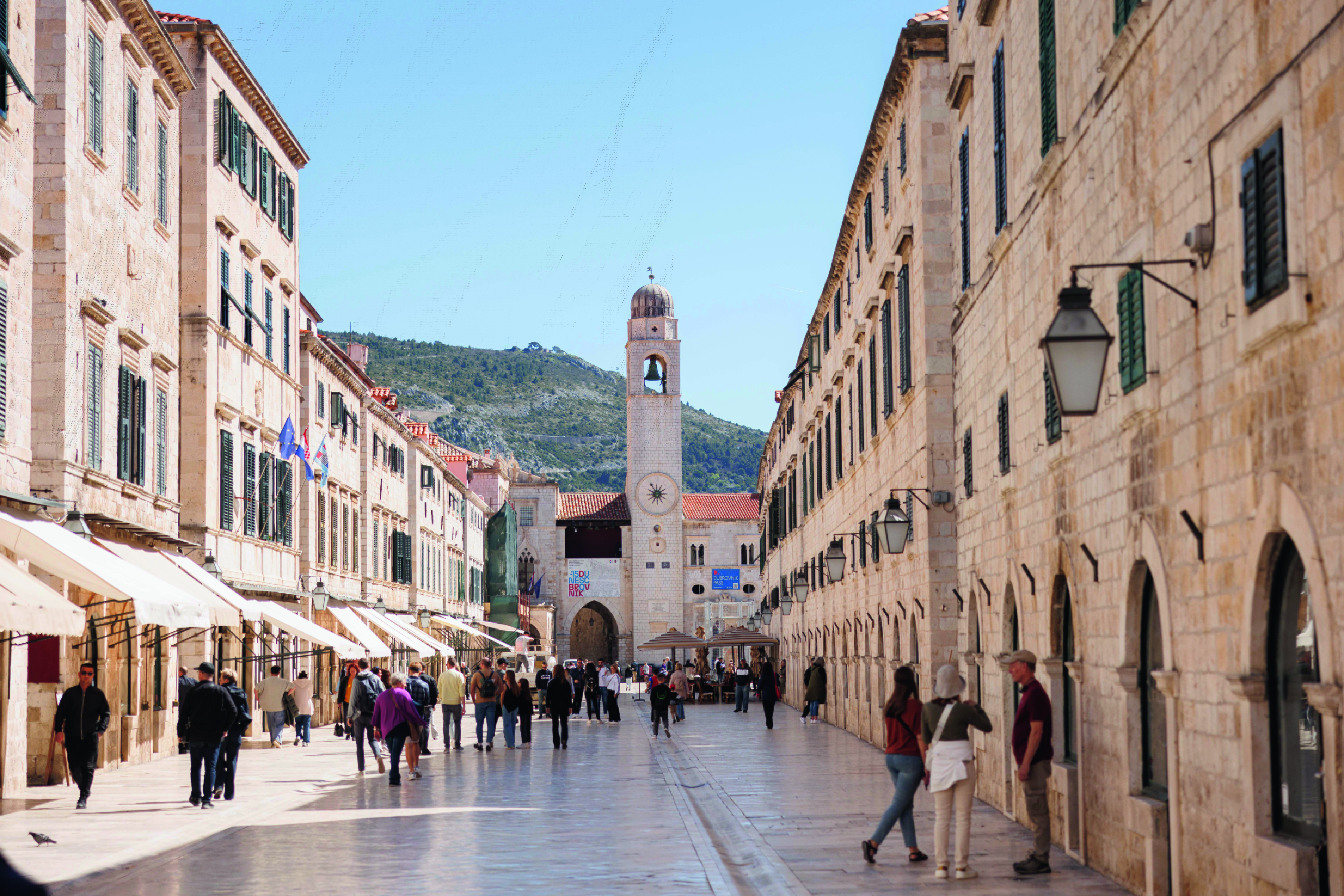 Pomalo: Dalmatia's answer to hustle culture
Sponsored Content A state of mind in Dalmatia, pomalo, which roughly translates as ‘take it easy’, sets the pace of life in this scenic region of Croatia.
-
 A Maldives paradise for wine lovers
Sponsored Content The unique wine culture at OZEN RESERVE BOLIFUSHI extends well beyond its carefully curated list with expert tastings, creative pairings and unexpected discoveries to make lasting holiday memories.
-
 Shaping the future of wine & spirits: What’s new at ProWein Düsseldorf?
Sponsored content Returning on 15 – 17 March in Düsseldorf – discover what's new at ProWein in 2026...


