A fresh look at Txakoli
Highly reputed for its top-tier restaurants, the Basque Country also has a rich tradition of local wines. The region’s fresh and nuanced Txakoli dry whites are the perfect foil for its fine food, as Pedro Ballesteros Torres MW finds out.


Nowadays, Txakoli (or Chacolí in Spanish, pronounced the same: chak-ko-lee), is defined as the quality wine produced in three appellations of origin in the Basque Country. This is a recent definition; behind it is a dramatic history, albeit one with a happy ending.
Until the second half of the 19th century, Txakoli was a well-known and appreciated wine in the Basque Country in Spain’s far north. The red and white wines of Vizcaya and Alava, as well as Guipúzcoa (mainly whites) were praised by distinguished visitors and traded at good prices. Then, oidium (powdery mildew) arrived in the region in 1853, making vine cultivation in such a humid area uneconomical. Red wine production was completely abandoned, and white wine was restricted to Getaria, where the vineyards facing the sea could better resist the plague.
Scroll down to see tasting notes and scores for Ballesteros Torres’ top Txakoli
Txakoli became a local commodity, cheaply priced and at very low alcohol (8%-11%), with some acidity and bubbles (a consequence of quick bottling). Basque people had some affection for it, but no one considered it a serious wine. The 1970 Spanish Wine Law defined Txakoli as wine made with grapes ‘that cannot normally reach full ripeness’ because of climate constraints. This was a protective measure to ensure the regular production of Txakoli; otherwise, it could not be legally classified as wine, since the bottles often did not reach the minimum legal level of alcohol.
Txakoli revival
In the 1990s everything changed. New people, new ideas and more science and ambition came to the fore. The Txakoli renaissance started in Bizkaia, a province where production was almost non-existent. Renowned experts brought modern vine trellising systems, precision viticulture, knowledge of soils and climate, and lots of experimentation, which resulted in a new breed of wines. Producers used their skills when it came to understanding and realising the potential of indigenous varieties from a new perspective, rather than importing foreign varieties.
They succeeded. Nowadays, the grapes ripen regularly, with sugar levels between 10.5% and 13% (in some cases even higher), while retaining the crisp acidity that is Txakoli’s calling card.
Producers are developing a diversity of wine styles: from the utmost simplicity and freshness to complex profiles marked by lees and even oak contact. However, most of them retain a genuine Basque character, nuanced by some differences between the three appellations.
Grapes of the region
Most Txakoli (90%), is produced using the indigenous Hondarrabi Zuri grape variety. This is genetically identical to the Courbu grape, found in Jurançon in the southwest French Basque region, where it is usually used in blends with Petit Courbu and Gros Manseng.
In the past there were many other varieties. Some experts think that the name Hondarrabi Zuri suggests a family of varieties rather than a single one (zuri means ‘white’ in the Basque language). Meanwhile, ampelographic authority Dr José Vouillamoz states that two other grape varieties, Crouchen and Noah, are also identified as Hondarrabi Zuri in the Basque Country.
Hondarrabi Zuri wines tend to be moderately aromatic, quite low in alcohol and high in acidity. The grapes are occasionally blended with other varieties, both Basque and international, although most wines are single-variety.
Today’s Txakoli producers are increasingly open to experimenting with other varieties. Hondarrabi Zuri Zerratia (Petit Courbu), Mune Mahatsa (Folle Blanche) and Izkiriotas (Petit and Gros Manseng) are increasingly used. It’s also possible to add up to 20% of some international varieties (Riesling, Chardonnay and Sauvignon Blanc) to the blends, although personally I find very limited interest in wines made in this way.
There is also red Txakoli, mostly made from Hondarrabi Beltza grapes (beltza means ‘black’ in Basque), which is closely linked to Cabernet Franc, in genetic terms. Indeed, the prestigious French expert Roger Dion claimed that Cabernet Franc originated in the Basque Country.
Tiny, but increasing volumes of red Txakoli are produced at present. Wines tend to be dark in colour, high in acidity and firmly structured. Cassis and peppery aromas are quite typical, confirming the family relation to Cabernets. I am convinced that red Txakoli is a future star, a notion that is backed up by historical records. In the early 19th century, red wines from Balmaseda in Vizcaya were particularly renowned, but they disappeared after oidium arrived.
Trio of appellations
There are three Txakoli appellations, in each of the three Basque provinces. The first to be created was Getariako Txakolina (or Chacolí de Getaria) in 1989. At the time, it was the only one with relevant production volumes. About 95% of its vineyards are very close to, or directly facing, the Cantabrian sea (Bay of Biscay), often planted on particularly beautiful steep slopes.
Approximately 400ha are currently planted, mostly with Hondarrabi Zuri. The wines of Getariako Txakolina are much higher in acidity than those from the other two appellations, often coupled with a particular saltiness. They embed a memory of the ocean that is overlooked by their vines. Classic wines from Getaria tend to be low in alcohol (10.5%-12%), although a later harvest is becoming the norm in newer styles.
Although Bizkaiko Txakolina (or Chacolí de Vizcaya) was created later (in 1994) within a much smaller vineyard area, it is now the most thriving appellation. There is great diversity of soils and microclimates in this relatively tiny space of 425ha, and ocean influence varies considerably. As mentioned, the Txakoli quality revolution started here, seen in the range of styles and the more adventurous mood among the producers.
The sub-regions most exposed to the ocean, such as Bakio or Urdaibai, tend to yield fresh but fully ripe wines, while interior zones including Durangaldea (or Duranguesado) and Enkarterri (or Las Encartaciones) provide fuller-bodied wines. In my opinion, the latter are likely to be at the heart of high-quality red Txakoli in the future.
Bizkaiko Txakolina has also been the object of extensive investment. The wineries are fully modernised and vineyards tend to be larger than in the other two appellations, despite high land prices. In addition, the wines can be more easily found in international markets.
Arabako Txakolina (or Chacolí de Alava) is the smallest appellation (about 100ha) and the youngest (founded in 2002). It is concentrated in a small area, with a more continental climate. Only six wineries are registered, some of them very small. It is nonetheless a very promising style, with wines that tend to be round, and can acquire more complexity with extended lees contact and in some cases oak ageing.
Bubbling under
Most Txakoli wines are made to be drunk young, but a few modern options are released after three or four years, with remarkable quality. Txakoli’s crisp acidity and dryness also ensures that the wine will keep well in bottle for some time. It wouldn’t be a surprise to me if some Txakolis are judged worthy of long cellaring in the future.
The international prestige of Basque gastronomy has no doubt been a major driver of the Txakoli revolution, with bottles appearing on the wine lists of highly regarded restaurants. In addition, the Txakoli styles – always genuinely fresh, often quite distinctive and discreetly aromatic, with moderate alcohol – have real international appeal.
However, the very small vineyard surface, with extremely limited expansion potential, means that Txakoli will always be positioned in niche international markets. Enjoy it as a good alternative to Chenin Blanc or Riesling – or even dry English whites – while appreciating its unique Basque and Atlantic identity.
Ballesteros Torres’ Basque Country selection: 10 top Txakoli
Wines shown by score, in descending order.
You may also like
Txakoli: The Spanish wine style you need to try
A selection of top wines from Northern Spain
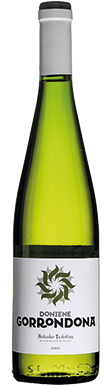
Doniene Gorrondona, Txakolí, de Bizkaia, Northern Spain, Spain, 2020
93
Pure Hondarrabi Zuri coming from some of the best vineyards in the Bakio area, close to the sea. A lovely compromise between freshness and complexity. Very clean, with wild herbs and white fruit aromas. Rather round and balanced, with an expressive open finish. This winery is improving year after year. Delicious. I think it will keep for at least five years.
2020
Doniene GorrondonaTxakolí
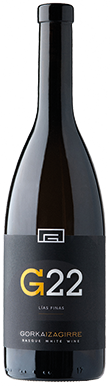
Gorka Izagirre, G22, Txakolí, de Bizkaia, Northern Spain, Spain, 2019
92
The heroes of Hondarrabi Zerratia (Petit Courbu), a grape variety that definitely provides more intense aromas and a very harmonious expression, while keeping a genuine Basque expression. Shows evidence of lees ageing, while keeping amazing freshness. Totally original and a benchmark for continental Biskaiko Txakoli, very different to its Atlantic cousins.
2019
Gorka IzagirreTxakolí
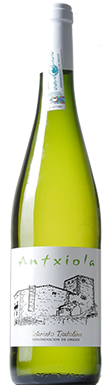
Zudugarai, Antxiola, Txakolí, de Getaria, Northern Spain, Spain, 2020
91
Benchmark classic Getaria Txakoli. With some bubbles, more foamy than sparkling, Green lemon and dried herb aromas, iodine notes, intense but ethereal. Very high acidity, with an appetising finish. The beauty of simplicity, a genuine Atlantic wine with a sense of origin.
2020
ZudugaraiTxakolí
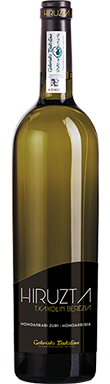
Hiruzta, Berezia, Txakolí, de Getaria, Northern Spain, Spain, 2019
91
A modern expression of the best Getaria vineyards; ripe and balanced, firm but very fresh, well supported by some lees ageing which provides roundness and a long finish. Very deftly made, a Txakoli for slow drinking.
2019
HiruztaTxakolí
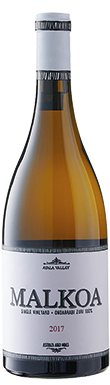
Astobiza, Malkoa, Txakolí, de Alava, Northern Spain, Spain, 2017
91
Single-vineyard wine from Alava, distilling the ambition of luxury Txakoli. Careful grape selection, long ageing (20 months) in concrete vats, in contact with the lees. Round and firm, quite atypical for Txakoli, with ripe fruit aromas, bready and honey hints. Quite powerful, despite moderate alcohol. Very good in its more international style.
2017
AstobizaTxakolí
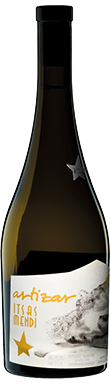
Bodegas Itsasmendi, Artizar, Txakolí, de Bizkaia, Northern Spain, Spain, 2016
91
The ultimate experiment for late-harvest dry Txakoli, aged in 2,000-litre oak vats, on its lees. Intense straw colour, with slightly developed aromas of ripe citrus fruit, wax and dried herbs. Ambitious, quite impressive. The proof of expert winemaking rather than an expression of a particular vineyard.
2016
Bodegas ItsasmendiTxakolí
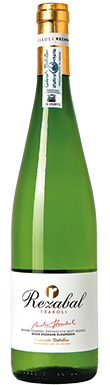
Bodega Rezabal Erdera, Rezabal, Txakolí, de Getaria, Northern Spain, Spain, 2020
90
The classic Getaria Txakoli, adorable in its simplicity. Herbaceous and green lemon aromas. Crisp acidity, light body, it's all about freshness. A wine that invites you to drink a lot – dangerous. Almost salty, pure ocean.
2020
Bodega Rezabal ErderaTxakolí
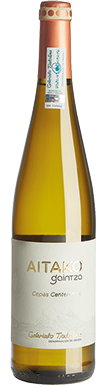
Gaintza, Aitako, Txakolí, de Getaria, Northern Spain, Spain, 2019
90
An original style, with ripe white fruit and biscuit aromas, probably due to lees contact. A blend of Hondarrabi Zuri with 15% Chardonnay, this is very fresh in the mouth, clean and well-balanced. A very pleasurable style of wine, not very genuine character but well made.
2019
GaintzaTxakolí
Bodega Elizalde, Mendraka, Txakolí, de Bizkaia, Northern Spain, Spain, 2020
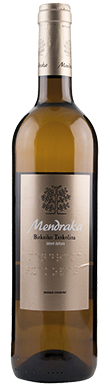
90
This winery explores the complexity of a later harvest, while making wines that retain the essence of oceanic freshness. This is well-balanced and open, straightforward.
2020
Bodega ElizaldeTxakolí
Agerre, Txakolí, de Getaria, Northern Spain, Spain, 2020
88
A very light style, as old-time Txakoli used to be, with a cloudy lemon colour and some bubbles. Extremely refreshing: a clean wine that's a great alternative to classic Muscadet. Highly enjoyable!
2020
AgerreTxakolí
