
Amber champions: Top 30 orange wines
Though divisive, orange wine is a style that’s finally gaining real popularity among winemakers and drinkers alike. Simon J Woolf endeavours to put any remaining scepticism to rest, explaining the traditions behind the technique and recommending 30 of his favourite skin-contact discoveries.


Five years is a long time in wine. When I first wrote at length about orange wines in Decanter, in 2015, many wine pundits still viewed the style with suspicion – if not downright derision. It felt slightly bleeding edge, even if these wines had been appearing on our shelves for more than a decade.
Now, in 2020, the fourth wine colour has elbowed its way into the hearts and minds of exponentially more adventurous drinkers around the globe, with orange wines produced and enjoyed on every continent. And justly so – with four possible combinations of red or white grapes with or without skins, why ignore 25% of wine’s possibilities?
Some are still perplexed by the style – or, more particularly, the name. If you accept the lexicon of red, white and rosé, then why not orange too? In actuality, all four terms describe the winemaking technique (grape colour, plus skins or not) rather than colour or style, per se.
‘It shouldn’t be forgotten that “natural wine” represents an overarching philosophy, whereas “orange wine” describes a specific technique’
It follows that not all orange wines are dark-amber coloured, tannic and cidery, just as not all red wines are mega-purple hued, grippy and oaky. Each of these four categories of wine offers up a multitude of taste, aroma and weight profiles.
Let’s tie down that definition: orange wines aren’t made from oranges any more than rosé wines are made from roses. The term, first coined in 2004, concisely describes wines made from white grapes that have been fermented with their skins, unlike mainstream white wines, where skins will be discarded beforehand (even if a pre-fermentation cold soak is part of the equation). These are white wines made like red wines, the perfect food-friendly marriage of a white grape’s acidity and freshness with the texture and structure more often experienced in reds.
A style with history
The concept is timeless. Georgia boasts archaeological finds indicating that wine has been fermented in amphorae (qvevris) made of clay for at least 6,000 years – and amber wines (made from white grapes) have always formed the cultural backbone of this important wine nation. Historical records and winemaking books from Austria and Slovenia show that skin-fermenting white grapes was common in many parts of the old Austro-Hungarian empire.
As New Zealand winemaker Theo Coles (The Hermit Ram) notes, ‘these are basically pre-technology wines’. The modern-day concept of a light-coloured, fresh-tasting white wine requires a press, a destemmer and most probably a temperature-controlled stainless steel tank and a filtration system. Orange wines have simpler needs: just perfect grapes and a vessel (be it clay, wood, steel or plastic) for fermentation.
Such simplicity in wine is a virtue that has come into much sharper focus with the increased interest in minimal-intervention or natural wines. The modern revival of orange wine overlaps with and has been underpinned by the natural wine community – it shouldn’t be forgotten, though, that the term ‘natural wine’ represents an overarching philosophy, whereas ‘orange wine’ describes a specific production technique.
The genius of modern-day Collio pioneers Joško Gravner and the late Stanko Radikon was breathing new life into an older style of winemaking that the world had largely forgotten by the 1950s. Their daring presentation of vino bianco macerato (macerated white wine) as fine wine rather than rustic vina da tavola acted as a catalyst.
It’s given a whole generation of younger Slovene and Italian winemakers the confidence to make similar stylistic decisions – and to take risks, knowing that there’s now a receptive audience for their output.
What’s old is new
While the technique of skin-fermenting white grapes has its deepest cultural roots in Georgia and central Europe (Slovenia, Croatia, northern Italy), many other countries and regions are now rediscovering their own similar traditions. In Portugal’s hot Alentejo region, making wine in large amphorae called talhas has a history that dates back to the Romans, yet its practice took place behind closed doors until very recently. As with Georgia, skin-fermented white grapes and thus amber or orange-tinged wines have always been to the fore – Alentejo’s reputation as a red wine region is a recent development.
‘With four possible combinations of red or white grapes with or without skins, why ignore 25% of wine’s possibilities?’
Talha wines are traditionally consumed straight from the clay, with the cellars transforming into ad-hoc social spaces during the winter. However, since the creation of a talha wine DO in 2010, bottled examples also exist. Amphorae of all shapes and sizes are common in Spain too, and increasing numbers of artisan winemakers have equipped (or re-equipped) their cellars with tinajas in recent years. Staying in the Spanish-speaking world, Chile has an old tradition of producing roughly destemmed, barrel-fermented wines called pipeño, now being revitalised by producers such as Roberto Henríquez in Bío Bío. Both red (chiefly País) and white (Moscatel) varieties are skin-fermented.
Winemakers in New World countries are enthusiastically taking to the style – and often repurposing skin-fermentation in new or innovative ways. In Stellenbosch, Mick and Jeanine Craven use it as part of the blend, rather than going for a no-holds-barred ‘orange’ style. Deirdre Heekin, based in cold-climate Vermont, uses skin contact to add vital depth to her hybrid grape varieties. And in Central Otago, Japanese winemaker Yoshiaki Sato skin-ferments to create silky smooth, Burgundian-style cuvées where fruit and aromatics don’t overwhelm the other elements. The possibilities are endless.
Orange wine as a genre can now claim a number of seminal producers. Notable examples include Gravner, Radikon and Dario Prinčič in Oslavia; Mlečnik, Movia and Cotar in western Slovenia; and Vodopivec and Skerk in the Italian Carso.
For the recommendations here, though, I’m sharing recent discoveries, lesser-known producers and exciting new projects. The wines I’ve selected run a very broad gamut, whether your taste extends to lighter or heavier, aromatic or savoury, structured or supple. Uncork them with an open mind, don’t chill too much (12°C-14°C is about right) and if possible, combine with sustenance. Have fun, and let’s talk again in another five years?
Simon Woolf’s top 30 orange wines
Gernot Heinrich, Graue Freyheit, Burgenland, Austria, 2017
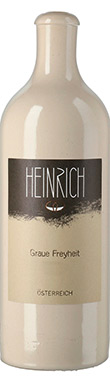

Since Gernot Heinrich fell in love with skin contact whites, this blend of Pinots Gris and Blanc, plus a seasoning of Chardonnay, has gone from...
2017
Gernot Heinrich

Zorjan, Dolium Muscat Ottonel, Štajerska, Podravje, Slovenia, 2015
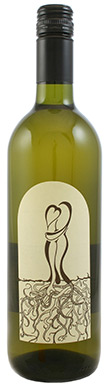
The qvevri (and other amphorae) at Božidar Zorjan’s bucolic estate in Slovenian Styria are buried under the stars. This Muscat spent six months on skins...
2015
Zorjan
Herdade do Rocim, Amphora Branco, Alentejo, Portugal, 2018
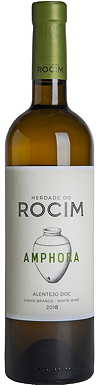
This stunning effort from winemaker Catarina Vieira stays on its skins (and some stems) in the talha for six months – too long to qualify...
2018
Herdade do Rocim
Blazic, Rebula Selekcija, Goriska Brda, Slovenia, 2015
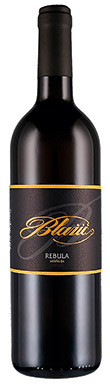
Thick-skinned Rebula needs only 10 days of skin contact (as here) to create a seriously structured, complex wine. This standout vineyard selection from Borut Blažič...
2015
Blazic
Dakishvili Family Selection, Kisi, Kakheti, Georgia, 2018
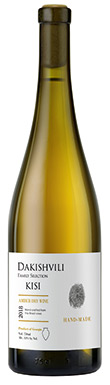
Giorgi Dakishvili and sons continue to turn out brilliant traditional qvevri wines, even if it’s a challenge to keep up with their label changes (what...
2018
Dakishvili Family Selection
Casreli, Chitistvala, Kakheti, Georgia, 2017
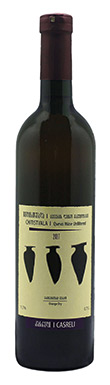
Five doctors created Casreli in 2015, initially just to make wine for themselves. Using entirely their own organically farmed fruit, in a blend based on...
2017
Casreli
Quinta da Costa do Pinhão, Branco, Douro Valley, Portugal, 2016
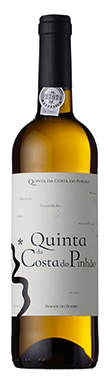
Miguel Morais’ family property historically sold grapes to the major Port shippers, but since 2014 he has made a small range of table wines including...
2016
Quinta da Costa do Pinhão
Supernatural Wine Co, Green Glow, Hawke’s Bay, New Zealand, 2015
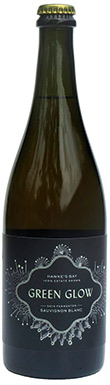
Kiwi Sauvignon takes on new garb here. The aromas span mango, papaya and toffee-apple, but it’s the texture that really grabs the attention – velvety,...
2015
Supernatural Wine Co
Donkey & Goat, Stone Crusher, California, USA, 2017
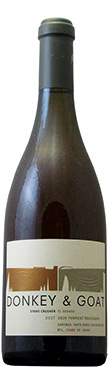
Jared and Tracey Brandt started skin-fermenting their Roussanne in 2007. This open-vat fermented 2017 has a wonderfully aromatic nose, full of apricot and ripe peach....
2017
Donkey & Goat
Andreas Gsellmann, Exempel Neuburger, Burgenland, Austria, 2016
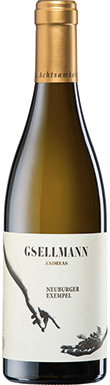
For Andreas Gsellmann, skin contact is a component of all his white wines. Here, 100% of the blend fermented on the skins for seven days....
2016
Andreas Gsellmann
Papari Valley, 3 Terraces Chinuri-Rkatsiteli, Kakheti, Georgia, 2018
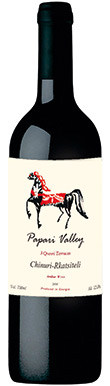
Lovely lift in this unusual blend of Chinuri from the Kartli region and Rkatsiteli from Kakheti. Exotic fruits (kiwi, rambutan) do battle with perfectly ripe,...
2018
Papari Valley
Ruth Lewandowski, Mahlon, California, USA, 2017
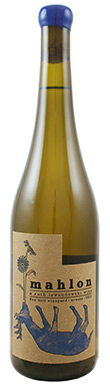
You couldn’t make it up: harvest some Arneis in Mendocino county, then truck it to Utah while it’s fermenting in plastic vats. Throw in some...
2017
Ruth Lewandowski
Aphros, Phaunus Loureiro, Vinho Verde, Portugal, 2018
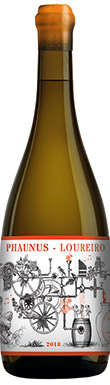
92
Vasco Croft and team keep pushing the envelope with this talha-fermented Loureiro. This year it stayed on the skins for seven months, and emerges with fascinating flavours of smoked honey, tangerine and a balsamic hint. The nose plays more to sage and whitecurrants, and there are very subtle, ripe tannins underpinning the whole thing. Biodynamic.
2018
Aphros
Ca’ de Noci, Notte di Luna, Emilia Romagna, Italy, 2016
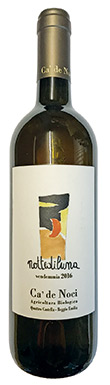
92
The Masini brothers are situated in the middle of Reggio-Emilia (Lambrusco land), and as well as some wonderful ancestral bubbles they also make this delicate, aromatic blend of Spergola, Malvasia de Candia and Moscato. With about a week on the skins, there’s just enough texture to offset the perfumed nose and delicate palate. An absolute charmer.
2016
Ca’ de Noci
Marco Merli, Mosco, Umbria, Italy, 2018
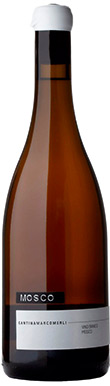
This youngish winemaker is doing great things at his family’s tiny estate near Perugia, using cement tanks in lieu of barrels. Among a clutch of...
2018
Marco Merli
Ferdinand, Brutus, Goriska Brda, Slovenia, 2016
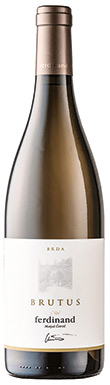
A 12-month macerated gem from talented winemaker Matjaž Cetrtič. There are beguiling aromas of autumnal, stewed fruits with a fresh sensation of sage. The palate...
2016
Ferdinand
Pranzegg, GT, Trentino-Alto Adige, Italy, 2018
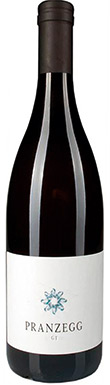
Proof, if any were needed, that aromatic varieties take to skin contact (here five days in steel tank) like a duck to water. This is...
2018
Pranzegg
Baia’s Wine, Tsitska-Tsolikouri-Krakhuna, Imereti, Georgia, 2018
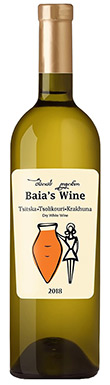
Baia Abuladze is emerging as one of westerly Imereti’s best winemakers, working at her family’s estate. Her sister Gvantsa also makes wine. This blend of...
2018
Baia’s Wine
Bojador, Vinho de Talha Branco, Alentejo, Portugal, 2018
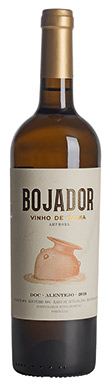
Pedro Ribeiro is winemaker and general manager at Herdade do Rocim (see p20), but Bojador is his personal project. A field blend of local varieties...
2018
Bojador
Intellego, The Sleeping Co-pilot, Swartland, South Africa, 2018
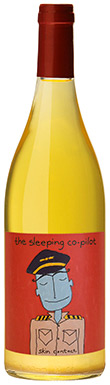
91
Jurgen Gouws’ skin-contact Chenin Elementis is a cult classic in orange wine circles. This new whole-bunch fermented Viognier is every bit as charming, and has a similarly lovable label. It overflows with ripe pear fruit, yet the subtle stemmy grip reins it in beautifully, making it feel tight and sculpted. Gouws harvests early, so it’s a joyfully refreshing Viognier
2018
Intellego
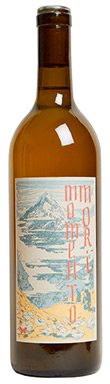
Momento Mori, Staring at the sun, Heathcote, Victoria, Australia, 2018
91
Made from the Italianate blend of Vermentino, Fiano, Malvasia and Moscato Giallo, you’d never know this has seen three months of skin contact. Dane Johns likes to ferment in a closed stainless steel tank, and this preserves incredible vitality and soft texture. The final result is packed full of juicy citrus fruit with a lick of ginger and salt on the finish.
2018
Momento MoriHeathcote
Roberto Henríquez, Molino del Ciego, Itata Valley, Chile, 2018
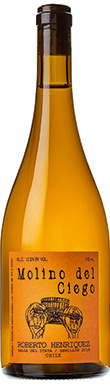
It’s wonderful to see winemakers like Roberto breathing new life into Chile’s old pipeño tradition: grapes roughly destemmed and then skin-macerated. In this case, a...
2018
Roberto Henríquez
Yann Durieux, Recrue des Sens, Burgundy, France, 2016
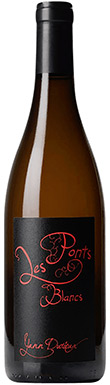
One of two macerated Aligotés from cult winemaker Yann Durieux, this spicy, hay-tinged wine shows very clearly that Aligoté doesn’t have to be an inferior...
2016
Yann Durieux
Craven Wines, Clairette Blanche, Stellenbosch, South Africa, 2018
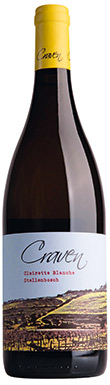
Take one forgotten old plot of the once-popular (in Stellenbosch) blending variety Clairette Blanche; add an Australian/South African winemaking couple; skin ferment 65% of the...
2018
Craven Wines
Slobodné Vinárstvo, Cutis Deviner, Nitrianska, Slovakia, 2016
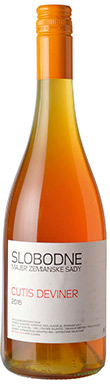
Translating as ‘free winery’, a group of friends restarted production at this family estate in 2010. Their wines have a nervous energy and pungent aromatics,...
2016
Slobodné Vinárstvo
Vignoble du Rêveur, Un Instant sur Terre, Alsace, France, 2016
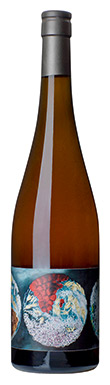
Mathieu Deiss ferments this Pinot Gris/Gewurztraminer-based blend in amphorae, where it spends a total of six months. Invitingly rose-scented, the fruit is ripe and the...
2016
Vignoble du Rêveur
Ancre Hill Estates, Orange Wine, Wales, United Kingdom, 2017
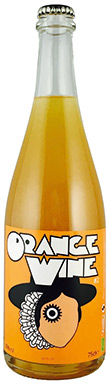
Albariño isn’t such a crazy idea in Wales – it’s just about as wet as its homelands in Galicia! With 45 days of skin contact...
2017
Ancre Hill Estates
Yetti & The Kokonut, Mt Savagnin, McLaren Vale, South Australia, Australia, 2018
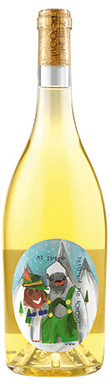
Made by winemaking duo Koen Janssens (the Kokonut) and Dave Geyer (the yeti), from a biodynamic plot of Savagnin, head-grafted onto Cabernet Sauvignon roots in...
2018
Yetti & The KokonutMcLaren Vale
Emeran Reya, Rebula, Goriska Brda, Slovenia, 2017
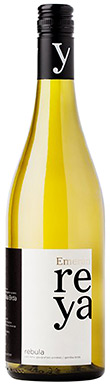
A five-day macerated Rebula from this new-on-the-scene producer shows just how well-suited this grape variety is to skin contact. The lightness and deftness is charming,...
2017
Emeran Reya
Zorah, Heritage Chilar, Armenia, 2018
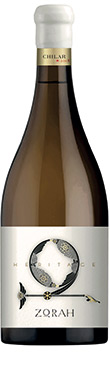
First release of this amphora-fermented Chilar – an almost forgotten Armenian grape variety, growing at very high altitude. Despite 60 days of skin contact, what...
2018
Zorah
