
Barolo 2016 & Riserva 2014: Report and 100 wines tasted
There are plenty of excellent wines from 2016, but how did the 2014 Riservas fare? Stephen Brook reports


The great majority of these wines were tasted blind in January 2020 at the Nebbiolo Prima event in Alba, while others were tasted (non-blind) at the Grandi Langhe event that followed immediately after in Alba.
Others were tasted in London at importers’ tastings. Unfortunately at least one major tasting had to be cancelled because of Coronavirus, so some wines from top producers could not be tasted. And, as always, many estates choose not to pour their wines at tasting events.
Barolo 2016
Very warm weather in early September and October fully ripened the grapes, which remained healthy. Exceptional vintage for Nebbiolo.
5/5
It was obvious a year ago, when the 2016 Barbarescos came on the market, that this was an exceptional vintage for Nebbiolo. Even though the 2015 vintage had been met with acclaim, it seemed to many that the 2016s were even better – an impression confirmed after tasting the 2016 Barolos.
Dozens of excellent wines have had to be omitted from the recommendations that follow simply because there is not space to cover them all. Moreover, one finds the same diversity of styles as in a less homogenous vintage. House styles and vineyard typicity have not been eradicated by the high ripeness levels.
Vintage conditions
After a mild, dry winter, a rainy spring followed which helped to restore the water table. It was not especially warm, so there was little disease. The relatively cool temperatures also slowed the ripening season, and this continued through the summer and well into September.
Quick link: See all 100 Barolo 2016 & Riserva 2014 wines tasted
There was some rainfall, so the summer was not too parched, as rain fell at moderate intervals. Indeed, some rain was beneficial, and constant breezes kept disease at bay. The only fly in the ointment was limited hail damage in some Barolo vineyards such as Cerequio and in La Morra too.
The fine weather brought the grapes to high but not excessive ripeness levels, and the harvest continued at a relaxed pace until mid-October. Vietti in Castiglione Falletto, for example, picked from 6 to 12 October.
However, the weather had been slightly cooler than in 2015 and this made a significant difference, as acidity levels in the Nebbiolo were higher than in the preceding vintage. The vinifications were straightforward, and malolactic fermentation was completed at a leisurely pace. Moreover, alcohol levels were slightly lower than in 2015. There were a handful of flabby, overripe wines but they were very much the exceptions.
Comparisons
Most 2016s have a classic Barolo profile from a great year, and they are both structured and balanced. Vietti observed that even the seed tannins were ripe in 2016, so there was little risk of extracting harshness during the fermentation. In this respect they are comparable to the 2010s, but that vintage had its own specificity. Others compare it to 2013, but overall 2016 is the superior vintage.
Commune performance
As so often during this decade, the wines from Serralunga were often sensational. There were also excellent wines from Monforte, many with a distinctive savoury character. Castiglione Falletto also fared well. But there were some disappointments from Barolo itself, with some soft wines that lacked flair and persistence. La Morra was variable too, but given the size of the commune and its varying elevations, this came as no surprise. As in Barolo, some wines were a touch too soft, while others lacked volume and drive. But of course there were exceptions too.
Ageability
There is no reason to doubt that these wines will age very well. They don’t, I would guess, demand further bottle age in the way that more tannic vintages such as 2006 did. In the past, ferocious tannin levels and astringency meant that many Nebbiolos from top producers had to be cellared in order to become pleasurable. Advances in farming and vinification mean that most wines are accessible at a much younger age these days. But every one of these wines will benefit from a further five years in bottle and it would be a shame to drink the best wines now – their balance, acidity and structure should ensure a long life.
Barolo 2014 Riservas
After a stormy, wet summer, a fine September saved the vintage, although hail did much damage. Some very good wines, but inconsistent.
3/5
2014, as I reported two years ago, was undoubtedly a difficult vintage in Barolo. Wet conditions during the summer led some growers to panic and pick too early, even if for understandable reasons. Many estates did not release any single-vineyard wines but chose to instead blend the grapes so as to produce a generic Barolo of good quality. Others had the courage (or means) to wait until better weather returned in the autumn, as it did, and then pick at higher ripeness levels. So although it won’t count as a great vintage, 2014 did produce some very good wines – but not consistently.
Many of the wines were enjoyable young and overall it did not seem to be a year for lengthy cellaring. That makes it surprising that a few producers did opt to produce Riservas in 2014, requiring longer ageing of the wines in wood that could risk drying out the wines. Of the handful of 2014 Riservas tasted, some were clumsy, and the successes can be counted on the fingers of one hand.
Stephen’s top Barolo 2016 & Barolo Riserva 2014 wines:
See all 100 wines tasted
You may also like:
Barolo 2016 ‘classico’ late releases tasted
Barolo 2016 ‘MGA’ late releases tasted
Barolo 2006: Panel tasting results
Pelaverga Verduno: Piedmont’s hidden treasure
Introducing Damilano’s Raviole cru: A new Barolo
Vietti, Lazzarito, Barolo, Serralunga d’Alba, Piedmont, Italy, 2016
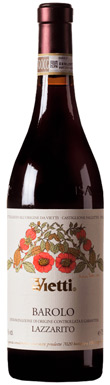

Although this leading producer changed ownership in 2016, the winemaking team remains unaltered. Most of its Barolos come from Castiglione Falletto, but the estate also...
2016
ViettiBarolo

GB Burlotto, Monvigliero, Barolo, Verduno, Piedmont, Italy, 2016
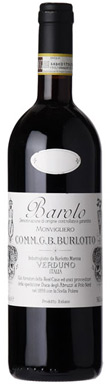
GB Burlotto’s two hectares of Monvigliero are in the historic amphitheatre of this cru, facing due south. According to Fabio, the warm site produces consistently...
2016
GB BurlottoBarolo
Luigi Vico, Prapo, Barolo, Serralunga d’Alba, Piedmont, Italy, 2016
2016 was the first vintage for this Serralunga native, who established his commercial career in Turin. He's certainly got off to a good start with...
2016
Luigi VicoBarolo
Reverdito, Badarina, Barolo, Serralunga d’Alba, Piedmont, Italy, 2016
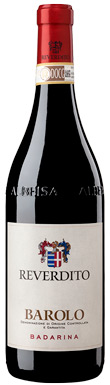
The Barolo lover is spoilt for choice at Reverdito, who offers up to seven different bottlings. Most come from sites in La Morra, but Badarina...
2016
ReverditoBarolo
E Pira & Figli, Mosconi, Barolo, Monforte d’Alba, Piedmont, Italy, 2016
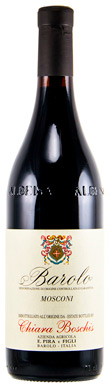
The vivacious Chiara Boschis has been a modernist producer for 25 years, although she now uses far less new oak than in the past. She...
2016
E Pira & FigliBarolo
Palladino, Parafada, Barolo, Serralunga d’Alba, Piedmont, Italy, 2016
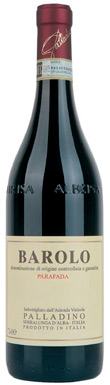
Deeply embedded in Serralunga, Palladino has been on a roll in recent vintages. Parafada is a south-facing site, and the wine is aged both in...
2016
PalladinoBarolo
Casa E di Mirafiore, Lazzarito, Barolo, Serralunga d’Alba, Piedmont, Italy, 2016
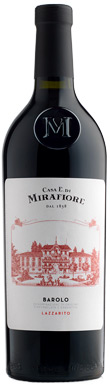
Mirafiore is a micro-winery within the vast Fontanafredda estate. Grapes are fermented with natural yeasts and given a long maceration period. Lazzarito is an outstanding...
2016
Casa E di MirafioreBarolo
Paolo Manzone, Meriame, Barolo, Serralunga d’Alba, Piedmont, Italy, 2016
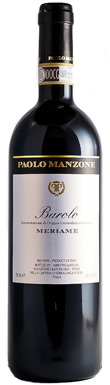
In some vintages Manzone's wines can show some overripeness and cooked characters, but not in 2016. His top Serralunga site is Meriame, where he owns...
2016
Paolo ManzoneBarolo
Bruno Giacosa, Falletto, Barolo, Serralunga d’Alba, Piedmont, Italy, 2016
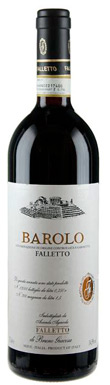
A massive wine from Serralunga, this displays dense cherry and red-fruit aromas that are solid and brooding. Full-bodied with firm tannins that are chunky now,...
2016
Bruno GiacosaBarolo
Amalia, Le Coste di Monforte, Barolo, Monforte d’Alba, Piedmont, Italy, 2016
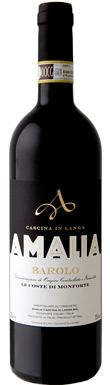
94
This estate's top vineyards are in Monforte. Its succulent Bussia in this vintage is surpassed by the Coste di Monforte, which is produced from 1ha at 400 metres. The raspberry-scented nose is sweet and intense and shows finesse. It's the balance that impresses here: rich and full-bodied, weighty but not too extracted, with polished tannins and great concentration. The finish is spicy, intense, complex and long.
2016
AmaliaBarolo
Bruno Giacosa, Le Rocche del Falletto Riserva, Barolo, Serralunga d’Alba, Piedmont, Italy, 2014
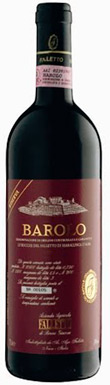
Giacosa's Riservas are among the most prized wines in Piedmont, and even in this difficult vintage the property made an outstanding wine from this vineyard...
2014
Bruno GiacosaBarolo
Franco Conterno, Bussia Riserva, Barolo, Monforte d’Alba, Piedmont, Italy, 2014
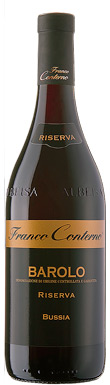
This large estate owns vineyards in five communes, but its finest possession is a parcel in a steep section of Bussia in Monforte that is...
2014
Franco ConternoBarolo
Gigi Rosso, Arione dell'Ulivo Riserva, Barolo, Serralunga d’Alba, Piedmont, Italy, 2014
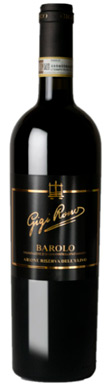
This will be the last vintage of this wine from Gigi Rosso. In 2015 Maurizio Rosso sold to Giacomo Conterno the Serralunga vineyard which has...
2014
Gigi RossoBarolo
