
Baudains: Montalcino’s quiet revolution
Richard Baudains discusses Montalcino's imbalance when it comes to plantings of Brunello di Montalcino versus Rosso di Montalcino.


A quiet revolution is underway in Montalcino. A reset of vineyard quotas approved at the end of 2024 is destined to dramatically increase the production of Rosso di Montalcino, creating exciting new prospects for what has traditionally been regarded as Montalcino’s second wine.
Rosso di Montalcino is a kind of younger sibling. Like Brunello di Montalcino, it must be made from 100% Sangiovese and its DOC overlaps in toto with that of the DOCG.
Notes for 12 excellent expressions of Rosso di Montalcino below
The differences lie in the ageing: Brunello comes out after four years, of which at least two years must be in wood, while Rosso can be released at one year from the vintage, without any requirements for the type of ageing.
The amount of wine which can be produced in a DOC/DOCG zone in Italy is controlled through a vineyard register, which specifies the area allocated to any given denomination.
In the case of Montalcino, up until September 2024, a total of 2,100 hectares were registered for the production of Brunello and less than a quarter of that area, 520ha, to Rosso di Montalcino.
Imbalance
This can be seen as an anomaly. ‘The quality pyramid at Montalcino is untypical’ says the newly-elected president of the producers’ consorzio, Giacomo Bertolomeo, ‘because it is inverted, with the biggest production at the top end of the pyramid and the entry level at the bottom.’
To redress this perceived imbalance, in September last year, the consorzio voted to substantially increase the area allotted to Rosso, adding an extra 352ha to the quota for a total of 872ha.
The consorzio is quick to point out that this increase will not involve any new planting. Rather, there will be a reallocation of existing rights, with vineyards previously registered to other denominations becoming available for the production of Rosso.
This means in theory that a producer can switch from an IGT production to Rosso – although this is the least likely scenario because IGT vineyards are mainly planted to international varieties and hence not available for the production of Rosso – or use vineyards previously allocated to Brunello.
The impact in terms of number of bottles is significant. According to the consorzio’s figures, average annual production of Rosso has hovered around 3.6 million bottles in recent vintages, against the 9 million bottles of Brunello.
Following the opening of the vineyard register, the potential production of Rosso di Montalcino from the 2024 vintage, which is due out in the autumn of this year, will more than double to 7.3 million bottles.
Rosso di Montalcino was originally conceived along the lines of Bordeaux’s second labels; as a way of maintaining the quality of the top cru of the estate by early bottling of parcels of younger vines or less well-sited vineyards, or by declassifying wines which do not come up to standard for long ageing.
An identity of its own
Many producers today reject this ‘deficit’ interpretation. Elisa Sesti from the estate of the same name believes passionately that Rosso di Montalcino ‘is an important expression of the terroir in its own right [which] allows you to put your finger on the pulse of Montalcino’.
Francesco Bufalini from Scopone has the same view. ‘Rosso has an identity of its own, which originates in the vineyard and comes from site selection’.
At Castiglione del Bosco, winemaker Cecilia Leoneschi adopts the same approach, making three single-vineyard Rossos (more than any other producer in Montalcino), each vinified and aged to reflect a specific sense of place.
This policy works for larger properties with vines in different locations. Small estates with single blocks of vineyard, however, often do not have the same options for site selection and in these cases the Rosso comes from a cellar selection.
Luciano Ciolfi at San Lorenzo picks the whole estate at low yields, vinifies all the fruit together, and at the end of the first year of ageing selects barrels ready for early drinking to bottle as Rosso.
Poggio di Sotto, whose Rosso has attained iconic status (and prices to match), follows the same procedure but monitors the lots over a longer period and releases a ‘white label’ Rosso after spending two years in 30hl Slavonian oak casks.
Around 40% of Poggio di Sotto’s total production is dedicated to Rosso, which is one of the highest proportions of any estate at Montalcino.
Communicating terroir
Montalcino is one of the greatest places in the world to grow Sangiovese, but it is limiting to think of Brunello, for all its majestic quality, as the only expression of the terroir.
Rosso di Montalcino is equally capable of communicating the character-defining variations in soils, elevations and topography of the region, but in a way which is immediately accessible.
It is conceived to deliver freshness and fruit aroma on release, with all the vibrant energy of young Sangiovese, but is capable of ageing comfortably over five to six years or more, is decidedly food friendly, affordable – and the good news is that it is due to become much more readily available.
Baudain’s 12 Rosso di Montalcino picks:
Related articles
- Rosso di Montalcino: Superb Sangiovese on the rise
- Best value Brunello di Montalcino 2020: 10 to buy
- Baudains: Wines from the Tuscan coast
Lisini, Rosso di Montalcino, Tuscany, Italy, 2023
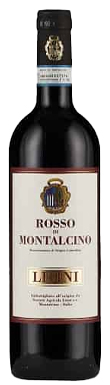

A blast of sour berries, candied peel, undergrowth and freshly cut herb aromas. No less exuberant on the palate, this is a big, dry, gritty,...
2023
LisiniRosso di Montalcino

Poggio di Sotto, Rosso di Montalcino, Tuscany, Italy, 2021
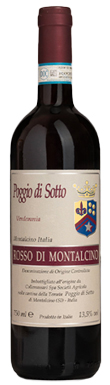
Here again there is the sweet red cherry of Sangiovese from the south of the commune, in this case complemented by precise notes of fresh...
2021
Poggio di SottoRosso di Montalcino
San Polino, Rosso di Montalcino, Tuscany, Italy, 2023
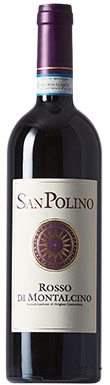
The nose is a bowl of big, ripe, juicy red cherries; the palate lush and layered with dense tannins, great depth of flavour and a...
2023
San PolinoRosso di Montalcino
Sesti, Rosso di Montalcino, Tuscany, Italy, 2021
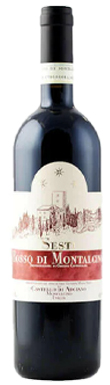
This opens with a spread of wild Mediterranean herb aromas and then, hidden at the back, notes of sour dark fruit and a faintly ferrous...
2021
SestiRosso di Montalcino
Sesta di Sopra, Rosso di Montalcino, Tuscany, Italy, 2023
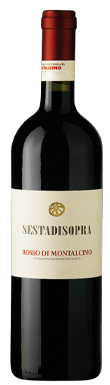
This is fresh and immediate, with ripe black cherry, blood orange and aromatic herb aromas with a hint of iodine. Vibrant acidity and soft extraction...
2023
Sesta di SopraRosso di Montalcino
Poggio alle Forche, Rosso di Montalcino, Tuscany, Italy, 2023
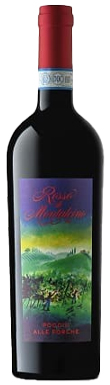
The red fruit, rosehip and floral aromas on the nose all denote a very specific sense of place, as does the velvety-textured palate with its...
2023
Poggio alle ForcheRosso di Montalcino
Castiglione del Bosco, Gaugiole, Rosso di Montalcino, Tuscany, Italy, 2022
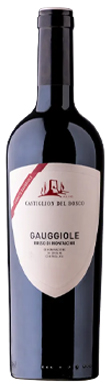
The nose is bright and fresh, with juicy plum and dark blossom aromas and an intriguing hint of pine kernels. The palate is broad and...
2022
Castiglione del BoscoRosso di Montalcino
San Lorenzo, Rosso di Montalcino, Tuscany, Italy, 2023
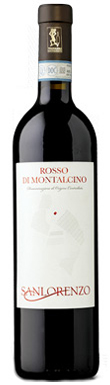
This has the authentic pale shade of the variety, and delicate floral and sour cherry aromas on the nose. Frm and dry, the mid-palate is...
2023
San LorenzoRosso di Montalcino
Scopone, Rosso di Montalcino, Tuscany, Italy, 2022

This has the inviting bright, pale ruby-violet look of young Sangiovese and the nose follows suit with its aromas of red cherry, raspberry and iris...
2022
ScoponeRosso di Montalcino
Argiano, Rosso di Montalcino, Tuscany, Italy, 2023
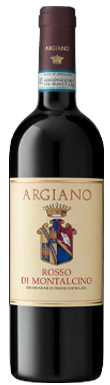
Enticingly fresh and open on the nose, with classic violet and cherry aromas. On the palate this is smooth and juicy with very fine, lightly...
2023
ArgianoRosso di Montalcino
Poggio Antico, Rosso di Montalcino, Tuscany, Italy, 2023
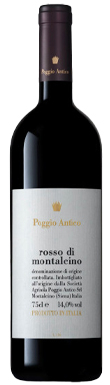
This has a cherry pie nose, with ripe fruit and hints of the lightly spicy oak hovering in the background. The palate delivers refined, fine-grained...
2023
Poggio AnticoRosso di Montalcino
Collemattoni, Rosso di Montalcino, Tuscany, Italy, 2023
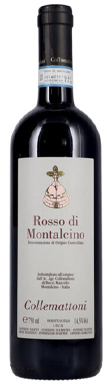
A very expressive nose of red fruit with touches of violets and almonds leads into a firmly structured palate with tannins which at present are...
2023
CollemattoniRosso di Montalcino
