Tuscan coast
Suvereto, in the Tuscan province of Livorno.
(Image credit: Getty Images/imageBROKER RF/ Franzel Drepper)

The Tuscan coast stretches along the Tyrrhenian for roughly 275km; from the border with Liguria to the north, to that with Lazio in the south. Sharing the coastline are five provinces – Massa-Carrara, Livorno, Lucca, Pisa and Grosseto – and they all produce wine, although not necessarily on the coast itself.

After a visit to some wineries in Bolgheri, it’s possible to nip across the road for a dip in the sea, but this is not always the case elsewhere.

Although it is common to refer to the ‘vini della costa’, it would be more accurate to refer to the wines of the coastal provinces, since much of the production takes place some way inland.

From the medieval walls of Manciano in the hills of the Morellino DOCG, you can just about make out the sea on the horizon on a fine day, and the wine village of San Miniato in the province of Pisa is closer to Florence than the coast.


Scroll down for a selection of wines from the Tuscan coast


Diversity

Perhaps unsurprisingly, given the size of the area they cover, the common denominator of the coastal provinces is diversity. Altitudes range from sea level to over 500 metres, and soils vary greatly; from the sand and silt of the coast, through clay, to the stony calcareous marl of the inland hills.

Lucca and Massa in the northwest have some of the highest rainfalls in Italy, while parts of the province of Grosseto suffer the risk of severe drought and desertification.

The coastal provinces are represented by the catch-all IGT Costa Toscana and a total of around two dozen DOC/DOCGs, which embrace a plethora of grape varieties. Sangiovese is present, but this red variety does not dominate as it does in the central hills of Tuscany.

Across the five provinces, to name only the principle DOC varieties without citing the more obscure native grapes, the coast features an impressive diversity of vines.

White varieties include Vermentino, Ansonica, Trebbiano, Viognier, Chardonnay, Sauvignon Blanc and even Sémillon and Roussane.

For the reds, in addition to Sangiovese you can find Cabernet Sauvignon, Cabernet Franc, Merlot, Petit Verdot, Syrah and Alicante, as well as Ciliegiolo and Canaiolo.

The shrinking regions

A virtual tour of the wine-growing areas of the Tuscan coast could begin in the north, in Massa-Carrara, famed for its ancient marble quarries. The wines made here come from tiny plots (the average holding is less than 0.5 hectares) planted on the wooded hills inland.

According to Regione Toscana and ISTAT data, the area under vine in Tuscany’s smallest province has sadly declined over the past 10 years to a mere 460ha, which is a great shame because the Colli Apuani and Colli di Luni DOCs produce herby-minerally Vermentino of great character.

The neighbouring province of Lucca also has a shrinking vineyard area, which currently stands at just under 600ha. The mild climate of the Colline Lucchesi favours fruity Vementino and soft, mid-weight reds from Sangiovese-based blends, and at Montecarlo further inland, stylish Syrah.

Lucca is known for its nucleus of pioneering organic and biodynamic producers who planted their flag in the province over 30 years ago and have kept it flying uncompromisingly ever since.

Not just a leaning tower

The 2,700ha of vineyards in the next province of Pisa extend over a wide area with markedly different growing conditions, but in general the climate is warmer and drier than that of Lucca. In the past, the province was known (but not particularly widely) for the light, ‘everyday’ wines of the Colli Pisani.

The more recent Terre di Pisa DOC is giving the area’s production some coherence and raising the visibility of one of the most interesting and unexplored areas of the coast. The most representative estates produce structured, ageworthy reds from international varieties, but there are also pockets of excellent Sangiovese.

Pisa is inevitably over-shadowed by Bolgheri in the neighbouring province of Livorno, but it has a lot to offer.

Carte bianco

Bolgheri needs no introduction. The densely-planted 2,900ha of vineyards stretch along the coast. On the first range of hills inland it produces Cabernet of a silky elegance which puts Tuscany on the international map.

The top estates have become the source of blue-chip investment wines, but if you scale down from the Superiore category, Bolgheri DOC offers pleasing wines at humane prices. Bolgheri Bianco is a growing presence since revisions to the DOC gave producers carte blanche to mix and match varieties at will to create personalised estate wines.

White wines will never outclass the reds, but they add an attractive new dimension to the production.

If Bolgheri is about elegance, further down the coast at Suvereto – the province’s other great red wine denomination – it is all about power and structure, using the same Bordeaux varietals but in a more muscular style with robust tannins.

Wide-ranging southern vineyards

With its 9,500 hectares, Grosseto has the third biggest vineyard area in Tuscany after the provinces of Florence and Siena, and in terms of volume of production, Grosseto’s Maremma Toscana DOC is the third most important in the region.

It is also the one province along the coast which has seen significant expansion in the past 10 years, mainly thanks to the boom of Vermentino planting.

Among the Sangiovese-based denominations, the soft and fruity Morellino di Scansano DOCG catches the eye. The inland hills are also home to a renaissance of the dry, cherry-scented Ciliegiolo.

White variety Ansonica has its own DOC on the Grosseto coast and on the island of Elba, and it is also the protagonist of the heroic viticulture of Giglio.

The Trebbiano-based Pitigliano comes from the volcanic soils around the town of the same name.

The location is spectacular; the quality of the wines of this historic DOC generally less so – but in the hands of a producer who treats it seriously, Pitigliano is a terroir wine with a striking mineral intensity.


Wines from the Tuscan coast: Baudains’ top 20 picks

What follows is a selection of my favourite wines from the excellent Vini delle Coste event, held every year in Lucca, supplemented by a couple of notes from the Vinitaly trade show in Verona. To give the selection a sense of place, and at the cost of excluding some outstanding bottles which are released under the generic Toscana IGT, I have included only wines from the DOC/Gs of the coastal provinces, or those which use the easily identifiable Costa Toscana label.


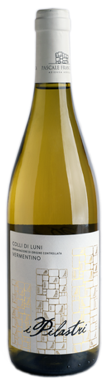
Pascale Francesca, I Pilastri Vermentino, Colli di Luni, Tuscany, Italy, 2023

My wines
Locked score

A Vermentino of great refinement from Fosdinovo, one of the classic cru of the Colli di Luni. It has a nose of great purity, elegance and intriguing complexity, with sweet honeysuckle, pear skins, orange peel and a hint of mint and fennel. The palate is fresh and delicately tactile, poised and with a long, lingering finish.

2023

TuscanyItaly

Pascale FrancescaColli di Luni

Decanter Premium logo

Join Decanter Premium to unlock all our wines tastings and notes

Join Now

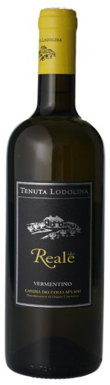
Tenuta Lodolina, Reale Vermentino, Candia dei Colli Apuani, Tuscany, Italy, 2022

My wines
Locked score

Late picking in this hot, dry vintage presents an original, very opulent take on the variety. There's magnified aromatic intensity of juicy peach mingling with dried apple, rose water and a touch of aniseed, and also a very powerful presence on the palate. A wine with luscious depth of flavour and a firm underlying acidity.

2022

TuscanyItaly

Tenuta LodolinaCandia dei Colli Apuani

Decanter Premium logo

Join Decanter Premium to unlock all our wines tastings and notes

Join Now

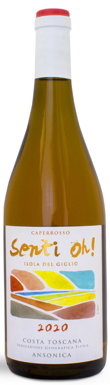
Fontuccia, Caperrosso Ansonica, Costa Toscana, Tuscany, Italy, 2024

My wines
Locked score

From bush vines grown on the rocky terraces of the island of Giglio, this opens with complex and evocative aromas of Mediterranean herbs, a touch of sweet, ripe yellow fruit, and the typical Ansonica note of fennel. On the palate it is round and soft, with gentle acidity but a distinctive salty tang on the finish which gives length to the wine.

2024

TuscanyItaly

FontucciaCosta Toscana

Decanter Premium logo

Join Decanter Premium to unlock all our wines tastings and notes

Join Now

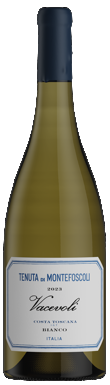
Tenuta di Montefoscoli, Vacevoli, Costa Toscana, Tuscany, Italy, 2023

My wines
Locked score

An original blend of Vermentino, Viognier and Petit Manseng. The very attractive pale buttercup shade suggests a working in oak, which is confirmed in the hint of vanilla behind the sweet ripe fruit and light spice on the nose. The succulent, richly flavoured palate has depth and structure, with a bright tropical fruit finish. Drinking now, but built to evolve with bottle age.

2023

TuscanyItaly

Tenuta di MontefoscoliCosta Toscana

Decanter Premium logo

Join Decanter Premium to unlock all our wines tastings and notes

Join Now

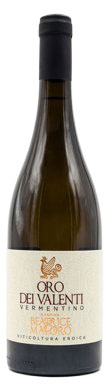
Beatrice & Maloro, L'Oro dei Valenti Vermentino, Candia dei Colli Apuani, Tuscany, Italy, 2023
My wines
Locked score

From a 2ha estate with a high percentage of old vines, this is a wine vinified with great precision. A slightly understated nose of spring blossom with a delicate phenolic note of moss leads into a concentrated palate which is satisfyingly dry and tangy, with a tactile quality which comes from the brief maceration and a long, savoury terroir finish.

2023

TuscanyItaly

Beatrice & MaloroCandia dei Colli Apuani

Decanter Premium logo

Join Decanter Premium to unlock all our wines tastings and notes

Join Now

Il Moretto, Arual Vermentino, Candia dei Colli Apuani, Tuscany, Italy, 2023

My wines
Locked score

Arual is the prize-winning top selection from a long-established family winery. There's lots happening on the nose, with the typical Vermentino aromas of wild herbs and a touch of mint mixed in with green pears, candied citrus peel and even a hint of liquorice. The ample palate is full and fleshy, with lowish acidity but a savoury-mineral intensity which follows through onto the broad finish.

2023

TuscanyItaly

Il MorettoCandia dei Colli Apuani

Decanter Premium logo

Join Decanter Premium to unlock all our wines tastings and notes

Join Now

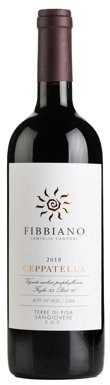
Fibbiano, Ceppatella, Terre di Pisa, Tuscany, Italy, 2018
My wines
Locked score

Terroir Sangiovese, from a single vineyard with stony calcareous soils yielding just over 2,000 bottles a year. This is a wine with striking personality. A catalogue of scents emanates from the glass, with sour plum, rosemary, violets, an underlying earthiness and a hint of white pepper. The textured palate is dense but confidently in balance, the tannins rigorous but perfectly ripe, and the finish infinitely long and articulated.

2018

TuscanyItaly

FibbianoTerre di Pisa

Decanter Premium logo

Join Decanter Premium to unlock all our wines tastings and notes

Join Now

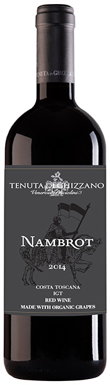
Tenuta di Ghizzano, Nambrot, Costa Toscana, Tuscany, Italy, 2021

My wines
Locked score

A preview of the 2021 vintage of this Merlot/Cabernet Franc/Petit Verdot blend, due to be released at the end of 2025. The background evokes the savoury herb scents of the Tuscan coast, while the foreground is all blackcurrant. There's great initial impact on the palate, and a progression which is expressive and full of vitality, but never over-stated, with a slightly piquant note of spices on the finish. All the right things are in the right places. Pure class.

2021

TuscanyItaly

Tenuta di GhizzanoCosta Toscana

Decanter Premium logo

Join Decanter Premium to unlock all our wines tastings and notes

Join Now

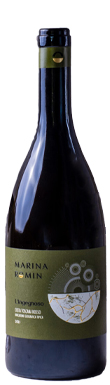
Marina Romin, L'Ingegnoso, Costa Toscana, Tuscany, Italy, 2021

My wines
Locked score

From one of the most established estates in the Colline Pisane, now under new and dynamic management, this comes from an original blend of the rare autochthonous Foglia Tonda and Pugnitello varieties. It opens slowly but with great assurance to reveal aromas of cassis and violets, with touches of newsprint and white pepper. The tightly packed and concentrated palate has ripe tannins, impressive depth of flavour, and a long earthy finish. A serious wine with a great future.

2021

TuscanyItaly

Marina RominCosta Toscana

Decanter Premium logo

Join Decanter Premium to unlock all our wines tastings and notes

Join Now

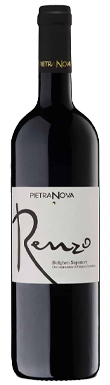
Pietra Nuova, Renzo, Bolgheri, Superiore, Tuscany, Italy, 2021

My wines
Locked score

This is looking very fresh in the glass, with a saturated ruby shade and violet borders. On the nose there is rich red fruit and on the palate this classic Cabernet Sauvignon/Merlot blend is full but supple, with great volume in the middle and a long, concentrated fruit finish with just the right amount of bite. Bolgheri elegance and style from vineyards on the slopes below the village of Castagneto Carducci.

2021

TuscanyItaly

Pietra NuovaBolgheri

Decanter Premium logo

Join Decanter Premium to unlock all our wines tastings and notes

Join Now

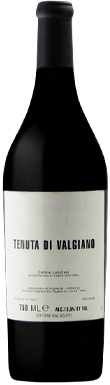
Tenuta di Valgiano, Colline Lucchesi, Tuscany, Italy, 2021

My wines
Locked score

From a biodynamic estate with iconic status, this Sangiovese-based wine is complemented by Syrah and a drop of Merlot. It's pale and very bright in the glass, with youthful freshness on the bramble jelly-and-violets nose and a palate which bursts with energy in all directions. There is volume, vibrant acidity, a slightly puckered tannic texture, and a finish which suggests that the wine still needs time to align its impressive array of sensations.

2021

TuscanyItaly

Tenuta di ValgianoColline Lucchesi

Decanter Premium logo

Join Decanter Premium to unlock all our wines tastings and notes

Join Now

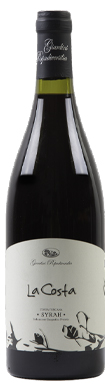
Giardini Ripadiversilia, La Costa, Costa Toscana, Tuscany, Italy, 2021

My wines
Locked score

A monovarietal Syrah with a deep ruby shade and intense aromas of wild berries and dark blossoms, and a hint of stalkiness and walnut mallow in the background. The very refined palate has tight tannins, a fluid progression, intense fruit and a firm, grippy finish. Benchmark Syrah from a boutique winery in the hills overlooking the beaches of Versilia.

2021

TuscanyItaly

Giardini RipadiversiliaCosta Toscana

Decanter Premium logo

Join Decanter Premium to unlock all our wines tastings and notes

Join Now

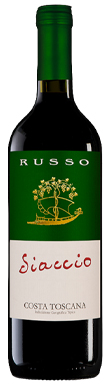
Russo, Siaccio, Costa Toscana, Tuscany, Italy, 2023

My wines
Locked score

A blend of Syrah, Cabernet Sauvignon and Merlot from a 14ha family-owned estate in Suvereto, this is young, vibrant and ready to drink. It's fresh and precise on the nose, with juicy blackcurrants and a light touch of spice. The palate is mid-weight, direct and firm, with finely judged tannins and dense, slightly smoky dark fruit on the finish.

2023

TuscanyItaly

RussoCosta Toscana

Decanter Premium logo

Join Decanter Premium to unlock all our wines tastings and notes

Join Now

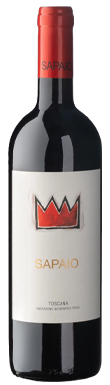
Sapaio, Bolgheri, Superiore, Tuscany, Italy, 2021

My wines
Locked score

From a vintage on a par with – and perhaps superior to – the great 2019, this 2021 shows crushed berries on the nose and a touch of cocoa powder and crème fraiche in the background. Full-bodied but reactive, it has an underlying vein of savoury minerals and a long, dry, tactile finish. A wine with great potential which needs a little more time to come together.

2021

TuscanyItaly

SapaioBolgheri

Decanter Premium logo

Join Decanter Premium to unlock all our wines tastings and notes

Join Now

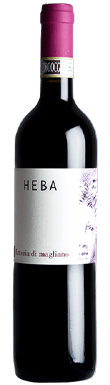
Fattoria di Magliano, Heba, Morellino di Scansano, Tuscany, Italy, 2021

My wines
Locked score

Sangiovese complemented by a drop of Syrah, from an estate which has toned down the extracted, full-bodied character of previous vintages in favour of stylish drinkability. Rose petal and powder puff aromas are accompanied by a touch of sweet spice from the very well-handled oak. The mid-weight palate has powdery-fine tannins with a firm underlying structure and a finish with notes of sour berries and juniper.

2021

TuscanyItaly

Fattoria di MaglianoMorellino di Scansano

Decanter Premium logo

Join Decanter Premium to unlock all our wines tastings and notes

Join Now

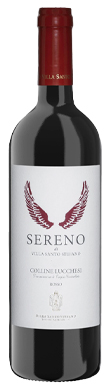
Villa Santo Stefano, Sereno, Colline Lucchesi, Tuscany, Italy, 2023

My wines
Locked score

A great representative of the youthful, very moreish Colline Lucchesi style of Sangiovese. Sweet berry aromas with a touch of pepperiness in the background announce a wine with a lively freshness to balance the fullness of the body, natural grape tannins with a slightly sandy texture, and a very satisfying dry finish. From a beautiful estate owned by former BMW executive Wolfgang Reitzle.

2023

TuscanyItaly

Villa Santo StefanoColline Lucchesi

Decanter Premium logo

Join Decanter Premium to unlock all our wines tastings and notes

Join Now

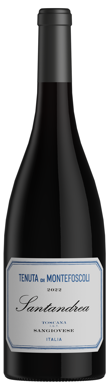
Tenuta di Montefoscoli, Santandrea, Costa Toscana, Tuscany, Italy, 2022

My wines
Locked score

An impeccable interpretation of a difficult vintage from an estate at Palaia, in the hills east of Pisa. This has the authentic pale carmine shade of Sangiovese, with aromas of crab apple, aromatic herbs and a touch of leafiness. On the palate it is mid-weight and agile, long and tangy, with fine, ripe tannins and a crunchy finish.

2022

TuscanyItaly

Tenuta di MontefoscoliCosta Toscana

Decanter Premium logo

Join Decanter Premium to unlock all our wines tastings and notes

Join Now

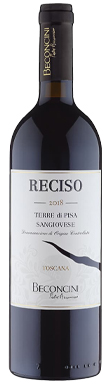
Beconcini, Reciso, Terre di Pisa, Tuscany, Italy, 2020

My wines
Locked score

Pietro Beconcini makes this wine in the traditional style, from old vines of the native biotype of Sangiovese on the hills of San Miniato. A mature nose of dates, fig leaf, carob, laurel and old spice introduces a palate which is broad and dense, with staunch natural tannins and the long, savoury finish typical of the hot vintage. Great personality.

2020

TuscanyItaly

BeconciniTerre di Pisa

Decanter Premium logo

Join Decanter Premium to unlock all our wines tastings and notes

Join Now
Richard Baudains
Decanter Magazine, Regional Chair for Veneto DWWA 2019

Richard Baudains was born and bred in Jersey in the Channel Islands and trained to be a teacher of English as a foreign language. After several years in various foreign climes, Baudains settled down in beautiful Friuli-Venezia Giulia, having had the good fortune to reside previously in the winemaking regions of Piemonte, Tuscany, Liguria and Trentino-Alto Adige. Baudains wrote his first article for Decanter in 1989 and has been a regular contributor on Italian wines ever since. His day job as director of a language school conveniently leaves time for a range of wine-related activities including writing for the Slow wine guide, leading tastings and lecturing in wine journalism at L’Università degli Studi di Scienze Gastronomiche and for the web-based Wine Scholars’ Guild.