Champagne Dhondt-Grellet: The young grower at the top of his game
In a handful of years, Adrien Dhondt has quietly shot to superstar status and his Champagnes have become some of the most sought-after in the region.


The village streets of Champagne’s Côte des Blancs are tightly packed with domaines – squeezed into old houses and courtyards, jam-packed with tractors and lorries during harvest and bottling.
Yet one of its hottest addresses, Champagne Dhondt-Grellet, sits away from this hustle and bustle, in the quiet village of Flavigny on the plains, nestled behind an unassuming treeline.
Scroll down for notes and scores for six Dhondt-Grellet wines to try
It’s here that Adrien Dhondt, now in his 13th year in charge of the wines, has slowly been offering his take on what modern blanc de blancs can be.
Upon my first visit in 2022, the domaine, despite early success, was still very much a family farmhouse. It had played host to his parents’ domaine since they took their vineyards out of the village co-operative in 1986 in order to produce their own wines.
Descending into the vaulted cellars, though, reveals Dhondt’s intent with the wines nowadays: while his parents had produced traditionally styled blanc de blancs, the cellar is now stacked high with Burgundy barrels, the only steel tank in sight kept above ground for the family’s reserve wine.
Beside the farmhouse lies a smart new glass-fronted tasting room, with the smell of fresh paint still lingering.
Dhondt’s trademark baseball cap and shorts may have slowly given way to a touch more formality as he transitions from up-and-comer to established figure in the region, but he remains a winemaker of irresistible ease, charm and unpretentiousness.
Earlier this year, despite his increasing fame, heightened wine prices and decreasing availability, I arrived to find him engaged in conversation with a small group of visitors from Iceland, happily explaining the sort of Champagne basics that some similarly celebrated winemakers may feel to be beneath them.

In the vines
Dhondt’s vineyard holdings are geographically particular: the vineyards are spread not only over the famous Chardonnay region of the Côte des Blancs itself, but also in the Sézanne – the slightly sunnier southern neighbour.
The main focus, though, is on the northern part of Côte des Blancs via the famous grand cru village of Cramant, as well as Cuis and Grauves on the other side of the hill, both known to be cooler and later-ripening, with more varied soil types than the pure chalky strictness of the main Côte.
Dhondt released a limited run of wines from a négociant project under his own name in 2024, sourced from bought-in grapes from Avize, Oger and Le Mesnil-sur-Oger.
These are blanc de blancs with pristine, ripe fruit and 100% oak vinification that will appeal to anyone searching for Champagne-level refreshment with Burgundy-like body and complexity.
Although Dhondt himself is resistant to the ‘Burgundy with bubbles’ label sometimes applied to this new-wave style of Chardonnay, feeling it ‘denigrates Champagne’s terroir’.
The style never strays, though, into overt, sweet-toned oakiness or vinosity, despite his professed love for ‘wines with a bit of substance and concentration’ and the continual rotation of new oak in the cellar (which can form up to one third of the barrel usage in some cuvées).
Some of the wines’ crunch and freshness is likely down to the cooler positioning of many of the parcels, and perhaps also down to viticulture, which avoids pesticides, herbicides and synthetic chemical treatments, although is not certified organic.
Geographic imprint
All of Dhondt’s wines today have a strong geographical imprint. The more approachable Sézanne fruit forms the basis of the new entry-level Roc Solare cuvée (from a 2021 base), which replaces the Dans un Premier Temps cuvée.
Terres Fines comes from the cooler villages of Cuis and Grauves, tending to offer a little more precision.
Although more affordably priced, both present fully-realised, expressive examples of Dhondt’s developing style. Both excel, too, at capturing the freshness of the 2021 harvest without some of the angularity sometimes present in this complicated year.
Being a specialist in Cuis, Dhondt also makes Les Nogers, one of the few single-vineyard bottlings of this village.
There are two bottlings from the grand cru of Cramant. The cuvée called Cramant is a blend of two parcels, one in the lieu-dit Les Garennes, and the other from Les Longues Verges which is affected by the court-noué virus which concentrates the grapes.
‘It’s not the stereotypical style for the village,’ Dhondt says, pointing to the richer, deeper soils found in the northerly part of the village.
Le Bateau, also from Cramant, is a single, mostly south-facing 0.14ha site that has the more classic, chalky terroir. The current release of 2019, which Dhondt calls ‘the most beautiful vintage in Champagne in a long, long time,’ is already ascending to the ranks of Champagne’s most sought-after, rare and pricy blanc de blancs.
New to the lineup is the blanc de noirs La Côte aux Vents (‘the windy hillside’), which plays on the fact that Cuis and Grauves have always historically had a fair percentage of the red grape Pinot Meunier planted.
It’s testimony to Dhondt’s viticulture that, even in the torrid 2021 season, he harvested ripe and expressive Meunier, yielding a beautifully sprightly curio in one of the region’s most compelling blanc de blancs portfolios.
Six Dhondt-Grellet wines to try
Related articles
- Where has all the vintage Champagne gone?
- Stars of Champagne’s Côte des Bar
- Best Champagne houses to visit
Dhondt-Grellet, Le Bateau Cramant Grand Cru, Champagne, France, 2019
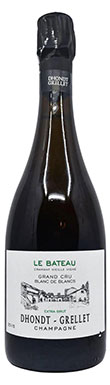

While Adrien Dhondt's Cramant comes from the lesser-seen back of the village towards Cuis, Le Bateau is a parcel in the classic, chalky southeastern-facing sector of the village near Chouilly. The sun exposure and ripeness here yields a more golden-fruited, effusive style of fruit, but the innate restraint of this chalky terroir keeps the build nimble. It's already offering immediate aromas of brown butter, caramelised grapefruit, white pepper and rose petal. There's a textural build of creaminess and toasted bread that lends a dash of decadence to the style, while the vintage's fine, persisting acidity drives through sweet, fragrant yellow plum fruit. It's a dramatic, complex blanc de blancs that has plenty to give over the next five to 10 years.
2019
Dhondt-Grellet

Dhondt-Grellet, Les Nogers Cuis 1er Cru, Champagne, France, 2019
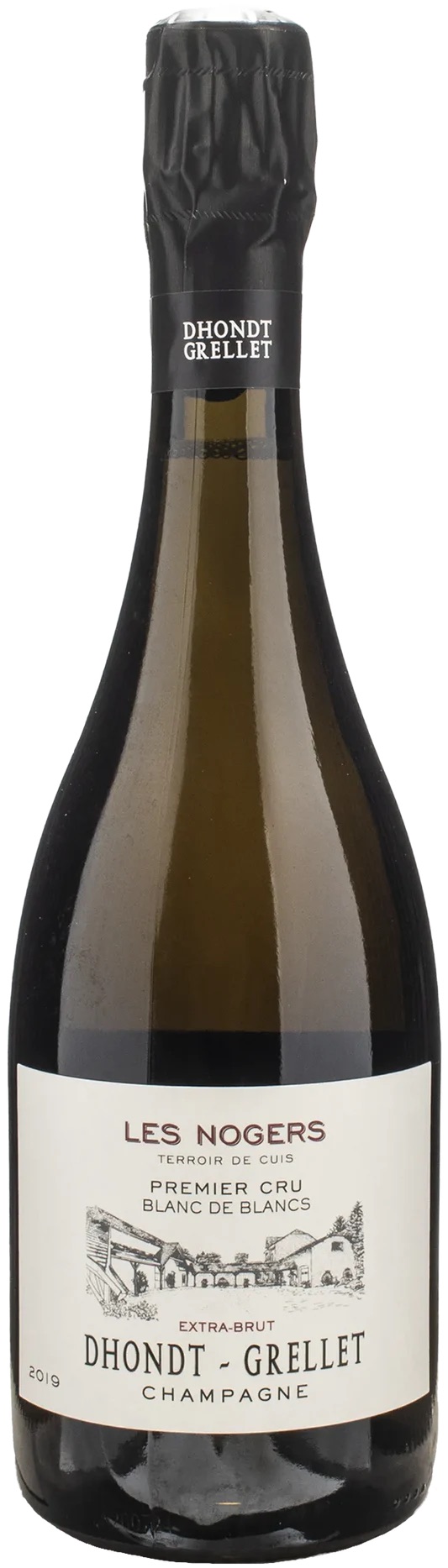
Now making a case for being the greatest wine of the lesser-known village of Cuis in the northern Côte des Blancs, Adrien Dhondt's parcel Les Nogers yields a racy, complex and dynamic blanc de blancs where the sumptuous beauty of the 2019 vintage is tempered with coolness, salinity and gentle oak structuring. Apricot kernel, tangerine and turmeric spice glide alongside the subtle textural richness and notes of golden pastry from lees ageing. It finishes with a dancing length of sweet spice and ripe bittersweet citrus. There's a compelling delicacy and subtlety at play underneath the stylistic breadth.
2019
Dhondt-Grellet
Dhondt-Grellet, Cramant Grand Cru, Champagne, France
From two plots in a lesser-known part of the great grand cru village of Cramant, behind the village facing slightly north towards Cuis, Adrien Dhondt crafts a heady, deep blanc de blancs all the more remarkable for being based on the cool 2021 vintage (with one third perpetual reserve added). It's a little more vinous, peppery and grippy than the other two non-vintage cuvées tasted alongside, with notes of apple tart, stewed apricot and powdered ginger meeting a real sense of fruit concentration and texture before a driving finish. Brown bread richness and light structuring from oak vinification emphasise the seriousness of the style here; this striking blanc de blancs needs a little more time to unfurl than either Roc Solare or Terres Fines, but will reward the wait.
Dhondt-Grellet
Dhondt-Grellet, Les Terres Fines 1er Cru, Champagne, France

Dhondt's second non-vintage cuvée focuses on the cool, north-facing villages of Cuis and Grauves on the back face of the Côte des Blancs, and is accordingly a little stricter and narrower than the Roc Solare cuvée. This is certainly evident in the cool 2021 season, although the domaine's characteristically expressive style means the end result is beautifully focused rather than angular, as the year can sometimes prove. Two-thirds of the wine sees oak vinification (the other third comes from a perpetual reserve), and this adds a heady nutmeg spice to deep tangerine, grapefruit, dried lime and tangy apricot fruit, packed with flavour, driving length and chalky bitterness. It's a slight step up in detail and drive over Roc Solare, and a high point in terms of value in the range.
Dhondt-Grellet
Dhondt-Grellet, Roc Solare, Champagne, France
Adrien Dhondt's new entry-level cuvée, from the 2021 base, is Roc Solare, which replaces Dans un Premier Temps. The move puts the wine a bit closer in style to the generous, gastronomic spirit of the rest of the portfolio, but achieves a little more openness and readiness thanks to its composition of fruit from the sunny Sézanne (on flinty and moderately chalky soils), rather than the Côte des Blancs. It's all fermented in oak, save for the third of perpetual reserve added, and the end result in the crisp 2021 vintage is full of roasted apricot, russet apple and caramelised pastry, toned and pinned down by an impressive level of sea-salt savour and citric intensity. This continues to offer fine value.
Dhondt-Grellet
Dhondt-Grellet, La Côte aux Vents, Champagne, France, 2021
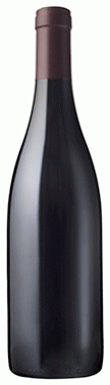
Blanc de noirs from the Côte des Blancs may be a rare beast, but the back of the slope, here in the village of Cuis, actually holds a fair amount of Meunier, which Adrien Dhondt has chosen to highlight in this new cuvée from the late-ripening, cool and crisp 2021 vintage. It's hard to believe, though, that this is a vintage where Meunier often struggled. Dhondt achieved full ripeness, as the effusive black plum, honey and browned pastry aromas demonstrate, while sympathetic barrel fermentation brings toasted spice complexity to the appealing, crisp fruit. It's a little more straightforward than the blanc de blancs, as one would expect, but this young project promises much in aiming to highlight Meunier's potential in this area.
2021
Dhondt-Grellet
