
Chiaretto 2020: 22 top Italian rosés worth seeking out
A tasting of the new 2020 vintage of Chiaretto di Bardolino highlighted some delicious examples to drink this summer (and beyond).


Chiaretto is Italy’s most popular rosé style. Officially known as Chiaretto di Bardolino, approximately 10 million bottles are produced each year from local grape varieties within the Bardolino DOC, on the eastern shore of Lake Garda.
Scroll down to see tasting notes and scores for 22 Chiaretto rosés
This is substantially more than any other Italian rosé but thankfully there are plenty of thirsty customers eager to consume the locally-produced pink – Lake Garda typically receives 22 million visitors every year according to the official Lake Garda tourism website (visitgarda.com).
But what has happened since the outbreak of the global pandemic? Have producers been forced to sit on stocks of their Chiaretto? The short answer is no – they have benefitted from an increase in direct-to-consumer sales as well as a healthy export market.
’In 2020, tourism on Garda Lake fell by 60%, but the Germans and Dutch still managed to visit – less than in previous years but still in significant numbers,’ said Angelo Perroti, director of the Consorzio di Tutela Chiaretto e Bardolino.
‘There has been a huge rise in the off-trade channel both in Italy and abroad,’ he continued, ‘and we have witnessed some good export performances in the first three months, with a 21% increase thanks to higher demand from US, UK and Scandinavia markets. All this has allowed 2020 Chiaretto sales to more or less match the level of 2019.
A recent preview tasting of the Chiaretto 2020 vintage demonstrated that the wines are good quality and reliably delicious. These Chiaretto di Bardolinos should be enjoyed while young with food – its low 12% alcohol makes it a perfect al fresco lunchtime rosé.
What is Chiaretto?
Chiaretto is the counterpart of the red Bardolino, both made from local grapes Corvina, Rondinella and Corvinone; up to 20% of other native varieties is also allowed.
The best examples are clean, elegant and saline, with vibrant yet subtle red fruits, citrus and stone fruits.
This is achieved with short macerations of around five to eight hours and gentle pressing to minimise extraction, low-temperature fermentation to highlight freshness, and indigenous yeasts.
Although they share the same grape varieties, vines destined for Chiaretto and Bardolino often occupy different sites. Vines used for Chiaretto are trained in such a way so as to preserve acidity, and are often found in flatter areas which encourage ripening, while vines for Bardolino tend to occupy exposed hillside locations for longer ripening and more complexity.
Fresher
Chiaretto’s success has been buoyed by its new pale pink colour, ushered in with the 2014 vintage. The new-look rosé, almost Provence-pale in colour, is more than skin deep, however. Fresher and lighter than its traditional rich, oxidised style, the updated regulations modernised winemaking techniques, such as shorter maceration times, to emphasise the fruity citrus character of Corvina, the wine’s main variety.
Quality rising
Since April 2021, Corvina is now allowed to make up a maximum of 95% of the blend, from a previous maximum of 80%. And while a decade ago there was just one organic-certified producer of Chiaretto, today over one-third of the 1,000 hectares under vine are farmed organically. These changes are intended to see the quality of Bardolino’s rosés rise even further in the coming years.
Read more about Chiaretto’s new style:
The Bardolino makeover plus 12 of the best worth seeking out
Light summer reds and rosés from the shores of Lake Garda: Bardolino and Chiaretto
Chiaretto di Bardolino: Factbox
Producers: 100
Growers: 800
Number of bottles sold in 2020: 9.5 million
Vineyard area: 1,000 hectares
Grapes: Corvina (min 40%, max 95%), Rondinella (min 5%, max 40%), Corvinone (max 20%). Maximum of 20% of other native varieties allowed.
Which vintage should I buy?
Generally, the most recent vintage is best, as Chiaretto these days is all about freshness. However, of 50 new releases I tasted, three were from the 2019 and 2018 vintages, demonstrating that some examples can age in the short term and develop some complexity.
2020 A regular vintage in terms of temperature and rainfall, with no extremes.
2019 Warmer and drier than 2020, with lower production.
2018 After the hot, dry 2017 vintage, many drought-affected vines in the appellation were replanted, which had a knock-on effect for the 2018 season.
Top Chiaretto 2020 wines:
You may also like:
Best rosé wines: 20 under £20 to try today
Tasting Prosecco rosé: 16 to try
Cerasuolo d’Abruzzo: Italy’s serious rosé
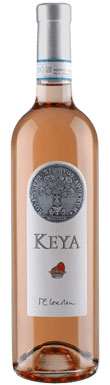
Guerrieri Rizzardi, Keya, Chiaretto di Bardolino, Classico, Veneto, Italy, 2020
91
Guerrieri Rizzardi has spent several years adjusting this blend of Corvina, Rondinella, Sangiovese and Merlot, sourced from vines between three and 50 years old. The result of this iterative process is delicious: slightly peachy and floral on the nose, it has a saline attack with juicy, peachy fruit followed by plenty of peppery spice and subtle, earthy red fruits. Clean and fresh on the long finish.
2020
Guerrieri RizzardiChiaretto di Bardolino
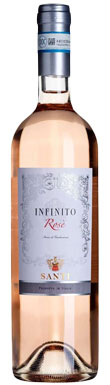
Santi, Infinito, Chiaretto di Bardolino, Veneto, Italy, 2020
91
Santi's winery was completely renovated in 2016. This Chiaretto, made from Corvina, Rondinella and Molinara, has fresh red fruit scents with a touch of salinity on both nose and palate. Juicy in the mouth, zesty lemon, peach and red fruits are followed by a fresh grapefruit finish. Minerally, stony, and bright, this is an excellent rosé to pair with food.
2020
SantiChiaretto di Bardolino
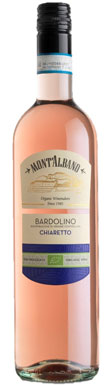
Sartori, Mont'Albano, Chiaretto di Bardolino, Veneto, Italy, 2020
91
Elegant, slightly creamy red fruit aromas are joined by a brush of herbs. A bit tacky in the mouth at first, it bursts with creamy peach, yellow plum, red fruits, lemon and floral notes, followed by good acidity on the mid-palate which freshens up and lengthens the stony finish.
2020
SartoriChiaretto di Bardolino
Villa Cordevigo, Gaudenzia, Chiaretto di Bardolino, Classico, Veneto, Italy, 2018
91
This newly released 2018 has a stony red fruit nose with some herbal touches. Intense and focussed in the mouth, it has a bright citrussy attack with soft red fruits and peppery spice. Elegant and refined, the extra ageing has worked its magic here. It has a saline finish with a concentration of sticky black cherry and raspberry.
2018
Villa CordevigoChiaretto di Bardolino
Cantina Castelnuovo del Garda, Chiaretto di Bardolino, Veneto, Italy, 2020
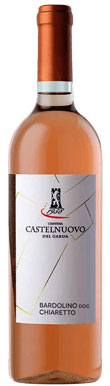
91
This cooperative was founded in 1958 and counts over 200 growers farming 1,000 hectares. A banana note accompanies red fruits, with some herbs in the mouth. It demonstrates good intensity, with focused red fruits surrounded by pithy grapefruit, lemon juice and some herbs. Fresh and saline through to the long finish, it leaves you wanting more.
2020
Cantina Castelnuovo del GardaChiaretto di Bardolino
Cantina Castelnuovo del Garda, Terre di Castelnuovo, Chiaretto di Bardolino, Veneto, Italy, 2020
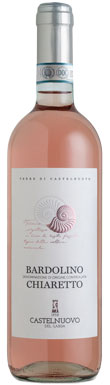
91
Bold and slightly earthy strawberry aromas are joined by a creamy hint. It has a slightly grippy, sticky attack of cherry, strawberry and raspberry fruits followed by grapefruit and then some saline acidity on the finish. Not as elegant as the cooperative's Cantina del Garda but with more oomph and texture.
2020
Cantina Castelnuovo del GardaChiaretto di Bardolino
Bennati, I Gadi, Chiaretto di Bardolino, Veneto, Italy, 2020
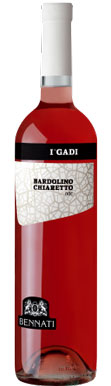
90
Benati was founded in 1920. A blend of Corvina, Rondinella Molinara and Merlot, this has good intensity of strawberry, grapefruit and peach with decent texture and fresh, slightly saline acidity.
2020
BennatiChiaretto di Bardolino
Giovanna Tantini, Chiaretto di Bardolino, Veneto, Italy, 2020
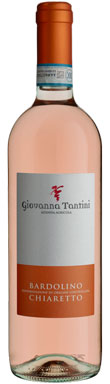
90
This family-owned estate encompasses 11.5 hectares of vines in Castelnuovo del Garda and Sona. Lemon-tinged red fruits are intense on the creamy, soft palate, and cleansing acidity comes in at the end, carrying a sweet strawberry and raspberry finish with some herbs. Bold yet balanced.
2020
Giovanna TantiniChiaretto di Bardolino
Gorgo, Bio, Chiaretto di Bardolino, Veneto, Italy, 2020
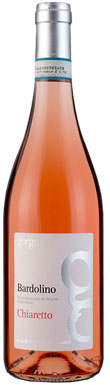
90
Second-generation Roberta has converted the family estate's 53 hectares of vines to organic viticulture. Notes of pepper and sweet spice aromas overlay soft red fruits. Light and fresh in the mouth, it features saline red fruits with a touch of textural grip. Creamy and peppery on the mid-palate, it has a long floral raspberry finish.
2020
GorgoChiaretto di Bardolino
Lenotti, Chiaretto di Bardolino, Classico, Veneto, Italy, 2020
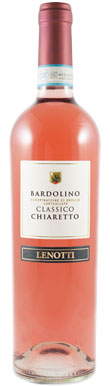
90
This Chiaretto from Lenotti undergoes a slightly longer maceration than the estate's Decus. It has a clean nose of red fruit with some herbal touches. Bright, bold blackberry, black cherry, raspberry and strawberry flavours are joined in the mouth by some herbs and a saline lock. It displays good freshness and balance, elegant despite its intensity.
2020
LenottiChiaretto di Bardolino
Lenotti, Decus, Chiaretto di Bardolino, Classico, Veneto, Italy, 2020
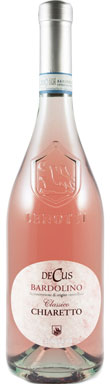
90
A subtle stony nose with hints of pure, ripe red fruits and peach leads to a textured palate with a good intensity of hedgerow berries. Good acidity freshens and lifts the palate, leading to a long, fresh and clean finish.
2020
LenottiChiaretto di Bardolino
Marchesini Marcello, Coralin, Chiaretto di Bardolino, Classico, Veneto, Italy, 2020
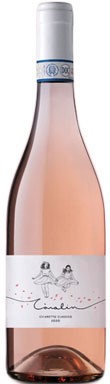
90
Marchesini Marcello farms 12 hectares of local varieties following organic practices. This Chiaretto, a blend of 30% Corvina, 30% Corvinone, 20% Molinara and 20% Rondinella, is subject to bâtonnage during maceration as well as during ageing in stainless steel tanks. It has a light herby, saline nose with soft red fruit hints. It's similar in the mouth, with a crisp saline attack followed by touches of creamy red fruit and peppery spice. Bright and lively.
2020
Marchesini MarcelloChiaretto di Bardolino
Sartori, Chiaretto di Bardolino, Veneto, Italy, 2020

90
A blend of 40% Corvina Veronese, 30% Rondinella, 10% Molinara, 10% Corvinone and 10% Merlot, this Chiaretto has softer, bolder red fruits than the estate's Mont'Albano, with some peppery spice and a long, intense finish. Less subtle, more fruit-forward yet still fresh.
2020
SartoriChiaretto di Bardolino
Tenuta la Presa, I Territori, Chiaretto di Bardolino, Veneto, Italy, 2020
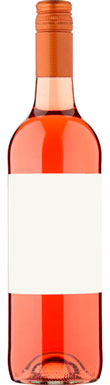
90
Soft red fruits nose. Full and round, with pear, strawberry, raspberry, cherry, some spice and cream. Fresh finish with citrus and floral lift.
2020
Tenuta la PresaChiaretto di Bardolino
Villa Calicantus, Chiar’Otto, Chiaretto di Bardolino, Classico, Veneto, Italy, 2019
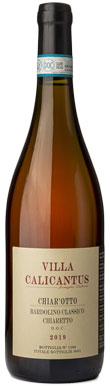
90
Villa Calicantus has been organic since 2011 and biodynamic since 2014, and Chiar’Otto was the DOC's first barrel-fermented and aged Chiaretto. It's fermented with indigenous yeasts in 225L oak before ageing for five months. A briochey nose with tangy red fruits and a touch of cream leads to a palate with fresh, pure raspberry and strawberry fruits. Complex spices and a touch of rich brioche accompany stewed apple and preserved lemon hints on the mid-palate, and it finishes very dry. A unique style.
2019
Villa CalicantusChiaretto di Bardolino
Vinicio Bronzo, Rosa Canina, Chiaretto di Bardolino, Veneto, Italy, 2020
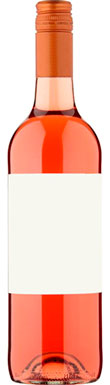
90
Macerated for no longer than four hours, this has a slightly funky, earthy nose with red fruits and a hint of orange peel. The palate has some texture to it, with dry, juicy red fruits, elegant acidity and a saline finish with a touch of cream.
2020
Vinicio BronzoChiaretto di Bardolino
Cantina Castelnuovo del Garda, Cà Vegar, Chiaretto di Bardolino, Veneto, Italy, 2020
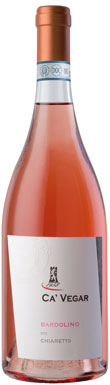
90
Intense cherry and strawberry fruit flavours with subtle sweet and peppery spice leading to a long, freshening finish that balances the bold attack well.
2020
Cantina Castelnuovo del GardaChiaretto di Bardolino
Monte del Frà, Chiaretto di Bardolino, Veneto, Italy, 2020
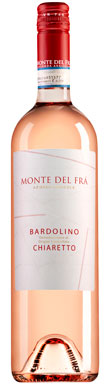
89
Light notes of lemon and raspberry are accompanied by bright, sparkling lemony acidity filled out with lemon drizzle cake, subtle peach and a hint of grapefruit. White wine, surely!
2020
Monte del FràChiaretto di Bardolino
Poggio delle Grazie, Chiaretto di Bardolino, Veneto, Italy, 2020
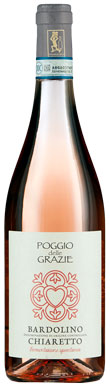
89
This organic Chiaretto, 80% Corvina and 20% Rondinella, has a clean, fresh strawberry and herb character on both nose and palate. It has some peachy notes on the finish along with a touch of grapefruit.
2020
Poggio delle GrazieChiaretto di Bardolino
Albino Piona, Chiaretto di Bardolino, Veneto, Italy, 2020
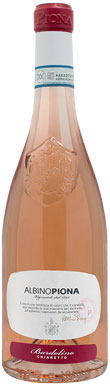
88
Fragrant red fruit and floral aromas are followed by an intense palate of pithy grapefruit, peach, and light raspberry and strawberry. The acidity provides balance without being too bright or overbearing.
2020
Albino PionaChiaretto di Bardolino
Casaretti, Rosa dei Casaretti, Chiaretto di Bardolino, Classico, Veneto, Italy, 2020
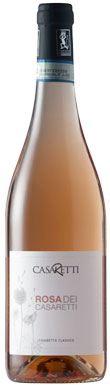
88
Light and elegant, this Chiaretto has ripe cherry and strawberry flavours with some herbal touches and stony acidity. It's pretty straightforward but ideal for drinking with a salad or white fish.
2020
CasarettiChiaretto di Bardolino
Cavalchina, Chiaretto di Bardolino, Veneto, Italy, 2020
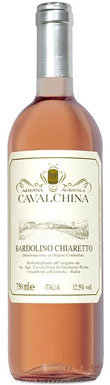
88
This offers a bold mouthful of savoury red fruits, with some sweet spice on the mid-palate. It has reasonable acidity and a peachy finish.
2020
CavalchinaChiaretto di Bardolino
