Expert’s choice: Zweigelt
From young and fresh to complex, barrel-aged styles, Zweigelt’s easy appeal makes it Austria’s most widely planted red variety. Here are 18 great examples to seek out.


Austria as a whole is still white wine country, but of the 30% of red vineyards, by far the most widely planted grape is Zweigelt at 6,130ha (figures from Austrian Wine, to end May 2022).
These vineyards are mostly in the regions of Burgenland (2,337ha of Zweigelt) and Niederösterreich (3,478ha); lying within Niederösterreich is the DAC of Carnuntum, which is known for its Zweigelt wines and has 232ha planted.
Other Austrian wine regions besides Burgenland and Niederösterreich account for less than 6% of the country’s total Zweigelt production.
Scroll down for a selection of 18 Zweigelt wines to try
Zweigelt’s ubiquity is perhaps the more surprising as, like Germany’s Müller-Thurgau, it is a crossing – of Blaufränkisch and St Laurent, although fruitier but less elegant than either of its precursors. The grape was created in 1922 by Dr Fritz Zweigelt, who happens to have been a keen Nazi, causing some controversy over its origins.
None of this detracts from the fact that Zweigelt remains, for growers and consumers, a popular grape. It ripens early and is not susceptible to frost or disease. Yields are generous and it suits a range of styles, including the ‘nouveau’.
It’s often blended with Blaufränkisch, Merlot or other varieties. Blaufränkisch, Austria’s other leading red grape, gives more complex wines, with more acidity and structure, but Zweigelt offers versatility and an immediate appeal, playing variations on cherry fruit.
A tale of two regions
Two regions have opted to highlight the grape as a monovarietal. The Neusiedlersee appellation in Burgenland covers the eastern side of the eponymous lake, and Zweigelt occupies 24% of the vineyards. One could argue that its greatest wines are the exquisite Trockenbeerenauslese and other sweet wines, but when it came to defining the ‘typical’ wine of the region for purposes of a DAC appellation (first granted in 2012), the mantle fell on Zweigelt. The basic DAC is aged in steel or used casks, whereas Zweigelt Reserve must be vinified and aged in wood for at least 18 months, and can also be a single-vineyard wine.
In the wider Carnuntum DAC, red wines must comprise a minimum two-thirds of Zweigelt or Blaufränkisch blended with other permitted varieties – nearly 28% of the vineyards here are planted with Zweigelt, making it the most widely encountered variety.
A private organisation of about 40 producers also makes wines under the ‘Rubin Carnuntum’ banner – prior to 2011 this was a single-variety wine made from either Zweigelt or Blaufränkisch, but since 2011 only pure Zweigelt can be used. Officially, Rubin should be an entry-level wine – and pricing generally reflects this – but I find many examples deliver considerable fruit and weight. Overall, it remains a style that’s accessible and young. Such wines are generally aged in tanks or large casks that confer no overtly woody aromas or flavours.
In contrast, there are Zweigelts from both Burgenland and Niederösterreich that are given more sophisticated handling, some with long ageing in barriques, often with a fair proportion of new barrels used. Such wines need to be evaluated on an individual basis, as medium-bodied Zweigelt is not the ideal candidate for ageing in barriques. There are certainly some excellent examples, but also wines that are extracted and excessively chewy. There seems little point in treating Zweigelt as though it were Cabernet Sauvignon.
Other regions in Lower Austria, as well as Styria, also make Zweigelt of immediate charm, if little complexity. Despite the marketing drive in recent years, there is a risk that excessive claims are made for the grape, carrying the possibility of disappointment among consumers whose expectations have been ramped up. Though there are good, structured examples, many of the most successful wines are those that offer immediate appeal and satisfaction over the medium term.
Tasting notes and scores for 18 Zweigelts to try
Related articles
- Austria’s Wagram region granted DAC status
- Domäne Wachau: producer profile
- Austrian wines for summer – 10 to try
Umathum, Ried Hallebühl Zweigelt, Burgenland, Austria, 2017
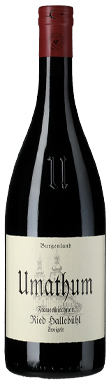

Josef Umathum considers this to be one of his finest vineyards, and by any reckoning this is one of Burgenland's top Zweigelts. The nose is very perfumed, with charming cherry and blueberry aromas. This is styled to show finesse rather than power or weight, and it's supple and elegant, with light tannins but impressive length.
2017
Umathum

Grassl, Ried Schüttenberg Zweigelt, Carnuntum, Niederösterreich, Austria, 2018
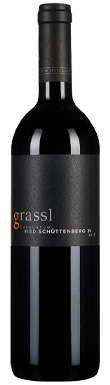
With experience in Sonoma, Philipp Grassl is comfortable with an international perspective, while remaining an ardent promoter of Carnuntum. Schüttenberg is a lofty, cool site with gravel and loess soils. The fresh cherry nose has considerable charm, and the palate is medium-bodied and graceful, avoiding extraction. It shows attractive acidity and persistence. An admirable and satisfying expression of Zweigelt.
2018
GrasslCarnuntum
Paul Achs, Alte Reben Zweigelt, Burgenland, Austria, 2020
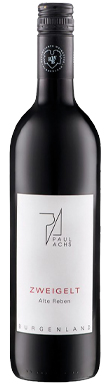
Paul Achs is a leading biodynamic grower in the town of Gols. This, his top Zweigelt, is made from 35-year-old vines and aged in older barriques. The cherry-scented nose is very ripe and intense, with fine purity of fruit. It's suave and concentrated, with integrated tannins, and ample spice and elegance. Fine acidity confers admirable length.
2020
Paul Achs
Christian Fischer, Ferabam Zweigelt, Thermenregion, Niederösterreich, Austria, 2019
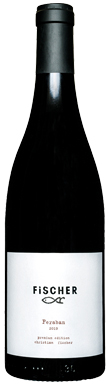
This wine is a parcel selection from Fischer's best plots of Zweigelt, and it's aged in older barriques. The nose is robust and juicy, with ripe black-cherry aromas. Suave and concentrated, it has integrated tannins and good acidity, delivering a wine that's balanced and not too forceful.
2019
Christian FischerThermenregion
Artner, Ried Steinacker Zweigelt, Carnuntum, Niederösterreich, Austria, 2019
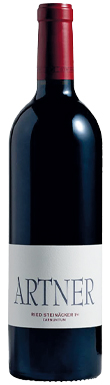
The colour is deep and the black-cherry and blackberry aromas rich and expressive. Ripe and concentrated, it is also quite tannic and extracted, though its density is cut by spiciness, and there's good acidity and length on the finish.
2019
ArtnerCarnuntum
Michael Auer, Ried Bühl Zweigelt, Carnuntum, Niederösterreich, Austria, 2019
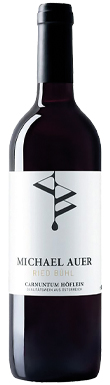
MIchael Auer is not afraid of a generous dose of new oak, but he handles it deftly. The nose is dense, with cherry and blueberry aromas. Rich and suave, it's concentration is balanced by fine acidity, although the finish is undeniably chewy and spicy. The oak does not overwhelm the palate or finish.
2019
Michael AuerCarnuntum
Glatzer, Ried Haidacker Zweigelt, Carnuntum, Niederösterreich, Austria, 2019
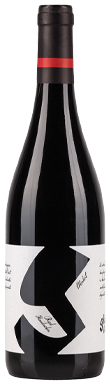
Walter Glatzer is one of the grand old men of Carnuntum and has been producing fine red wines for over three decades. This organic wine comes from the loess-rich site of Haidacker. The nose is juicy and stylish, with black-cherry aromas. Svelte and concentrated, it's distinctly oaky, but has depth, power, and spiciness. Long.
2019
GlatzerCarnuntum
Taferner, Ried Bärnreiser Zweigelt, Carnuntum, Niederösterreich, Austria, 2019
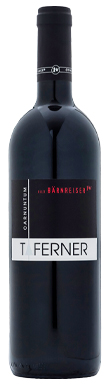
Franz Taferner and his daughter Karoline used to produce rich, extracted wines, but recent vintages have shown a lighter touch. This wine comes from a warm south-facing loess and gravel site. The juicy nose shows ripe cherry and raspberry aromas, while the palate is broad, lush, and full-bodied. Fleshy and spicy, it avoids excessive extraction and tannic, and has ample length.
2019
TafernerCarnuntum
Esterházy, Sankt Georgen Zweigelt, Burgenland, Austria, 2020
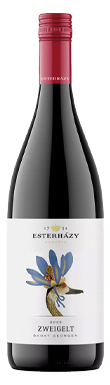
This aristocratic estate has had a fluctuating reputation, but in recent years has become more reliable and interesting, in part thanks to the work of consultant Stephane Derenoncourt and his international perspective. This Zweigelt, aged in older casks, has a fragrant nose of cherries and blueberries. Fresh and zesty, it's not extracted but still has some structure and length.
2020
Esterházy
Markus Iro, Selection Zweigelt, Neusiedlersee, Burgenland, Austria, 2019
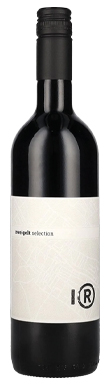
Markus Iro is a rising star in the town of Gols, offering well made wines of good value. This Zweigelt displays vibrant and lively cherry aromas, while the palate is svelte and supple, infused with very ripe dark fruits and showing moderate acidity and length. Not a complex wine, but approachable and balanced.
2019
Markus IroNeusiedlersee
Juris, Golser Zweigelt, Neusiedlersee, Burgenland, Austria, 2018
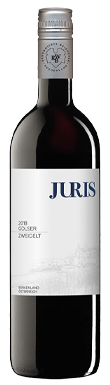
The Stiegelmar family have lived in Gols for over five centuries, and their Juris winery is well known for its red blends. A village wine from unirrigated vines aged 35-50 years, rooted in gravelly soils with a high iron content. The wine is aged for a year in a mix of used French oak barriques, blended and aged another year in large old Slavonian oak casks. The nose exhibits juicy cherry-compote aromas of striking ripeness. It's a rich, full-bodied wine that's concentrated and peppery, giving it a distinctive and spicy character.
2018
JurisNeusiedlersee
Hannes Reeh, Unplugged Zweigelt, Burgenland, Austria, 2020
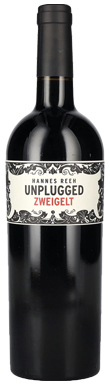
Hannes Reh likes to produce big, fruity wines, and Unplugged is his low-intervention style, fermented with natural yeasts, fruit forward, and eschewing fining and filtration. The nose displays very ripe, intense cherry aromas, and the palate is generous and full-bodied, with a good dose of tannin that gives a long, chewy finish.
2020
Hannes Reeh
Johanneshof Reinisch, Zweigelt, Thermenregion, Niederösterreich, Austria, 2019
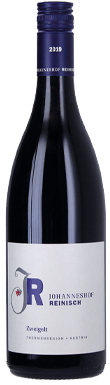
Reinisch is a distinguished red-wine producer in this area, and its organic Zweigelt is a classic expression of the variety. Aged in large casks, it exhibits fresh, bright cherry aromas that are lifted and stylish. The attack is lively, giving a wine that's concentrated but not extracted, and with a long mouthwatering finish.
2019
Johanneshof ReinischThermenregion
Gerhard Markowitsch, Ried Kirchweingarten Zweigelt, Carnuntum, Niederösterreich, Austria, 2019
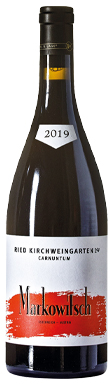
A major producer in Carnuntum, Gerhard Markowitsch gained experience in Bordeaux and Tuscany. This is his best Zweigelt site, with a higher proportion of clay than elsewhere. The wine is aged in 500-litre barrels. Cherries and blueberries dominate the nose, which is spicy and vibrant. It's concentrated, with ripe tannins and moderate acidity and drive, finishing with good if not exceptional length.
2019
Gerhard MarkowitschCarnuntum
Keringer, 100 Days Neusiedlersee Reserve Zweigelt, Neusiedlersee, Burgenland, Austria, 2018
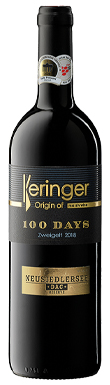
For this top-of-the-range wine, the Keringers pull out all the stops, giving their best grapes a three-month maceration, and then ageing the wine in barriques. Ripe black cherries dominate the nose, while the texture is rich and velvety, with a plumpness highlighted by the modest acidity and length. Sumptuous but it does lack some freshness.
2018
KeringerNeusiedlersee
Weingut Pöckl, Classique Zweigelt, Neusiedlersee, Burgenland, Austria, 2018
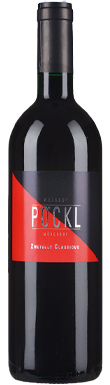
Pöckl have developed a strong reputation for its full-bodied and powerful reds, but this mid-range Zweigelt has the merit of drinkability. The lush, fleshy blackberry nose is beguiling and surprisingly opulent, and while there are tannins and density on the palate, it's not too extracted. The finish is moderate in intensity and length.
2018
Weingut PöcklNeusiedlersee
Dorli Muhr, Zweigelt Nouveau, Weinland, Austria, 2021
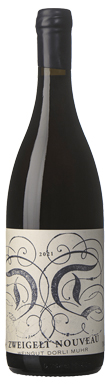
Dorli Muhr is best known for the exciting Blaufränkisch wines she makes on Carnuntum's Spitzerberg, but this Beaujolais-style Zweigelt is a delight. Vinified by carbonic maceration, it exudes a fresh raspberry nose, is crisp and lively on the palate, and while unpretentious is pretty and charming. There's fine acidity and it's best drunk chilled on a summer afternoon.
2021
Dorli Muhr
Feiler-Artinger, Zweigelt, Burgenland, Austria, 2020
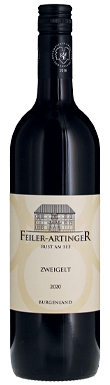
Kurt Feiler is best known for the outstanding sweet Ausbruch wines he produces in Rust, but his red wines can be very good too. This basic Zweigelt emphasises freshness and zest, and shows bright cherry and raspberry aromas. It's not complex but jt's eminently approachable, with good balance and length. It benefits from not trying too hard. Organic.
2020
Feiler-Artinger
