Finding value in the Médoc plus 12 top wines to seek out
The most famous Left Bank estates’ wines are not exactly cheap, but some lesser-known châteaux deliver excellent quality at more accessible prices. Here are our picks for superb value.


Drive the D2 route 35 miles north of Bordeaux through the Médoc region, and you pass the stone gateposts, seas of vines and noble buildings of the Left Bank’s most celebrated châteaux.
In the Margaux appellation, a colonnade of trees leads to Palladian-style Château Margaux. Further north in St-Julien, waving flags fly atop Château Ducru-Beaucaillou.
A domed stone pigeon house amid the vines signals Château Latour in Pauillac, while Château Lafite Rothschild appears just before the road curves towards St-Estèphe and the pagoda-like turrets of Château Cos d’Estournel.
Famous estates give the Médoc’s four most important appellations their reputation for great wines sold at astronomical prices. But lurking in the same postcodes are less well- known properties whose wines cost less than they should, based on their quality.
Scroll down to see tasting notes and scores for Elin McCoy’s top-value Médoc wines
For those estates, prices and reputation haven’t caught up with recent improvements brought about by a new owner with plenty of cash, a dynamic wine consultant, or a shift to organic viticulture.
Others languished because the wines were only available in one or two markets and not much was tasted until recently. And at some once-sleepy châteaux, a new, more ambitious generation has just taken the helm.
All of them offer undervalued wines for savvy buyers willing to look beyond the big names.
Margaux
This large, diverse and sprawling southern Médoc appellation boasts first to fifth growths, crus bourgeois and unclassified estates. Many churned out mediocre wines from the 1960s to the 1990s; only in the past two decades has Margaux become a hotbed of rising stars.
Châteaux Palmer, Rauzan-Ségla, Brane-Cantenac and d’Issan are at the top of their game, with d’Issan the best buy.
Others are on the cusp, like pink-stuccoed, unclassified Château Siran, long owned by the Bordelais Miailhe family. Yes, convicted counterfeiter Rudy Kurniawan used Siran 1955 in fake first growth wines, but the château’s reputation began climbing after the current young generation’s Edouard Miailhe returned from Manila to take over in 2007 and start renovating. Since the 2015 vintage, the wines have become deeper and more luscious, and Miailhe has boosted wider awareness with an innovative tourism programme.

Also in my sights are Château Labégorce and third growth Marquis d’Alesme. Once run-down properties, they’ve been revamped since 2010 by the billionaire Perrodo family. Oil magnate Hubert Perrodo bought Labégorce in 1989, reunited the original parts of the estate, and snapped up Marquis d’Alesme in 2006 before being killed in a skiing accident.
But this sad story has a happy wine ending. At age 24, his daughter Nathalie took charge, hiring an all-woman team, including talented managing director Marjolaine de Coninck, to realise her father’s dreams. At Labégorce, replanting continues, and a new winery debuted in 2019.
Marquis d’Alesme’s stunning new cellar, in the centre of the village of Margaux, opened in 2015, along with a tasting bar and lovely garden to visit. Quality jumped with the 2015 vintage; however, prices haven’t risen that much. As de Coninck explains: ‘We need to be conscious of what price consumers are ready to pay for the wine. That takes time.’
In 2020, the family bought Château La Tour de Mons, which will eventually become another good-value pick.
St-Julien
Smaller than the other appellations, St-Julien has no first growths and 11 crus classés, from second to fourth growths.
Classified châteaux own 90% of the land. Maybe that’s why quality here is more consistent overall. Second growth stars Ducru-Beaucaillou, Gruaud Larose, Léoville Barton, Léoville Las Cases and Léoville Poyferré all shine brightly, and their second wines, as well as those from other châteaux they own, offer exceptional value.
One example shows why: the team at Ducru, including renowned consultant Eric Boissenot, also lavish their expertise on unclassified Château Lalande-Borie (renamed Le Petit Ducru), and La Croix Ducru-Beaucaillou, a terroir-focused cuvée that stands on its own.
Created in 2005 from a specific plot of Ducru’s vineyard, it sports a label designed by Jade Jagger and has some of the same dense, velvety character as the estate’s grand vin at less than a third of the price.

Two other overperforming estates are unclassified Château Gloria and fourth growth Château Saint-Pierre, both owned by the Triaud family under the umbrella of Domaines Henri Martin. Many Americans first read the underdog tale of how Henri Martin built Gloria by cobbling together parcels of vines from classified estates, created a gorgeous wine and cleverly promoted it in an article by a well- known novelist in The New York Times in the 1970s. Now the wine is no longer undiscovered and it’s better than ever, but still sells for very reasonable prices. If the 1855 classification were revamped, Gloria would surely be added.
Saint-Pierre’s under-the-radar status is partly down to the fact that it’s the smallest, least famous cru classé in St-Julien and partly down to its fractured history. The Martin family painstakingly pieced it back together in the 1980s.
In the past decade, both wines have become more confident and impressive. In 2016, a top-to- bottom renovation of the cellar where they’re made gave quality an extra push. Gloria upped its rich fruit and charm, while Saint-Pierre now delivers plump, cool fruit with chocolatey tones.
Pauillac
Home to three famous first growths – Châteaux Lafite Rothschild, Mouton Rothschild and Latour – this is the Médoc’s most illustrious appellation.
You could be forgiven for assuming it’s not the place to seek undervalued bargains. But guess again. Among the 12 fifth growths, which count Lynch-Bages, Pontet-Canet and Grand-Puy-Lacoste as super successes, are some neglected estates whose wines are becoming classics.
My first pick is Château Pédesclaux. Despite neighbours such as Pontet-Canet and Mouton Rothschild, its wines long suffered from a poor reputation for good reason. Before being sold in 2009 to real estate magnate (and owner of a popular Paris rugby team) Jacky Lorenzetti, the property had been through 40-odd owners, many of whom weren’t exactly dedicated to quality. The wines were barely known, sold through only one UK retailer. Its château was nondescript, located on a potholed street near an auto-repair shop.
Its transformation has been a revitalisation on a grand scale through plenty of money, a top winemaking team and astute management. Adding new vineyard land with great terroir and giving more spice and personality to the blend with Petit Verdot has given the wines much more polish from the 2015 vintage on. As has shifting to organic viticulture, plot-by-plot picking and a gravity-fed winery with dozens of vats so that batches can be kept separate.
An equally impressive overachiever is Château Clerc Milon, purchased by Mouton Rothschild in 1970 for a reported paltry one million francs. Baron Philippe reconstituted the vineyard and increased the amount of new oak. Eventually his daughter, Baroness Philippine, reinvented the estate with an elegant new cellar in 2011 and installed the brilliant winemaker Jean-Emmanuel Danjoy (who has now taken over at Mouton).

Interestingly, Carmenère grapes form a tiny part of the blend. A second wine, Pastourelle, was unveiled in 2016, starting with the 2009 vintage, and a vertical tasting then revealed how much the grand vin had improved. But the first vintage that stunned me was the powerful, smooth, seamless 2016 – a tour de force at a price below rivals such as Château Lynch-Bages.
St-Estèphe
This remote appellation north of Pauillac, with no first growths and fewer crus classés than any other commune, used to feel like the middle of nowhere, and the wines – fiercely tannic, concentrated and often rustic – took decades before you could drink them.
But climate change, precision viticulture and up-to-date winemaking have meant grapes ripen more readily, and tamed tannins. New owners are streaming in, making St-Estèphe prime territory for quickly rising reputations. The two second growths, Châteaux Montrose and Cos d’Estournel, are aiming for first growth quality with ever-increasing prices, while third growth Calon Ségur, under new ownership since 2012, is turning out stunners that are a comparative bargain.
My first rising star is canary-yellow Château Lafon-Rochet, the lone fourth growth and the first estate on the Left Bank to woo legendary Jean-Claude Berrouet (formerly at Petrus) as a consultant. With no chemical pesticides or herbicides in the vineyards and two new cellars, the wines now have more personality, finesse and balance, frequently outscoring famous names.
But the most thrilling value is among crus bourgeois and unclassified châteaux, many owned by more prestigious properties. Château Capbern, for example, has the same owner as Calon Ségur. Long known for offering terrific value, the wine now has more purity, definition and finer structure after a serious programme of renovation and more Merlot in the blend.
Similarly, Château Lilian Ladouys (recently named a cru bourgeois exceptionnel) benefits from the same team and owner as Pauillac’s Pédesclaux; investment, expertise and organic viticulture have resulted in more opulent, lush and spicy wines. In 2018, the family purchased additional vineyards with top gravelly soils, so expect even better wines in the future.
There are many more names to look for, such as Château Phélan Ségur, whose character, complexity and consistency resembles that of a fifth growth, while Château Meyney is often mistaken in blind tastings for Montrose.
The moral of the story: Bordeaux wines are better than ever and offer some of the best value around – if you know where to look.
McCoy’s dozen: top-value Médoc wines
You may also like
Best buys of the northern Médoc: Eight top estates
Top Médoc 2018 wines: Re-tasted in bottle
Bordeaux dry white wines: 20 to try
Château Clerc Milon, Pauillac, Bordeaux, France, 2016
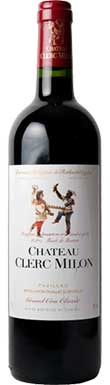

This fifth growth, bought by Mouton-Rothschild in 1970 has been revitalised by the Mouton team in the past decade, especially in the vineyard, and now performs well beyond its classification. Clerc-Milon owns some 41 hectares and in 2011 opened a new, elegantly designed modern winery. A huge majority of the vines are more than 50 years old. In 2016 picking took place from 26 September to 15 October, and the blend is 55% Cabernet Sauvignon, 29% Merlot, 13% Cabernet Franc, 2% Petit Verdot, and 1% Carmenere. The wine is dark, mineral and polished, very sophisticated, precise and pure, with intense ripe fruit and liquorice aromas, and a particularly silky texture.
2016
Château Clerc MilonPauillac

Château Marquis d'Alesme, Margaux, 3ème Cru Classé, Bordeaux, France, 2018
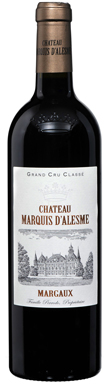
This is the third vintage using Marquis d'Alesme's handsome new cellar, which has contributed to a marked change in the wines since the 2015 vintage. The 2018 has expansive floral aromas and very pure, seductive raspberry fruit flavours and a creamy texture. All the fruit goes into the grand vin here, as the property is quite small, with only 15 hectares of vines. The blend is 55% Cabernet Sauvignon, 35% Merlot, and 5% each Petit Verdot and Cabernet Franc, which come from very old vines planted on the appellation's limestone plateau.
2018
Château Marquis d'AlesmeMargaux
Château Saint-Pierre, St-Julien, 4ème Cru Classé, Bordeaux, France, 2016
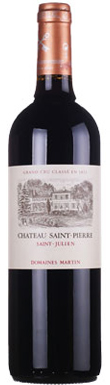
This estate is the smallest and least-known cru classé in the St-Julien appellation, with a mere 17 hectares of vineyards with deep gravel soils. Most of these are not far from Beychevelle. This property has a complicated, fragmented history (owned by the same family that owns Gloria) and so was under the radar for decades. Investment in improving the vineyards and cellar began in 2005, and the wines have been over performing since 2014. New cellars debuted in 2016. The 2016 is 73% Cabernet Sauvignon, 21% Merlot, and 6% Cabernet Franc, and it’s spent 14 months in 50% new and 50% one year barrels. Lush, deep and structured, this brims with energy and aromas of cassis and tobacco.
2016
Château Saint-PierreSt-Julien
Château Pédesclaux, Pauillac, 5ème Cru Classé, Bordeaux, France, 2016
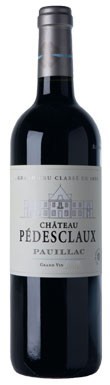
Deep colour, almost opaque, with a lower pH than in 2014/2015. The grapes were crushed with no extended skin-maceration to increase purity. Concentrated, elegant, long and with plenty of vibrant, dark-berry fruit on the palate. A fine 2016. 18% under organic farming, Cabernet Franc made its first appearance contributing 3% to the blend. Harvested between 29 September - 18 October. 16 months in barrel, 60% new.
2016
Château PédesclauxPauillac
Château Phélan Ségur, St-Estèphe, Bordeaux, France, 2016
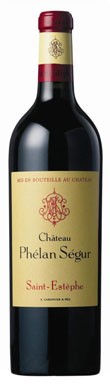
I tasted this vintage on several occasions, and it delivers lush pure cassis fruit, freshness with concentration, velvety tannins, and a kind of glossiness along with a peppery spiciness. A late harvest took place from September 29 to October 21. The blend is 55% Cabernet Sauvignon and 45% Merlot, aged in 50% new barrels, but they are moving to lighter toasting. In recent years, this estate consistently performs above its unclassified status in terms of complexity, character, and personality. 2016 was the last vintage from the Gardinier family; the new owner plans even more investment and is farming part of the vineyards organically.
2016
Château Phélan SégurSt-Estèphe
Château Gloria, St-Julien, Bordeaux, France, 2016
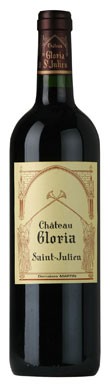
Though it's hardly under-the-radar, this unclassified château (one of the few in this appellation) consistently offers rich bright fruit , charm, and juicy generosity in a lighter, elegant St-Julien style, especially in top vintages like 2016. The plots that make up its vineyards were painstakingly acquired by the late Henri Martin and it's now run by his daughter and son-in-law, along with fourth growth Château Saint-Pierre. The blend in 2016 is 60% Cabernet Sauvignon, 30% Merlot, 7% Cabernet Franc, and 3% Petit Verdot and aged in 40% new barrels. This was the first vintage made in a new winery, with 76 different-sized tanks, and it's one of the best wines ever from Gloria.
2016
Château GloriaSt-Julien
Château Lafon-Rochet, St-Estèphe, 4ème Cru Classé, Bordeaux, France, 2016
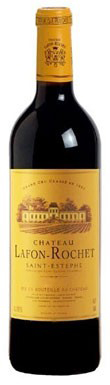
This has precise flavours, intense violet aromas, and plenty of personality, zing, spice and finesse, which tasting several times only confirmed. A Cabernet Sauvignon dominant (67%) blend, it's rounded out by 27% Merlot and 4% Cabernet Franc, and was aged in 30% new oak. The consultant is Jean Claude Berrouet, who spent years making Château Petrus, which has the same kind of blue clay as parts of Lafon Rochet's vineyard. No chemical pesticides or herbicides are used, and 2016 was the first year for two new vat rooms. 2016 was a stunning vintage for St-Estèphe and for this fourth growth.
2016
Château Lafon-RochetSt-Estèphe
Château Siran, Margaux, Bordeaux, France, 2016
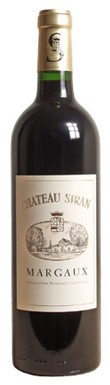
More aromatically expressive than some, with succulent red and black fruit. While a touch of heft from the 14% alcohol is discernible, it’s a very pleasing wine to enjoy now – and for another 15 years. Its creamy, almost soft texture, with plum-like roundness from the Merlot, also endears. The wine seems more balanced than its 2009 counterpart, a result of the hard work in recent years to make Château Siran better than ever.
2016
Château SiranMargaux
Château Labégorce, Margaux, Bordeaux, France, 2018
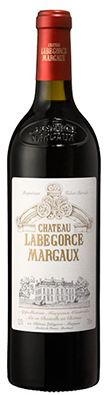
Strong grilled oak on the nose that will settle down but definitely needs time. Black fruit comes through on the palate, and a ton of juice that is shot through the fruit and helps the entire thing to power along enjoyably. Good-quality.
2018
Château LabégorceMargaux
Château Ducru-Beaucaillou, La Croix Ducru-Beaucaillou, St-Julien, Bordeaux, France, 2016
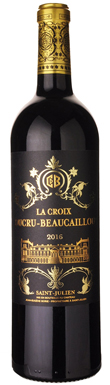
Matured with two-thirds new oak, the 2016 La Croix absolutely reflects the classical style of the vintage. Although oak is a little more on view than in the fruit-dominant 2018, the overall affect here is of great purity and subtlety. A wine clearly showing its quality and breeding. Fragrant and concentrated, with firm but ripe tannins on the palate, a touch of leafiness. Very Bordeaux in structure with dark blackcurrant/Cabernet fruit to the fore. Drinking well but will keep.
2016
Château Ducru-BeaucaillouSt-Julien
Château Lilian Ladouys, St-Estèphe, Cru Bourgeois Exceptionnel, Bordeaux, France, 2016
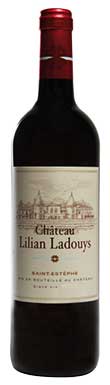
Made by the same team as at Château Pedesclaux, this Cru Bourgeois was promoted to Cru Bourgeois Exceptionnel in 2020, reflecting all the improvements at the property. The 2016 and the 2018 are on par for quality, but the blend for 2016 emphasises Merlot (62%), along with 32% Cabernet Sauvignon and 6% Petit Verdot, while 2018 is Cabernet dominant. The 2016 was harvested from Oct 3 to 17, and the wine spent 15 months in barrels, 30% new. It's generous and even opulent, with expansive aromas of cassis, sensuous red fruit tones to the flavour, silky textures, and really a lush, lifted finish. The character shifts slightly with the 2018, after the Lorenzetti family incorporated vineyards from two neighbouring estates with similar gravelly soils.
2016
Château Lilian LadouysSt-Estèphe
Château Capbern, St-Estèphe, Bordeaux, France, 2016
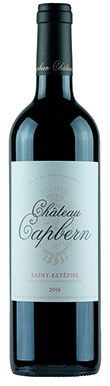
Made by the team at Château Calon-Segur, this is a superb Capbern. Deep, round luxurious, this vintage is bold and plush, with concentrated fruit, a mineral edge, and powerful, but silky tannins. Though the blend is heavy on Cabernet Sauvignon, at 69%, with 25% Merlot, 4% Cabernet Franc and 3% Petit Verdot, it’s drinkable now but has plenty of structure to age for 20 years. It’s matured in 60% new oak. Until the 2013 vintage, this was known as Château Capbern-Gasqueton, a reliable buy. Now it’s on an upward track with more balance and finesse.
2016
Château CapbernSt-Estèphe
