
Inspiration: top Spanish alternatives to your favourite white wine styles
If you’re a fan of classic white grape varieties or styles but would like to experiment with the many other flavours and options that Spain has to offer, here are some suggestions to keep your palate busy.


Top Spanish alternatives if you like:
- Barrel-fermented Chardonnay/white Burgundy
- Crisp, mineral, seafood-friendly dry whites, such as Chablis and Muscadet
- Sauvignon Blanc
- Alsace and other aromatic and spicy whites
- Dry Riesling, Grüner Veltliner and other racy German and Austrian whites
- Southern Italian and Greek whites
If you like Barrel-fermented Chardonnay/white Burgundy, why not try white Rioja
The template for the winemaking genre of the fine oak-aged white was established in Burgundy. And pretty much anywhere you go in the wine world, you can find winemakers sticking to the basic formula of Chardonnay-plus-barrique, with more or less batonnage, more or less toast, and a greater or lesser proportion of malolactic fermentation used in the winemaking.
One of the best exponents of the form can, in fact, be found in Spain. First produced in the 1990s in collaboration with the late, great Bordeaux wine producer and scientist Denis Dubourdieu, Navarra producer Chivite’s Colección 125 Blanco is consistently and deservedly ranked as one of the world’s finest and most elegant oak-influenced Chardonnays.
If, however, you wish to move away from Chardonnay while retaining the richness, mouthfilling amplitude and luminous balancing acidity that make white Burgundy so luxuriously attractive (and ageworthy), Spain has its own tradition of fine barrel-aged whites based on local grape varieties, most notably in its most famous wine region, Rioja.
Although white wine remains a minority concern in Rioja, with white grape varieties accounting for just 9% of the total vineyard according to the Rioja Consejo Regulador’s most recent statistics (for 2020), the quantity is growing, and the quality is undoubtedly improving. Viura (known elsewhere as Macabeo) is the mainstay white variety, with about two-thirds of white plantings, but Tempranillo Blanco has become increasingly important – and interesting. Meanwhile, traditional bit-part blending component Malvasía – similarly to previously secondary red grapes such as Graciano or Mazuelo – is also getting work as a solo performer.
Stylistically, the gap between what were once known as traditionalists (very long ageing in American oak) and modernists (shorter ageing periods, but with more contact with the lees in toastier French oak) has closed, just as it has with Rioja’s reds. And while unchanging examples of the old ways such as Lopéz de Heredia’s Viña Tondonia Gran Reserva Blanco or Marqués de Murrieta’s Castillo Ygay Gran Reserva Especial Blanco remain among the most exciting, long-lived barrel-aged whites made anywhere in the world, lovers of this style will find in Rioja many dazzling examples of the art of oak in a variety of distinctively delicious forms.
López de Heredia, Viña Gravonia Blanco Crianza, Rioja 2014
Finca Allende, Blanco, Rioja 2017
If you like Crisp, mineral, seafood-friendly dry whites, such as Chablis and Muscadet, why not try Txakoli

You can come across minerality – or at least the array of non-fruity flavours that wine tasters have come to group together under the tasting descriptor ‘mineral’ – in many different Spanish white wines. It is routinely found in tasting notes for the richly upholstered whites (and reds) grown on llicorella slate soils in the warm, altitude-moderated climate of Priorat, for example; it is there, too, in many descriptions of the ‘salty’ properties of Galician whites and manzanilla Sherry.
But the style that comes closest to matching the lip-smacking, thirst-quenching appeal of two classic French examples of the crisp, mineral style of white wine – Chablis and Muscadet – is, to my mind, the Basque coastal speciality Txakoli.
This wine is very much a part of everyday life in the Basque Country, poured into distinctive shallow beakers and drunk without too much thought with pintxos snacks. The traditional, searingly citric, bordering on tart and often faintly spritzy young wines have been joined in recent years by some more serious – but still compulsively drinkable – contenders that retain the energy, verve and seafood-condiment properties alongside finer acidity, shimmering concentration and, yes, plenty of mineral freshness.
Bengoetxe, Getariako Txakolina, Basque Country 2019
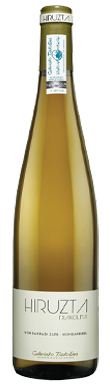
Hiruzta, Txakoli Hondarribia, Getariako Txakolina, Basque Country 2021
If you like Sauvignon Blanc why not try Rueda Verdejo
The idea that Verdejo is the Spanish answer to Sauvignon Blanc hasn’t always been the case. When he first came to Rueda (the home of the Verdejo grape variety in Castilla y León) in 1974, the highly influential French oenologist Professor Emile Peynaud told his client Francisco Hurtado de Amézaga, of Marqués de Riscal, to put his faith in The Real French Thing instead. Peynaud thought Sauvignon had the elegance and vitality that was lacking in Verdejo – at the time almost exclusively used in clumsily oxidative styles.
Fifty years on, Sauvignon still has a role to play in Rueda. But it’s Verdejo (Rueda DO rules state it must account for at least 85% of the blend) that has secured the region’s reputation at the forefront of modern Spanish white wine. It has done so by offering characteristics that are similar (if far from identical) to the ones that have made New Zealand Sauvignon Blanc such a popular style over the past couple of decades. In the unoaked, cold-fermented, night-harvested, oxygen-phobic winemaking recipe that is used for most modern Rueda (as Marlborough) whites, Verdejo offers an exuberant, fruit-driven nose that is all about tangy tropical fruit, a ‘green’ quality that calls to mind fresh leafy herbs such as fennel and mint, and a sense of fleshy-fruited fullness in the mouth combined with lime-citrus freshness.
Like Sauvignon, Verdejo can also work with oak and extended lees contact. With their pungent fruit and savoury tones, racy citrus and a drizzle of honey as they age, many of today’s more ambitious Verdejos have a distinct touch of the Graves/Pessac-Léognan about them. Not that Verdejo should be seen as a slavish imitation of Sauvignon Blanc. Whatever the winemaking, the best Verdejo is always distinguished by a thoroughly moreish but subtle streak of bitterness that is entirely its own delicious thing.
Barco del Corneta, Cucú Verdejo, Castilla y León 2021
Telmo Rodríguez, Basa Blanco, Rueda, Castilla y León 2021
If you like Alsace and other aromatic and spicy whites, why not try Ribeiro’s white blends
The white wines of Alsace – and the various New World wines that are inspired by them – form a genre that works in both dry and off-dry forms. And that combination of aromatic lift and detail with mouthfilling fruit richness and flashes of spice has been successfully recreated both with and without a cushion of sugar in northeastern Spain. In the Somontano DO in the Huesca province of Aragón, dry Gewürztraminer – in a fluently drinkable style more akin to Italy’s Alto-Adige – has become an unlikely but wonderfully drinkable calling card, thanks to the work of producers such as Enate and Viñas del Vero. Further east, Torres’ 70/30 Muscat-Gewürztraminer blend Viña Esmerelda, with just under 7g/L residual sugar, is a breezy off-dry classic that handles mild spice brilliantly and is one of a number of fine Catalan and Levantine Spanish wines to make use of Muscat (widely planted for sweet wines) in a dry or off-dry style.
Elsewhere, the increasingly confident winemakers of Ribeiro in Galicia, make gloriously fresh, fragrant, succulent blends, generally based on the Treixadura variety, that combine spring blossomy floral notes with stone fruit, tropical fruit and zesty, pithy citrus. As well as offering an alternative to the brisker end of Alsace, these wines will also appeal to fans of unoaked South African Chenin Blanc.
Coto de Gomariz, The Flower and the Bee Blanco, Ribeiro, Galicia 2021
Xosé Lois Sebio, Salvaxe, Ribeiro, Galicia 2021
If you like Dry Riesling, Grüner Veltliner and other racy German and Austrian whites, why not try Albariño
Albariño (from Rías Baixas in Atlantic coastal Galicia) has been likened to many varieties and styles, from Kiwi Sauvignon to Greek Assyrtiko and northeast Italian Pinot Grigio. But while Albariño does share attributes with each of those, I’ve increasingly come to believe that the variety with which it has most in common is Riesling.
This is particularly evident once you’ve tried an older bottle from one of Rías Baixas’ best producers. Once they’re past the first flush of floral youth, wines from the likes of Pazo de Señorans, Palacio de Fefiñanes and Zarate, among others, begin to take on very similar caraway seed and cooked lime notes that you might find in older Rieslings. Judging by the sprightly examples of Albariño aged for 20 years or more that I’ve tried, the best of the variety also shares the remarkable longevity of top Rieslings.
Even young, however, Rías Baixas Albariños have an affinity with the fleshier, riper style of dry Riesling you find in warmer German vintages and in Austria. It’s not exact; Albariño’s cut is rarely quite as sharp and steely as Riesling’s. But I defy any Riesling lover not to see at least a family resemblance – and to take great pleasure in the way classic Albariño’s white peachiness dovetails with its thrilling acidity and Atlantic saltiness.
Zarate, Albariño, Rías Baixas, Galicia 2021
Mar de Frades, Albariño Atlántico, Rías Baixas, Galicia 2021
If you like southern Italian and Greek whites, why not try Xarel·lo
Having been somewhat hidden in plain sight, and known only for its role as one of the trio making up the traditional Cava sparkling blend, in the past 20 years Xarel·lo has become the signature variety in the dry white wines from the Catalan region of Penedès. Maybe because it still feels new as a solo dry white variety, there’s been a certain degree of experimentation in the way the wines are made. Oak, chestnut, amphorae, stainless steel; extended or shorter macerations and time on the lees; with and without sulphur or natural yeast… producers in Penedès are still puzzling over what works best, and this has led to quite a broad variety of styles.
However it’s made, Xarel·lo – and certainly those wines produced from older vines – tends to come with some readily identifiable characteristics: a chalky mineral quality, a maritime saltiness, some stone fruit and relatively low alcohol. Then there is a decidedly Mediterranean set of flavour allusions that runs from fennel, thyme and rosemary to blood orange and delicate lemon zest. These would surely appeal to anyone who’s ever enjoyed the broad swathe of breezy Mediterranean and Aegean whites that includes the likes of Campanian Fiano, Sardinian Vermentino or Greek Assyrtiko – wines that, like Xarel·lo, are immediately, exquisitely evocative of holidays in Europe’s warm south.
Can Sumoi, Xarel·lo, Penedès 2020
Celler Credo, Miranius Xarel·lo, Penedès 2021
David Williams’ choice of 12 alternative Spanish whites
Related articles
- Expert’s choice: White Rioja
- Vega Sicilia invests €20m in Galicia white wine plan
- The white Rioja renaissance
R Lopez de Heredia, Viña Gravonia Blanco Crianza, Rioja, Rioja, Spain, 2014
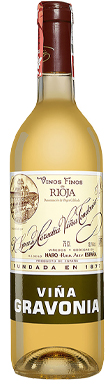

One of the grand old names of Rioja, López de Heredia is unusual for being equally, if not more, renowned for its whites as its...
2014
R Lopez de HerediaRioja

Coto de Gomariz, The Flower and the Bee Blanco, Ribeiro, Ribeiro, Spain, 2021
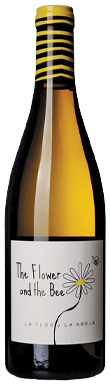
A consistent standout producer in Ribeiro. This 100% Treixadura dry white lives up to the suggestions in its pastoral name, with a lovely, gentle, blossomy...
2021
Coto de GomarizRibeiro
Finca Allende, Blanco, Rioja, Rioja, Spain, 2017
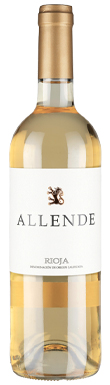
Finca Allende’s Miguel Angel de Gregorio was one of Rioja’s original modernists and, while that is something of a caricature, this white is a brilliant...
2017
Finca AllendeRioja
Xosé Lois Sebio, Salvaxe, Ribeiro, Ribeiro, Spain, 2021
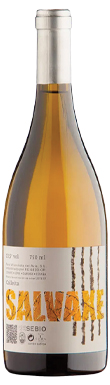
A wild old-vine (60-90 years old) field blend of all manner of local Galician varieties. A gorgeously plump and plush, effectively unoaked (it’s aged in...
2021
Xosé Lois SebioRibeiro
Zarate, Albariño, Rías Baixas, Rías Baixas, Spain, 2021
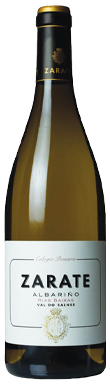
From biodynamically farmed vines on granite soils, this is a scintillating example of Albariño that recalls both Riesling and, as retailer The Sourcing Table says,...
2021
ZarateRías Baixas
Barco del Corneta, Cucú Verdejo, Castilla y León, Castilla y Léon, Spain, 2021
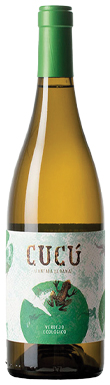
Barco del Corneta’s old-vine Verdejo is sourced from outside the Rueda DO, but this is such a vibrant and joyous example it has to be...
2021
Barco del CornetaCastilla y León
Bengoetxe, Getariako Txakolina, Txakolí, de Getaria, Northern Spain, Spain, 2019
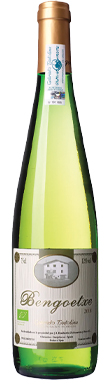
While retaining the lively directness and seafood-partnering talents that are so important to the appeal of Txakoli, Bengoetxe’s interpretation, from vineyards inland from the traditional...
2019
BengoetxeTxakolí
Can Sumoi, Xarel·lo, Penedès, Penedès, Spain, 2020
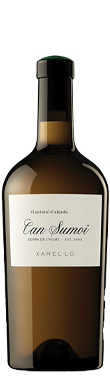
Master of Catalan sparkling wine Raventós i Blanc has brought all its understanding of the Penedès terroir and its signature white grape variety Xarel·lo to...
2020
Can SumoiPenedès
Celler Credo, Miranius Xarel·lo, Penedès, Penedès, Spain, 2021
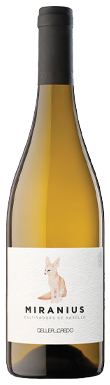
Another great Catalan sparkling wine producer, and another great Xarel·lo white: the natural-leaning Celler Credo is a still-wine spin-off of Recaredo. This is a gorgeously...
2021
Celler CredoPenedès
Mar de Frades, Albariño Atlantico, Rías Baixas, Rías Baixas, Spain, 2021
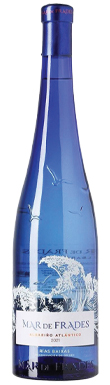
A typically pristine take on Albariño from Rioja producer Ramón Bilbao’s Galician outpost, the fruit is gorgeously ripe and rippling, white peach, melon and citrus,...
2021
Mar de FradesRías Baixas
Compañía de Vinos Telmo Rodríguez, Basa Blanco, Rueda, Castilla y Léon, Spain, 2021
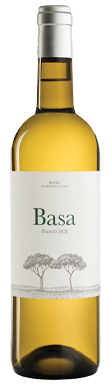
Prolific and gifted winemaker Rodríguez juggles fascinating projects all over Spain with remarkably consistent results. His Verdejo (with 10% Viura) is brilliantly done, wonderfully clean...
2021
Compañía de Vinos Telmo RodríguezRueda
Hiruzta, Hondarribia Txacolí, Txakolí, de Getaria, Northern Spain, Spain, 2021
91
Consummate modern Txakoli with a bright burst of mango and grapefruit in Lilt style, balanced with the classic slight spritz and tongue-tingling sourness and lemony acidic bite that will do the pintxo-partnering job perfectly. Organic.
2021
HiruztaTxakolí
