Matt Walls’ hidden gems: Domaine Burgaud, Côte-Rôtie
Matt Walls tastes a vertical of 12 wines from Domaine Burgaud going back to 2009 and shines a light on this under-the-radar producer in Côte-Rôtie.

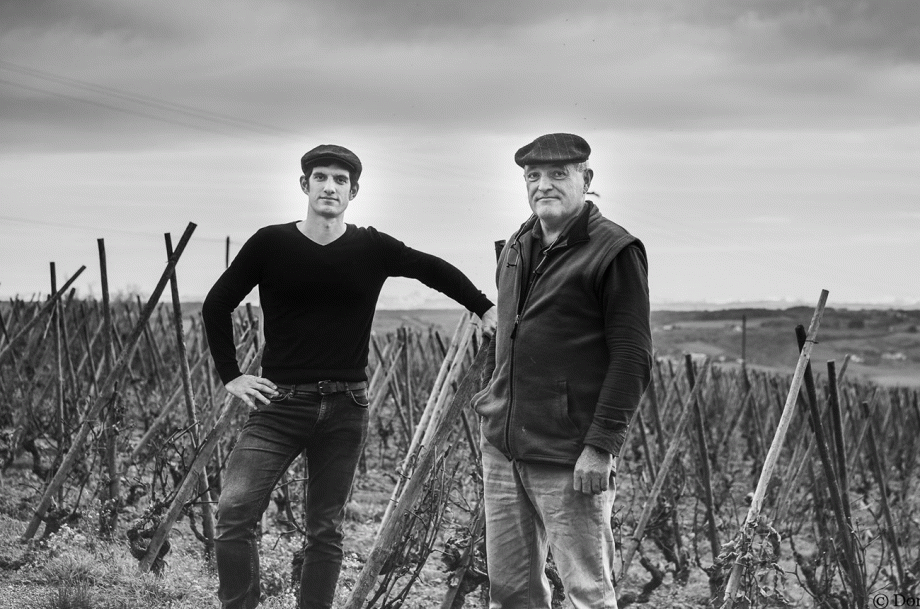
Which style of Côte-Rôtie do you prefer: traditional or modern?
As winemaking has evolved in Côte-Rôtie, it seems as though wines are increasingly grouped into one style or the other.
Perhaps this is why the estate remains somewhat under the radar. Though this could simply be down to their size; with 4.5ha, they are a small domaine, but one that crafts reliable, authentic wines that are worth knowing about.
Scroll down to see Matt Walls’ tasting notes and scores for 12 vintages of Domanie Burgaud wines
How Domaine Burgaud started
It all started thanks to Roger Burgaud in the 1950s. In the mornings he worked in the biscuit factory in Ampuis. In the afternoons, however, like so many local men he’d return to the family smallholding to tend to his crops. He was a vigneron at heart, and he bought and replanted vineyards on some of the finest slopes, at a time when much of the appellation had been abandoned.
It was Roger’s son, Bernard, that converted the entire family domaine to viticulture. He took over in 1980 and gradually expanded the domaine to its current size.
They now have vines in the lieux-dits of Côte Blonde, Champin, Leyat, Fongeant, Les Moutonnes and Brosse. Bernard’s son Pierre recently rejoined the estate, and 2020 is his first vintage.
Of their various vineyards, only the vines planted in Côte Blonde are on ‘blonde’ gneiss soils, the rest are on ‘brune’ schist. It’s long been traditional to grow a little Viognier among the Syrah in Côte Blonde, but not here.
‘When my father planted in Côte Blonde, he included some Viognier, but eventually he came to realise that it brought nothing to the finished wine, so he pulled it out,’ says Pierre. So their holdings are now 100% Syrah.
Old vs new
Traditional ways aren’t always the best ways. Perhaps they once served a purpose that’s no longer required, and this, suggests Pierre, is the case with Viognier in Côte-Rôtie.
Before the appellation rule book was published, local winemakers grew Viognier for whites and Syrah for reds on these hillsides.
When appellation officials decided that Côte-Rôtie should be a red-only appellation, they agreed a ‘tolerance’ of up to 20% Viognier in the wines.
Local growers found it useful, because its high sugar levels could help bolster the more moderate Syrah alcohols in cooler vintages. But with climate change, Pierre points out, this is no longer required.
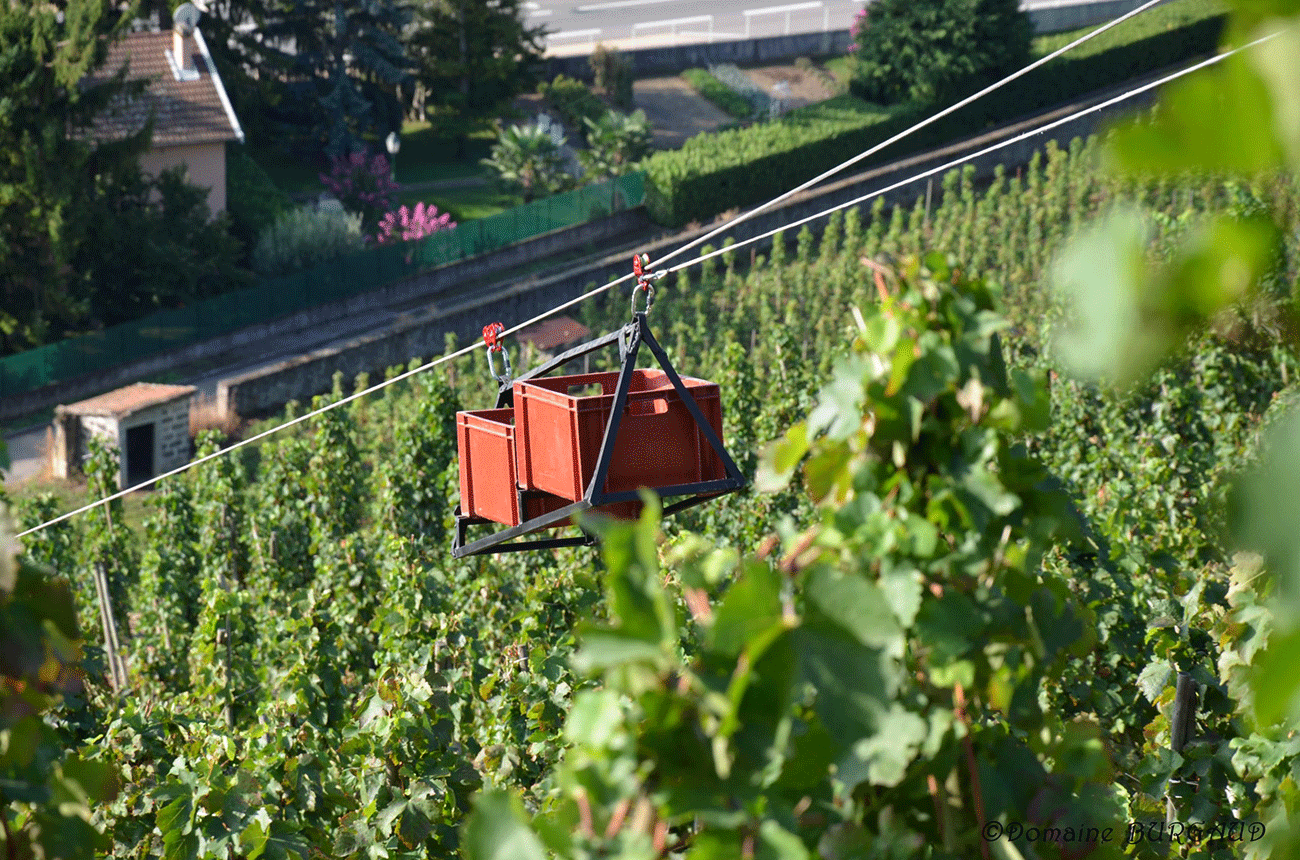
The domaine’s approach to harvesting isn’t exactly traditional either. On their steepest slope, Bernard designed and built a zip wire to deliver trays of hand-picked grapes directly to the cellar. It’s a smart innovation that saves them time and effort.
Winemaking techniques
The use of stems has become a hot topic of late; embraced by traditionalists, discarded by modernists.
When Bernard joined the domaine in 1980, he changed course from using whole bunches to total destemming. They’re sticking to this method going forward as they don’t believe stems bring any benefits to the wine.
On the contrary, they point out that stems reduce acidity, unhelpful in a warming climate, ‘and they can bring herbal flavours that we don’t find that interesting,’ says Pierre. They do believe in using natural yeasts, however, which help to accentuate the expression of terroir.
Traditionally, maceration in Côte-Rôtie involves using a cage to suspend the cap of grape skins in the wine. Here they use a machine to pneumatically punch it down. But again, is traditional always best? Bernard suggests that the primary reason winemakers used to submerge the cap was so it freed them up to work on their other crops and livestock – no longer a worry for most winemakers today.
If a modern winery uses 100% new oak barriques to mature their wine, and a traditional winery prefers to use older demi-muids, where does Burgaud sit here? They use barriques, but only 20% new, and maturation time is fairly short for the region at 15 months, which Bernard says helps ensure the wines have a long life.
When it comes to their range, they’ve resisted the trend for bottling individual lieux-dits. Here they prefer the old-fashioned way – producing just one cuvée, their Côte-Rôtie.
What is Domaine Burgaud’s style?
For wines that are relatively small in stature, almost Burgundian in style, they do have impressive longevity; they’ll develop for 20 years or more in a good vintage.
Stylistically this isn’t an oaky style of Côte-Rôtie, the aromas and flavours are fruit-derived, from grapes that are ripe, but not overripe. They are typically harmonious and balanced with a certain old-fashioned charm.
These aren’t showy wines; they have a quiet elegance, so they might appeal more to established lovers of the style rather than newcomers. Perhaps they’re not as eye-catching as some of their neighbours, but they produce a very genuine Côte-Rôtie that reflects its vintage candidly, and, at around £40/$50 a bottle, they’re at the cheaper end of the scale.
Looking to the future with an eye on the past
With Pierre now installed and his first vintage in barrel, what should we expect?
‘We’re staying in the same vein, in terms of the viticulture and vinification, I haven’t really changed anything,’ he says, and he isn’t planning to either. That doesn’t mean standing still however; his first concern is combatting the effects of climate change on his vines, and reducing their carbon outputs.
‘When I rejoined the estate, I asked a lot of questions, but my father always had very coherent, practical answers,’ says Pierre, which is why he’s happy to continue with the status quo.
This is what I admire in Domaine Burgaud; the pragmatism to select a technique as a means to an end, rather than following tradition, or breaking it, for its own sake.
Domaine Bernard Burgaud: 12 wines back to 2009
You might also like…
Matt Walls’ Côte-Rôtie 2019 report
Spotlight on Syrah – the world’s most adaptable grape
Delas’ Hermitage Ligne de Crete
Domaine Bernard Burgaud, Côte-Rôtie, Rhône, France, 2020

Tasting this barrel sample six months into its élevage, it has a lovely sense of purity on the nose. A light- to medium-bodied style where...
2020
Domaine Bernard BurgaudCôte-Rôtie

Domaine Bernard Burgaud, Côte-Rôtie, Rhône, France, 2019
Very ripe, dark plum aromas with a touch of currant and cinnamon. It is dense and deep, with marked acidity for the vintage. A good...
2019
Domaine Bernard BurgaudCôte-Rôtie
Domaine Bernard Burgaud, Côte-Rôtie, Rhône, France, 2018
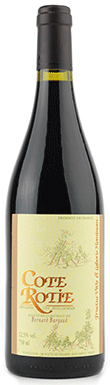
Densely coloured but not opaque. Showing a smoky, meaty, expressive nose with a touch of fresh blood and garrigue herbs. Medium-bodied, you immediately feel the...
2018
Domaine Bernard BurgaudCôte-Rôtie
Domaine Bernard Burgaud, Côte-Rôtie, Rhône, France, 2017
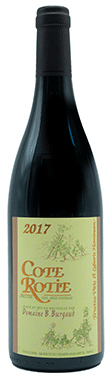
Intense aromas of berry coulis, blackberry, blackcurrant and a touch of black olive. Fresh and precise palate, with no heaviness. Not terribly long and not...
2017
Domaine Bernard BurgaudCôte-Rôtie
Domaine Bernard Burgaud, Côte-Rôtie, Rhône, France, 2016
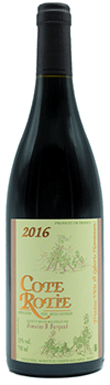
At the time of tasting it feels like it's starting to look inwards, becoming a little introverted. A light-bodied style of Côte-Rôtie. Even so there’s...
2016
Domaine Bernard BurgaudCôte-Rôtie
Domaine Bernard Burgaud, Côte-Rôtie, Rhône, France, 2015
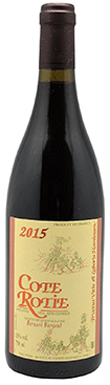
Remarkably deep colour. The aromas rise up and envelop you. A great sense of generosity, concentration and richness, but also great freshness. Velvety tannins give...
2015
Domaine Bernard BurgaudCôte-Rôtie
Domaine Bernard Burgaud, Côte-Rôtie, Rhône, France, 2014
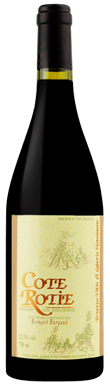
The aromas are harmonious, this is ready to drink as it’s showing notes of bonfire embers and a light smokiness to the warm raspberry and...
2014
Domaine Bernard BurgaudCôte-Rôtie
Domaine Bernard Burgaud, Côte-Rôtie, Rhône, France, 2013
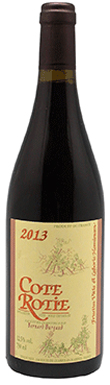
A little warmer in fruit than the 2014, with more concentration and a bigger tannic structure. Some charcuterie on the nose under the blackberry fruit,...
2013
Domaine Bernard BurgaudCôte-Rôtie
Domaine Bernard Burgaud, Côte-Rôtie, Rhône, France, 2012
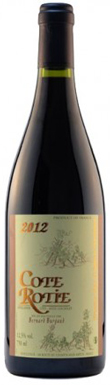
Lovely nose, sylvan and herbal, bringing to mind pine needles and singed rosemary on a grill. Well-balanced, easy to enjoy, it has a mellow freshness...
2012
Domaine Bernard BurgaudCôte-Rôtie
Domaine Bernard Burgaud, Côte-Rôtie, Rhône, France, 2011
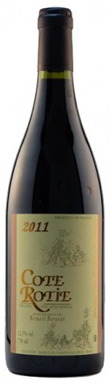
A particularly spicy style, with nose-tickling espresso roast and wood smoke, some polished wood aromas too. Just beginning to take on some secondary development. Fairly...
2011
Domaine Bernard BurgaudCôte-Rôtie
Domaine Bernard Burgaud, Côte-Rôtie, Rhône, France, 2010
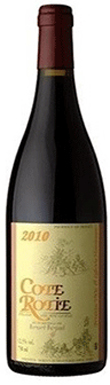
The first, fleeting impression here is mint. With further attention, it displays nicely developed aromas of cinnamon, leather and spice. It's a harmonious bouquet, so...
2010
Domaine Bernard BurgaudCôte-Rôtie
Domaine Bernard Burgaud, Côte-Rôtie, Rhône, France, 2009
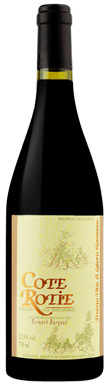
Deep and enveloping with appealing scents of old leather and an earthy tang. Fulsome and rounded on the palate, it has the fat and generosity...
2009
Domaine Bernard BurgaudCôte-Rôtie
