Meet the next generation at four legacy Napa Valley wineries
In Napa Valley, as with any wine region, wineries come and go. In the last decade, consolidation and the lure of a conglomerate’s buy-out cheque loom large. But not all of the region’s great family wineries are selling out. Jonathan Cristaldi presents some of Napa's legacy wineries where the next generation is taking the helm.

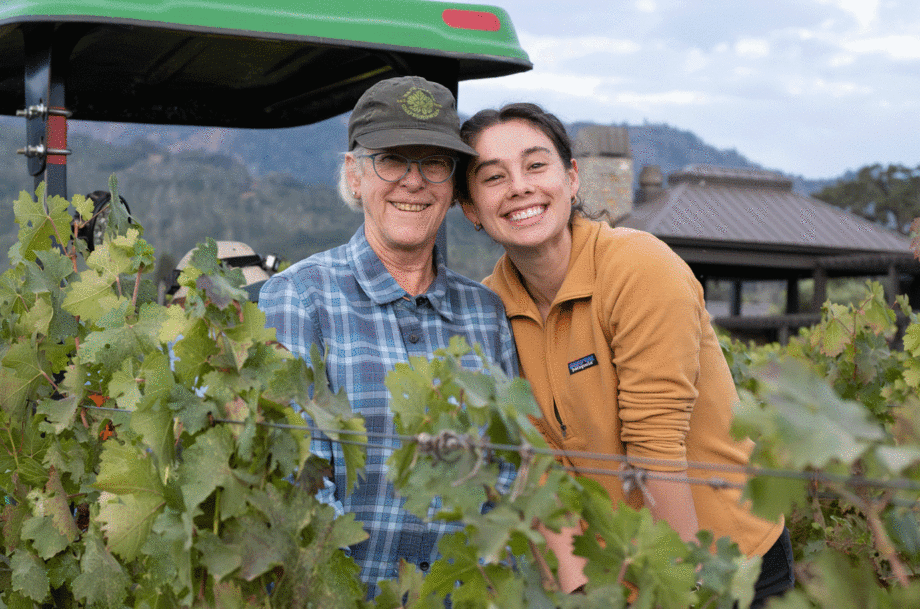
Among the handful of Napa estates still steering their own course, we find a firm conviction about what it means to build for the long term. Younger heirs have their challenges and must stay relevant to an audience that drinks differently, travels less, and scrolls or swipes at bewildering speeds.
For these families, legacy isn’t something you simply inherit, so much as something you work for, keep working for, with an urgency to innovate, and stay relevant.
Dunn Vineyards: Holding the line on Howell Mountain
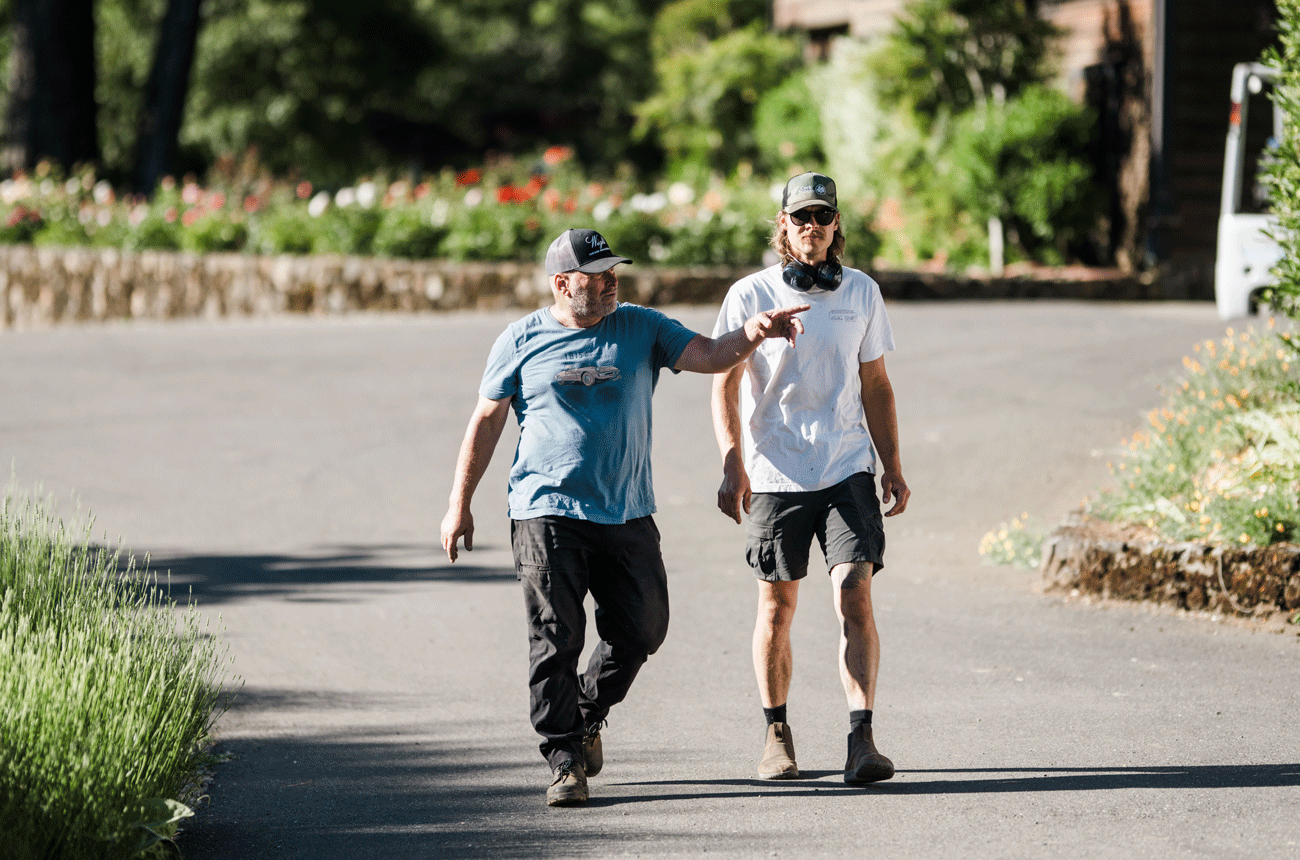
Mike Dunn remembers the moment the family business called him home. ‘I walked into a bookstore in Mendocino one weekend and picked up a book on wine and read about my family,’ he says. ‘I thought I should probably learn how to make wine at that moment.’
His stepfather, Randy Dunn, wasn’t so sure the two could work together. ‘He recognised that I was kind of my own boss, and didn’t want to work for him’, Mike recalls – but after the sudden loss of Mike’s sister, the family rallied, and Randy ‘embraced my return’.
When Mike joined the winery in 1999, he brought both pragmatism and precision to Howell Mountain, softening pressing, shortening pump-overs, and reducing the amount of new oak.
He pushed back against de-alcoholising the wines if the finished alcohol was under 14%, a practice Randy had adopted without apology. Still, Mike is in favour of removing alcohol if it’s over 14%.
The tannic power of Dunn’s mountain wines has resulted in numerous critics describing them as ‘undrinkable young’, a phrase Mike meets with good humour. ‘It may have been that way in the past, but today, they are approachable earlier, and still in our style,’ which is surprisingly elegant and powerfully built.
Mike Dunn’s challenge is to ensure he doesn’t spread himself too thin dealing with the viticultural demands atop Howell Mountain while maintaining a loyal client base and prized wholesale accounts. To ease some of the burden, in 2020, Ted Kizor joined to assist in the cellar, along with Lily Mirabelle Freedman, as General Manager in 2023.
Mike’s son, Alex, is also getting involved on the farming side – yet another generation of Dunn comes into the fold.
Corison Winery: Grace and the art of continuity
Cathy Corison once remarked that she never fully understood the term terroir until she realised ‘people are part of the equation.’
That belief underpins her four decades of championing elegant, lower-alcohol Napa Cabernet – at times seen as out of fashion, occasionally unprofitable, but unwavering in integrity.
‘I never got the business memo; this girl just wants to make wine, ’ she says.
But there came a point when she and her husband, William Martin, began talking to their daughters—Grace and Rose—about a succession plan. If neither daughter wanted to take it on, ‘We might choose to stop buying any fruit and concentrate on our estate vineyards, making less wine and living happily ever after,’ muses Cathy.
‘This is a very difficult business, and I didn’t want either Grace or Rose to come back into the business unless they really loved it.’
Grace, who trained in acting and lived in New York City before returning to St Helena, caught the winemaking bug while home on a kind of forced leave during the pandemic.
Her creative background makes her acutely aware of ‘what’s around you, and [how you ] then shape it into something that tells a story,’ she says. Her generation, she adds, values transparency as much as terroir.
‘People my age want to know not just what’s in their glass, but how it was made and what values are behind it.’
Meanwhile, Cathy is learning the art of letting go after nearly four decades. ‘This project has always been so personal,’ she admits. Yet in Grace’s growing stewardship, she finds reassurance: ‘We haven’t wanted to make more wine, just better wine. If we have a long enough runway, there should be great continuity.’
Cliff Lede Vineyards: From rock ’n’ roll to rhythm and balance
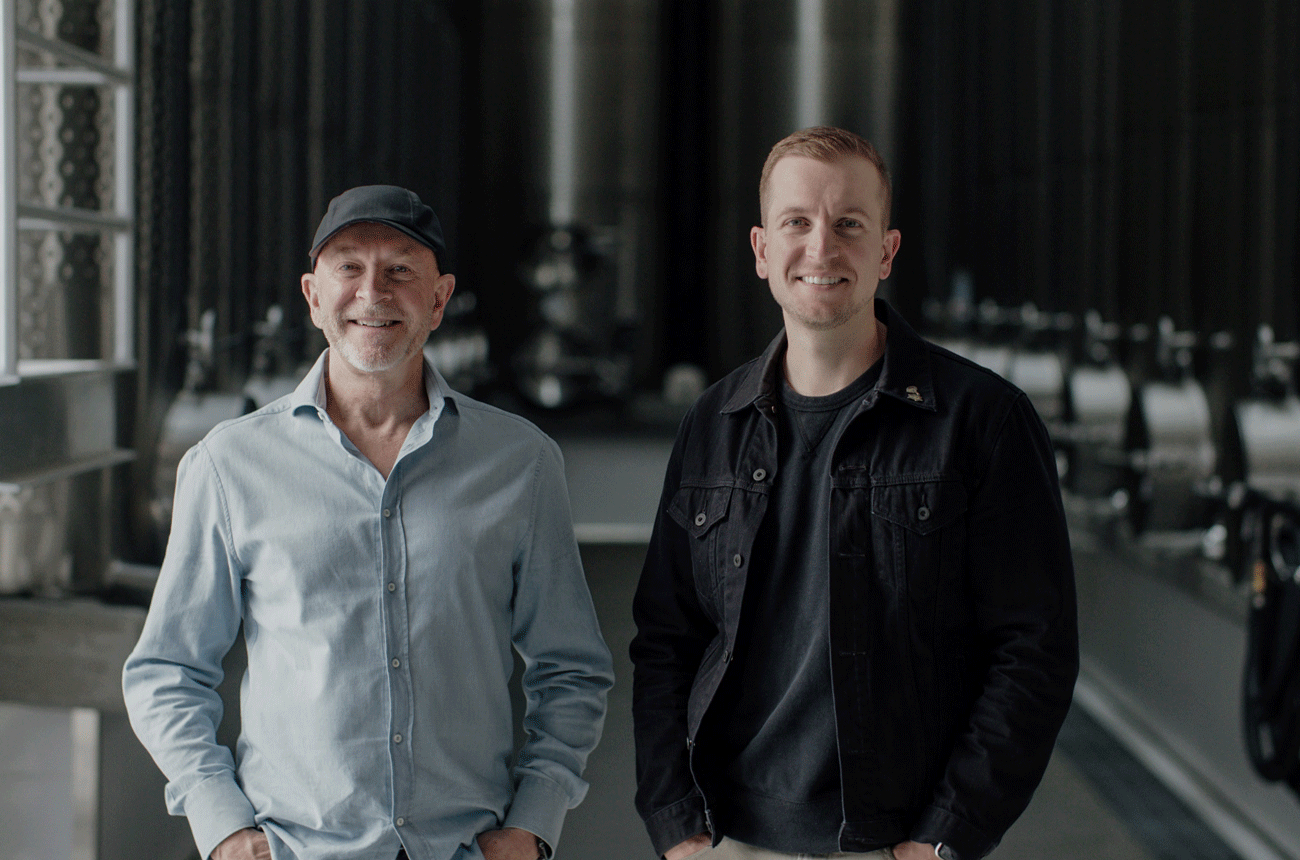
Few wineries blend serious winemaking with tongue-in-cheek playfulness quite like Cliff Lede. ‘We take winemaking seriously,’ says Cliff’s son Jason Lede, ‘but don’t take ourselves too seriously.’
Since 2002, Cliff Lede’s portfolio of wines from Bordeaux varieties is set against a backdrop of a shared love of classic rock, complete with vineyard blocks named after favourite songs.
Today, Jason leads the company his father founded. ‘Initially, there wasn’t necessarily the intention to be a multi-generational winery,’ he says. ‘I spent 10 years building my résume, and officially joined in 2015.’
That same year, the winery obtained its Napa Green certification, and Jason describes the transition as equal parts pride and pressure. ‘With the current state of the industry, we’ve made it a priority to eliminate noise and focus on what drives our business forward.’
He’s expanded the estate, deepened focus on Stags Leap District Cabernet, and brought in new audiences through music-driven tastings, DJ events, and two new wines – Rhythm and Crossfade.
Director of Winemaking, Chris Tynan, leads a tight ship in the cellar, with a strict focus on farming and making wines to enjoy with meals, at moderate alcohol levels – like their flagship poetry, which clocks in at impressively modest mid-13s.
Founder Cliff Lede remains confident about the handover: ‘We’re ready to weather the storm. We’re refining our winemaking techniques to redefine what balance means to us. I am confident that not all recent industry changes are fundamental, and that wine will persevere as an essential part of a life well lived.’
Rudd: Flexibility and focus in challenging times
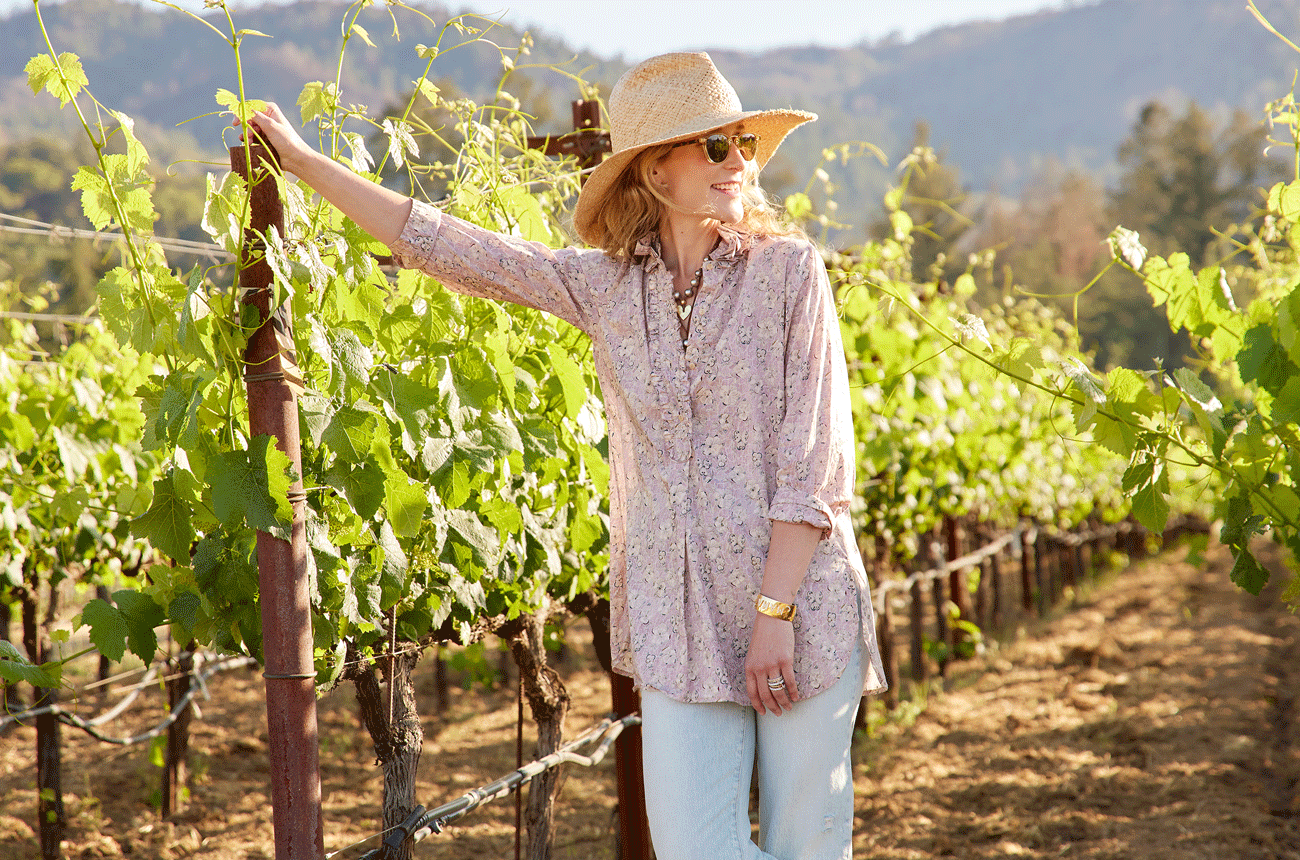
When Samantha Rudd took over the winery her father established in the 1990s, she was keenly aware of his legacy. ‘Rudd is about craftsmanship. It started in 1996 with a lofty goal of creating a world-class estate.’
Rudd has thrived under her helm, but she’s not one to rest on family laurels amid shifting tides. ‘All my father was able to accomplish in his life is incredibly impressive,’ she says. ‘However, that is literally the past.’
In 2021, Rudd promoted Natalie Bath to Head Winemaker. Bath, who interned at Petrus in Pomerol and first joined Rudd in 2014, has dialled back ripeness, tightened the white wine program, and brought a renewed focus on organic farming with some biodynamic practices. As a result, the wines are livelier and fresher than ever before – and attractive to a younger clientele.
It’s an oft-repeated mantra, but for Rudd: ‘Making the best wines possible from our land every year,’ is the goal. And to do that, she has surrounded herself with a comfortable team asking what they need to do to, ‘keep finding consumers, and not get stuck in our ways.’
She sees today’s economic and global consumption challenges as a chance to cultivate new wine lovers. ‘I remind our team to practise gratitude with customers,’ she notes. ‘Now more than ever, we need to make them feel special. I worked at [Bordeaux’s Château] Margaux during its 200-year celebration. If we are truly in this for the long haul, we will need to be able to adapt.’
Up Next in Napa Valley:
Related articles
- Mining for value in the Napa Valley: Over 20 of the best wines for under $75
- Napa Cabernet 2022: Vintage report and buyer’s guide
- North America newsletter: Sign up today
Cliff Lede, Marla White Wine, Napa Valley, California, USA, 2023
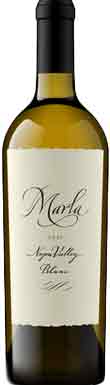

This reserve-level Sauvignon Blanc, named Marla after founder Cliff Lede's daughter, is aged in 63% new French oak Burgundy barrels with light toast. Its luxurious richness and oily texture immediately impresses, delivering far more opulence than the Napa Sauvignon Blanc while maintaining a fresh, juicy acidity at its core. A dynamic white wine, it pairs beautifully with a wide range of dishes and will cellar effortlessly. From nose to palate, this medium-bodied wine showcases ripe orchard fruit, mingling with notes of kumquat, orange blossom, and crushed almonds. The finish reveals lime and cherry blossom nuances, adding depth and fragrance. Layered and aromatic, this is a standout effort in 2023. Winemaker Christopher Tynan sources Sémillon from a site near Eisele Vineyard in Calistoga, where 1970s plantings produce low yields, imbuing the wine with old-vine richness and freshness. Sauvignon Musqué is drawn from a Carneros site, and Sauvignon Blanc from the estate Rhythm Vineyard in the Stags Leap District (notably, its blocks are named after famous songs, with this wine coming from the Hey Jude block). The gravelly soils at the vineyard's base near the winery contribute to the wine’s mineral-driven character.
2023
Cliff LedeNapa Valley

Rudd, Estate Sauvignon Blanc, Napa Valley, Mt Veeder, California, USA, 2023
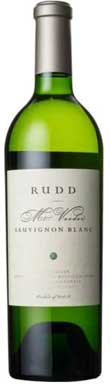
From their Mount Veeder estate, a blend of Sauvignon Gris and Sémillon. Didier Dagueneau and Jean-Bernard Delmas visited the property and advised Rudd on what to plant. The Sémillon adds mid-palate richness, while the Sauvignon Gris brings tension and length. Fermented in oak, amphora, and concrete, with no malolactic fermentation. Light lees stirring and aged for eight months before bottling. Super lean and chalky-mineral bright, with fragrant sea grass and an attractive mix of citrus, stone, and orchard fruit. Medium-bodied, with a striking vein of crisp acidity, a firm mid-palate of lemon and lime citrus, and crunchy almonds.
2023
RuddNapa Valley
Corison, Kronos Vineyard Cabernet Sauvignon, Napa Valley, St Helena, California, USA, 2022
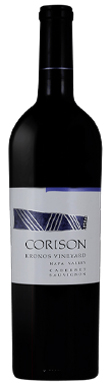
Intriguing aromatics evoke Earl Grey tea laced with vanilla and hints of fresh cedar. The tannins are elongated, firm, and taut with a mineral-scented quality that builds with skyscraper-like intensity on the finish, delivering remarkable length and uplift. One of the few 2022 Napa Cabs with the structure and complexity to cellar for multiple decades. A multidimensional and utterly captivating wine. Planted in 1971 on St. George rootstock, this was aged for 20 months in 50% new French oak. The winery, a Napa Valley staple since its founding in 1987, has delivered a polished, elegant, and expressive wine in 2022 that defies the heat of the vintage
2022
CorisonNapa Valley
Dunn Vineyards, Cabernet Sauvignon, Napa Valley, Howell Mountain, California, USA, 2022
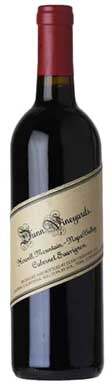
The 2022 Howell Mountain estate, built entirely on Cabernet Sauvignon, was aged up to 32 months in 84% new French oak. The bouquet on this powerhouse is strikingly fresh, with a savoury richness reminiscent of cured black truffle charcuterie and a hint of bacon fat, lifted by dried rose petals, wild fennel, salted dark chocolate, walnut, and loamy earth. On the palate, soaring tannins frame a wine that is at once succulent, juicy and medium- to full-bodied, supported by firm beams of tannin that are impressively well integrated at this youthful stage. The hallmark minerality is stark yet beautifully layered with loamy earth and wet slate. This may prove to be one of the most approachable Dunn Cabernets in recent memory — unquestionably a product of the hot growing season, yet still carrying the structure and integrity for which these magnificent wines are renowned. Few 2022s will cellar gracefully, but this one will surely gain in complexity with time. That said, collectors should consider the 2022 a rare gift: a Cabernet to enjoy now, while the rest of their Dunn holdings continue their long slumber.
2022
Dunn VineyardsNapa Valley
Corison, Sunbasket Vineyard Cabernet Sauvignon, Napa Valley, St Helena, California, USA, 2022
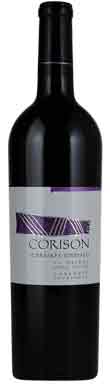
Cathy Corison has been crafting this single-vineyard designate from Sunbasket Vineyard in the St. Helena AVA since 2015. Aged for 20 months in 50% new French oak, it is arguably her most powerful Cabernet Sauvignon, and the 2022 vintage exemplifies that reputation. The sheer intensity of the wine is apparent from the first whiff, with bold aromas of dark berry fruit, black olive, saddle leather, rich loamy earth, and pressed wildflowers. On the palate, a rush of dark berry fruit infused with iron-like mineral intensity transitions into a cascade of suede-like, velvety tannins, framed by a nervy thread of juicy, crunchy acidity. This is unquestionably a standout wine from the vintage, showcasing an exceptional balance of tension, energy, and focus—a truly remarkable achievement.
2022
CorisonNapa Valley
Dunn Vineyards, Cabernet Sauvignon, Napa Valley, California, USA, 2022
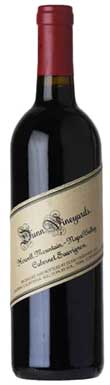
Dunn's 2022 Napa Valley bottling is 100% Cabernet Sauvignon sourced entirely from the estate’s plusher parcels and younger vines on Howell Mountain, aged in 60% new French oak. Harvest stretched from 8 September to 21 October — after the ‘heat dome’, but, as Mike Dunn notes, ‘pre-heat dome on Howell Mountain’. All grapes were hand-sorted in the vineyard and, unlike in other years, no valley-floor fruit was purchased for the blend, as the heat proved too intense in those sites. The nose is pure Dunn: luxuriously enticing with pine forest, dark berry fruit, fig, tobacco leaf, brown spices, dried fennel, violets, and rose petals, all seamlessly interwoven. Medium-bodied, the palate reveals ripe dark berry and mulberry fruit framed by refined tannins with excellent grip and a subtle, welcome sweetness that makes the wine so approachable right from the pull of the cork. The finish is long and focused, marked by wet slate and graphite minerality. A remarkable effort in a challenging vintage — classically structured, aromatically complex, quite drinkable in its youth, and built to cellar, though already immensely pleasing.
2022
Dunn VineyardsNapa Valley
Rudd, Samantha's Cabernet Sauvignon, Napa Valley, Oakville, California, USA, 2022
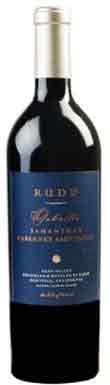
The 2022 Samantha's was fermented in stainless steel, concrete, and a tiny proportion in barrel. Blending occurred a year after malolactic fermentation was completed, with the wine aged 22 months in 50% new French oak before bottling. Winemaker Natalie Bath describes Samantha’s as the best expression of Cabernet Sauvignon, which can stand alone as a 100% varietal wine. The blend incorporates various clones and blocks from sites on alluvial fan and coarse stone volcanic soils. This wine is remarkably approachable, with suave, seamlessly integrated silky tannins balanced by excellent dark berry fruit and a graphite-driven mineral-acid brightness. Classic Cabernet herbal notes of sage, thyme, and a hint of spearmint are beautifully laced with cocoa powder. The acidity is delicate and lacy, weaving through the crisp, dark-berry fruit. The finish is succulent, enticing, and well-focused. Highly recommended for immediate enjoyment, as the 2021 and 2019 vintages continue to evolve in bottle.
2022
RuddNapa Valley
Cliff Lede, Rhythm Cabernet Sauvignon, Napa Valley, Stags Leap District, California, USA, 2022
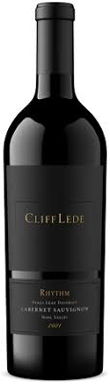
A blend of 85% Cabernet Sauvignon, 11% Petit Verdot, 2% Merlot, and 2% Cabernet Franc, sourced from the Rhythm Vineyard on the slopes of the winery’s Stags Leap District estate. Jason Lede envisioned this wine as a pure expression of the rocky soils beneath the vines, which are planted with a mix of clonal selections and rootstocks. He aimed to highlight this site, offering consumers an accurate snapshot of its terroir in the bottle. The vineyard spans 15 hectares, but only the best fruit from select blocks in the Rhythm site makes it into this wine. The result is a powerful and robust expression, with deep loamy earth, high-toned violet florals, leather, tobacco, and capsicum. The aromatics and palate are muscular, with a striking depth to the fleshiness of the fruit. While the tannins are powerful and structured, they melt beautifully on the finish, leaving lingering notes of cocoa powder and graphite.
2022
Cliff LedeNapa Valley
