
Regional profile: Champagne’s Marne Valley
Although Champagne's largest sub region offers up climatic challenges to its many growers, it is also home to some of the most dynamic producers making open, charming wines. Tom Hewson takes a look at the current state of affairs and selects 12 Champagnes to try.


It is September 2023 in the vineyards of Champagne Christophe Mignon in the village of Leuvrigny. As an early autumn heatwave takes hold, a harvester stops to pick an enormous bunch of grapes, dark purple and pristine.
Snipping the bunch in two, he looks up at me and shrugs his shoulders; beneath the purple exterior is a layer of green, unripe berries. ‘This is 2023!’ he says, with more than a dash of exasperation.
Scroll down to see tasting notes and scores for Tom Hewson’s top picks of Marne Valley Champagnes
The small picking team works its way up the rows, hunting for ripeness among a fast-moving explosion of rot and shrivelling berries. Only two harvests previously, many growers lost everything to downy mildew and incessant rainfall. Meunier yields were significantly reduced for Jérôme Bourgeois of Champagne Bourgeois-Diaz in Crouttes-sur-Marne, at the western extremity of the Champagne appellation, where the majority of Meunier was lost. ‘I was glad to have a little Pinot Noir and Chardonnay,’ he says.
In Cuisles, further east towards Champagne’s centre, things were little better: Famille Moussé lost 90% of production. ‘It was a hard vintage, psychologically,’ says the estate’s export manager Julie Daviaux, ‘There was a lot of depression in the community.’
The Marne Valley is not the easiest place to grow grapes in Champagne. It is, however, home to Champagne’s true local speciality, without which it would be impossible to imagine either the approachable blends of the Grandes Marques, or the modern, terroir-specific grower Champagne movement: the Meunier grape.

The Marne Valley: The facts
The Marne Valley (including the Grande Vallée and Coteaux Sud d’Epernay) is Champagne’s largest sub-region, with over 12,000ha of vines across 121 villages.
There are 5,500 growers (most of which sell their grapes).
Champagne has by far the largest plantation of Meunier in the world with just over 30% of its 34,000ha planted to the variety (70% of which is in the Marne Valley). Only England, with its focus on cool-climate sparkling, embraces the grape in a similar way, where is totals 9% of all plantings.
The Marne Valley is known more for its clays, sands and limestone soils than the chalk found in Champagne’s centre.
Source – Union des Maisons de Champagne
Meunier
Meunier is a chimeric mutation of the Pinot family, meaning that it is almost genetically identical save for mutations that lead, among a handful of subtle differences, to its distinctive silvery leaves. Its buds also emerge later than Pinot Noir, a key advantage in this cooler part of Champagne where the risk of frost damage is heightened.
Notions of Meunier’s modest quality are set into the story of Champagne; André Simon’s 1962 book The History Of Champagne dedicates one sentence alone to the ‘poor relation’ Meunier, calling it ‘a more generous but commoner species, giving more gallons per acre of a less distinguished wine.’
Today this attitude is widely disregarded. Meunier’s heritage may be that of a blending variety, used for its fruity, fleshy character to wrap around the more structured, tense Pinot Noir and Chardonnay from Champagne’s chalky heart, yet ever since the idea of showcasing it alone emerged in the 1990s – when François Egly (and later Jérôme Prévost) began producing single-vineyard Meunier not from the Marne Valley but vineyards near Reims – Meunier’s reputation has undergone a revival.
See also: A guide to Pinot Meunier Champagne
The Marne Valley as a whole can be separated into three distinct areas: the Grande Vallée, the Marne Valley and Coteaux Sud d’Epernay:
The Grande Vallée – a Pinot Noir enclave

With its source in the Langres plain to the southeast of the Côte des Bar, the Marne river splits Champagne’s winegrowing area in two: to the north, the city of Reims and the Montagne de Reims, and Epernay and the Côte des Blancs to the south.
As the river runs west towards Paris, a shallow valley forms. At its eastern end, before the sand and clay lands of Meunier begin, a small string of villages cling to the chalky hillsides looking south towards Epernay; this is the Grande Vallée of the Marne river, home to some of Champagne’s most revered Pinot Noir vineyards.
The grandiose villas of Aÿ and the imposing, south-facing slopes between Mareuil-sur-Aÿ and Hautvillers tell their own story: wines from this area have been famed for centuries, even before Champagne had its bubbles. Patrick Forbes, in his 1967 book Champagne, reports that ‘Henry VIII of England kept a special commissioner at Aÿ to provide him with wine,’ and that the famous Léon vineyard site is believed to be ‘the one from which Pope Leo the Magnificent – the patron of Michelangelo, Raphael and Leonardo da Vinci – drew his wine.’

The Union des Maisons de Champagne reports that 67% of the main body of the Marne Valley is planted with Meunier, versus 16% for Pinot Noir. These percentages are almost exactly reversed in the warm, chalky slopes of the Grande Vallée. The villages by the river between Mareuil-sur-Aÿ and Damery arguably have more in common, then, with the villages in the southern Montagne de Reims such as Ambonnay and Bouzy to the east, than to the valley heading out westwards.
As the Marne river flows west though, past the town of Damery, the chalk subsoil so famous in Champagne descends beneath clays and sands of the later Tertiary period, and the landscape morphs from the imposing, hard, white hillsides into something a little more bucolic, which sees pretty villages, mixed farmland and woodland dotted between patches of vineyard.
The Marne Valley

‘There is a huge difference between the Grande Vallée and the Marne Valley in terms of climate, soil and exposition,’ says Jean-Paul Hébrart of Champagne Marc Hébrart in Mareuil-sur-Aÿ. Indeed, if the Pinot Noir enclave of the Grande Vallée feels compact and strait-laced, the Marne Valley itself is a more drawn-out, leisurely affair.
There’s little of the glitz and glamour of Epernay’s grand Avenue de Champagne here. As Jérôme Bourgeois and I watch the slow train from Epernay to Paris chug by, he says: ‘We don’t have as many party invitations out here, or as many visitors.’
Climate
In and around the town of Château-Thierry, the climate is more humid than in Champagne’s heart. ‘Elsewhere they have fewer problems with mildew – the premier and grand cru vineyards (in central Champagne) are rated that way because they resist disease better,’ Bourgeois explains, ‘our clay and limestone soil gives us a good combination of fruitiness, suppleness and freshness; good for drinking young.’
Despite the climatic challenges, Bourgeois is one of an increasing number of vignerons here working organically and biodynamically, and we find – perhaps a little surprisingly – what might be, according to Jean-Marc Charpentier, Champagne’s single largest certified biodynamic vineyard holding at Champagne Charpentier in Charly-sur-Marne.
Charpentier points out that the north bank of the Marne river varies hugely from village to village: as the river bends, the expositions change and the soils dip in and out of complex deposits. He has planted a surprisingly large amount of Chardonnay on the calcareous soils of the south-facing sun bowl of Charly-sur-Marne. ‘A lot of Chardonnay in the Marne Valley is picked too early, and doesn’t taste mature – here we are able to wait,’ he explains.

But the cooler sites with heavier soils far out in the Marne Valley are facing more challenges. ‘Meunier from cooler sites on clay does not always suit our fermentation,’ explains Billecart-Salmon’s cellar master Florent Nys. He has been shifting the house’s focus to the villages of Leuvrigny, Damery and Venteuil, closer to Épernay, rather than the cooler, more humid terroirs further west, in search of ‘more concentration, and more pristine, mineral sensations,’ he says.
At Champagne Telmont in Damery, a similar thought process is underway: ‘We are very proud of our Meunier,’ explains cellar master Bertrand Lhopital. ‘We are not changing the percentage in our blends, but we are changing the source – we’re looking for more minerality, and less power.’
Rive gauche and rive droite
As the Marne continues westwards, vineyards are planted on both sides of the river. The vineyards on the south side, or the rive gauche, tend to face north so the wines show cooler, brighter characters, while the vineyards on the north bank often face south, catching more intense sunlight and producing a riper, sunnier style of wine.
Alexis Leconte of Champagne Alexis in Troissy farms vineyards on both sides. He says: ‘We need five more days to reach the same sugar levels here [in Troissy, on the south bank of the river], than we do in Vandières [on the north bank].’ Tasting Leconte’s cuvée Arietis from Vandières reveals an obvious power and maturity next to the crisper fruit in La Terre Mère from Troissy.
There’s more to it though: on both sides of the river, side valleys emerge from the north and south, offering a variety of aspects, soils and even shelter from some of the vagaries of the Marne’s weather patterns.
The village of Festigny boasts one of the Marne’s more dramatic vineyards on the imposing hill of Châtaigniers, rising out of the otherwise gently rolling landscape, producing a series of rare south-facing vineyards on the left bank.

On the right bank, the area near Cuisles is home to well-regarded, sheltered sites that Famille Moussé farms organically, making use of the area’s argile vert – a unique, water-retentive green clay – that, according to Daviaux, ‘acts like a sponge, soaking up water during the rain yet allowing the vines to access it during hot, dry summers.’
Many of the Marne’s soils are not especially drought-proof compared to chalk, with its capacity to store huge volumes of water, so small advantages such as these can protect the crop in years such as 2020 and 2022 where drought stress meant highly unpredictable ripening.
An in-betweener: Coteaux Sud d’Epernay

Sandwiched in between the south bank of the Marne Valley, Epernay and the Côte des Blancs, the Coteaux Sud d’Epernay – meaning the hills south of Epernay – is a string of villages that have an intriguing mix of soils.
Here we find Meunier on sands and clays (like in the rest of the Marne Valley), Chardonnay on chalk (like in the Côte des Blancs), and even some Pinot Noir. This yields a great variety of wine styles, characterising one of the more dynamic sub-regions for independent Champagne. The split between Chardonnay and Meunier is more even here, at 43% each.
The future

There’s some irony, perhaps, that what was once regarded as Champagne’s engine room for fruity, reliable, accessible blending material has become one of its more unpredictable vine growing areas in the age of climate change.
Vignerons in the Marne Valley deserve every ounce of credit for turning out fine Champagne. For all those times when chalky, mineral strictness and intensity isn’t quite what’s called for, these wines, with their open charm and ready-to-please nature, step into the limelight.
The Marne Valley: 10 key names to know
Grande Vallée
Geoffroy (Aÿ, Cumières) Exemplary intensity and elegance from one of the underrated masters of sunny Cumières.
Philipponnat (Mareuil-sur-Aÿ) This fine small house specialises in Grande Vallée Pinot Noir in everything from its entry-level wines to the stunning Clos des Goisses single-vineyard cuvée.
Marc Hébrart (Mareuil-sur-Aÿ) Restrained power and class mark the wines of the Grande Vallée from the experienced Jean-Paul Hébrart.
Marne Valley
Cazé-Thibaut (Châtillon-sur-Marne) Fabien Cazé’s estate is on the rise, with beautifully refined and supple Meunier from the rive droite.
Champagne Alexis (Troissy). Alexis Leconte makes intense, spicy and food-friendly Meunier in a modern, ripe style.
Tarlant (Oeuilly) One of the most famous names in the Marne valley, Tarlant specialises in complex, long lees-aged Meunier-led cuvées with plenty of character.
Moussé Fils (Cuisles) Rapidly establishing itself as a leading independent estate in Champagne, Cedric Moussé’s wines are full of natural vibrancy and precision.
Benoît Déhu (Fossoy) Fast becoming a cult name, Dehu produces intense, dramatic and aromatic oak-aged Meunier from a small estate towards the western edge of Champagne.
Famille Delouvin (Vandières) Geoffroy Delouvin’s wines have a sense of outgoing, fun and immediate Meunier pleasure, but increasing refinement too – an estate going from strength to strength.
Coteaux Sud d’Épernay
Laherte Frères (Chavot-Courcourt) The most prominent estate in the Coteaux Sud remains one of the leading exponents of natural and low-intervention Champagne, with vivid, open-stanced and imaginative wines.
Tom Hewson’s picks of the best Champagnes from the Marne Valley
Related articles
- Regional profile: Champagne’s Montagne de Reims
- Regional profile: Champagne’s Côte des Bar
- Ageing Grower Champagne: The peaks and pitfalls
Geoffroy, Volupté, Blanc de Blancs Premier Cru Brut, Champagne, France, 2016
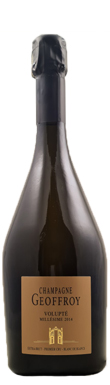

While bursting with orange fruit - mango, bittersweet lemon, fresh apricots and juicy yellow apples - there's a frank, energetic chalkiness to the palate, a...
2016
Geoffroy

Philipponnat, Mareuil-sur-Ay Extra Brut, Champagne, France, 2014
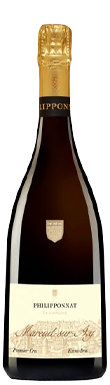
Harmonious, immediate and gastronomic, with roast apple, browned tart pastry and poached stone fruits, coloured with a little spice and wet stone complexity. There is...
2014
Philipponnat
Marc Hébrart, Noces de Craie Blanc de Noirs Grand Cru Extra Brut, Champagne, France, 2016
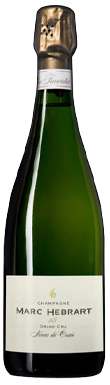
Superb intensity and precision here, with blackberry, roasted stone fruit, gingerbread and touches of vanilla (despite the lack of oak). Persistent and energetic rather than...
2016
Marc Hébrart
Champagne Alexis, La Terre Mère Extra Brut, Champagne, France
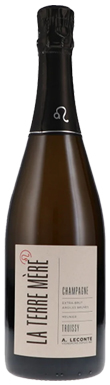
A heady, spicy and immediately inviting nose of blueberries, yellow plum and baking spices meets a firm, fulsome palate of real concentration and a lightly...
Champagne Alexis
Moussé Fils, Eugène Extra Brut, Champagne, France
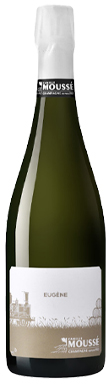
Coming from a perpetual reserve started in 2003, it's a delicate but cleverly opened-up, youthful style of dried apple and pear, peach and blossom, succulent...
Moussé Fils
Paul Gosset, Au Fil de Temps Le Printemps Extra Brut, Champagne, France
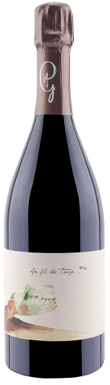
Paul Gosset makes open-styled, resonant Champagnes from the Grande Vallée, and this blend from Mareuil-sur-Aÿ, tasted with a little extra age (based on the 2018...
Paul Gosset
Cazé-Thibaut, Naturellement Extra Brut, Champagne, France
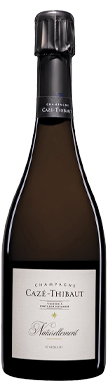
Beautifully crisp, pure and refreshing 100% Meunier from Fabien Cazé in Châtillon-sur-Marne on the north bank of the Marne in the (undeclared) 2020 vintage. Freshly...
Cazé-Thibaut
Charpentier, Terre d'Emotion Blanc de Noirs Extra Brut, Champagne, France
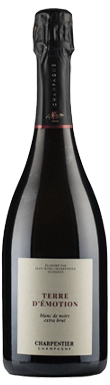
Jean-Marc Charpentier farms Champagne's largest single biodynamic estate at the far western reach of the Marne Valley. Meunier rules in this part of Champagne, yet...
Charpentier
Guiborat, Prohibition Blanc de Noirs Brut, Champagne, France
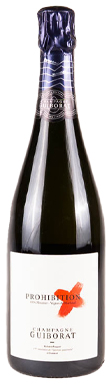
Although known as a producer of blanc de blancs, Guiborat make a single blanc de noir from the north-facing sands of Mardeuil, just west of...
Guiborat
Bourgeois-Diaz, Les Bien Aimées Brut Nature, Champagne, France, 2018
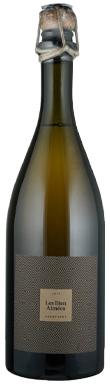
This vivid, naturally styled Pinot Noir from the clays of Nanteuil-sur-Marne at the western edge of Champagne comes from a single foudre made in the...
2018
Bourgeois-Diaz
Laherte Frères, Ultradition Brut, Champagne, France
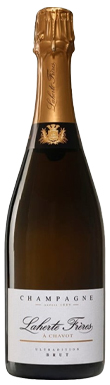
There's plenty of sticky, ripe and floral apricot fruit from the Meunier in the warm 2020 base, with touches of fennel, lemon and an alluring...
Laherte Frères
Geoffroy, Rosé de Saignée Premier Cru Brut, Champagne, France
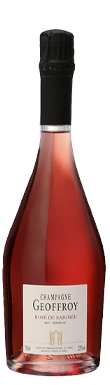
Jean-Baptiste Geoffroy wanted the 'explosion' of the 2018 vintage (on which this wine is based) in this deep, vivacious rosé from sunny Cumières in the...
Geoffroy
