
Jura in-depth and wines not to miss
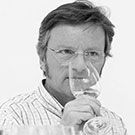

Tucked between Burgundy and the Swiss border, this small area in eastern France is a missing piece of the puzzle for many wine lovers. James Lawther MW explores Jura’s bucolic charms and its characterful wines...
An hour’s drive east of Beaune across the unbroken Bresse plain lie the vineyards of the Jura. Distant cousins with hillside vineyards, Burgundy and Jura have points in common: Chardonnay, Pinot Noir and clay-limestone soils to name the essentials, but here the resemblance ceases.
If Burgundy is mainstream, Jura is offbeat, with grape varieties such as Savagnin and Trousseau, and wine styles such as vin jaune offering an original journey. Even Chardonnay, both traditional and the newer ‘ouillé’ versions, is a different cup of tea.
Scroll down for James Lawther MW’s top 12 wines showing Jura at its characterful best
The Jura, in short, is a tempting proposition for the wine aesthete, but it needs to be discovered with an accompanying manual. The appellations, to some degree, help provide a guideline, but they don’t explain the subtleties of terroir, the characteristics of grape varieties or the nuances in style – ‘traditional’ in a Jura context sometimes meaning oxidative winemaking, as in the case of vin jaune, with ageing under a veil or voile of yeast.
Nor do the appellations help to explain more contemporary trends such as conventional winemaking with topping-up of the wine in barrel (ouillé) to prevent oxidation, organics, natural wines or the fact that Crémant du Jura now represents 25%-30% of the production in the region.
Jura at a glance
Area under vine: 1,950ha
Production: 11 million bottles
Wineries: 230
Soils: Different types of marl (blue, grey, red, black) on limestone strata dating from the Jurassic era (150 million years ago)
Vineyard altitude: 200m-400m
Climate: Continental
Average rainfall: 1,200mm
Average sunshine hours: 1,800
Main grapes: White Chardonnay 43%, Savagnin 23%
Red: Poulsard 14%, Trousseau 11%, Pinot Noir 7%, others 2%
Appellations: Arbois, Château-Chalon, L’Etoile, Côtes du Jura, Crémant du Jura, Macvin du Jura, Marc du Jura
Wine styles: Dry white, red, rosé, sparkling, vin jaune, vin de paille
Prior to phylloxera, the Jura was a significant wine district, with some 20,000ha under vine. Today, the figure has been reduced to about 2,000ha located in pockets over a distance of 80km, the north more preponderant than the south. The terrain is that of the Revermont: the foothills under the first plateau of the Jura mountains.
This is not a mountainous zone but one of verdant hills and valleys, the often steep-sloped vineyards overlooking the Bresse plain or tucked into coombes behind. The soils are principally marl of varying shades, the clay content greater than in Burgundy, helping to add a pithy acidity to the wine. Here and there, patches of limestone and clay-limestone scree provide lighter, warmer soils that are well adapted to the later-ripening Trousseau.
Fresh perspective
Chardonnay is the most planted grape variety, adapting as it does to a variety of soils. A fair percentage is used to produce crémant but still, dry Chardonnay abounds in both traditional and ouillé forms. A fine example of the former is the Domaine de Montbourgeau’s Cuvée Spéciale which is aged, like vin jaune, under a flor-like veil of yeast without topping up for four years. This provides a nutty nuance but there’s also plenty of lift, length and freshness. The domaine is located in the tiny appellation L’Etoile, where Chardonnay prevails and the clay-limestone soils have a marine fossil (pentacrines) content.
The style of Chardonnay that has most excited comment over the past 10 years, however, is the ouillé. Non-oxidative winemaking has brought fruit and floral flavours and aromas to the fore, the Jura terroir providing tangy acidity and a brightness to the fruit. Much of this has been driven by a new generation of vignerons – growers such as Jean Labet, who queried the old style; Jean-François Ganevat, who experienced Burgundian methods while working in Chassagne-Montrachet; and Stéphane Tissot, who returned to the family property having worked in Australia.
They paved the way for a steady stream of more recent domaines – some a first-time experience, others such as Domaine du Pélican aided by the savvy know-how of the d’Angerville family of Volnay. And as part and parcel of the new flow, a large percentage have embraced the bottling of individual parcels (old vines, specific terroir, etc), organics or biodynamics (17% of the total Jura vineyard is now farmed organically), native yeasts and minimal use of sulphites. New-wave Jura was born, the wines bottled like their traditional counterparts under the appellations Arbois or Côtes du Jura.
The Jura’s emblematic white grape, Savagnin, also has traditional and ouillé versions and is sometimes blended with Chardonnay. A later-ripening variety generally planted on grey marl soils, Savagnin is part of the Traminer family, a fact that was brought home when tasting a striking cuvée from Jean-Baptiste Menigoz of Domaine Les Bottes Rouges. The No Milk Today 2016 is made from hand-destemmed Savagnin macerated on skins for 15 days and has the distinctive Gewürztraminer lychee and rose petal aromas, but with a fresh, dry, minerally finish. Exotic fruit notes are also possible, but the typical aromatic spectrum for conventionally made Savagnin is floral and citrus.
Signature style
The exclusive variety for vin jaune and AP Château-Chalon, Savagnin (occasionally known as Naturé) takes on another dimension when handled oxidatively. The tendency these days is to age traditional Savagnin for a year or two without topping-up, allowing some oxidative notes but retaining fruit character. For vin jaune, however, the minimum ageing in barrel is six years. The wines are preselected for their low yields, acid-alcohol balance and minimum 13% alcohol, and they mature under a veil of yeast, producing a Sherry-like character, with considerable intensity and ageing potential. It’s a far cry from ‘modern’ Jura, but a distinctive style which still has its place, especially if served with local foods such as Comté cheese. Sweet vin de paille, made from desiccated Savagnin, Chardonnay and Trousseau, is another speciality.
Red wine is in the minority in the Jura, but the novelty comes with Trousseau and Poulsard rather than Pinot Noir. Poulsard, sometimes known as Ploussard, is fresh and perfumed but has a slightly reductive character, and its low pigment level gives a pale red to rosé colour. Trousseau has more depth and structure and a spicy, peppery edge.
The variety and originality of wines and dynamism of a growing band of small producers gives a strong identity to the Jura region. There’s a contemporary feel as well, with low alcohol and drinkability key factors. The only difficulty is the vagaries of climate. The Jura’s continental regime and high rainfall pose their own problems: the 2017 vintage was badly hit by frost; quantity and quality were both compromised in 2012, 2013 and 2014 by rain, mildew and the Drosophila suzukii vinegar fly. On the plus-side, 2011, 2015 and 2016 were very good to excellent.
Idiosyncratic the Jura may be, but that’s all part of the attraction.
Jura: six names to watch
Domaine André et Mireille Tissot
Stéphane Tissot is a leading player in the Jura. He has revolutionised the family domaine and expanded it from 20ha to 50ha. Winemaking decisions include the use of native yeast, limited use of sulphites and recent experiments with amphorae. A transition to organic cultivation was the natural direction following the adoption of native yeast, and biodynamics the next progression with certification from 2009. The range of terroirs explains the multiple bottlings, which include nine different Chardonnays.
Domaine Daniel Dugois
Daniel Dugois created his 10ha property in the 1970s and used to sell grapes before bottling his own wines. It’s now in the hands of his son, Philippe, who took over in 2013 following viticultural studies and vintage experience in Australia and South Africa. The house speciality is Trousseau: nearly half the domaine is planted to this variety and four different cuvées are produced based on age of vines, work practices and different terroirs.
Domaine Jean-Louis Tissot
This is another branch of the Tissot family, with the estate run by Valérie and her brother Jean-Christophe on more traditional lines. The 17ha property is located in Montigny-lèsArsures near Arbois, an area noted for its reds – and indeed both the Poulsard and Trousseau have depth of fruit and definition. In certain years a Rouge Tradition is produced – Poulsard, Trousseau and Pinot Noir vinified together. There’s also an excellent vin jaune.
Domaine Les Bottes Rouges
A teacher-turned-winemaker, Jean-Baptiste Menigoz was mentored by Stéphane Tissot and named his 6ha property after a favourite song. This relatively recent start-up (2012) follows a ‘natural’ tendency – organic cultivation, natural yeast, no fining or filtration and minimal sulphur. All five Jura grape varieties are cultivated; the wines are lively and expressive, with the Chardonnay, Savagnin and Trousseau particularly appetising.
Domaine Pignier
This domaine, run by Jean-Etienne, Antoine and Marie-Florence Pignier, has flown under the radar for an unseemly length of time. Despite appearances (one cellar dates from the 13th century, the other from the 17th), this 14ha property has been at the cutting edge for the past 20 years. Biodynamic cultivation was introduced in 1998, while more recently concrete eggs have been used for vinification with great results. All of the wines here are impressive; the multi-variety red Léandre the most original.
Les Granges Paquenesses
Loreline Laborde is representative of the new wave of growers in the Jura. Born in Montpellier, she arrived here in 2010 having worked in the Rhône and now makes Chardonnay and Savagnin, as well as Trousseau and Poulsard from parcels that are 35-60 years old, all cultivated organically. Until recently she worked the 3ha property on her own. Minimum intervention, gentle extraction, native yeasts and no filtration are part of her recipe.
See James Lawther MW’s top 12 wines showing Jura at its characterful best
You might also like:
Decanter travel guide: Jura, France
More articles from Decanter magazine’s August 2018 issue online
How to join Decanter Premium
Domaine Berthet-Bondet, Château-Chalon, Château-Chalon Vin Jaune, Jura, France, 2009
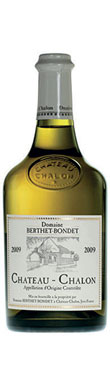

Bottled in the traditional 62cl clavelin bottle. Savagnin aged for six years under a veil of yeast. Intense, Sherry-like nose with notes of walnut and...
2009
Domaine Berthet-BondetChâteau-Chalon Vin Jaune

Domaine André et Mireille Tissot, Les Bruyères, Arbois, Jura, France, 2015
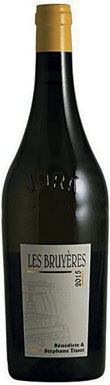
Chardonnay from clay-heavy marl soils, made by Stéphane Tissot. This is broad and full in style, offering tangy mandarin-citrus notes on the palate and a...
2015
Domaine André et Mireille TissotArbois
Domaine Ganevat, Les Gryphées Vieilles Vignes, Côtes du Jura, Jura, France, 2014
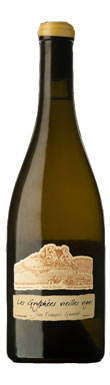
Made from Chardonnay grapes that are grown in a gravelly, red marl terroir. Keen and complex with mealy, honeyed and zesty citrus notes. The palate...
2014
Domaine GanevatCôtes du Jura
Domaine de Montbourgeau, Cuvée Spéciale, L’Etoile Vin Jaune, Jura, France, 2014
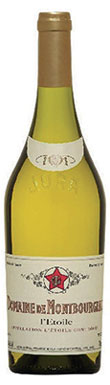
Made mostly from Chardonnay grapes, but with a touch of Savagnin, and aged for four years under a flor-like layer of yeast. The resulting wine...
2014
Domaine de MontbourgeauL’Etoile Vin Jaune
Les Bottes Rouges, Album, Arbois, Jura, France, 2015
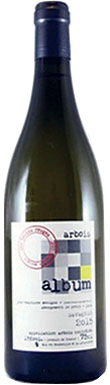
A Savagnin produced in the ouillé style. Appetising citrus character with exotic fruit aromas and flavour. Tangy acidity brings drive and balance on the palate....
2015
Les Bottes RougesArbois
Champ Divin, Cuvée Castor, Côtes du Jura, Jura, France, 2016
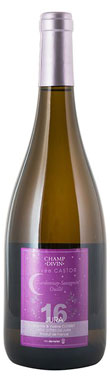
A topped-up blend of Chardonnay and Savagnin. Subtle bouquet of stone fruit and pear on the nose. Round fruit on the attack then exhilarating acidity...
2016
Champ DivinCôtes du Jura
Les Granges Paquenesses, La Pierre Savagnin Ouillé, Côtes du Jura, Jura, France, 2015
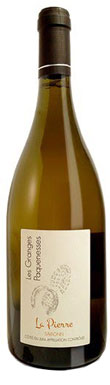
A slightly hazy (unfiltered) aspect but has energy and delicious fruit. Bitter orange, mineral and honeyed notes are matched by tangy acidity with a salivating,...
2015
Les Granges PaquenessesCôtes du Jura
Domaine Pignier, Les Gauthières Trousseau, Côtes du Jura, Jura, France, 2016
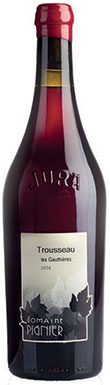
This is fermented and aged in concrete eggs, then bottled without sulphur. It shows astonishing purity and definition, with its bright, expressive fruit and cherry...
2016
Domaine PignierCôtes du Jura
Domaine Jean-Louis Tissot, Trousseau, Arbois, Jura, France, 2015
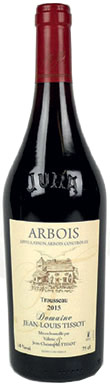
Made with 100% Trousseau and comes from a great vintage for reds. Vivid violet and cherry aromas fill the nose and are followed by good...
2015
Domaine Jean-Louis TissotArbois
Domaine Daniel Dugois, Grevillière Trousseau, Arbois, Jura, France, 2014
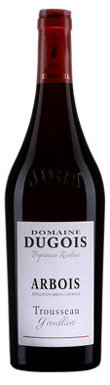
Made from 60-year-old vines planted on limestone soils. Lighter weight but fresh, long and driven. Cherry fruit notes with a peppery finish. Best enjoyed with...
2014
Domaine Daniel DugoisArbois
De la Borde, Côte de Feule Ploussard, Arbois-Pupillin, Jura, France, 2016
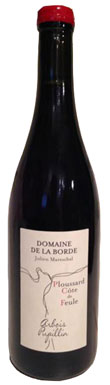
Delicate and refined with expressive fruit, freshness and precision. Enjoy with dishes like charcuterie. Bottled without sulphur.
2016
De la BordeArbois-Pupillin
Les Granges Paquenesses, Le Plou Ploussard, Côtes du Jura, Jura, France, 2016
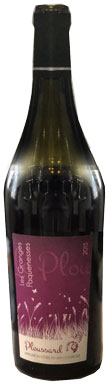
Pale red. Gently perfumed with strawberry and red fruit, and floral notes. Palate fresh, bright and airy; the fruit is supple but defined. Light tannic...
2016
Les Granges PaquenessesCôtes du Jura
