
Regional profile: Montilla-Moriles
This historic home of the Pedro Ximénez grape makes internationally acclaimed classic wines in the Andalucían style – but there is now a growing trend for young, tinaja-aged wines with a light flor influence, and producers old and new are joining this new wave.


Córdoba, with its great mosque dominating the city, has no less than four UNESCO World Heritage sites. It’s a global icon, and the bars that cluster its streets serve wines from bottles labelled ‘Fino’, as well as ‘Amontillado’, ‘Oloroso’, ‘Palo Cortado’ and ‘Pedro Ximénez’. Clearly, we are drinking Sherry then… Well no, not at all, for we are in DO Montilla-Moriles, where the names may be the same as those used in Jerez, but there are fundamental differences.
In the 20th century, the DO found its reputation overtaken by its neighbour Jerez, just a few hours’ drive down the highway. Yet without Montilla, Jerez would not have its Amontillado – meaning ‘in the style of Montilla’.
Scroll down to see tasting notes and scores for 10 new-style Montilla-Moriles wines
The essence of Montilla-Moriles is the grape variety Pedro Ximénez (PX). Here’s the problem. PX is renowned as the grape that produces the ultra-sweet (450g/L anyone?) wines. It is the DO that has been providing the sun-dried intensity for Jerez PX. Once the Montilla-Moriles PX has been aged in a Jerez cellar for a minimum of two years it becomes Sherry.
Fino: fortified or not?
When I first started to study wine, I was often told that Montilla-Moriles was mistaken. Textbooks and tutors insisted that to make a fino style – a regulation minimum 15% alcohol – the wine had to be fortified. Meanwhile, Montilla-Moriles insisted (correctly) that their wines reached 15% naturally. Thankfully, that rumour has been disproved (although the regulations do allow Montilla-Moriles producers to fortify to 15%-17% if they wish). In a welcome step, there has been a recent groundbreaking agreement (a niche one, I admit, but fascinating for lovers of fino). There are three denominations producing fino in Andalucía, each from a different grape variety (Jerez with Palomino, Montilla-Moriles with Pedro Ximénez, Condado de Huelva with Zalema). All three can now label their wine fino, with a minimum alcohol level of 14.5%. These are wines worth exploring: one process, three different origins and varieties, different characters.
How, then, can Pedro Ximénez convince us all that it can make quality dry wines? Easily, says Mara de Miguel, who was named Best Sommelier of Andalucía in 2022: ‘It’s the most versatile grape in the world.’ She’s right: it has its complexities, but in Montilla-Moriles you can find dry and sparkling wines, the full range of fortified wines, and an exceptional collection of vintage wines. (To avoid mentioning Sherry too often, I will call these biologically and oxidatively aged wines the ‘classic styles’.)
Perfect drying conditions
The rolling hills and glinting white albariza soils of Montilla-Moriles certainly resemble Jerez. Yet Montilla-Moriles is different. Its climate is more continental, with greater diurnal swings of temperature, and it is much less humid. Jerez cannot sun-dry grapes as easily as its neighbour, because of its higher humidity.
The traditional process of asoleo (sun-drying grapes) creates these sensationally sweet wines. The PX bunches are laid out in the open air in long rows, and a slight slope helps to run off any rain. The grapes are dried for seven to 15 days and turned over during that time. They finish having lost half their weight through evaporation of the water. It’s a back-breaking process. Follow @by_marademiguel on Instagram for her informative short videos of the harvest.

There’s a traditional factor in Montilla-Moriles bodegas that also sets the wines apart. This is the widespread presence of towering tinajas, concrete amphorae of around 6,000 litres (a few even up to 10,000L). Rafael Córdoba of Pérez Barquero has a remarkable old black-and-white photograph showing just how these larger-than-life-size tinajas were built in situ from the bottom up. Concrete had lost favour in the wine world, but is now suddenly on trend, whether that’s in the form of egg-shaped or regular tanks. Bernardo Lucena of Alvear comments wryly that by standing still Montilla-Moriles and its concrete tinajas are right back in fashion.
Montilla-Moriles at a glance
DO regulations: Approved October 1945
Area planted: 4,420ha and falling (from 6,900ha in 2015). The DO is delimited by the river Guadalquivir to the north, the Sierra Subbética to the south and the rivers Genil and Guadajoz to the east and west respectively; it includes 17 towns, plus Córdoba city (for ageing only)
Grapes: Pedro Ximénez represents 95.86% of plantings. Other traditional whites are collectively called vidueño (2.07%). Beyond that, in very small quantities (descending order): Verdejo, Moscatel de Alejandría and Grano Menudo (Petits Grains), Torrontés, Chardonnay, Sauvignon Blanc, Macabeo
Production (2022): 29m kg: 71.1% for white wine, 28.9% to be sun-dried for sweet PX
Growers: 1,551
Wineries: 50
Average plot size: 2.5ha
Premium areas: Sierra de Montilla, Moriles Alto
Climate: Mediterranean with continental influences – 2,800-3,000 sunshine hours, rain 500mm-950mm (average 650mm)
Altitude: 125m-600m
Soils: Albariza (approximately 36% of the vineyard), red sands (approximately 15%), vertisols (silty clay)
Source: Consejo Regulador Montilla-Moriles
Today, stainless steel tanks are widely substituted for the concrete for fermentation, but when it comes to ageing, tinajas remain for many the container of choice. Explains consultant Alfonso Fernández, ‘the tinaja is the affineur’ (referring to the cheesemongers who mature the cheese that comes fresh from the dairy). One of the newer trends is for ‘young wine’, to use the regulatory board’s vocabulary, aged in tinaja. These wines are typically fermented in stainless steel and then aged in tinajas under a veil of naturally occurring flor. They only stay there for seven to eight months before bottling – just enough to add character to the wine.

A new approach
Montilla-Moriles may have its roots in the past, but its branches are spreading far and wide. With the release of young, unfortified wines, with light flor influence, producers are following a parallel path to the new generation of winemakers in Jerez. In Jerez, many of the producers of these wines are small businesses, and it’s likely that their wines will not join DO Jerez but will have a different denomination. However, it seems the regulatory body in Montilla-Moriles is more flexible, able to include these innovations. A bonus is that the three largest producers in the DO are all working in the new styles, bringing them into the mainstream.
At Alvear, Lucena is running a highly rated project – 3 Miradas – with the assistance of Sherry expert Ramiro Ibáñez, who has joined as a consultant. Ibáñez’s expertise is expression of terroir, and the first single-vineyard wines are very promising. I tasted three wines, each fermented in butts that previously contained Alvear’s Fino CB, from different parcels: Cerro Macho, Viña Antoñín and Cerro Franco. Look out for these wines: Ibáñez is bringing insights to this new stage in Montilla-Moriles’ development and understanding of its vineyard parcels.
Wine categories in Montilla-Moriles
Vinos (Wines)
• Young, unaged whites and aged whites
• Vino generoso: fino (unfortified)
Vinos de Licor (Liquor Wines)
• Vino generoso: fino (if it has been fortified); and amontillado, oloroso and palo cortado (which may or may not have been fortified)
• Sweet vino de licor: PX and Moscatel
• Vino generoso de licor: vino generoso with added grape must or sweet wine
Only one of the vinos de licor in my selection of 10 wines (see below) has been fortified at any stage – the Gran Barquero Pedro Ximénez.
PX sweet wines are not fermented – once the must is obtained the alcohol is adjusted to 15% by fortifying and/or adding generoso wine from the DO.
*Source: Official regulations from the Consejo Regulador Montilla-Moriles

Across the DO, producers are complementing their traditional wines with modern approaches. A significant winemaker and consultant in the region is Fátima Ceballos. Her client Los Insensatos de Antehojuela launched in 2020. Formed by six friends, with diverse skills and connections, it takes a less formal approach to marketing; its on-site tastings range from ‘I’m skint’ (€20), through ‘I’m a wannabe’ (€25) to ‘Because I deserve it’ (€85). It already has a remarkably extensive portfolio, all from single plots, fermented and aged in old tinajas.
Other names to look for include Sopla Poniente, and the well-established and much respected Lagar Blanco.
Montilla-Moriles faces many challenges: generational change (the average age of the growers is 57), consumers’ changing preferences, the dominance of bulk wine sales, the need to build exports and the disappearance of bodegas and vineyards, which threatens the supply of wines to form the basis of tomorrow’s great soleras and vintage wines. Yet I’m optimistic.
Montilla-Moriles offers extraordinary diversity. There’s a determined new generation, attuned to international trends. The great classics are getting 100-point ratings. The young, tinaja wines have the opportunity to introduce consumers to the subtle charm of wines aged briefly under flor, and then to graduate them to the very fine classic styles. They also have the chance to convert new drinkers in international markets. Montilla-Moriles is at a crossroads, and I for one believe the future is bright.
Eight names to know in Montilla-Moriles

Alvear
The oldest winery in Andalucía (1729) and the second oldest in Spain, it’s still run by the Alvear family. Influential technical director Bernardo Lucena has worked at Alvear since 1990 and oversees a lovely sacristy of rare old wines, along with an extensive range of wines, brandies and vermouth. Alvear is a member of grandespagos.com and has had creative collaborations with, initially, Envínate and now Ramiro Ibáñez, to make still wines.
Bodegas el Monte
A family business in Moriles Alto, at Cerro del Majuelo, with some 28ha. Antonio López, the fourth generation, is deadly serious, one of the new breed determined to make waves. His Fino Cebolla is part of a locally popular range but more recently he launched a premium Ximenium range. At DWWA in 2022 the winery won awards for this range: Gold for a special bottling, and Silvers for a fino en rama and Singular Cask, an old fino.
Bodegas Robles
Just outside Montilla, Bodegas Robles was the first winery (founded 1927) in the DO to be certified organic (in 1999). There are now four. The winery has been an award-winner in Spanish agriculture for its organic leadership. Third- generation Francisco Robles and his sister Pilar oversee 48ha. In addition to the classic range of biologically aged and oxidative wines, Robles has a diversified business producing grape- based gels and verjus for the restaurant trade. There is also a major investment in PX sparkling wine, with production at 25,000 bottles.
Lagar de la Salud
The family business of Fátima Ceballos and Miguel Puig. They are the fourth generation and firmly (and fairly) announce themselves on Instagram to be ‘new wave’. Their wines are called Dulas – salud (‘health’) in reverse. A winery and winemaker to watch, they make barrel-aged and lees-aged wines, and have plans to introduce biodynamics. Look out for the much-travelled and experienced Ceballos’ benign and creative influence in the DO: she is the winemaker for the new single-vineyard project Los Insensatos de la Antehojuela, the still winemaker for Toro Albalá, and wine consultant for Lagar de Santa Magdalena.
Lagar de los Frailes
The first record of the bodega appeared in 1749. It was one of 13 in the village of Zapateros, which went on to become Moriles in 1912. The winery is owned by the Pérez family, and they – three sisters and their brother – have been rejuvenating the old soleras and criaderas that had been left static during the commercial crisis of the 1980s and ’90s.

Lagar de Santa Magdalena
A lovely estate and small winery, acquired in 2015 by Antonio Alarcón and Chea Madrid as a restoration project. It’s just 14ha and, with the help of an expert, José Ignacio Santiago, they now have a range of PX that starts with still wines, notably Blanco de Guarda, all the way to the delicious Seco y Pelín Dulce sweet.
My favourite was the Fino Pasado, with some flor still lingering after 15 years.
Perez Barquero
Rafael Córdoba is steeped in Montilla- Moriles history. The one-time mayor of Montilla became director of the Pérez Barquero group in the 1980s and remains as entrepreneurial as ever, continuing to purchase vineyards and to innovate. The group also includes Gracia Hermanos, and started up a partnership with Equipo Navazos in the early 2000s. Group winemaker Juan Márquez has been managing the very different styles since the 1980s, including Amontillado Solera Fundacional 1905: an astonishing wine of glorious intensity.
Toro Albala
One of Montilla-Moriles’ greats, with an exceptional range of aged vintage wines. Technical director Cristina Osuna has been rearranging the cellars, refreshing and reclassifying the wines. Don’t miss the relaunched Fino Eléctrico, in its electric lightbulb-shaped bottle – a reminder of the fact that the business was founded in 1922 in a former power station. Fátima Ceballos (see above) makes their young wine MIUT (mimo, identidad, uva, tierra – ‘care, identity, grape, earth’). There’s scrupulous attention to quality throughout, from grape to packaging – it’s the first winery I have visited that’s using delicate Zalto glasses when barrel tasting.

Pérez Barquero. Credit: Jam World / Alamy Stock Photo
Sarah Jane Evans’ pick of 10 new-style Montilla-Moriles wines
Related articles
Bodegas Toro Albalá, Poley Amontillado en Rama Solera 35 Años, Montilla-Moriles, Spain
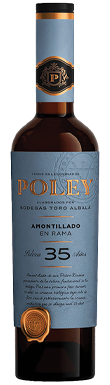

Toro Albalá is famed for its aged sweet wines, but its dry wines are also excellent. The Poley range is wonderfully intense. With 35 years...
Bodegas Toro Albalá

Equipo Navazos, La Bota de Amontillado No117, Montilla-Moriles, Spain
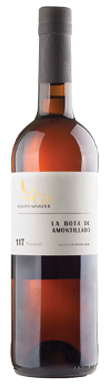
Bota 117 is, like so many of its predecessors, a grandee – it speaks powerfully and nobly of its origins. Equipo Navazos specialises in Sherries,...
Equipo Navazos
Bodegas Alvear, Amontillado Carlos VII, Montilla-Moriles, Spain
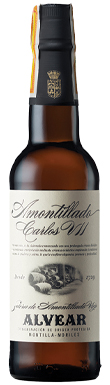
Carlos VII is a glorious copper colour, the product of its 30 or so years of age. It began as a fino, unfortified and aged...
Bodegas Alvear
Bodegas Alvear, 3 Miradas Vino de Pueblo, Montilla-Moriles, Spain, 2021
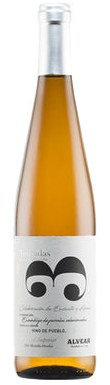
This is the baby of the 3 Miradas family, a village wine from a blend of parcels. Fermented in fino butts and aged in concrete...
2021
Bodegas Alvear
Equipo Navazos, I Think Amontillado, Montilla-Moriles, Spain
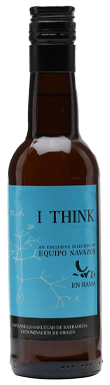
A very rich roasted hazelnut character makes this hard to resist. Lovely caramel crispness, lemon rind and peach, quite complex. There is a leesy, sea...
Equipo Navazos
Lagar de la Salud, Dulas Fermentado en Barrica, Montilla-Moriles, Spain, 2021
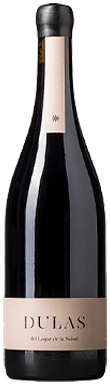
From a single vineyard of 1.2ha. Light gold in colour, this was fermented in 225L and 500L French oak casks, and aged for 12 months...
2021
Lagar de la Salud
Los Insensatos de la Antehojuela, Las Turistas, Montilla-Moriles, Spain, 2021
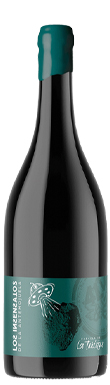
Los Turistas is the winery's oldest parcel of centenarian bush vines, genetically diverse, at 460m on deep soils the Sierra de Montilla. The wine (90%...
2021
Los Insensatos de la Antehojuela
Pérez Barquero, Fresquito Vino de Tinaja, Montilla-Moriles, Spain, 2022
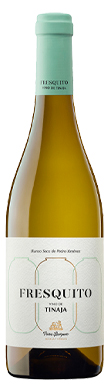
One of the first of the new generation of young wines with a few months' ageing in a tinaja under flor. Aromas of almond, fennel...
2022
Pérez Barquero
Bodegas Robles, Piedra Luenga Fino, Montilla-Moriles, Spain
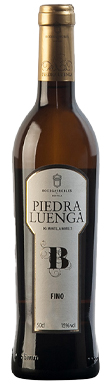
A fresh, youthful, almost fruity style of fino, highlighting Bodegas Robles' argument that the vineyard makes the identity of the wine. Unfortified, the wine is...
Bodegas Robles
Pérez Barquero, Gran Barquero Pedro Ximénez, Montilla-Moriles, Spain
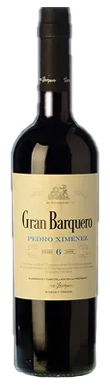
Gran Barquero is one of the bodega’s classic series of wines, and this dark and sumptuous fortified PX has all the dense appeal of sun-dried...
Pérez Barquero
