
Regional profile: The Algarve, plus top wines worth seeking out
For tourists, the Algarve means sun, sea and fun, but its diverse terroir is also perfect for winemaking. Sarah Ahmed reports on a new generation of boutique producers creating exciting wines from local grapes and recommends 18 top bottles to try.


Sunken artefacts – the remains of ancient Phoenician amphorae – attest to a once-brisk wine trade on the river Arade. The river flows from the Serra do Caldeirão mountains through the Algarve town of Portimão, before emptying into the Atlantic Ocean.
Fast forward 2,500 years and the Algarve, mainland Portugal’s southernmost region, is enjoying fresh momentum. Overlooking the Arade – and taking inspiration from Phoenician amphorae – Arvad Wines is among the throng of progressives who, since 2010, have more than tripled the Algarve’s producer headcount.
Scroll down to see tasting notes and scores for 18 top Algarve wines
Ripe for reinvention
In November 2022, 18 of the Algarve’s 50 producers gathered at Arvad, keen to show their wares. Compared with my first Algarve visit in 2009, there was much to excite. Boutique producers are now exploiting the region’s diverse terroir and reviving once-forsaken local grapes – in addition to planting top Portuguese and French varieties.
The Algarve has been ripe for reinvention since the demise of its mid-20th century production hubs. At one time there was a cooperative in each of its four sub-regions: Lagos, Portimão, Lagoa and Tavira. ‘Negra Mole, Crato Branco and Castelão were the main grapes and, with vineyards all over, the Algarve sold lots to Portuguese colonies and the domestic market. But with tourism, everything has gone,’ explains João Marques, chief winemaker at Unica in Lagoa, the Algarve’s last remaining cooperative.
He barely exaggerates. Active membership of the co-op has dwindled to 20-30 growers, despite having incorporated the Lagos Wine Co-operative in 2008. On a positive note, ‘it has made us learn how to work better with less, focusing more on quality,’ observes his colleague, Ana Agapito. Another upside is the growth of quality-focused vignerons who once sold the grapes to cooperatives.

Quality breeds success
Today’s pursuit of principally estate-driven wines of calibre and character (and wine-tourism projects) makes perfect sense in Portugal’s number-one holiday destination. Although Filipe Vasconcelos of Morgado do Quintão is one of the new-wave producers reviving family vineyards, he points out that land costs €20,000/ha versus €3,000-€4,000/ha in neighbouring Alentejo. No wonder Flávia Luz of the Algarve Wine Commission says: ‘We can’t do cheap; the average retail price for Algarve wines is Portugal’s highest.’
The corresponding influx of professional winemakers and the growth of certified (DOP and, predominantly, IGP) wines means that ‘70% of Algarve restaurants now sell Algarve wines,’ according to Luz. When Joana Maçanita (who consults for several Algarve leading lights) arrived in 2008, local restaurants were not promoting their own region. Commenting on the turnaround, she adds: ‘We did a big brainwash of restaurants and wine shops; a new generation of producers has shown they can make interesting wines and they convinced sommeliers and restaurateurs to get on board.’
Vasconcelos, one of Maçanita’s clients, proclaims: ‘We’re in every Michelin-starred restaurant in the Algarve.’ Meanwhile in the UK, Morgado do Quintão is listed in many high-end and Michelin-starred restaurants. As for retail, Tanners Wine Merchants has already placed a second order for Quinta do Francês, whose range Emma Pook (author of Tanners Wines Blog) discovered on a family holiday last year. ‘There wasn’t a duff wine in the line-up,’ she says.
Another sign of success is the arrival of Portugal’s big guns. First, Lisbon-based Casa Santos Lima in 2013, whose burgeoning, broad-appeal range makes it the Algarve’s top exporter. As for the number-one retail spot in Portugal, this belongs to Villa Alvor, which Vinho Verde-based Aveleda launched in 2019. Enthusing about its ‘great potential’, winemaking director Diogo Campilho reports that the producer has extended its estate from 12ha to 30ha. It will build a new winery with a restaurant and tasting room in 2024.
Surprising freshness
Given Villa Alvor’s location, just 1km from the ocean, Campilho has been delighted by its quality potential for Arinto, Verdelho and Sauvignon Blanc whites and rosé wines. ‘It’s like Provence,’ he exclaims, referring to the temperate Mediterranean climate and sunshine (3,000 hours/year). Wines from coastal vineyards – as well as westernmost Lagos, which juts out into the Atlantic – reflect the cooling influence of sea breezes, humidity and a touch of salinity.
From a vineyard located inland, Mario Santos has made a virtue of Quinta da Tôr’s terroir; tannins ripen late, so grape sugars are high at harvest. At 16%-17% alcohol, his hedonistic reds were outliers at the tasting. Other wines from the so-called uplands and transitional Barrocal (between the coast and uplands) were surprisingly fresh due to the influence of the Serra de Monchique mountain range. This protects the Algarve from drying northern winds and traps onshore Atlantic breezes and humid mists that descend overnight, refreshing the vineyards.
Rivers are also important. Arvad’s consultant winemaker, Bernardo Cabral, explains: ‘Monchique’s mountain range funnels the Atlantic winds into the Odelouca river valley, concentrating salinity and freshness.’ In Tavira, the easternmost and driest sub-region, the Alagoa Velha winery benefits from the river Guadiana’s ‘rotational’ wind-tunnel effect; it brings ocean breezes on summer afternoons and north winds from overnight until the end of the morning – ‘a little bit like the mistral in the Rhône Valley,’ says co-founder Jacinto Palma Dias.
The Algarve at a glance
IGP Algarve: Red, white, rosé, licoroso (fortified) and espumante (sparkling) wines
DOP sub-regions: Red and white wines: (from west to east) Lagos, Portimão, Lagoa and Tavira
Producers: 50
Area under vine: 1,400 (of which 700ha certified DOP or Geographical Indication Algarve)
Annual wine production: 1,600,000 litres (of which over 1,200,000 bottles certified)
Key red varieties: Negra Mole 18.8%, Castelão 17.3%, Aragonez 6.5%, Touriga Nacional 6.3%, Syrah 6.3%, Trincadeira 3.7%, Cabernet Sauvignon 3.3%, Alicante Bouschet 2.9%,
Key white varieties: Crato Branco 7.3%, Boal Branco 6.2%, Manteúdo 2.8%, Arinto 2.5%, Sauvignon Blanc 1.5%, Diagalves 1.3%, Moscatel Graúdo 1.1%, Verdelho 1.1%
Sources: Hectarage, production and producer data: Algarve Wine Commission (CVA). Lead varieties/varietal split: Instituto da Vinha e do Vinho (IVV) Anuário 2020/2021
Signature scents, soils and grapes
Diverse soils differentiate wines too. In the rugged uplands, Ana Matias Chaves’ ‘little schist mountain’ at Herdade Barranco do Vale produces firmly structured whites and reds. Meanwhile, at Quinta do Francês, where the schist is ‘very old and very friable with a lot of iron and manganese,’ Patrick Agostini’s structural, intense reds have a ferrous tang. Soils in the Barrocal (where most producers are now located) are principally clay and sand or calcareous, with alluvium and schist. The once heavily planted coastal strip is typified by sand or mixed sand and clay, but it was Falésia’s propitious clifftop calcareous/black volcanic soil that encouraged Iain and Feann Brown to plant vines at Quinta dos Castanhos.
Negra Mole (which is apparently unique to the Algarve) is much influenced by soil type. Maçanita finds ‘freshness and saltiness and minerality from sand; and richer wines with less acidity and higher alcohol on red clay.’ Although familiar Portuguese and French varieties have been popular with tourists, everyone seems to be dusting down old Negra Mole vineyards or planting new ones.

Capturing the prevailing pale-red style, Maçanita’s colleague at Cabrita, Duarte Rito, describes it as ‘not for tourists, but what our grandfathers made and drank all year round – never with oak and as pure as could be – a low-alcohol, easygoing red.’ Exploring Negra Mole’s potential, Cabrita also makes a superb sparkling white and rosé; it has also been planted to different soils and exposures.
Crato Branco – another traditional variety – is grown countrywide under different synonyms (Síria, Roupeiro and Codega). Because it is an oxidative grape (not aromatic or fruit-forward), Maçanita can work with the lees (‘an antioxidant botox,’ she quips) to make a textural but clean and mineral white from the 80-year-old vines she fought to preserve at Morgado do Quintão.
Crato Branco may not be aromatic but the smell of the Algarve’s vegetation – garrigue, eucalyptus, carob and esteva (gum rockrose) – is pervasive. Labdanum, an esteva extract, is prized by perfumiers for its ambergris-like notes of earth, resin, balm and shrub. Like a thumbprint, these intriguing scents were present in many of the wines shown at the tasting.
A sunny future
Marvelling at the Algarve’s changing fortunes, Unica’s Marques observes: ‘Twenty years ago, people wanted more colour and body and concentration, and no one bought white wines, but now everyone is asking for Negra Mole and white wine sales are higher than for reds.’ Negra Mole and white wines are not the only aces up its sleeve. Compared with other warm, dry regions confronting the climate crisis, the Atlantic Ocean’s buffering influence places the Algarve at a distinct advantage.
Young gun Carlos Raposo consults for Alagoa Velha and makes a spicy Negra Mole under his World Wild Wines label. Impressed by the ‘ideal’ climate and terroir (‘very fresh near the sea or mountains, with schist, granite or limestone’), the former Niepoort winemaker believes that, despite remaining small, Algarve wines will be ‘big in diversity and high in quality’ within a decade. With exports on the up, tourists and locals will not be the only ones to taste it.
Algarve wines: 10 names to know
Alagoa Velha
The great-grandfather of brothers Jacinto and Jorge Palma Dias co-founded the Tavira cooperative. When it disappeared, so did his 5ha vineyard in Castro Marim, the Algarve’s driest area. Following replanting in 2017, the duo are producing balanced, structured clay-aged wines that reflect the strong tempering influence of the ocean (3km away) and the Guadiana river – as well as the schist soils.
Arvad
Founded in 2016 by Lisbon-based businessman Pedro Garcia de Matos. The lure of this ambitious Lagoa estate extends beyond the wines made by acclaimed consultant Bernardo Cabral. Perched on a hillside amid 21ha of vines, Arvad’s stylish cellar door and restaurant take in a sweep of the Arade river, as will a new boutique hotel (currently in the pipeline).
Cabrita
Following the demise of the Lagos Wine Co-operative, José Manuel Cabrita established a pioneering winery at his father’s fruit shed in 2007. Championing Negra Mole, winemakers Joana Maçanita and Dinis Gonçalves make a sophisticated Blanc de Noir late-disgorged fizz and an easy-drinking pale red wine. Two new vineyards double the family’s original holding to 12.2ha.
Casa Santos Lima Al-Ria
The Lisbon-based family-owned operation, Casa Santos Lima, is one of Portugal’s top three exporters. Since acquiring its first Algarve vineyard in Tavira in 2013, it has also become Algarve’s top exporter. Planted primarily to leading Portuguese and French grapes, with some Negra Mole, the range has Casa Santos Lima’s trademark ‘international’ appeal and high quality-to-price ratio.
Falésia Wines
Iain and Feann Brown bought land abutting the Fishermen’s Trail between Porto de Mos and Praia da Luz in 2014 to build a villa. Instead it became a terraced vineyard, 20m from the cliff-face (falésia means cliff) producing fresh, mineral whites. The couple attribute this to its calcareous/black volcanic soil and saline borehole water.
Herdade Barranco do Vale
Located in the schistous uplands at 100m-400m, the Algarve’s northernmost vineyard is farmed alongside cork oak, carob and almond trees. Originally planted to red grapes by her grandfather, Ana Matias Chaves added her first white grapes in 2017 – leading Portuguese and French varieties, which share the reds’ firm acid backbone.
Monte da Casteleja
Guillaume Leroux studied oenology and viticulture in Montpellier. He subsequently worked for leading Douro producers before striking out on his own, after inheriting his grandfather’s abandoned farm in Lagos in 1998. Favouring traditional varieties and methods – the vineyard has been certified organic since 2008 – his characterful range includes a vibrant skin-contact white.
Morgado do Quintão
Since reviving his family’s Lagoa vineyard in 2016, Filipe Vasconcelos’ label and farmstay have become benchmark references. Probing the past and helping to secure their future, Joana Maçanita makes no fewer than 10 expressions of native grapes Crato Branco and Negra Mole, including a clarete, palhete, white Negra Mole and an amphora red and white.
Quinta do Francês
Located in the schistous foothills of Montchique, this pioneering quality-focused estate was acquired in 2001 by Patrick Agostini (a pathologist-cum-winemaker) and his Portuguese wife, Fátima. Having studied in Bordeaux, Patrick produces well-structured, polished blends of top French and Portuguese varieties; he also makes varietal Chardonnay, Sauvignon Blanc and Syrah from 13ha.
Unica
Established in 1947, the last Algarve cooperative standing is also Portugal’s third-oldest. Reinvented following the Lagoa-based operation’s 2007 merger with the Lagos Wine Co-operative, grapes are sourced from 20 growers across the region. The eclectic portfolio includes the new fruitier, fresh Porches label, the premium Lagoa range (featuring traditional varieties) and rich, concentrated age-dated Moscatel fortifieds.
Sarah Ahmed’s top 18 Algarve wines
Related articles
- Alentejo: Regional profile plus top wines
- Bairrada: Regional profile plus top wines
- Dão: Regional profile plus top wines
Cabrita, Blanc de Noir Negra Mole, Algarve, Portugal, 2016
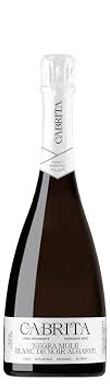

A revelatory, rich and flavoursome traditional method fizz. This innovative take on Negra Mole – part-aged in oak for two years and disgorged in 2020...
2016
Cabrita

Morgado de Quintão, Branco Vinhas Velhas, Algarve, Portugal, 2021
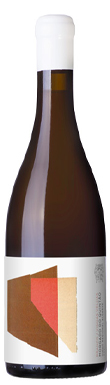
Fifty-year-old vines produce intense tropical fruit and succulent star fruit flavours, with a tangy lick of mango stone. Whole bunch pressing and lees-stirring in horizontal...
2021
Morgado de Quintão
Falésia, Branco Reserva, Algarve, Portugal, 2021
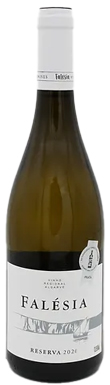
Aromatic and complex, with subtle resin, bay leaf, flint and saline on the nose and palate. Aged in used French oak barrels, it is powerful...
2021
Falésia
Herdade Barranco do Vale, Reserve White, Algarve, Portugal, 2019
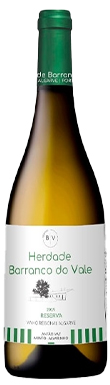
With lemon pip tartness, tension and texture (mineral extract), this firm, focused, citrus-driven blend of Antão Vaz, Arinto and Alvarinho has interest and no shortage...
2019
Herdade Barranco do Vale
Morgado de Quintão, Crato Branco, Algarve, Portugal, 2021
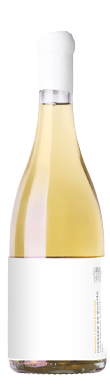
Restrained on the nose and palate, this naturally fermented, lees-aged unoaked Crato Branco is made in a citrus and mineral style. A streak of lemon...
2021
Morgado de Quintão
Falésia, Infante de Falésia, Algarve, Portugal, 2020
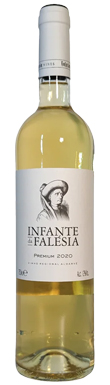
This unoaked white from a clifftop vineyard is spry, crisp and dry with citrus, saline and lightly tropical green fruit (prickly pear) and shrub nuances....
2020
Falésia
Única, Lagoa Reserva, Algarve, Portugal, 2021
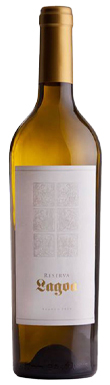
With lemon, green and dried pineapple, plus a touch of Piña Colada, this fruit-forward example of Crato Branco is cool-fermented with inoculated yeasts. Aged on...
2021
Única
Alagoa Velha, Labios Nus Branco, Algarve, Portugal, 2021
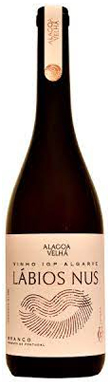
Amber colour, with intense, coarse-cut marmalade flavours (and pithy tannin), dried apple, peach tea, lavender and cinnamon spice, this orange wine is flavoursome but bone-dry,...
2021
Alagoa Velha
Monte da Casteleja, Clássico Branco, Algarve, Portugal, 2021
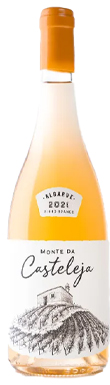
An engaging resin and honey-edged citrus nose and palate. Parrying pithy tannins and mouthwatering acidity animate and extend the palate. With a touch more flesh...
2021
Monte da Casteleja
Quinta do Francês, Odelouca River Valley Red, Algarve, Portugal, 2020
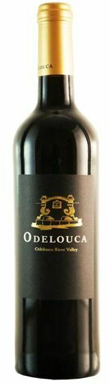
With cedar-accented ripe blackcurrant and a hint of bell pepper, Cabernet Sauvignon lends distinction to this classy Franco/Portuguese varietal blend. Sleek tannins, fresh acidity and...
2020
Quinta do Francês
Cabrita, Negra Mole, Algarve, Portugal, 2021
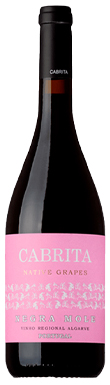
Pale ruby colour. A beguiling, inky nose with lifted incense spice (notably sweet star anise) and a mineral, iodine undertow to the vivid, crunchy red...
2021
Cabrita
Quinta do Francês, Terraços Syrah, Algarve, Portugal, 2018
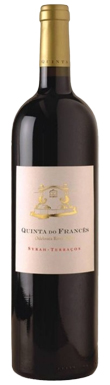
A powerfully concentrated, characterful Syrah with a bloody, mineral tang, dried herb and shrub notes to its polished, ripe black fruits. Well-structured, with ripe but...
2018
Quinta do Francês
Alagoa Velha, Labios Nus Tinto, Algarve, Portugal, 2020
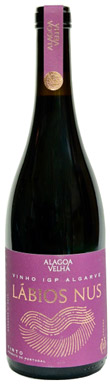
With its iodine edge, cut of acidity and sooty plume of fine tannins, Baga – the Algarve’s first planting – is an assertive partner in...
2020
Alagoa Velha
Quinta da Penina, Negra Mole, Algarve, Portugal, 2019
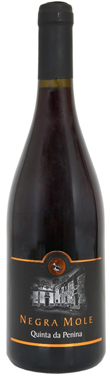
Ungrafted bush vines planted in 1942 on sandy soil produce this bright garnet-coloured Negra Mole with a splash of Castelão. As smooth as it is...
2019
Quinta da Penina
Al-Mudd, Negra Mole Clarete, Algarve, Portugal, 2020
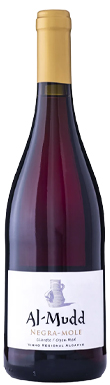
An attractive pale red from sandy soils with a saline edge to its smooth wild cherry and strawberry fruit, well-balanced acidity and a light rub...
2020
Al-Mudd
Monte da Casteleja, Abeluiz, Algarve, Portugal, 2021
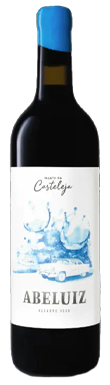
A complex Alfrocheiro, initially dense, with bitter chocolate, nice concentration of blue and black fruits and ripe but present tannins. Fresh acidity leavens the palate,...
2021
Monte da Casteleja
Arvad, Negra Mole, Algarve, Portugal, 2021
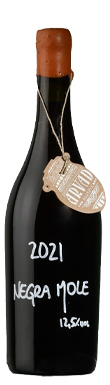
This pale garnet Negra Mole is intensely spicy with an iodine/clay edge to its smooth redcurrant and berry fruit, plus involving, slightly vegetal, chamois tannins....
2021
Arvad
Casa Santos Lima, Al-Ria Tinto, Algarve, Portugal, 2021
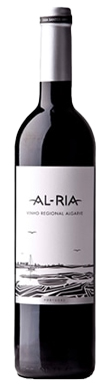
A chunky, sweet, black-fruited blend with dark chocolate and smoky grilled bell pepper. Still integrating, the oak is a touch raw and the tannins a...
2021
Casa Santos Lima
Cabrita, Blanc de Noir Negra Mole, Algarve, Portugal, 2016
A revelatory, rich and flavoursome traditional method fizz. This innovative take on Negra Mole – part-aged in oak for two years and disgorged in 2020...
2016
Cabrita
Morgado de Quintão, Branco Vinhas Velhas, Algarve, Portugal, 2021
Fifty-year-old vines produce intense tropical fruit and succulent star fruit flavours, with a tangy lick of mango stone. Whole bunch pressing and lees-stirring in horizontal...
2021
Morgado de Quintão
Falésia, Branco Reserva, Algarve, Portugal, 2021
Aromatic and complex, with subtle resin, bay leaf, flint and saline on the nose and palate. Aged in used French oak barrels, it is powerful...
2021
Falésia
Herdade Barranco do Vale, Reserve White, Algarve, Portugal, 2019
With lemon pip tartness, tension and texture (mineral extract), this firm, focused, citrus-driven blend of Antão Vaz, Arinto and Alvarinho has interest and no shortage...
2019
Herdade Barranco do Vale
Morgado de Quintão, Crato Branco, Algarve, Portugal, 2021
Restrained on the nose and palate, this naturally fermented, lees-aged unoaked Crato Branco is made in a citrus and mineral style. A streak of lemon...
2021
Morgado de Quintão
Falésia, Infante de Falésia, Algarve, Portugal, 2020
This unoaked white from a clifftop vineyard is spry, crisp and dry with citrus, saline and lightly tropical green fruit (prickly pear) and shrub nuances....
2020
Falésia
Única, Lagoa Reserva, Algarve, Portugal, 2021
With lemon, green and dried pineapple, plus a touch of Piña Colada, this fruit-forward example of Crato Branco is cool-fermented with inoculated yeasts. Aged on...
2021
Única
Alagoa Velha, Labios Nus Branco, Algarve, Portugal, 2021
Amber colour, with intense, coarse-cut marmalade flavours (and pithy tannin), dried apple, peach tea, lavender and cinnamon spice, this orange wine is flavoursome but bone-dry,...
2021
Alagoa Velha
Monte da Casteleja, Clássico Branco, Algarve, Portugal, 2021
An engaging resin and honey-edged citrus nose and palate. Parrying pithy tannins and mouthwatering acidity animate and extend the palate. With a touch more flesh...
2021
Monte da Casteleja
Quinta do Francês, Odelouca River Valley Red, Algarve, Portugal, 2020
With cedar-accented ripe blackcurrant and a hint of bell pepper, Cabernet Sauvignon lends distinction to this classy Franco/Portuguese varietal blend. Sleek tannins, fresh acidity and...
2020
Quinta do Francês
Cabrita, Negra Mole, Algarve, Portugal, 2021
Pale ruby colour. A beguiling, inky nose with lifted incense spice (notably sweet star anise) and a mineral, iodine undertow to the vivid, crunchy red...
2021
Cabrita
Quinta do Francês, Terraços Syrah, Algarve, Portugal, 2018
A powerfully concentrated, characterful Syrah with a bloody, mineral tang, dried herb and shrub notes to its polished, ripe black fruits. Well-structured, with ripe but...
2018
Quinta do Francês
Alagoa Velha, Labios Nus Tinto, Algarve, Portugal, 2020
With its iodine edge, cut of acidity and sooty plume of fine tannins, Baga – the Algarve’s first planting – is an assertive partner in...
2020
Alagoa Velha
Quinta da Penina, Negra Mole, Algarve, Portugal, 2019
Ungrafted bush vines planted in 1942 on sandy soil produce this bright garnet-coloured Negra Mole with a splash of Castelão. As smooth as it is...
2019
Quinta da Penina
Al-Mudd, Negra Mole Clarete, Algarve, Portugal, 2020
An attractive pale red from sandy soils with a saline edge to its smooth wild cherry and strawberry fruit, well-balanced acidity and a light rub...
2020
Al-Mudd
Monte da Casteleja, Abeluiz, Algarve, Portugal, 2021
A complex Alfrocheiro, initially dense, with bitter chocolate, nice concentration of blue and black fruits and ripe but present tannins. Fresh acidity leavens the palate,...
2021
Monte da Casteleja
Arvad, Negra Mole, Algarve, Portugal, 2021
This pale garnet Negra Mole is intensely spicy with an iodine/clay edge to its smooth redcurrant and berry fruit, plus involving, slightly vegetal, chamois tannins....
2021
Arvad
Casa Santos Lima, Al-Ria Tinto, Algarve, Portugal, 2021
A chunky, sweet, black-fruited blend with dark chocolate and smoky grilled bell pepper. Still integrating, the oak is a touch raw and the tannins a...
2021
Casa Santos Lima
