
Rosso di Montalcino 2016 and 2017: Panel tasting results
True to expectations, these 2016 and 2017 Rossos showed distinct differences in vintage character, offering plenty of enjoyable and affordable drinking, says Susan Hulme MW...


Nicolas Clerc MS, Aldo Fiordelli and Susan Hulme MW tasted 93 Rosso di Montalcino wines, with 1 Outstanding and 21 Highly Recommended.
Entry criteria: Producers and UK agents were invited to submit Rosso di Montalcino red wines from the 2016 and 2017 vintages, with retail availability in the UK or US.
Scroll down to see the tasting notes & scores
The verdict
Of the 93 Rosso di Montalcino wines assessed in this panel tasting, the quality was very good, with 87% rated at Recommended or above, and all three of the judges remarkably consistent in scoring. There were few dramatic ups and downs, with just a single wine achieving an Outstanding rating – though 21 others scored 90 points or more.
The 76 wines from the 2017 vintage were good quality, if not great – all but one of the nine wines at 91pts and 92pts were 2017s – which is what I would have expected from this challenging vintage.
If vintage variation means anything, it was pleasing to see that many of the wines displayed an accurate, transparent reflection of the year. In the Brunello di Montalcino region, 2017 was notable for a severe spring frost followed by very hot and dry weather during summer and into most of the autumn. The lack of rain and drought conditions in many places was an important factor.
Quick link: See all 93 wines from this panel tasting
In fact, it was one of the hottest vintages on record with temperatures often hitting 38°C and even reaching the 40s. These factors reduced yields, but generally winemakers felt that the fruit quality was very good, even if quantities were low. However, as with many very hot vintages when there are heat spikes, the vines stop ripening: so the sugar accumulation and potent alcohol continues to go up but the phenolic ripening (tannins, aromas, flavours) stops.
As a result, many of these wines showed a little green note to either the tannins or the fruit. This may seem counter-intuitive, as in hot vintages one expects ripe fruit, but it is often the opposite.
Generally, the winemaking was very sympathetic to the vintage and producers had not over-extracted or over-oaked. Looking at the challenges faced in 2017, the tasting showed the fantastic progress that has been made both in the vineyards and in winemaking in the past few years.
Aldo Fiordelli commented: ‘I’m really impressed by what has been achieved in the extremely dry 2017 vintage. The producers of Montalcino have woken up to the work needed after the hot vintages of 2003, 2007 and 2012.’

The 2016 was a brilliant vintage and, in many parts of Tuscany, one of the best of the past 20 years. The big difference was that 2016 was not as hot as 2017 and drought was not an issue. Night-time temperatures were cooler, so the vines were much less stressed. This allowed for the development of very pure aromas and flavours and finer-textured, more harmonious tannins.
Our top two wines overall were 2016s. This vintage can be kept for a few years, although it is drinking beautifully now too. There was also one wine from the 2015 vintage, which showed well.
These Rosso di Montalcinos are mostly early-drinking, food-friendly wines that offer plenty of enjoyment and good value.
Master Sommelier Nicolas Clerc was impressed: ‘Some of them are as good as many Brunellos, yet offer wine lovers access to some of the best winemakers and estates without paying the high premiums of Brunello di Montalcino or Brunello riserva.’
The scores
93 wines tasted
Exceptional 0
Outstanding 1
Highly Recommended 21
Recommended 59
Commended 10
Fair 0
Poor 0
Faulty 2
The judges
Nicolas Clerc MS
Clerc is a wine buyer for Armit Wines. A Master Sommelier since 2010, he is the current president of the sommelier arm of the UK Academy of Food & Wine Service, and also a board member at the Court of Master Sommeliers Europe. Clerc was awarded the title UK Sommelier of the Year in 2007.
Aldo Fiordelli
A certified sommelier since 2003, Fiordelli is a widely published Italian journalist, wine writer and author, and a DWWA judge. Editor of the L’Espresso restaurant and wine guide, he also writes for Civiltà del Bere; Italy’s oldest Italian wine magazine. In 2017 he was named Chevalier de l’Ordre des Coteaux de Champagne.
Susan Hulme MW
Hulme is a wine writer specialising in Italian wines. A regular contributor to Decanter and Decanter.com, she has lived and worked in Italy and regularly travels to Italian wine regions. She became a Master of Wine in 2005, winning the Madame Bollinger medal for outstanding performance in the tasting exam.
Rosso di Montalcino, Tuscany
These DOC Sangiovese reds hail from the same vineyards as their DOCG Brunello big brothers, and provide a good-value window onto vintage style, says Susan Hulme MW.
Montalcino is a classic Italian medieval hill town, perched at 567m in the province of
Siena, Tuscany. It is the home of one of Italy’s most prestigious red wines, Brunello di Montalcino DOCG, and Rosso di Montalcino DOC is its little sister wine.
Both are 100% Sangiovese, but whereas Brunello is matured for a minimum of four years before release and is one of Italy’s longest-lived wines, Rosso di Montalcino is required to be matured for only 10 months. While it shares the same distinctive location, it is a more accessible, earlier-drinking version of Sangiovese, less expensive and potentially very good value.
The town of Montalcino looks down from its eyrie-like position onto the surrounding vineyards. There are four distinct sub-zones and climates; namely northwest, northeast, southwest and southeast. In the north it is generally cooler with higher rainfall, while in the south it is warmer and drier.
There are a variety of soil types; for example, in the west the lowest parts lie at 200m and the subsoils are mostly clay. Rising up, the soils turn sandy and at the highest point they become galestro, the schistous soil common to Tuscany.
Find your style
In theory, the wines from the sub-zones vary stylistically, with the north producing leaner and paler wines, and the south producing a darker, fruitier style. There has been a big debate going on over the past few years about ‘zoning’ within the Brunello di Montalcino DOCG and whether this would be good for the producers, and help or hinder the consumers’ understanding of the differences between wines. But assessing the impact of each terroir is not that simple.
Climate change has brought with it more variable and extreme vintages – sometimes hotter and drier, sometimes very wet and cool – with the result that no one sub-zone produces the best quality wines every year.
In addition, many producers grow grapes in different zones and blend them to make the final wine. In reality I have tasted several wines from the warmer, southern sub-zones which are among the palest, most refined and ethereal Brunello and Rosso di Montalcino, while some wines from the northern, cooler sub-zones are chunkier, heavier and more robust. For me, more than anything, the most important thing is the producer. Whether they are modern or traditional, organic or biodynamic, it comes down to how attentive and precise they are, both in the vineyard and the winery.
Top Rosso di Montalcinos from the panel tasting:
See all 93 wines from this panel tasting
Rosso di Montalcino: know your vintages
2018: Much cooler year than 2017. The wines are lively, fresh and not overly ripe, but elegant and appealing. In the main, these are for early drinking.
2017: Spring frosts and then one of the hottest summers on record, often exceeding 40°C, with drought conditions in many places. Reduced yields. Very challenging, separating the great winemakers from the good.
2016: Exceptional for Sangiovese – one of the best of the past 20 years. Not too hot, with cool nights. The best wines have precise aromas and flavours with beautifully harmonious tannins. Keep or drink.
2015 :Hot and generally very good. Ripe strawberry fruit and rich tannins. Lacks the refinement of 2016 but still highly rated. Keep or drink.
2014: A difficult vintage, cool and wet, resulting in fresh wines with good acidity but sometimes green, herbal qualities. Early to mid-term drinking.
2013: Perfect conditions between July and September allowed a traditional October harvest. A classic, elegant vintage, with great potential.
Rosso di Montalcino: the facts
DOC status: 1983
Grape variety: 100% Sangiovese (known locally as Brunello)
Area under vine: 510ha; plantings above 600m have been permitted since 2015, due to the ripening influence of global warming
Producers: 194
Production: (2016) 35,500hl Minimum alcohol 12%
Ageing: Minimum of 10 months (no oak requirement); the wines can be released on 1 September in the year following the harvest
Closures: Screwcaps permitted from 2015
Decanter Premium members have access to an exclusive Brunello di Montalcino 2014 vintage report by Michaela Morris, with nearly 120 tasting notes including late-release Riserva 2013s
You may also like
Brunello di Montalcino 2010 panel tasting resultsBrunello’s new generation: six top producers and their winesUltimate Tuscany: Top 10 wineries to visitFrom the archive: Brunello di Montalcino 2010 panel tasting results
Podere Brizio, Rosso di Montalcino, Tuscany, Italy, 2016
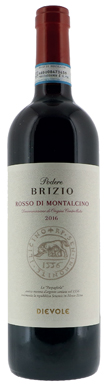

Established in 2013 by the Alejandro Bulgheroni Family Vineyards Group, the Podere Brizio estate sits on the South-West facing Montalcino hills, in a unique setting...
2016
Podere BrizioRosso di Montalcino

Campogiovanni, Rosso di Montalcino, Tuscany, Italy, 2016
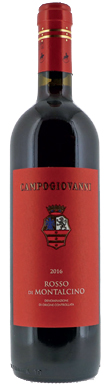
Lovely weight and texture, with extremely fresh raspberry and redcurrant fruit. Intense spicy notes of smokey woodland, with grainy yet delicate tannins.
2016
CampogiovanniRosso di Montalcino
Corte dei Venti, Rosso di Montalcino, Tuscany, Italy, 2017
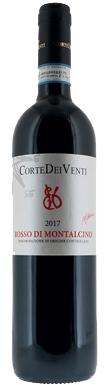
Sweet smoke and spice aromas, with an enticing core of cherry and raspberry fruit. Showing good evolution and a lovely harmonious palate.
2017
Corte dei VentiRosso di Montalcino
Solaria Patrizia Cencioni, Rosso di Montalcino, Tuscany, Italy, 2017
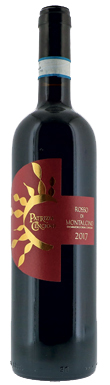
A lighter Rosso, displaying redcurrant and pomegranate flavours. Pretty cherry notes are complemented by subtle earthy characters, and a touch of creamy oak.
2017
Solaria Patrizia CencioniRosso di Montalcino
Poggio Lucina, Rosso di Montalcino, Tuscany, Italy, 2016
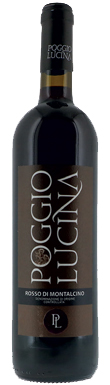
Elegant nose of wild red fruits with some floral notes. Rich and concentrated palate, full of character. Powerful but incisive.
2016
Poggio LucinaRosso di Montalcino
La Togata, Jacopus, Rosso di Montalcino, Tuscany, Italy, 2017
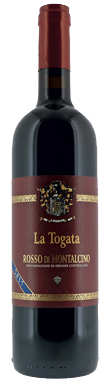
Complex nose of strawberry and violets combining with earthy and mineral undertones. Well-made wine, with a long and persistent finish.
2017
La TogataRosso di Montalcino
Lisini, Rosso di Montalcino, Tuscany, Italy, 2017
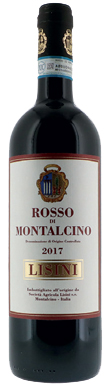
Great cherry fruit concentration, layered with notes of smoke and peach peel. A charming Rosso with a lovely soft texture.
2017
LisiniRosso di Montalcino
La Togata, Rosso di Montalcino, Tuscany, Italy, 2017
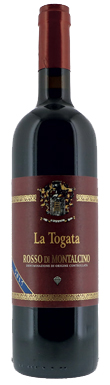
Raspberry fruit aromas intertwined with notes of dried cherry and kiwi. Delicate palate with velvety tannins and subtle spice notes.
2017
La TogataRosso di Montalcino
Le Potazzine, Rosso di Montalcino, Tuscany, Italy, 2017
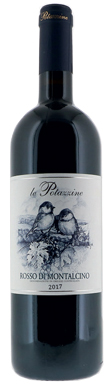
Bright raspberry fruit profile with hints of floral characters and an enticing saline minerality. A very good example of the vintage.
2017
Le PotazzineRosso di Montalcino
Castello Tricerchi, Rosso di Montalcino, Tuscany, Italy, 2017
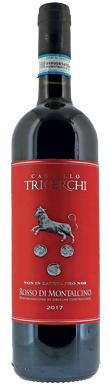
Great perfumed red fruit intensity, with extremely youthful character. Fresh acidity and crunchy tannins, has bags of charm and appeal.
2017
Castello TricerchiRosso di Montalcino
Fattoria dei Barbi, Rosso di Montalcino, Tuscany, Italy, 2017
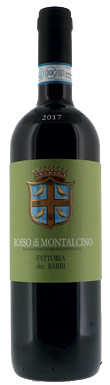
Delicate nose of dried flowers with leafy, peppery notes. Ripe, chalky tannins with amazing length, full of vibrancy and persistence.
2017
Fattoria dei BarbiRosso di Montalcino
Innocenti, Rosso di Montalcino, Tuscany, Italy, 2017
Precise, fresh red cherry fruit character, with well packed velvety tannins. Complex and attractive, with excellent potential for the future.
2017
InnocentiRosso di Montalcino
Martoccia di Brunelli Luca, Martoccia, Rosso di Montalcino, Tuscany, Italy, 2017
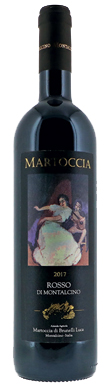
Ripe strawberry fruit with nuanced earthy and green characters. Elegant palate with a lovely cherry kernel finish.
2017
Martoccia di Brunelli LucaRosso di Montalcino
Poggio di Sotto, Rosso di Montalcino, Tuscany, Italy, 2016
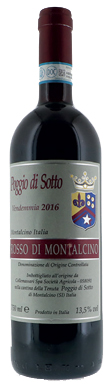
Light cherry nose supported by toasted oak and cedar notes. Generous and warm palate, with a long and savoury finish.
2016
Poggio di SottoRosso di Montalcino
Agostina Pieri, Rosso di Montalcino, Tuscany, Italy, 2016
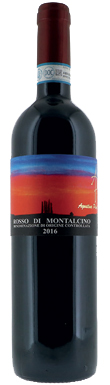
Full of smokiness, liquorice stick and vibrant yellow fruits. Great integration of new oak and a long, distinguished finish.
2016
Agostina PieriRosso di Montalcino
Fattoi, Rosso di Montalcino, Tuscany, Italy, 2017
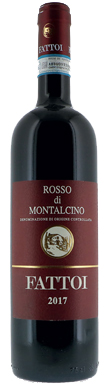
Powerful and brooding black cherry and spice notes on nose, with a bright and clean palate of cherry and green herbs.
2017
FattoiRosso di Montalcino
Il Valentiano, Campaperi, Rosso di Montalcino, Tuscany, Italy, 2017
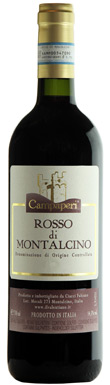
Lots of minerality on the nose, displaying great depth behind vibrant red and yellow fruits. Plenty of mid-palate concentration.
2017
Il ValentianoRosso di Montalcino
Terralsole, Rosso di Montalcino, Tuscany, Italy, 2016
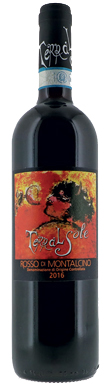
Complex notes of tobacco, chocolate and forest floor with lots of appealing oak and sweet spice flavours. Firm tannins and a lingering finish.
2016
TerralsoleRosso di Montalcino
Capanna, Rosso di Montalcino, Tuscany, Italy, 2017
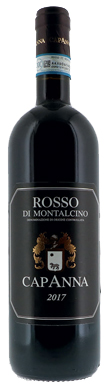
Savoury style with firm, grippy tannins and a spectrum of cherry and blueberry fruit. Fresh, generous, and easy drinking.
2017
CapannaRosso di Montalcino
Gianni Brunelli, Rosso di Montalcino, Tuscany, Italy, 2017

Intense black cherry nose with lifted violet notes. Textured, rich body and good graphite toastiness. Great length.
2017
Gianni BrunelliRosso di Montalcino
Sesti, Rosso di Montalcino, Tuscany, Italy, 2017
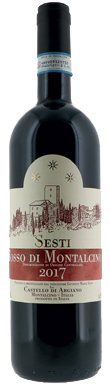
Lovely complexity, with good underlying fruit concentration. Crunchy red and green fruit flavours on the palate with firm, chalky tannins.
2017
SestiRosso di Montalcino
Uccelliera, Rosso di Montalcino, Tuscany, Italy, 2017
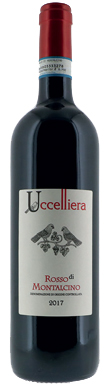
Precise and fresh, driven by sweet red fruits with a mineral edge. Pretty wine, with a long and savoury finish.
2017
UccellieraRosso di Montalcino
