
Sicily report 2022: spotlight on Europe’s hottest region plus 65 wines tasted
Sicily's reputation is at an all-time high, yet it finds itself at the crossroads as its evolution as a wine region continues, says James Button.


The island of Sicily is Italy’s biggest – and the world’s tenth-largest – wine region by vineyard area, comprising 98,992 hectares of vineyards (source: Assovini Sicilia). Predominantly hilly and mountainous, it is striking in its drama and beauty.
Scroll down to see tasting notes and scores for a selection of recently-tasted new releases from Sicily
Often described as a ‘mini-continent’, Sicily’s terroirs vary massively. Sicily’s coastal zones experience dry, hot summers, compounded in the southwest by the Scirocco wind blowing up from North Africa. Inland things get a bit more continental, with larger day/night temperature swings made possible by the altitudinous landscape.
On the east side of the island, the imposing (and ominously smoking) Mount Etna reaches 3,357m above sea level. On clear days, it’s possible to see the southern Italian region of Calabria from its slopes. Looking south from here, the land is peppered with steep hills – extinct volcanic cones – which give way to the Plain of Catania, the largest of Sicily’s few flat areas. Nerello Mascalese and Carricante rule on the slopes of Etna, while Nerello Cappuccio and Cattarrato play minor roles.
Nero d’Avola and Frappato are widely grown in the sandy, arid southeast of the island – most notably blended together in Sicily’s only DOCG wine, Cerasuolo di Vittoria. While the former is arguably Sicily’s most recognised variety, it’s the latter which offers the most promise for the future: producers such as Cortese and Arianna Occhipinti in Vittoria are experimenting with unique clones, single sites, old vines and – in the case of Cortese’s ‘Boscopiano Frappato’ – vinification in amphora.
The west is the ‘engine room’ of Sicilian vitiulture, where the vast majority of the island’s grapes are grown. Grillo, Catarratto and Inzolia (Marsala’s constituent grape varieties) are all widely planted, along with other indigneous and international varieties.
The south coast is primarily sandy but limestone outcrops – such as those found in Menfi – are proving rich pickings for producers looking to make tense, mineral wines. Mandrarossa, for example, has embraced a Burgundian concept for its new ‘micro-terroir’ project based on extensive soil research; the 100% Nero d’Avola ‘Terre del Sommacco’ and the 100% Grillo ‘Bertolino Soprano’ are both from vines planted over ‘the best limestone soils in the area, if not Sicily,’ according to Mandrarossa’s consultant winemaker, Alberto Antonini.
In 2021, Syracuse in southeast Sicily broke the long-standing European temperature record set by Athens in 1977, hitting 48.8°C according to Met Office data. Yet the island’s unique combination of the most sunshine hours in Europe, the tempering effect of the sea and the ventilation from its breezes, and the hilly and mountainous landscape means that Sicily’s wine industry is thriving.
‘Sicilian vineyards are not very productive in terms of cropload, and this helps in terms of intensity of flavours’ – Alberto Antonini
Yields here are among the lowest in all Italy, meaning that despite its position as the largest region by viticultural area, Sicily is only the fourth-largest wine producing region by volume (3.66m hl in 2020, according to Statista). The ancient alberello (bush vine) training method, still widespread, naturally limits yields. But it’s a labour intensive training method, which has led to growers in many areas replacing alberello with any one of around 40 other training methods.
The use of old vines is another way of naturally controlling yields – it’s too easy in this fertile landscape for vine vigour to get out of control and affect quality. Mandrarossa’s consultant winemaker, Alberto Antonini told me last year that, ‘Sicilian vineyards are not very productive in terms of cropload, and this helps in terms of intensity of flavours’.
See the score table for all 65 Sicilian wines tasted and rated
Adaptations
In a seminar held at the Ettore Majorana Foundation And Centre For Scientific Culture in Erice in western Sicily, Professor Marco Moriondo from the Institute of Bioeconomy of the CNR (National Research Council of Italy) in Florence noted that yields in Sicily are relatively stable and are not affected by fluctuations in temperature to the same degree as other regions, such as Lombardy in the north, or even other countries such as Australia.
Moriondo asserted that this is due to the inherent drought and heat resistance of Sicily’s indigenous varieties, which benefit from genetic adaptations that international varieties grown here don’t have.
Sicily’s hottest grape varieties right now:
Nerello Mascalese
Nerello Mascalese is one of Sicily’s most exciting grapes right now. Etna’s red grape has yet to fully find its voice, yet producers are dialling it in year on year. It has been compared to both Nebbiolo in Piedmont and Pinot Noir in Burgundy, thanks in part to its ability to produce wines of almost ethereal perfume, particularly on the slopes of Etna where it is the primary red grape of Etna Rosso. Here, it can make light, elegant reds as well as darker, richer styles. Time will tell which will prove to be the winning formula.
Catarratto
Found across Sicily, Catarratto accounts for 25,935ha of vineyard, according to the Sicilia DOC consorzio. A workhorse variety for over a century (it’s one of the principal grapes for Marsala), it is now producing some quality still white wines.
Catarratto is a relatively neutral variety which, as with Chardonnay in the Côte de Beaune, allows for a transparency of terroir and winemaking – a wide range of styles is possible depending on (among other things) altitude, yeasts, whether or not malo was carried out, and length of bottle ageing. Styles can range from bright, floral and appley to mineral and exotically fruited.
The variety responds well to altitude – the higher you grow Catarratto, the more thiols will be evident, according to recent research by Professor Nicola Francesca and Doctor of Enology Vincenzo Naselli at the University of Palermo. These thiols lend mineral and exotic notes (passion fruit in particular) which are extremely attractive to consumers – thiols feature prominently in New Zealand Sauvignon Blanc, for example.
In my tastings, bottle ageing seemed to have a huge impact on what can be, in its youth, very tightly coiled. A couple of years on from vintage, the wines tend to open up and start to reveal their full potential. A number of Cattaratto wines are even dark horses for the cellar.
Two biotypes of Cattarrato are recorded in the national grape register, but Francesca and Naselli’s research estimates that the grape’s genetic variability is much wider than this, suggesting it is well adapted to a variety of microclimates. The later ripening, non-aromatic Catarratto is perfect for Sicilian winemakers as it’s able to recover from August heat spikes before the grapes are picked. This resilience to heat (its natural high acidity helps here, too) and its adaptability to different soil types makes Catarratto one of the grapes of Sicily’s future; even more so than of its past.
Carricante
If Catarratto is a malleable, workhorse grape, then Carricante is its blue-blooded cousin: Chablis-esque in its racy oyster shell and mineral character; Austrian Grüner Veltliner-like in its lime, stone fruit and bright citrus inflections.
It’s the major white grape of Etna, where the DOC regulations stipulate a minimum of 60% Carricante for Etna Bianco, while for Etna Bianco Superiore – grown exclusively in the Milo commune on the east side of the volcano and accounting for less than 1% of Etna DOC production – it must make up a minimum of 80% of the blend.
A very vigorous variety, Carricante is at its best when yields are naturally limited by the age of the vines, and on Etna many vines are very old indeed. Salvino Benanti, the second-generation owner of Benanti, one of Etna’s pioneering wineries founded in 1988 and today one of its biggest producers, noted recently that, ‘there’s an oversupply of Nerello Mascalese and a shortage of Carricante.’ As a result, Benanti is currently putting his efforts into a Carricante project which should come to fruition in a couple of years’ time.
Grillo
Grillo, in the past, has been a maligned variety but the wines proved typically enjoyable and high quality during my tastings. The key variety for Marsala, production increased by 26% in 2021 versus 2020, driven largely by a mini-boom in popularity for still (and sparkling) Grillo. The grape now accounts for almost 9% of the island’s total production.
The still wines range widely in style, from saline and lemony to rich, oaky and tropical, but for me the middle ground produces the best examples, offering up succulent stone fruits, passion fruit, herb and floral notes combined with gloriously fresh acidity.
Sustainability
Sicily claims the largest percentage of organic and sustainable vineyards in Italy. Given its size, this is a significant number: 26,000ha of vineyard are certified organic, while sustainably managed, or ‘integrated’ vineyards take this total to 42,000ha.
Sustainability has in recent years become a core topic for Sicily’s two associations, Consorzio di Tutela Vini Doc Sicilia and Assovini Sicilia, which have collaborated with Fondazione SOStain Sicilia (founded in 2020) to promote research and development in a sustainability programme.
‘it’s 70% easier to be organic here than in Tuscany.’ – Mario Piccini
Sicily’s high percentage of organic and sustainable vineyards is made possible by the warm weather allied to the sea breezes which dry and aerate the grape bunches, reducing the need for fungicides and other treatments. As Mario Piccini, co-owner/ CEO of Piccini 1882 in Montalcino, commented during a visit to the family’s Torre Mora estate on Etna, ‘it’s 70% easier to be organic here than in Tuscany.’
Stefano Girelli, owner of Santa Tresa and Cortese in Vittoria said, ‘Twenty years ago, organic wines were considered a little finicky, a little faulty, a bit expensive but good. Today organic farming has developed to the extent we can produce better and more authentic grapes.’
Identity crisis?
In the mid- to late-1980s, a conscious move towards bottling high quality wines was spearheaded by the likes of Planeta and Tasca d’Almerita. This was a key point in Sicily’s winemaking history, which had previously been dominated by low quality bulk wine. Another turning point was at the start of the new millennium, when innovative producers such as Andrea Franchetti and Frank Cornelissen helped to bring Etna’s potential to the attention of a global audience.
Today, Sicily faces something of an identity crisis as it reaches the next crossroads in its evolution as a wine region. A hotbed of exciting wines and talented winemakers, its strength is in its array of indigenous varieties – yet much of its output remains international grapes. While these will always have a place in Sicily, indigenous varieties are without a doubt the future of Sicilian wine – from an identity as well as a climate change standpoint.

Etna
Etna has confirmed itself as the beating ‘fine wine’ heart of Sicily, thanks in part to the ability for growers to retain freshness at altitudes up to around 1,000m – any higher is regarded by the producers I spoke to as too risky, as the grapes would be on the cusp of achieving full ripeness. Many vineyards also feature very old vines. Again, most producers were reticent to call them ‘pre-phyloxerra’ as this could not easily be proven – instead, ‘ungrafted’ was the term I heard time and time again.
Etna offers a marginal climate quite different to the rest of Sicily. Huge disparities in soils, altitudes and micro-climates from contrada to contrada (133 recognised in total) and from vineyard to vineyard make it the new El Dorado for growers and winemakers seeking to make wines of Burgundian elegance and complexity.
There’s no doubt a marketing element to this as well: the dramatic, ever-changing landscape of modern as well as ancient lava flows is a great talking point for those producers eager to entice new consumers. Which brings me to one of the downsides to Etna’s rapid ascension – more than one producer I spoke to was wary of newcomers arriving purely to cash in on ‘brand Etna’, to the detriment of the area’s reputation.
There is certainly work to be done if the DOC wishes to progress itself. The quality of the DOC’s rosé wines is still variable, for example, and there doesn’t yet seem to be an emergent stylistic signature; examples range from full-coloured to Provence-pale.
Salvino Benanti insinuated that the future for Etna Rosé lies in the more extracted examples (such as his), rather than the more fashionable Provence-esque versions: ‘if you want to extract flavour, you have to compromise with the colour.’
But on the whole, Etna is heading in the right direction. It’s still early days and it will be interesting to follow developments here over the next few years. Will rosé become a big thing? Will the DOC’s metodo classico sparkling wines be widely marketed? Will Carricante really get a bigger slice of the pie?
The 2021 vintage
Record high temperatures recorded in the south made headlines, but overall the year was only slightly above average temperatures. There was a good fruit-set in late spring but producing slightly lower yields than the average. Mild droughts were contained mostly to non-winegrowing areas, while the second half of the year was rainy following the dry summer. Indigenous varieties responded well to the summer stress.
Top-scoring Sicilian wines to try:
Recommendations based on tastings in Windsor, Etna and Erice in 2022.
See the score table for all 65 Sicilian wines tasted and rated
Related content
A guide to Etna’s diverse wine styles
Sicily: Sun, sustainability and 11 essential wines
Marsala: Diverging paths plus eight bottles worth seeking out
Cantine Nicosia, Sosta Tre Santi Carricante, Etna, Sicily, Italy, 2019
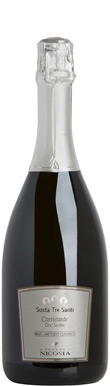

This metodo classico, pas dosé sparkling wine is 100% Carricante from the estate's vineyards in Trecastagni, over 500m above sea level. Aged on its lees...
2019
Cantine NicosiaEtna

Tornatore, Valdemone Brut, Terre Siciliane, Sicily, Italy
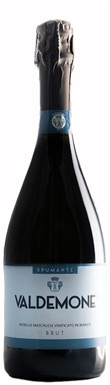
A charmat method 100% Nerello Mascalese sourced from vineyards in Castiglione di Sicilia on the northern slopes of mount Etna but vinified in Trapani on...
TornatoreTerre Siciliane
Cantine Nicosia, Contrada Monte Gorna Vecchie Viti, Etna, Sicily, Italy, 2018
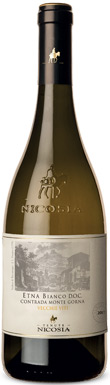
An old-vine selection from the Monte Gorna vineyard, matured for 12 months in French oak barriques, the Vecchie Viti offers a smokier, more concentrated take...
2018
Cantine NicosiaEtna
Pietradolce, Sant'Andrea, Etna, Sicily, Italy, 2017
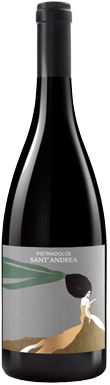
Just 1,800 bottles of Sant'Andrea were made in 2017, from the Archineri vineyard near Milo. The wine represents an effort to reintroduce the traditional style...
2017
PietradolceEtna
Pietradolce, Archineri, Etna, Sicily, Italy, 2020
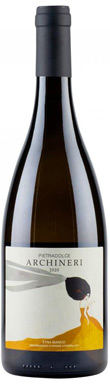
Archineri is a single vineyard on the east side of Etna, near Milo, at 850m. Purchased by Pietradolce in 2011, the vines are around 125...
2020
PietradolceEtna
Terra Costantino, Contrada Blandano Bianco, Etna, Sicily, Italy, 2017
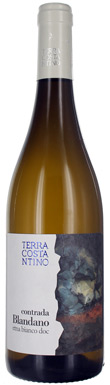
From the oldest vines of the estate, surrounding the winery in Contrada Blandano, this textured, fresh and zingy white is matured in large barrels for...
2017
Terra CostantinoEtna
Tasca d'Almerita, Tenuta Regaleali Nozze d'Oro, Sicilia, Sicily, Italy, 2019
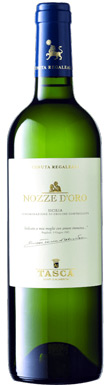
Nozze d'Oro was at the vanguard of Sicilian innovation when it was first created in 1984, and it's still a beacon of quality for the...
2019
Tasca d'AlmeritaSicilia
Alta Mora - Cusumano, Bianco, Etna, Sicily, Italy, 2020
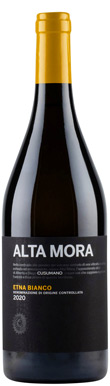
A blend of 100% Carricante from three different contradas in Castiglione di Sicilia on Etna's northern flank, this is fresh, mineral and floral on the...
2020
Alta Mora - CusumanoEtna
Baglio Di Pianetto, Natyr Insolia, Terre Siciliane, Sicily, Italy, 2016
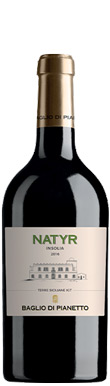
This skin-contact Inzolia is from Pianetto's Palermo estate, at an altitude of 650 metres. Matured on its lees for 24 months, it's a complex -...
2016
Baglio Di PianettoTerre Siciliane
Graci, Bianco, Etna, Sicily, Italy, 2021
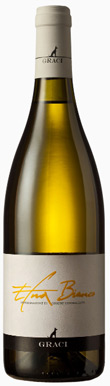
Fermented and matured in cement tanks for nine months, this white has a peachy, mineral aroma with fresh, floral flavours, a tense, minerally mid-palate and...
2021
GraciEtna
Graci, Arcuria, Etna, Sicily, Italy, 2020
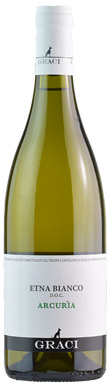
From the Arcuria contrada in Passopisciaro on the north side of Etna at 600-700 metres above sea level, this 100% Carricante is vinified partly in...
2020
GraciEtna
Tenuta Rapitalà, Conte Hugues, Sicilia, Sicily, Italy, 2020
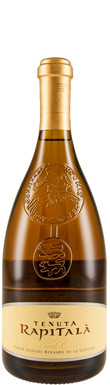
Conte Hugues is the historic wine of the estate. A steel-fermented and barrique-aged Chardonnay grown at 450m above sea level, it displays subtle tropical notes...
2020
Tenuta RapitalàSicilia
Duca di Salaparuta, Kados, Sicilia, Sicily, Italy, 2021
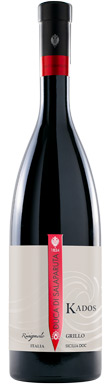
Sourced from Salemi and Gibellina in western Sicily, this Grillo is slowly fermented in small oak casks for 40 days. It's then racked to stainless...
2021
Duca di SalaparutaSicilia
Feudo Principi di Butera, Serò Insolia, Sicilia, Sicily, Italy, 2017
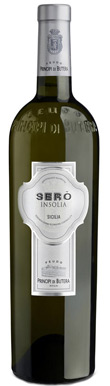
From Butera in central-southern Sicily, this Inzolia is half fermented in wood and half in stainless steel, staying on the lees with weekly battonage for...
2017
Feudo Principi di ButeraSicilia
Benanti, Contrada Rinazzo, Etna, Superiore, Sicily, Italy, 2021
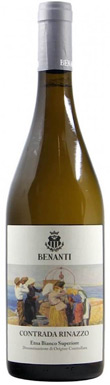
Etna pioneer Benanti has vineyards on every side of the volcano but its holding in Milo on the eastern slopes is particularly unique as this...
2021
BenantiEtna
Giasira, Keration, Terre Siciliane, Sicily, Italy, 2021
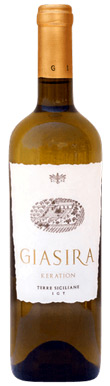
A round and fresh Catarratto (locally known as 'Lucido') from calcareous soils in southeast Sicily, combining peach and pineapple fruits with super-saline acidity and a...
2021
GiasiraTerre Siciliane
MandraRossa, Bertolino Soprano, Sicilia, Sicily, Italy, 2019
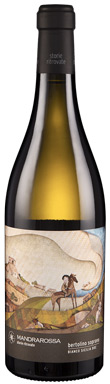
This is Mandrarossa's oaked Grillo, as opposed to its new unoaked version. It's aged in large barrels for around 11 months, which lends subtle weight...
2019
MandraRossaSicilia
Cantina Horus, Sole e Terra Gillo, Sicilia, Sicily, Italy, 2021
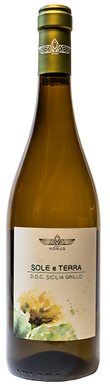
From vines in Ragusa, southeastern Sicily, grown at 170 metres above sea level. Ten percent of the wine is fermented in oak barriques, while the...
2021
Cantina HorusSicilia
Fazio, Aegades, Erice, Sicily, Italy, 2021
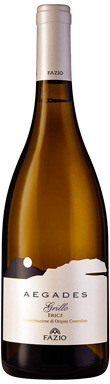
A fresh, unoaked Grillo grown at around 350 metres above sea level in the Erice DOC in western Sicily. It's really exotic and floral, with...
2021
FazioErice
Duca di Salaparuta, Bianca di Valguarnera, Terre Siciliane, Sicily, Italy, 2019
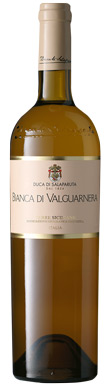
An oak-aged Inzolia from Salemi in central-western Sicily, offering up scents of orange blossom, white peach, apricot and a touch of passion fruit. Rich, buttery...
2019
Duca di SalaparutaTerre Siciliane
Donnafugata, Passiperduti, Sicilia, Sicily, Italy, 2021
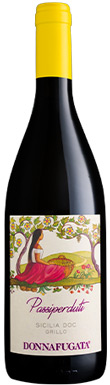
This brand new wine from Donnafugata's vineyards in the southwest of the island is textured and mineral, bursting with zesty lemon, fragrant herbs and pithy...
2021
DonnafugataSicilia
Graci, Rosato, Etna, Sicily, Italy, 2021
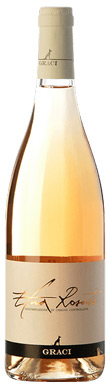
Vinified and aged in cement tanks, this is one of the finest Etna Rosato encountered this year. Softly pressed, it has a light summer berry...
2021
GraciEtna
Tasca d'Almerita, Tenuta Tascante Tefra Rosato, Etna, Sicily, Italy, 2021
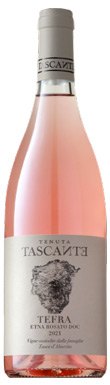
From a parcel of Nerello Mascalese vines in Contrada Rampante comes this Rosato. It has just three to four hours of skin contact and is...
2021
Tasca d'AlmeritaEtna
Pietradolce, Rosato, Etna, Sicily, Italy, 2021
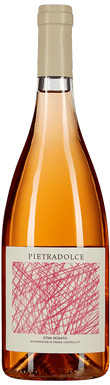
This Rosato, made with a very short skin contact of around three hours, is delicious. Super-mineral and clean, with a long tail of fresh and...
2021
PietradolceEtna
Tornatore, Rosato, Etna, Sicily, Italy, 2020
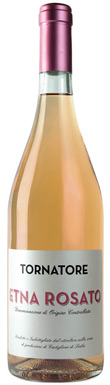
Pure, ripe cherry and wild strawberry fragrances with some balsamic lift, enhancing the perception of being super-fresh. Slightly jammy red fruit flavours are accompanied by...
2020
TornatoreEtna
Benanti, Rosato, Etna, Sicily, Italy, 2021
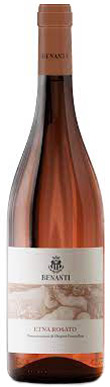
Benanti - one of the most established producers on Etna - only began producing rosé in 2017. The estate aims for a darker colour than...
2021
BenantiEtna
Dimore di Giurfo, Pian della Signora, Terre Siciliane, Sicily, Italy, 2021
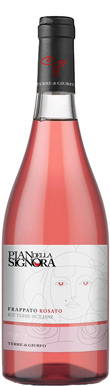
Grown at 550 metres in the area of Ragusa in southeast Sicily, this soft and round expression of Frappato is incredibly fresh. Gentle cherry and...
2021
Dimore di GiurfoTerre Siciliane
Tasca d'Almerita, Tenuta Tascante Contrada Sciaranuova VV, Etna, Sicily, Italy, 2017
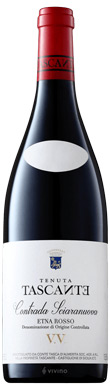
Sciaranuova is located at 730m above sea level on Etna's northern slopes. The 4.9 hectares of dry stone terraced vineyard are on ancient lava flows...
2017
Tasca d'AlmeritaEtna
Graci, Feudo di Mezzo, Etna, Sicily, Italy, 2019
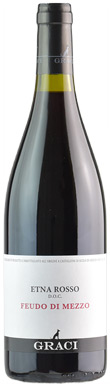
Feudo di Mezzo is the estate's first site to be harvested every year. Here, on the northern side of Etna, Graci has 1.5 hectares of...
2019
GraciEtna
Pietradolce, Barbagalli, Etna, Sicily, Italy, 2017
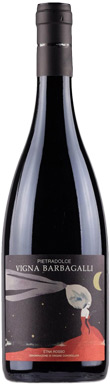
Barbagalli is a one-hectare amphitheatre of 80- to 100-year-old vines in Contrada Rampante on Etna's northern slopes at 950m, producing up to 2,000 bottles. It...
2017
PietradolceEtna
Graci, Arcuria Sopra il Pozzo, Etna, Sicily, Italy, 2017
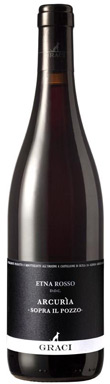
Sopra il Pozzo in the Arcuria contrada was identified, following research in 2004, as having a different soil type to all the other vineyards in...
2017
GraciEtna
Pietradolce, Contrada Santo Spirito, Etna, Sicily, Italy, 2018
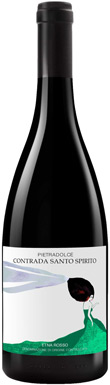
Located 4km from Rampante, Contrada Santo Spirito produces around 4,000 bottles. Softer in character than Barbagalli yet with more apparent structure, it's spicy and balsamic...
2018
PietradolceEtna
Terra Costantino, Contrada Blandano Rosso, Etna, Sicily, Italy, 2017
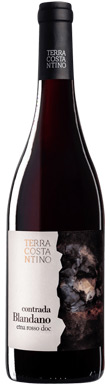
Terra Costantino was Etna's first winery to achieve organic certification, back in 2000. This flagship red is made from the oldest vines of the estate...
2017
Terra CostantinoEtna
Benanti, Serra Della Contessa Particella No. 587 Riserva, Etna, Sicily, Italy, 2016
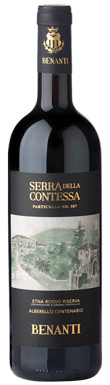
The second vintage of this Etna Riserva, made from a small parcel of ungrafted centenarian vines in Contrada Monte Serra on the southeast slope of...
2016
BenantiEtna
Cusumano, Sagana, Sicilia, Sicily, Italy, 2019
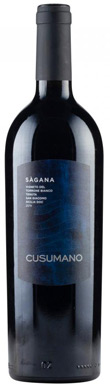
This single-vineyard Nero d'Avola, from Cusumano's Tenuta San Giacomo estate located on the limestone outcrop of Butera in southern Sicily, is a big wine. It...
2019
CusumanoSicilia
Tasca d'Almerita, Tenuta Regaleali Rosso del Conte di Sclafani, Contea di Sclafani, Sicily, Italy, 2016
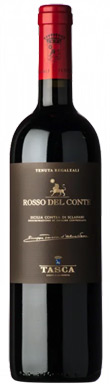
This historic wine was Sicily's first single-vineyard bottling, from a five-hectare vineyard planted in 1959 then extended by 1.5 hectares in 1965. During its long...
2016
Tasca d'AlmeritaContea di Sclafani
Torre Mora, Chiuse Vidalba, Etna, Sicily, Italy, 2017
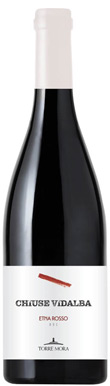
A selection of older vines up to around 70 years old in Contrada Dafara Galluzzo in Rovittello, on the northern slope of Etna. The grapes...
2017
Torre MoraEtna
Cortese, Boscopiano Frappato, Terre Siciliane, Sicily, Italy, 2019
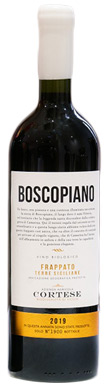
This amphora-aged Frappato is made from a single one-hectare vineyard planted in 2005. After fermentation and malo in small 700L oval amphorae, the wine is...
2019
CorteseTerre Siciliane
Feudo Maccari, Saia, Sicilia, Sicily, Italy, 2019
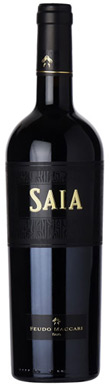
Feudo Maccari's oak-aged Nero d'Avola is sourced from older vines of around 30-40 years old, from higher plots of the estate's vineyards near Avola in...
2019
Feudo MaccariSicilia
Santa Tresa, O, Terre Siciliane, Sicily, Italy, 2020
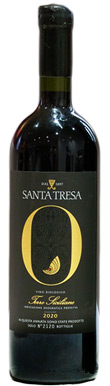
Rescued from the Nebrodi mountains and planted on the Vittoria plateaus in the southeast, the Orisi relic grape has genetic ties to Sangiovese yet shows...
2020
Santa TresaTerre Siciliane
Giasira, Morhum, Terre Siciliane, Sicily, Italy, 2018
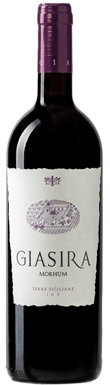
Nerello Mascalese is by no means restricted to just Etna, and this southeast expression from vines at 180-250m on calcareous soils is a fine example...
2018
GiasiraTerre Siciliane
Planeta, Frappato, Vittoria, Sicily, Italy, 2021
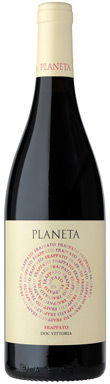
From Acate, near Vittoria, this 2021 is the first certified organic vintage from Planeta, which has spent the last few years converting its vineyards. A...
2021
PlanetaVittoria
