
Single-vineyard Rioja – is the new category working?
Introduced in 2017, the Viñedo Singular category is intended to shine a light on the top vineyards of Rioja. But is it working? Tim Atkin MW analyses the success of the classification and recommends some of the best single-vineyard wines – both with and without VS status.


Bodegas Lecea’s deep underground cellars in San Asensio are some of the most beautiful in Rioja, popular with wine-loving tourists in search of good reds, a friendly family welcome and a brush with the past. Some of the concrete tanks in these cool galleries date back to the 1890s.
Look closer and they bear the names of different vineyard parcels – Campillo, Cofrades, Peña La Cueva – a throwback to a time when Rioja had more in common with site-specific Burgundy than catch-all Champagne, a time before pan-regional blends became the norm.
Scroll down for Tim Atkin’s top single-vineyard white and red wines from Rioja
The old timers knew where their best grapes came from, and not just in San Asensio. Riojans have always acknowledged the primacy of certain plots and villages, even when they blended them, and most still do today.
The crazy thing is that, until recently, it was illegal to include vineyard names on labels, unless they were registered as brands.
Imagine a world in which Domaine de la Romanée-Conti couldn’t sell La Tâche, or Roberto Conterno was banned from using the words ‘Cascina Francia’ in Barolo. Well, that was the law as laid down by the ruling consejo regulador body in Rioja.
Not before time, Spain’s most famous wine region has begun to remedy this ludicrous situation. In June 2017, the consejo regulador announced that it was introducing a tier of single-vineyard wines, called Viñedos Singulares, and that applications were open to any producer whose wines and vineyards met the required criteria, starting with the 2017 vintage.
Reaction & recognition
In part, this was a response to the well-publicised decision of Artadi’s Juan Carlos López de Lacalle to leave the Denominación de Origen Calificada (DOCa) in January 2016, taking a handful of Rioja’s most famous single-vineyard wines with him, and to the ongoing threat by the Basque Asociación de Bodegas de Rioja Alavesa (ABRA) to set up its own Viñedos de Alava appellation.
But it was also a recognition of what consumers, especially high-end ones, increasingly want from a wine: personality, authenticity and a sense of place.
The Viñedos Singulares are a reflection of a horse-already-bolted reality, in some senses. Several top producers were already flouting the rules by using the words ‘single vineyard’, ‘viñedos propios’ or even ‘vinos singulares’ on their labels, as well as the names of individual parcels that aren’t, strictly speaking, brands.
It’s possible that these producers will be forced to withdraw such descriptions in the future, but don’t hold your breath. The fallout would be considerable.
Despite fears to the contrary, and whatever one may think of the wines chosen so far, the process for approving these new Viñedos Singulares has been commendably serious. It took more than two years for Spain’s ministry of agriculture to publish the first list of 84 vineyards on 30 July 2019. Since then, the number has swelled to 103, with a further 22 under consideration. These 125 sites are owned by 94 growers or bodegas, totalling only 207.68ha.
Singular standards
What makes a Viñedo Singular? In the official jargon, they are defined as ‘minor geographical units that can comprise a single or several cadastral plots’.
Permitted yields are 20% lower than for the rest of the DOCa, the vineyard must be at least 35 years old (younger parcels within it, or even replaced vines, invite disqualification) and must have been owned or rented by the same person for a decade or more.
The extensive dossier for each vineyard has to make a case for its unique qualities. Disappointingly, but understandably given the politics of the region, bush vines and clay-limestone soils are not mandatory.
Official approval of the site is only one part of the process. The wine it produces then has to pass through two tastings by a panel of six tasters appointed by the consejo regulador, once after fermentation and again before the wine is released.
To qualify, a wine has to score 93 points or more on the OIV system. So far, after seven official tastings, 34 wines from 20 wineries have been given the nod, covering the 2017, 2018 and 2019 vintages; 14 wines were rejected.
The anointed 34 wines are from:
- Berta Valgañón García (one wine)
- Bodegas Javier San Pedro Ortega (one)
- Bodegas Manzanos (one)
- Bodegas Palacio (two)
- Bodegas Valdemar (one)
- Bodegas y Viñedos Larraz (one)
- Bodegas y Viñedos Tobelos (one)
- Dominio de Berzal (one)
- Dominio de Queirón (one)
- Juan Carlos Sancha (four)
- Luis Cañas (four)
- Marqués de Riscal (one)
- Miguel Martínez Diéz (one)
- Sociedad Cooperativa Amurrio Barroeta (one)
- Sociedad Cooperativa Bodega San Miguel (three)
- Sociedad Cooperativa Bodegas Sonsierra (three)
- Viña del Lentisco (one)
- Viñedos de Alfaro (two)
- Viñedos Planas Altas (two)
- Ysios (two)
‘So far, after seven official tastings, 34 wines from 20 wineries have been given the nod, covering the 2017, 2018 and 2019 vintages’
Apart from these 20 bodegas, producers with approved vineyards – but not yet wines, in most cases because the producer hasn’t presented any – include Beronia, Bodega 202, Bodegas Bilbaínas, Bodegas Izadi, Castillo de Cuzcurrita, Hermanos Hernáiz, Loli Casado, MacRobert & Canals, Ostatu, Ruiz de Viñaspre and Urbina, while Arizcuren, Nivarius and Proelio are set to join them soon.
These are all serious operations, as are the likes of Bodegas Palacio, Juan Carlos Sancha, Luis Cañas, Marqués de Riscal and Dominio de Berzal among the 94 on the existing list.
A contentious category
The system isn’t perfect by any means. A single vineyard can only be registered by one producer, so if more than one bodega sources grapes from the same cru, they can’t both make Viñedos Singulares, and those that are under 35 years old are ineligible. Quality so far is mixed, ranging from excellent to distinctly ordinary among the 20 samples I tasted for this article.
A much bigger problem is that, with a handful of exceptions – Castillo de Cuzcurrita’s Tilo, Bodegas Valdemar’s Finca Alto Cantabria and Ostatu’s Gloria de Ostatu – the owners of Rioja’s best sites have not applied to join this particular club.
Wines such as Artuke’s La Condenada, Bodega Lanzaga’s Las Beatas, Contino’s Viña del Olivo, Finca Allende’s Calvario, Marqués de Murrieta’s Castillo Ygay, Pujanza’s Norte and Viñedos de Páganos’ La Nieta are all noticeable by their absence.
As Saúl Gil Berzal of Bodegas Gil Berzal points out: ‘The Viñedos Singulares should be the grands crus of Rioja, and they’re not.’
Adding value
So far, none of these bodegas think that the Viñedo Singular category adds value to their wines, although this may change.
Some, such as Benjamín Romeo at Bodega Contador, can’t face the bureaucracy involved – ‘I want to be free,’ he says – while others think that soil type and terroir are far more important criteria and minimum vine age is irrelevant.
‘A bad vineyard is still a bad vineyard,’ says Marcos Eguren at Viñedos de Páganos and Sierra Cantabria, ‘no matter how old it is.’ And a few are waiting to see how the wines are received in the marketplace.
Will they command a premium? ‘If they start selling at €10 a bottle,’ concedes Juan Carlos Sancha, who has already released four Viñedos Singulares, ‘then we’re in trouble.’
For now, the area in question is very small at just 0.31% of Rioja’s 66,239ha, but the hope inside the Rioja consejo regulador is that this will grow to 1% in the next few years.
When the Viñedo Singular category was announced, reactions were mostly critical. Many people felt that the legislation had been rushed through: that it was a case of building a house from the roof down, as they like to say in Spain. Others were considerably ruder.
But 40 months on, opinions are shifting. And, just as it did in the late 19th century, Rioja is talking about terroir again.
Atkin’s dozen: top single-vineyard Rioja white and red wines
Wines 1-6 are ‘Viñedo Singular’, the rest are single-vineyard wines
You may also like
Rioja gran reserva: Panel tasting resultsThe best Rioja vintages to drink nowRioja 1990s: A vintage guide
Bodegas Valdemar, Conde Valdemar Finca Alto Cantabria Blanco, Rioja, Rioja, Spain, 2019
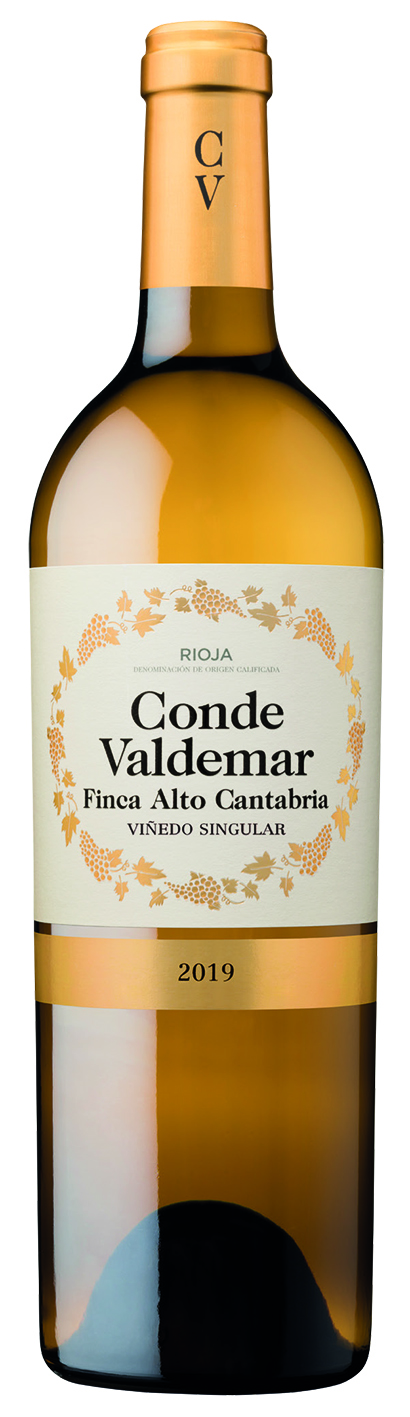

This pure old-vine Viura from limestone-dominated soils in the Finca Alto Cantabria is one of Rioja's greatest bargains, and among its most ageworthy whites, fully...
2019
Bodegas ValdemarRioja

Juan Carlos Sancha, Cerro La Isa Blanco, Rioja, Rioja, Spain, 2018
Cerra la Isa is a brilliant, old-vine field blend from a vineyard planted in 1906 at 700m in cool climate Baños de Río Tobía. Fermented...
2018
Juan Carlos SanchaRioja
Bodegas Ojuel, Carrasojuela, Rioja, Rioja, Spain, 2019
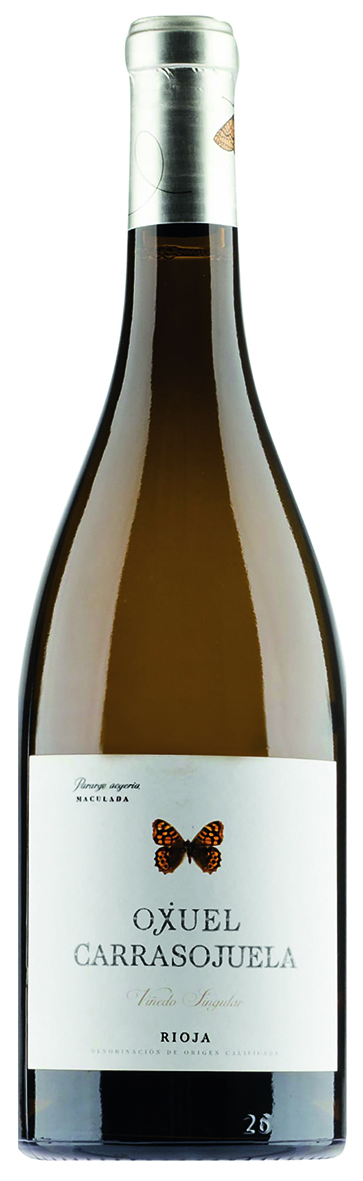
Rising star Miguel Martínez sources his grapes from an old parcel at 600m on the slopes of the Moncalvillo. This is Viura-based with a field...
2019
Bodegas OjuelRioja
Dominio de Berzal, Las Ladersas de José Luis, Rioja, Rioja, Spain, 2017
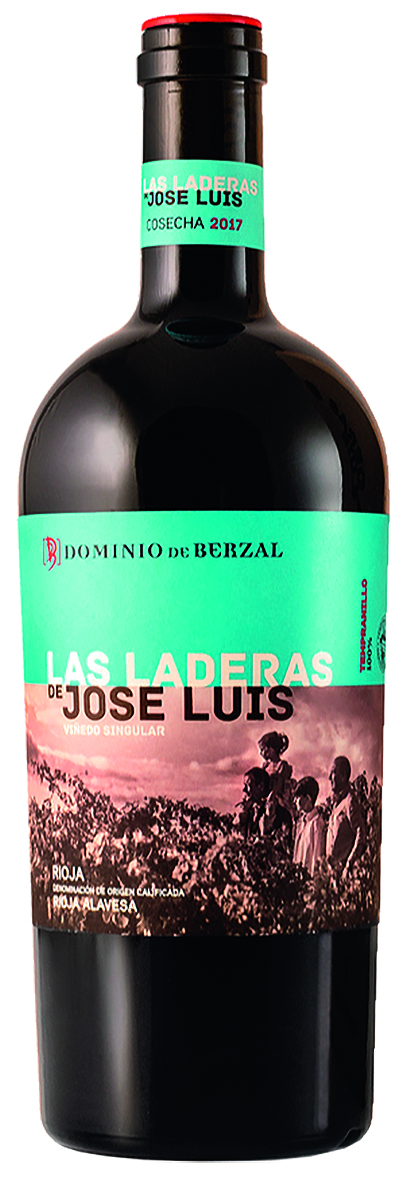
Fully justifying its selection among the first Viñedos Singulares, this comes from a 50-year-old, 1.1ha plot in the upper part of Baños de Ebro, close...
2017
Dominio de BerzalRioja
Amaren, Carraquintana, Rioja, Rioja, Spain, 2017
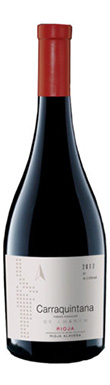
Juan Luis Cañas grows some of the best grapes in Villabuena de Álava and it shows in the concentration and intensity of his wines. This...
2017
AmarenRioja
Viña del Lentisco, Villota Viña Gena, Rioja, Rioja, Spain, 2018
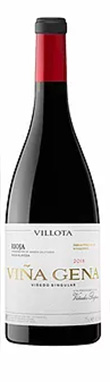
The Pérez-Villota family's holdings are right next to Contino (in fact, they used to be part of the same estate) and date back to the...
2018
Viña del LentiscoRioja
R Lopez de Heredia, Viña Tondonia Blanco, Rioja, Rioja, Spain, 2008
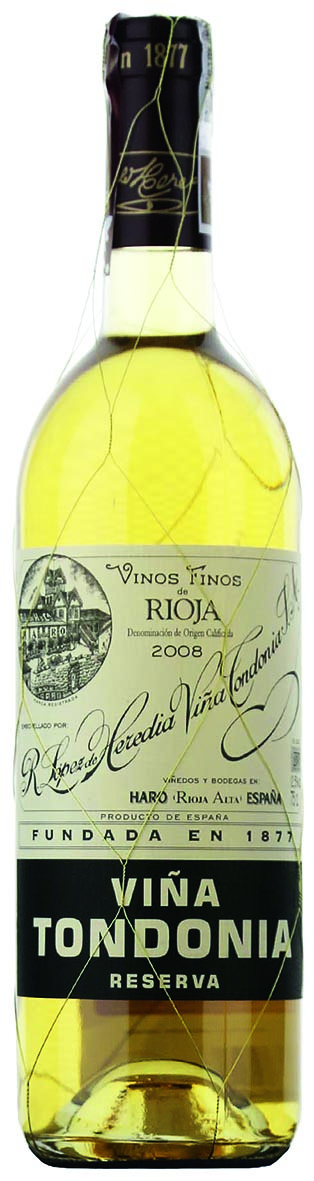
Still under-priced given its status as one of Spain's greatest and longest-lived white wines, Tondonia is a thing of wonder. Made from Viura with 10%...
2008
R Lopez de HerediaRioja
Artuke, La Condenada, Rioja, Rioja, Spain, 2017
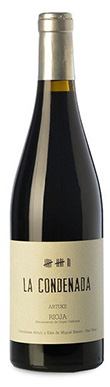
This 0.75ha parcel in Baños de Ebro, rescued from neglect in 2012 by Arturo and Kike de Miguel – hence its name, The Condemned –...
2017
ArtukeRioja
Bodegas Palacios Remondo, Quiñón de Valmira, Rioja, Rioja, Spain, 2017
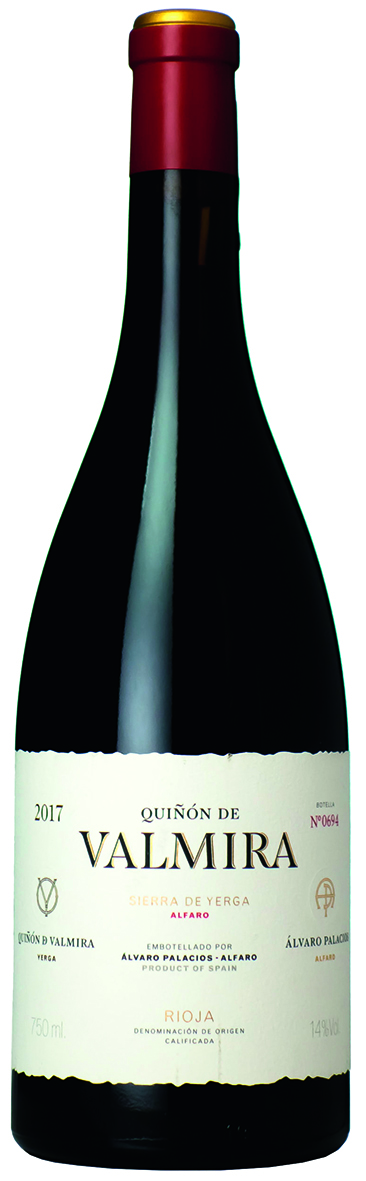
Álvaro Palacios' Quiñón de Valmira is the best wine from the Rioja Oriental and should serve as an inspiration for the sub-region's producers. Made in...
2017
Bodegas Palacios RemondoRioja
Contino, Viña del Olivo, Rioja, Rioja, Spain, 2016
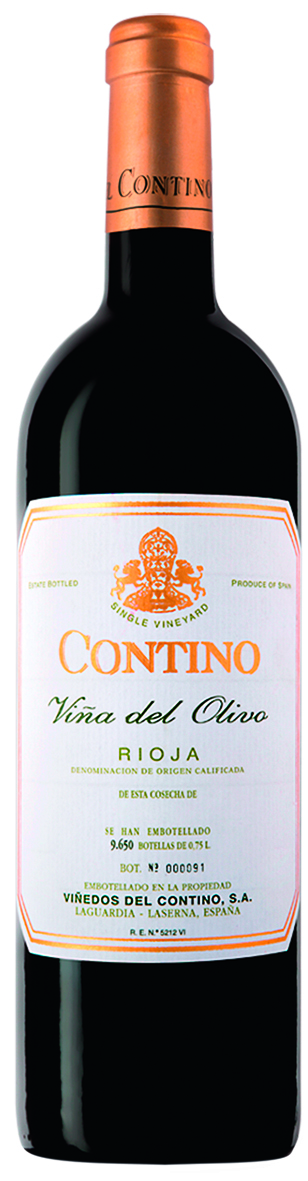
As its name indicates, this comes from vines located around an old olive tree in the upper part of the Contino estate. Combining Tempranillo with...
2016
ContinoRioja
Marques de Murrieta, Dalmau, Rioja, Rioja, Spain, 2016
One of a very small number of wines in Rioja that includes Cabernet Sauvignon – for historic reasons – this is an elegant, distinguished red...
2016
Marques de MurrietaRioja
Sierra de Toloño, Camino de Santa Cruz, Rioja, Rioja, Spain, 2016
This could be classified as a new Viñedo Singular, but Sandra Bravo says that she can't face the bureaucracy this would involve. Made with Tempranillo...
2016
Sierra de ToloñoRioja
Viñedos de Páganos, La Nieta, Rioja, Rioja, Spain, 2017
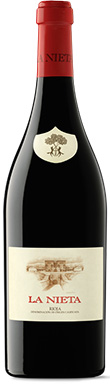
At 1.78ha, La Nieta is a much smaller vineyard than its stable mate El Puntido, and is priced accordingly. Its poor limestone soils have produced...
2017
Viñedos de PáganosRioja
Exopto, El Espinal, Rioja, Rioja, Spain, 2017
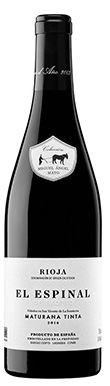
Miguel Ángel Mato's isolated parcel of rare Maturana Tinta, located at 650m in San Vicente de la Sonsierra and picked as late as October 20th,...
2017
ExoptoRioja
Bodegas Lanzaga, Las Beatas, Rioja, Rioja, Spain, 2016
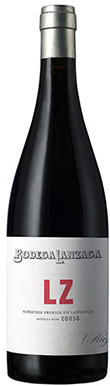
Made from nine co-planted varieties in a single site in Labastida, with Tempranillo the main component, this is richer and denser than previous releases, but...
2016
Bodegas LanzagaRioja
Pujanza, Norte, Rioja, Northern Spain, Spain, 2016
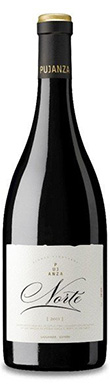
Norte faces south, rather than north, which is just as well given its location at a marginal 720m on the flank of the Sierra de...
2016
PujanzaRioja
Finca Valpiedra, Rioja, Rioja, Spain, 2014
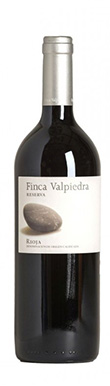
Cooler vintages seem to suit Finca Valpiedra's warmer site above the Ebro River. Combining Tempranillo with 4% each of Maturana Tinta and Graciano, this is...
2014
Finca ValpiedraRioja
Miguel Merino, Mazuelo de La Quinta Cruz, Rioja, Spain, 2017
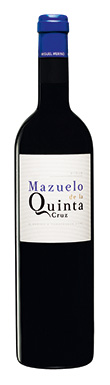
One of the few single-variety Mazuelos in Rioja, from a vineyard in Briones planted on gravelly soils in 1986. Matured in 500L and 225L French...
2017
Miguel Merino
Tentenublo, Escondite del Ardacho El Abundillano, Rioja, Rioja, Spain, 2017
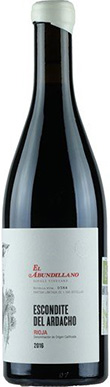
Roberto Oliván has owned this venerable, 1ha Garnacha-dominated parcel since he was 16 years old, so he's understandably very attached to it. Planted on red...
2017
TentenubloRioja
Remelluri, Blanco, Rioja, Rioja, Spain, 2016
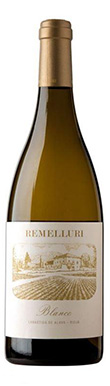
This highly original, ground-breaking white from Telmo Rodríguez is at the peak of its form in the cooler 2016 vintage. Produced from nine local and...
2016
RemelluriRioja
