
Tasmania: 21 wines showcasing Australia’s island state
To discover more about the seven wine regions of Australia’s island state of Tasmania, Sarah Ahmed meets a pioneering producer from each and recommends 21 top wines to try.


In 20 years, Tasmania’s area under vine has doubled. At 2,100ha, the island’s vineyards remain ‘small beer’ compared to mainland Australia in terms of production. But as for performance – well, that’s another story.
Australia’s southernmost state bagged 12 out of 13 Pinot Noir trophies at the country’s Capital City Wine Shows between 2021 and 2022. In 2022, not only was House of Arras’ Museum Release Blanc de Blancs 2001 pronounced World Champion Library Vintage at the Champagne & Sparkling Wine World Championships but Tolpuddle’s 2021 Chardonnay was named Decanter’s White Wine of the Year.
Scroll down for tasting notes and scores of 21 top cool-climate wines from Tasmania’s seven winemaking regions
Judging at the 2023 Tasmanian Wine Show – my fourth visit since 2004 – my expectations were high. And well met.
Because of the island’s marginal cool climate, explains Claudio Radenti of Freycinet Vineyards, vines take the full length of the season to achieve ripeness. ‘This gives excellent natural balance in the fruit, resulting in wines of remarkable elegance, finesse, intensity of flavour and refreshing, cleansing acidity.’
Fellow winemaker Jim Chatto agrees: ‘The flavour intensity and purity of Tassie fruit is unsurpassed.’ In fact, everyone agrees. So much so that producer numbers here are now edging towards 200, and with growing experience, craft and confidence, the individuality of terroir and winemaking expression is increasingly striking.
Chatto contrasts producers’ reticence to share ideas and experiences when he arrived in Tasmania 20 years ago with today. ‘Now the industry is a lot more collaborative,’ he says. ‘And a second generation of highly experienced young wine professionals are taking on their parents’ mature vineyards.’
Their number includes Justin Arnold of Ghost Rock, a pioneer of the North West Coast wine region which, together with Huon Valley (where Chatto planted a vineyard in 2007), is a relatively new wine-growing area. ‘We just wanted to prove it could not only be done here, but done really, really well, at commercial scale,’ says Arnold.
And he’s not alone. During my visit, I met a producer from each of Tasmania’s seven winemaking regions who reveal how they are getting the most out of their cool-climate island terroirs.

Tasmania: around the regions
Ghost Rock – North West
Justin Arnold would prefer Tasmania’s North West wine region was renamed Cradle Coast. Not only is the ocean-facing North West coast, between the towns of Stanley and Penguin, ‘much cooler and wetter’, there aren’t even any vineyards.
Port Sorrel, further east along the island’s northern shores on the Cradle Coast, is ‘literally the centre line of the state’, Arnold says. Because it fronts on to the Bass Strait (the body of water between Tasmania and Australia’s mainland), as opposed to open ocean, and thanks to the Central Highlands mountain range as an additional sheltering influence, the Cradle Coast is well suited to wine growing. ‘We just don’t see extremes in either direction – hot or cold,’ he explains.
Ghost Rock put this region on the map. The winery was founded by Arnold’s parents, Colin and Cate, after they bought a 10-year-old 0.4ha Pinot Noir vineyard in 1999. Arnold was 19 at the time; ‘we had no idea what we were doing!’.
By 2014, Arnold had done his oenology studies and had worked vintages for prestigious Margaret River, Yarra Valley and Californian producers, and returned to Tasmania with his wife Alicia to run the family business.
Since officially acquiring Ghost Rock in 2017, they have taken control of production from grape to glass, planting their vineyards and building a winery, tasting room and restaurant (Alicia is a former CEO for Jamie Oliver’s Australian restaurants).
Arnold draws on seven vineyards, now totalling 30ha, to produce a roster of single-vineyard Pinot Noirs – Ghost Rock’s specialty. Fertile deep clay and clay-rich sandy soils produce aromatic wines with vivid, ripe fruit. His Supernatural range is more playful and boisterous, including juicy, fruity pét-nats and high-toned skin contact styles.

Stoney Rise/Holyman – Tamar Valley
Joe Holyman’s father planted a hobby vineyard in Pipers River in 1984 but, when the former Tasmanian wicketkeeper and his wife Lou decided to make wine in 2004, they were drawn to a mature vineyard in the Tamar Valley on well-drained gravelly soils. Situated on a gentle stoney rise close to the river Tamar, it is a relatively warm site and additionally benefits from the prevailing north-west wind, which helps keep fruit healthy and clean.
Holyman’s 100% estate-grown label showcases Joe and Lou’s love of classically structured, ageworthy Pinot Noirs and Chardonnays (a 2013 Holyman Chardonnay enjoyed with them was stunning).
Their Stoney Rise wines include grapes from contract growers and are more fruit (and tannin) forward, yet still have the same trademark finesse as wines in the eponymous brand.
Restrained in alcohol, with vibrant natural acidity (they are among the first to pick in the Tamar Valley) ‘the underlying theme of the wines we like is acidity and food friendliness’, explains Joe.
Having worked for one of Australia’s leading importer/distributors for four years and been a buyer for a major Australian retailer, his ‘wine miles’ more than compensate for a lack of formal oenology training.
While the portfolio plays to Tasmania’s classic strengths of Pinot Noir and Chardonnay, the Holymans’ curiosity reveals itself in recent additions to the range, including a Grüner Veltliner, Trousseau and a Savagnin called Tradition – a deliciously nutty, oxidative cuvée that is paired with aged Comté cheese at the cellar door tasting room.
Here, overlooking the vineyard and river, the couple stay true to their philosophy that wine is for the table and sharing with friends by offering visitors a selection of favourite European wines alongside their own, together with sardines and a range of charcuterie and cheese.

Sinapius – Pipers River
Although she had ‘never hooked up a pump in my life or transferred wine, now I do all of it’, explains Linda Morice, who gave up her day job as an occupational therapist to focus on Sinapius after her husband Vaughn Dell died suddenly in 2020, aged 39.
Dell, who had had stints studying and making wine in the Yarra Valley, Hunter Valley and Margaret River, bought a 2ha vineyard in Pipers River with Morice in 2005. His vision for their estate was achieving maximum terroir expression – and quality through high-density farming was at the heart of it.
‘He spent all that time, he’d done the hard work…’ she says as her reason for picking up his mantle. With subtle tweaks to vineyard practices and the wines, Dell’s memory continues to be honoured.
Now totalling 4.5ha, the boutique property has 31,000 close-planted vines. Meticulous to a fault, Dell had introduced multiple Chardonnay and Pinot Noir clones as well as planting innovative new Alsace white varieties alongside Grüner Veltliner, Ribolla Gialla and Gamay.
The north-east and south-facing amphitheatre vineyard speaks of superior green fingers. Morice has named Sinapius’ new Gamay as Vaughan’s Jardin.
‘He kept the whole vineyard, but especially that block in front of the house, picture perfect. I came home one day after he had been in Beaujolais to find our lawn pegged out for planting,’ she laughs, adding that at a super-close 11,111 vines per hectare, she needs a push mower to keep the weeds at bay.
Fine-framed, with elegant fruit and taut acidity, the Sinapius wines capture Pipers River’s relatively cool climate perfectly, with all the intensity of flavour bestowed by high-density, low-yielding vines.

Freycinet Vineyard – East Coast
Softly spoken, with an unhurried air, Claudio Radenti is a gentle giant. You could say the same of the wines he has been making for 30 years now at Freycinet Vineyard, founded by his wife’s parents, Geoff and Susan Bull, in 1979.
Powerful yet understated, vertical flights of the Chardonnay and Riesling have impressed on three visits now including, last year, a mini-vertical back to 2006 of The Wine Society’s keenly priced Exhibition Chardonnay. The Pinot Noir, meanwhile, is robust and generous, reflecting the estate’s sheltered, warm location on the Freycinet Peninsula.
Comprising 1,393ha, the estate is ‘largely very rocky, lean and mean ground – a rock farm’, says Radenti, which explains why only 16ha are under vine (Merino sheep have the run of the rest).
Facing north to east, the amphitheatre-like vineyard fans out on the slopes surrounding the winery and, with a long growing season, grapes ripen slowly, accumulating great flavour intensity, while holding onto their natural acidity. ‘Showcasing purity of varietal fruit aroma and flavour is important to us,’ says Radenti.
The grapes are handpicked and, within four or five minutes of harvest, are at the crusher. Describing the winery as rustic, Radenti explains, ‘with no-one to help out in the beginning, my father-in-law had to get all his own gear’. Following the acquisition of Coombend’s neighbouring 6ha vineyard, the team has expanded, with the appointment of Keira O’Brien (assistant winemaker); Radenti’s son Pinot has also joined the fold.
Coveted niche labels to seek out include Radenti R3 (a rich, complex, late-disgorged, non-vintage traditional method sparkling) and Freycinet Botrytis, a luscious sweetie which puts a tiny 0.19ha parcel of Schonberger to great use.

Stargazer – Coal River Valley
New Zealand-born Sam Connew built her winemaking reputation on the Australian mainland before moving to Tasmania in 2016. ‘It’s a perfect combination of NZ and Australia,’ she says.
Having first encountered Tasmanian Pinot Noir when she made wine for Tower Estate in the Hunter Valley, she used the same variety to quietly launch her Stargazer brand in 2013 with a 2012 Tasmanian Pinot – still tasting bright and fresh, 11 years on. At the time she was working full time at the Australian Wine Research Institute.
After quitting and making the move to Tasmania, she acquired a 1ha vineyard in the Tea Tree district of Coal River Valley and also became winemaker for Pressing Matters (where Stargazer wines are now made).
Planted in 2004, Connew renamed her vineyard Palisander, and has expanded it fivefold with new Pinot Noir clones, more Riesling and introducing Chardonnay as well as Gamay, Pinot Blanc, Pinot Gris and Gewürztraminer for her innovative blends.
Connew was first attracted to Coal River Valley because ‘it could consistently produce great Pinot Noir, Chardonnay and Riesling’. However, the ‘driving force’ in choosing this region was its brown dermosol soil over limestone with Jurassic dolerite underneath.
Connew feels this high-calcium terroir helps with slower ripening and thicker grape skins, while the site’s relatively inland location at the northern end of Coal River Valley also contributes to longer hang times ‘because it cools down a bit more at night’.
These thick skins (and the vineyard’s windy, valley-side location) increase disease resistance and have another bonus, which contributes to the lightly textural style of the Stargazer wines. ‘There was so much flavour in the skins that, moving to skin contact, the positive phenolics would build wines that are more than just fruit bombs,’ she explains
Skin contact, natural fermentation and lees ageing in seasoned barrels mean that aromatic white varieties in the Stargazer portfolio are particularly interesting. ‘I don’t want to be able to taste any one element, but to use these techniques in combination to build mouthfeel, texture and complexity, while still allowing the fruit to express the site,’ she says.

Chatto Wines – Huon Valley/d’Entrecasteaux Channel
On New Year’s Day 2017, Jim Chatto really did turn over a new leaf. Upping sticks from the Hunter Valley in New South Wales, he left behind a plum job – head winemaker at Mount Pleasant – to dedicate himself full-time to his dream of growing and making Tasmanian Pinot Noir.
The winemaker and his Tasmanian wife Daisy had wanted to return to the island after Chatto’s first brief foray making wine in the Tamar Valley from 1998 to 2000.
Although Chatto had started his eponymous label in 2000, it took him six years to find the ideal spot to grow Pinot Noir. ‘When I sat down and thought about the top five Tasmanian Pinots I’d tasted, three came from the Huon Valley,’ he says, explaining why the 2ha vineyard he planted in 2007 is one of Australia’s southernmost.
Overlooking Glaziers Bay, Chatto added, ‘was looking for the warmest site in the coldest region. My instinct was that this vineyard would deliver the purity and intensity of flavour I was chasing, with great natural balance.’
Because his starting point was ‘making great, definitively Australian Pinot’, Chatto closely planted the virgin site from scratch to eight clones (114, 115, G5V15, D5V12, 777, MV6, 667 and Abel). Plus a cheeky 1% of Siegerebe – ‘a beautiful accident’ – he says of the German white grape that was intermingled with his 777 rootlings. ‘It tastes of Turkish Delight, musk and heady spice, and even tiny amounts – 0.5% to 1% co-fermented with the Pinot Noir – add another dimension, making our wines taste like no others in the region,’ says Chatto.
While his approach to wine growing is forensic, Chatto’s Pinot Noirs are supple and sensual. A self-proclaimed ‘Ata Rangi and Helen Masters fan boy’, the fruit is deftly balanced with what Chatto calls ‘something savoury, something sour’.
Sold out en primeur, Chatto’s black-label estate wines, Isle and Intrigue, are augmented by a growing band of white-labelled, grower-sourced, single-vineyard Pinots, including Bird and Seven Inch, as well as a regional Pinot, Lutruwita.
And, being a Pinot-obsessive, it’s not surprising he has also made a Burgundy: a few barrels of Aux Vergelesses Premier Cru Savigny-lès-Beaune.

Stefano Lubiana – Derwent Valley
Stefano Lubiana planted his vineyard in Granton in 1990 – ‘at the bleeding edge of estate-growing’, as he once put it. It is Tasmania’s only certified biodynamic producer and remains a pioneering force. While Chardonnay and Pinot Noir for multiple cuvées of still and sparkling wine are a strong suit, he has ventured well beyond these signature varieties.
Drawing on his Italian heritage, the Riverland-born winemaker’s 26ha estate currently includes Nebbiolo, Barbera and Malvasia Istria, the latter fermented on skins in amphorae (Lubbiana worked at noted orange wine producer Radikon in Italy’s Collio on the Slovenian border). Grüner Veltliner is another alternative variety (he also did a vintage at Pittnauer in Austria’s Burgenland).
As for Syrah, which has become increasingly popular in Tasmania after Glaetzer-Dixon’s 2010 Mon Père Shiraz won the prestigious Jimmy Watson Memorial Trophy in 2011 for best young red wine, Lubiana is ‘fine tuning’ the house style, having experimented with whole bunch and destemmed ferments.
However, he is at pains to emphasise that he is ‘doing nothing crazy or different’. After all, his father and grandfather fermented their Riverland whites on skins. ‘Italians want texture and body,’ Lubiana observes – wines for the table or, indeed, the estate’s acclaimed restaurant, Osteria Vista which his wife Monique and their daughter Isabella and son-in-law Joel Edwards manage.
Marco, the couple’s winemaker son, joined his father in the cellar in 2021. ‘We think along the same lines,’ Lubiana says. ‘Marco also likes really good Burgundy and Barolo – traditional styles, using barrels, lees, strict hygiene and all the detail. It’s just about respecting nature and terroir; letting that shine without any artefact.’
The estate’s top Pinots showcase three parcels. La Roccia, named for the large limestone rock in its centre, gives tannin-driven examples that benefit from bottle age. Il Giardino’s red clay and lighter soils deliver bright acidity, while, near a small creek, Ruscello’s silt over porous, gravelly clay produces generous wines.

Tasmania: 21 wines to try from the island’s seven regions
Related articles
Australian Pinot Noir: 25 exciting wines to try
Yalumba premium releases: First taste of Caley, Octavius, Signature
Looking back: Margaret River icon wines and top vintages
Sinapius, Close Planted Chardonnay, Pipers River, Tasmania, Australia, 2021
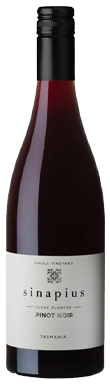

This mesmerisingly textural, slow-burn Chardonnay unravels layer upon layer of wild flowers, dried honey, fennel seed, oyster shell and sourdough, with ripe lemon and white...
2021
SinapiusPipers River

The Wine Society, The Society's Exhibition Chardonnay, East Coast, Tasmania, Australia, 2021
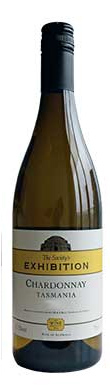
Rich, creamy white peach and juicy pineapple, with an elegant line thanks to a ripe but relentless seam of grapefruity acidity. Judicious oak (mostly older)...
2021
The Wine SocietyEast Coast
Freycinet Vineyard, Riesling, East Coast, Tasmania, Australia, 2020
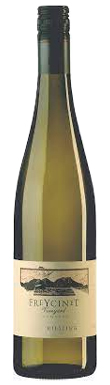
Delicate floral notes and a trace of laurel and oyster shell to the nose and lime-driven dry palate. Ripe, rolling, all-natural acidity reflects Radenti’s preference...
2020
Freycinet VineyardEast Coast
Stefano Lubiana, Riesling, Derwent Valley, Tasmania, Australia, 2020
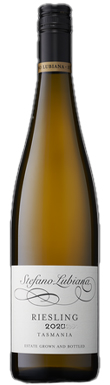
A nuanced, gently off-dry Riesling, with intriguing, flinty minerality and lime blossom/kaffir lime leaf detail to its firm lime-fruited palate. Sleek but well-structured, 50% of...
2020
Stefano LubianaDerwent Valley
Stoney Rise, Chardonnay, Tamar Valley, Tasmania, Australia, 2022
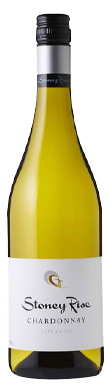
Marked salinity and a lick of nectarine skin add piquancy to the elegant, just-ripe apple, peach and apricot fruit. Ripe grapefruit acidity makes for a...
2022
Stoney RiseTamar Valley
Stargazer, Riesling, Coal River Valley, Tasmania, Australia, 2022
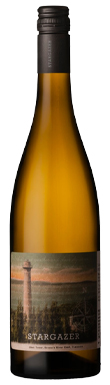
Rounder and more textural than the norm, but with youthful crystalline purity to the Meyer lemon fruit and a firm acid backbone to balance the...
2022
StargazerCoal River Valley
Stargazer, Tupelo, Coal River Valley, Tasmania, Australia, 2022
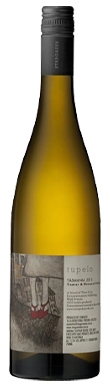
Pinot Gris’ gently honeyed, fleshy pear brings body, ripeness and power to this harmonious, foudre-aged Edelzwicker-style blend of Alsace white varieties. All four grapes underwent...
2022
StargazerCoal River Valley
Stefano Lubiana, Primavera Chardonnay, Derwent Valley, Tasmania, Australia, 2021
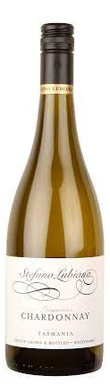
Lovely clarity and mouth-sluicing acidity to its crunchy Golden Delicious apple and ripe grapefruit palate. You would never guess it underwent 100% malolactic fermentation! Light...
2021
Stefano LubianaDerwent Valley
Ghost Rock, Riesling, North West, Tasmania, Australia, 2022
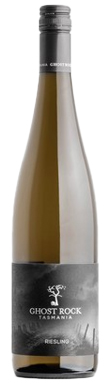
Youthfully zingy, like sucking a lemon with its lip-smacking acidity. Sorbet-like crab apple purity and creaminess from time on lees. A small proportion (two barrels’...
2022
Ghost RockNorth West
Chatto Wines, Intrigue, Huon Valley, Tasmania, Australia, 2021
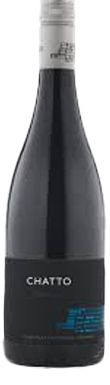
With lithe blue, red and black fruits and rising chamois tannins - not an aggressive bone in its body - this gorgeous, deep-scented Pinot from...
2021
Chatto WinesHuon Valley
Stoney Rise, Holyman, Project X Pinot Noir, Tamar Valley, Tasmania, Australia, 2019
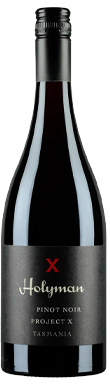
Built for the long haul, a cooler 0.8ha block named Boris planted in 1986 produces this restrained, well-structured, 100% whole-bunch-fermented Pinot. From an outstanding vintage...
2019
Stoney RiseTamar Valley
Stoney Rise, Holyman, Pinot Noir, Tamar Valley, Tasmania, Australia, 2021
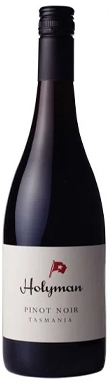
Tightly coiled, with translucent pomegranate fruit to match its ruby-stained glass hue. Pithy tannins pick away, anchoring and restraining the fruit; assertive, not aggressive. Locked...
2021
Stoney RiseTamar Valley
Sinapius, Close Planted Pinot Noir, Pipers River, Tasmania, Australia, 2021
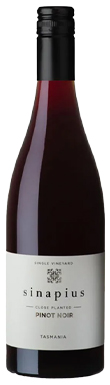
Live-wire, with parrying bright acidity, dynamic, charcuterie-inflected tannins and al dente redcurrant, red cherry and sour rhubarb fruit. Nowadays destemmed and fermented 100% whole berry,...
2021
SinapiusPipers River
Freycinet Vineyard, Pinot Noir, East Coast, Tasmania, Australia, 2020
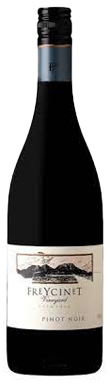
A brooding, robust and structured Pinot Noir, with an intriguing conifer and spicy tamarind edge to the concentrated ripe plum and dark cherry fruit. Pithy...
2020
Freycinet VineyardEast Coast
Stargazer, Rada, Tasmania, Australia, 2022
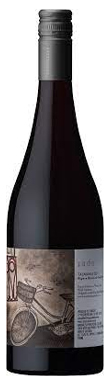
A delectably piquant, summery, innovative blend of Pinots Meunier and Noir. Translucent but vivid in bright pink hue and flavour, with lovely clarity and lift...
2022
Stargazer
Stefano Lubiana, Pinot Noir, Derwent Valley, Tasmania, Australia, 2020
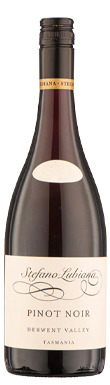
Silky tannins, supple strawberry and raspberry fruit and seamless acidity make for a fruity but lissom Pinot. With 30% whole bunch and 70% whole berry...
2020
Stefano LubianaDerwent Valley
Chatto Wines, Bird, Pipers River, Tasmania, Australia, 2021
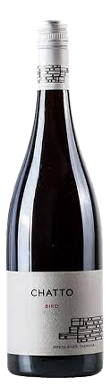
True to its name, this Pinot Noir soars. Fragrant, fresh and fleet of foot, with scintillating acidity, it reveals cinnamon and anise-scented red and black...
2021
Chatto WinesPipers River
Ghost Rock, La Filles Pinot Noir, North West, Tasmania, Australia, 2021
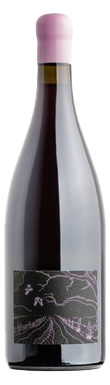
Gorgeous purity to the velvety plum and red cherry fruit, with complex cherry-stone nuances. Fresh acidity teases out the fruit, while fine, pithy, chamois tannins...
2021
Ghost RockNorth West
Sinapius, Esme Gamay, Pipers River, Tasmania, Australia, 2022
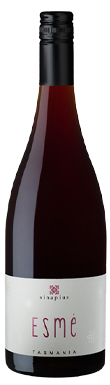
Leads with a spicy, cardamom-edged nose and palate. A gently buoying sheen of tannin and cleansing acidity bring translucency and levity to the vivid red...
2022
SinapiusPipers River
Chatto Wines, Lutruwita, Tasmania, Australia, 2021
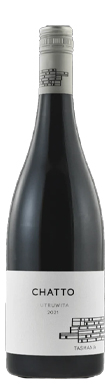
Pingy acidity and a riot of red and black fruits with savoury overtones makes for a vibrant Pinot Noir with charry barrel-ferment hints. Sourced from...
2021
Chatto Wines
Ghost Rock, Supernatural Pinot Noir, North West, Tasmania, Australia, 2022
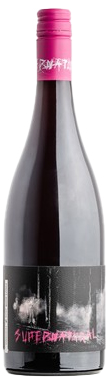
Bright, bouncy and aromatic with pink and white peppercorn riffs to its scented cream soda and strawberry nose. Raspberry chimes in louder on the palate....
2022
Ghost RockNorth West
