Tuscany’s best recent vintages plus the top wines to try
Each growing season seems to bring different but equally challenging conditions in Tuscany: it’s rarely easy. We explain how producers succeeded in the five most significant recent vintages, 2010, 2011, 2013, 2015 and 2016, and pick four standout wines from each to try.


The best Tuscan vintages are not always the easiest.
In 2010 there was a chance of real glory, but you needed to earn it right through a season seemingly laden with bear traps – life was easier for the perennially attentive producers able and willing to sacrifice crop for quality in order to capture 2010’s elegance, both in terms of fruit clarity and tannic finesse.
The follow-on 2011 was the difficult child, scolded by brutal Saharan heat just before harvest – a small crop required laborious selection, which the best producers handled with sweat and skill.
Tuscany 2013 can divide opinion, but it is a favourite of mine: wines with backbone, a sense of purpose and crystalline fruit expression.
Scroll down to see tasting notes and scores for Monty Waldin’s top four picks from five great recent Tuscan vintages
The final two vintages would be called ‘a pair’ in Bordeaux, almost as if in 2015 the oven had been turned up a notch too high, with 2016 providing a tempering correction.
The best 2015s are rich rather than dense, and the fruit needs time to unfold its full complexity.
2016 is the beautiful child, still in its infancy – the best vintage since 2004 (when I began spending much of my time in Tuscany), its joyful transparency is tempting now, but deceptively ageworthy.
Vintage breakdowns
2010
Tuscany’s best estates produced silky, saline wines with good acidity and finesse in 2010, similar to those from 2004. The best of these wines display mouthwatering clarity and are now coming into their prime.
A cold winter gave the vines a proper cool down after the previous year’s at times relentless heat. But a gloomy early spring with sporadic rain set nerves jangling, not least because the overcast conditions affected fruit-set. This reduced the potential crop – a worry at any time, but especially so in an era of heavy investment in vineyard replanting, and winery and agritourism upgrades.
Fortunately, the summer of 2010 was hot (if not exactly roasting), another slight worry for growers that in the end proved welcome for Tuscany’s flagship-but-fussy Sangiovese, a late-ripening grape that craves heat and light, but neither to excess.
Podere Forte’s Giovanni Mazzoni called 2010 ‘the equilibrium vintage’, and well-drilled vineyards, whether already established ones such as Castell’in Villa or (then) relatively new ones like Podere Forte, made wines of real transparency.
Yet Giampiero Pazzaglia of Grattamacco notes that ‘grape yield management was crucial in 2010’.
Overloaded and over-leafy vines with shaded fruit risked rotten, burst or diluted grapes and flavours, limiting potential for bottle ageing.The harvest brought bouts of both rain and sun and thus a risk of more rot, but slow ripening did make picking only the ripe and clean eminently feasible.
Capezzana in Carmignano, which was in the throes of a welcome quality revolution, patiently picked Merlot and Cabernet grapes a month apart for optimum ripeness, cool-fermenting them to showcase 2010’s engaging, ethereal style.
2011
Tuscany produced near-identical numbers of bottles in 2010 and 2011, but their respective contents were anything but: 2011 is a somewhat idiosyncratic vintage for Tuscany.
The best reds were engaging, exuberant, fluid and smooth almost straight out of the box. Such easygoing immediacy is not generally part of Tuscany’s red wine playbook. But 2011 is less evenly ripe compared to 2010, despite it often having been hotter.
A combination of badly timed rain events, followed by suffocating blasts of Saharan winds before harvest, created uneven bunch ripeness, requiring fiddly, costly grape selection. Vines on airy, humus-rich soils seem to have fared best in avoiding water-logging, heat stress, or both.
At San Polino in Montalcino, Katia Nussbaum and Luigi Fabbro encourage forest floor-like ecology, whereby vine roots get the nutrients they need while giving enough back to sustain the soil microbe providers. A similar science-based but natural approach is taken by Stefano Amerighi and his eponymous estate in Cortona, where he grows Syrah.
Amerighi brought the harvest forward, and was then kept busy fermenting 25 separate lots, averaging 400 bottles from each before stitching them all together like a bespoke jacket with myriad fine threads.
Paolo de Marchi of Isole e Olena in Chianti Classico also brought the harvest forward for his 100% Sangiovese SuperTuscan flagship Cepparello, to maintain freshness.
The heat was less problematic in the Chianti Rùfina DOCG, in north Tuscany’s cool Apennine mountains, for Enrico Lippi of Frascole. ‘Controlling the sun’s effect in bright areas like ours means knowing which and how many leaves individual vines need for shade and sugar creation,’ he says.
‘To get this combination of perfectly ripe tannins and perfectly ripe fruit even in a normal year is rare. So to get this, post-climate change, makes 2016 really very notable’ – Andrea Lonardi, Val di Suga
2013
The 2013 vintage started wet and ended up a late show after a run of precocious, torrid, climate change-affected harvests.
Francesco Galgani of Cappella Sant’Andrea in San Gimignano (of Vernaccia white wine fame) says: ‘2013’s cooler season made it a great white vintage for us, but the Chianti Colli Senesi DOCG reds also show mouthwatering precision and refinement for drinking in the medium term.’
A short drive east, in Radda in Chianti, is Zonin 1821’s Castello di Albola. Its 2013 vintage was influenced by the advice of the late professor Denis Dubourdieu, a globally renowned and respected academic and wine-grower from Bordeaux.
Alessandro Gallo, Castello di Albola’s winemaker, says: ‘We’d already adopted lighter-touch oak ageing, switching from barrels to much larger oak vats. They make sense here, at the limit of where Sangiovese can still ripen fully. Knowing the precise moment to pick, especially in cooler years, allows winemaking that can be more creative yet absolutely traditional. Denis Dubourdieu said the common mistake is to try to extract something in the grape – colour or tannins – which is not there to begin with.’
In Montalcino, smaller estates such as Capanna di Cencioni, or those with plentiful pickers, had an easier time.
My favourite 2013 wines have delicate, crisp, clean, ripe fruit with smooth, sophisticated tannins. These wines are more diverting and have fresher acidity compared to the brasher 2012s.
Beppe Rigoli’s Fattoria Ambra fulfils my organoleptic wish list with his classically constructed Montalbiolo Riserva Carmignano, made from wine’s equivalent of both denim and silk: smooth yet robust, with zippy appeal.
2015
As Mother Nature scrupulously recalibrated after 2014’s near torrential washout, 2015 was very sunny, hot and dry in Tuscany.
The region’s best 2015 reds were unusually expressive: soft and easy to enjoy yet well built.
The Chianti Classicos were mouthwatering and especially juicy from cooler, higher-altitude estates such as Monteraponi (420m-570m), where streams and forests provide grapes with natural, biodiverse forms of air-conditioning. Monteraponi’s owner Michele Braganti ferments his wines with naturally occurring vineyard yeasts. ‘It is straightforward with juice from balanced vines, less so with heat-stressed ones,’ he explains.
The founders of Montecivoli, an organic-from-scratch vineyard in Scansano on the sun-bathed Tuscan coast, had already planned for hotter vintages when planting in 1999. They eschewed irrigation systems for their now mature Sangiovese vines to develop coping skills for hotter, brighter, drier conditions.
Further north up the coast is Duemani, or ‘two hands’ – those of Elena Celli, whose background is the fashion industry, and Luca D’Attoma, an internationally known wine-growing and winemaking consultant. Their vineyard is rare, having been biodynamically farmed from day one. ‘We see the mainly plant-based biodynamic treatments as both a quality tool and a buffer against climate change, which is making drought and downpours more severe,’ they say.
Sebastiano Cossia Castiglioni of Querciabella in Greve in Chianti links climate change with poor animal welfare, so applies vegan principles to his Chianti Classico and SuperTuscan vineyards in Greve in Chianti. One other key debate is whether Tuscany’s follow-up 2016 vintage is even better than 2015. I think it is…
2016
The 2016 reds combine 2015’s hedonism, 2010’s finesse and a rare crystalline fruit expression all of their own. The best are unputdownable.
In the Maremma on the Tuscan coast, Elena Pozzolini of Tenuta Sette Cieli got some much-needed winter rain and stress-free vines in the summer, with no heat spikes. ‘Hot days and cool nights meant that being patient rewarded us with really good skin ripeness in the Cabernet Franc for our Scipio,’ she says. ‘We could leave the new wine on the grape skins for longer than normal. There was zero risk of herbaceous flavours.’
Further inland, Virginie Saverys of Avignonesi also had some welcome spring rain, while the run-up to harvest brought ‘weeks of gorgeous weather with high temperature differences between night and day, which made for bright, appetising wines’, resulting in ‘a great vintage’.
Paolo de Marchi called 2016 ‘cool, just perfect. You just had to be patient and wait for the tannins to ripen’. This was a policy clearly also adopted by other quality-minded estates, such as ColleMassari, further south in Montecucco.
Livewire winemaker Andrea Lonardi of Val di Suga in Montalcino sums up why 2016 was so special: ‘It was a cooler vintage in which vines, in particular Sangiovese, produced perfectly ripe tannins and perfectly ripe fruit,’ he says. ‘To get this combination even in a normal year is rare. Tannin and ripeness don’t automatically go in tandem, so to get this, post-climate change, makes 2016 really very notable.’
As 2015 and 2016 mature in bottle, the 2015s will likely show balsamic notes and drier tannins, whereas the 2016s should show fresher, fruitier and clearer notes.
Waldin’s pick: Four standout wines from each vintage to try
You may also like
Five Tuscan vintages to drink nowNew Chianti Classico releases: top scorers and best-value picksBest Chianti Classico Riserva 2018 plus late releasesBest Chianti Classico Gran Selezione 2018 plus late releasesChianti Classico 2019 plus late releases
Podere Forte, Petrucci, Orcia, Tuscany, Italy, 2010
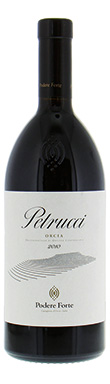

Perfectionist Pasquale Forte has created a pulsating oasis of biodiversity in Tuscany’s own Garden of Eden, the Orcia Valley. His shiny, silky reds were especially subtle in the light-and-shade 2010, a vintage that rewarded the super-attentive, precise husbandry and winemaking practised here.
2010
Podere ForteOrcia

Castell’in Villa, Chianti Classico, Tuscany, Italy, 2010
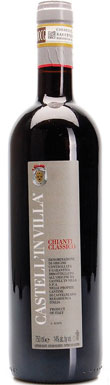
A model 2010 Chianti Classico Riserva that is sophisticated, accessible, moreish and unputdownable. This wine’s intricate texture reflects a weave of soils: warm solid stones for depth, flaky mineral-laden schist for salty-silkiness, and cool, clayey chalk for crunchy umami. Farming and fermenting these elements individually is vinous craftsmanship at its best.
2010
Castell’in VillaChianti Classico
Grattamacco, Bolgheri, Superiore, Tuscany, Italy, 2010
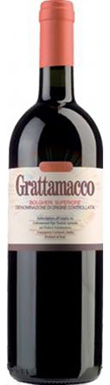
A SuperTuscan whose precise fruit (a blend of Cabernet Sauvignon, Merlot and Sangiovese) avoids being overblown and has the confidence to accommodate a fully intended, robust Bordeaux-esque backbone. Beautifully layered fruits are unimpeded by judicious oak in a midweight organic wine that could so easily have been forced into Bolgheri blockbuster territory. But it’s a beauty, not a beast.
2010
GrattamaccoBolgheri
Capezzana, Villa di Capezzana 10 Anni, Carmignano, Tuscany, Italy, 2010
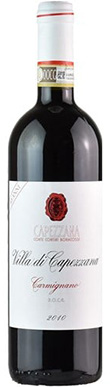
Tenuta di Capezzana has a winemaking history that dates back to 1920, and this 2010 signalled a more forward-thinking, clearer approach. Careful vineyard selection during a lengthy harvest allowed more creative winemaking – in the case of this Sangiovese-Cabernet blend, deliberately cool, slow ferments in open-top barrels and vats, which showcased 2010’s soft transparency.
2010
CapezzanaCarmignano
Isole e Olena, Cepparello, Tuscany, Italy, 2011
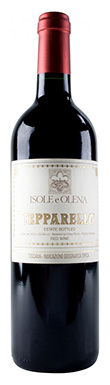
In an era of climatic surprises, rock-steady leaders such as Paolo de Marchi nurture vines to keep calm and carry on. While categorised as a SuperTuscan, his Cepparello is no Italy-Bordeaux hybrid but a thoroughbred Tuscan 100% Sangiovese. Its breezy drinkability derives from wholesome fruit, the accessibly fluid texture of which eloquently reflects 2011’s vicissitudes. 20 months in mainly French oak, up to 30% new.
2011
Isole e Olena
San Polino, Helichrysum, Brunello di Montalcino, Tuscany, Italy, 2011
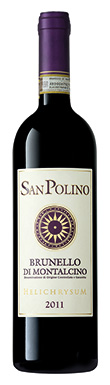
A bold, beautifully bright Brunello built on principles prioritising environmental harmony. Lees stirring during oak ageing preserves the fresh richness and clarity of the fruit. Texturally it has a smooth, tannic keel, leaving in its wake generous layers of appetising fruit. If this is Brunello’s future,count me in.
2011
San PolinoBrunello di Montalcino
Stefano Amerighi, Cortona, Tuscany, Italy, 2011
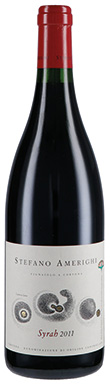
Stefano Amerighi is the perfect example of why the best natural wines derive from intervention in the best sense: guiding occasionally rather than constantly trying to pervert vines’ natural cycles. This unique biodynamic Syrah combines juicy red fruit with underlying salinity allied to an avant-garde precision in how fruit and barrel oak combine. Partly foot-pressed, 60% of the wine was aged in tonneaux and 40% in concrete for 18 months.
2011
Stefano Amerighi
Frascole, Chianti, Rufina, Tuscany, Italy, 2011
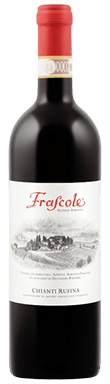
A crystalline, organic Sangiovese from north Tuscany’s alpine foothills, its natural crunch tempered by a dash of a heritage strain of the super-soft Colorino, laden with moreish fruit and colour. The wine is fermented and aged in old oak, allowing the fruit-fest’s refined inner brightness to dazzle above any oaky vanilla shade. Spent 12 months in 225L barrels and 350L tonneaux.
2011
FrascoleChianti
Ambra, Le Vigne Alte Montalbiolo Riserva, Carmignano, Tuscany, Italy, 2013
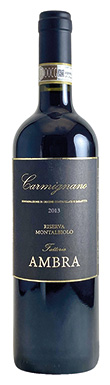
This site-specific bottling (Sangiovese with a touch of Canaiolo Nero and Cabernet Sauvignon) from soft schist and sandstone expresses its autumnal red fruit notes softly and clearly. The dry soil produces a juicy wine with a textural weave that’s inviting and clear in a vintage perfect for Rigoli’s methodology.
2013
AmbraCarmignano
Castello di Albola, Chianti Classico, Tuscany, Italy, 2013
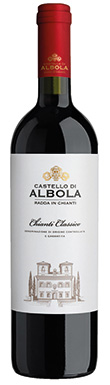
Castello di Albola lies in Chianti Classico’s bright, cool, high hills. This is captured more in the texture of the wine, whose ergonomically slim tannins are nicely in the background, helpfully rounded by light oak ageing, leaving Sangiovese’s delicate aromatics and flavours to shine.
2013
Castello di AlbolaChianti Classico
Capanna, Brunello di Montalcino, Tuscany, Italy, 2013
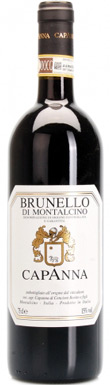
A classic Montalcino Riserva from a classic vintage, made by one of the region’s historic, traditional but forward-thinking families. Here the Sangiovese gets its smooth texture from being grown on the well-drained soils of the Montosoli hill and its freshness from relatively cool harvest-time nights. It spends 42 months in Slavonian oak casks and vats. An understated classic.
2013
CapannaBrunello di Montalcino
Cappella Sant’Andrea, Arciduca, Chianti, Colli Senesi, Tuscany, Italy, 2013
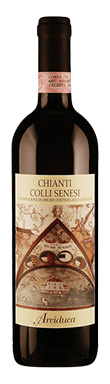
Described by the owners as a real ‘Toscanaccio’, meaning a very traditional red with good acidity. Originating from clay soils, Arciduca ages well in the short to medium term, so this 2013 is reaching its peak. Its engaging soft red fruit flavours are still bright above a savoury, nuanced, slowly melting core.
2013
Cappella Sant’AndreaChianti
Duemani, Cabernet Franc, Toscana, Costa, Tuscany, Italy, 2015
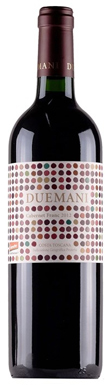
It is very rare to get a fully ripe Cabernet Franc that shows absolutely clear fruit expression with no herbaceous notes allied to really fine-textured silky depth. A savoury feel adds to its easy enjoyability and makes it versatile at the table, with or without food. A smooth red with plenty of bottle life ahead.
2015
DuemaniToscana
Montecivoli, Morellino di Scansano, Tuscany, Italy, 2015
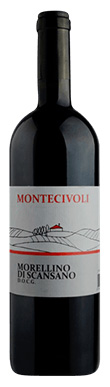
A bold, generously proportioned, organic Morellino di Scansano that leaves you in no doubt that it comes from robust, all-weather vines, such is the weight and intensity of the fruit. This is on the darker side of Sangiovese’s usual spectrum, irrespective of the presence of a dash of Alicante Bouschet.
2015
Montecivoli
Monteraponi, Il Campitello Riserva, Chianti Classico, Tuscany, Italy, 2015
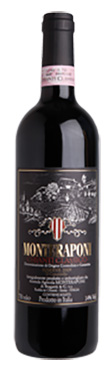
Michele Braganti’s Sangiovese vines in the high, chilly forests of Radda regaled themselves in 2015’s summer sweat. The red fruit is wild, mouthwatering, lively and calmly expressive, unburdened by obvious oak, enabling its bright fruit to shine. Like a 1950s throwback, this is wine as sustenance for both body and soul. Organic.
2015
MonteraponiChianti Classico
Avignonesi, Poggetto di Sopra, Vino Nobile di Montepulciano, Tuscany, Italy, 2016
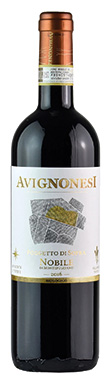
Virginie Saverys and Max Zarobe reset Montepulciano’s most famous name, Avignonesi, having bought it outright in 2009. This beautifully constructed, site-specific Sangiovese is juicy and smooth, its textural richness showcasing Vino Nobile’s intrinsic generosity without letting it become confused and burdensome as before.
2016
AvignonesiVino Nobile di Montepulciano
Val di Suga, Poggio al Granchio, Brunello di Montalcino, Tuscany, Italy, 2016
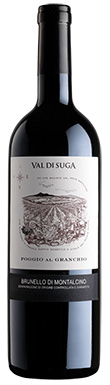
The Poggio al Granchio vineyard lies on schistous or ‘galestro’ soil, which accounts for this Brunello’s iron-tinged, meaty succulence. The tannins have an engaging thickness, plumping up the fruit without colonising it, allowing the flinty flavours typical of this vineyard full play.
2016
Val di SugaBrunello di Montalcino
Collemassari, Poggio Lombrone, Montecucco, Tuscany, Italy, 2016
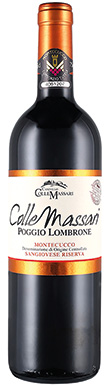
ColleMassari’s flagship 100% Sangiovese bottling is from Mt Amiata, overlooking Montalcino. Poggio Lombrone has not dissimilar weight to Montalcino’s Brunellos, but with a more tangy, playful juiciness. Its underlying depth has an airy quality as if the fruit were constructed with honeycomb-like layers. Smooth, memorable and enjoyable.
2016
CollemassariMontecucco
Tenuta Sette Cieli, Scipio, Toscana, Tuscany, Italy, 2016
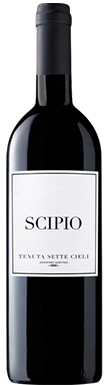
The 2016 Scipio combines leafy Cabernet Franc and breezy coastal Tuscany with great results. It has a delicious nose of black fruits, damp earth, a touch of dark chocolate and herbal scents, even a touch of seaweed. In the mouth it has plenty of intensity, polish, focus and grip. A stony quality tightens up the palate as it corkscrews through the core of black fruits, while currants, raspberry, chocolate, herbs and raspberry leaf dance around. There's a splash of coffee and peppery spice at the end and although it's a touch dry on the finish at present, it features persistent fresh acidity. More red fruit character and better integration of the tannins than the 2017, although this still needs time.
2016
Tenuta Sette CieliToscana
