
Zweigelt homeland: Neusiedlersee DAC regional profile and wines to try
From quaffable fruity reds to seriously structured ‘reserves’, find some of the most diverse expressions of Austrian Zweigelts in the sunny lakeside region of Neusiedlersee in Burgenland.


The region by the lake
Located on the northeastern tip of Burgenland, southeast Austria, the Neusiedlersee region borders the ‘Lake Neusiedl’ to the west, with Slovenia and Hungary to the east.
The first record to today’s Neusiedlersee, which covers a part of the political district ‘Neusiedl am See’, can be traced back to 1074 when it was under the Hungarian name ‘Stagnum Ferteu’.
Scroll down to see tasting notes and scores for 14 Neusiedlersee wines worth seeking out
Through the centuries, there have been multiple attempts to drain Lake Neusiedl to create farmland.
The borderline of the lake, therefore, receded significantly inland. The extension of the lake played a crucial role in shaping the soil of the region, especially the ‘Neusiedlersee-Seewinkel’ sub-area (see map), which used to be underwater.

Facts about Neusiedlersee*
· Plantings: 6,700ha. 51% the total of Burgenland
· Key varieties: 51% white and 49% red.
Red: 24% Zweigelt, 9.3% Blaufränkisch, 4.2% St Laurent
White: 11.1% Welschriesling, 10.4% Grüner Veltliner, 6.6% Chardonnay, 4.7% Weissburgunder
· Soil: Silty-sandy, quartz-rich gravel, overlain by loam
· Sub-regions:
– North: Neusiedlersee-Wagram. Average altitude ~160m
– South east: Neusiedlersee-Heideboden. Average altitude ~ 120m
– South west by the lake: Neusiedlersee-Seewinkel. Average altitude ~ 120m
· Key viticultural towns: Gols, Mönchhof, Halbturn, Podersdorf, Frauenkirchen, Illmitz, Apetlon, Andau.
· DAC/DAC Reserve: Established in 2012 for single varietal Zweigelt. From 2020 it also covers sweet white wines (Beerenauslese and Trockenbeerenauslese as ‘Reserve’).
*Source: Neusiedlersee DAC, Geological Survey of Austria, Wine Austria
Location and climate
As one of the sunniest spots in Austria, Neusiedlersee enjoys over 300 days of sunshine per year.
Blessed by its natural beauty, the lakeside region was awarded World Heritage sites status by UNESCO in 2001.

At the heart of the ‘Pannonian’ climate zone, Neusiedlersee enjoys hot, dry summers and cold, snowless winters, allowing red wine grapes to ripen fully with condensed flavours.
Compared to Leithaberg DAC on the west bank of Lake Neusiedl, the moderating effect of the lake is more apparent in Neusiedlersee, as the wind blows north-westernly.
The lake’s large water surface, combined with small to medium-sized salt and soda basins dotted in the southern part of the region, ensures cooling nights so the grapes can retain a good level of acidity.
Meanwhile, the region’s foggy autumns encourage the development of noble rot, nurturing a range of premium sweet whites that have put the Seewinkel subregion on the map.
However, what truly makes the Neusiedlersee region special is its natural water source.
‘The composition of the groundwater is quite unique,’ said Torsten Aumüller, managing director of Neusiedlersee DAC, ‘(There is) a high content of Graubensalz (Na₂SO₄), Kochsalz (NaCl) and especially Speisesoda (NaHCO₃), which favours the development of alcaic salt & soda basins – especially in the Neusiedlersee-Seewinkel sub-area.’
The groundwater differs from other regions because of the underground mineral water lake, added Aumüller. The underground lake, discovered by the locals in 1955, is the biggest of its kind in central Europe (250km2).
‘On the ground surface, Lake Neusiedl is also a salt-bearing lake, with 1/20 of the salinity of the Mediterranean sea.’
The salinity in water is believed to be linked to the slight salty tone in wines produced in the area, according to the regional body.
The Zweigelt homeland
In 2012, the Neusiedlersee DAC (Districtus Austriae Controllatus) was established for single-varietal red wines made from the Zweigelt grape variety.
A ‘Reserve’ category was also set up to merit those with over 18 months of ageing in oak (large or small).

As with the DAC, Zweigelt is also relatively ‘young’ in the wine world.
The red grape, then named ‘Rotburger’, was created by Dr Fritz Zweigelt in 1922 by crossing Blaufrankisch and St. Laurent.
Half a century later, it was renamed after its creator and gradually became the most widely planted red wine grape in Austria.
Now the country has 6,426ha of the versatile red grape, accounting for 13.8% of Austria’s total land under vines.
Burgenland and Niederösterreich (Lower Austria) hold the highest concentration of plantings.
Zweigelt certainly adapts well to the sunny lakeside region, responsible for opulent single-varietal reds of violet colour, spiced black cherry fruits, soft tannins and a fine line of acidity.
With more quality-centric winemaking and extended ageing, with or without the use of oak, it can also put on more muscles and complexity.
The fruity red is also a common blending partner to local and international varieties.
Different from other Zweigelt strongholds such as Carnuntum DAC of lower Austria and Rosalia DAC of Burgenland, Neusiedlersee DAC tends to merit ‘darker, sweeter and mellow’ fruit flavours, said Aumüller.
Top sites and producers
Besides premium sweet whites ranging from Spätlese to noble rot versions, the still-youthful DAC is keen to establish a specialist reputation for Zweigelt.
‘Starting with around 56 winemakers in 2012 (first vintage 2011), now there are more than 110 winemakers producing, bottling and promoting Zweigelt as Neusiedlersee DAC and/or Neusiedlersee DAC Reserve,’ according to the regional body.
Following a national drive to identify the top terroirs for Austria’s signature varieties such as Grüner Veltliner, producers in Neusiedlersee DAC are also in constant search for the best single vineyards (marked on the label as ‘Ried’) for Zweigelt.
‘I like very much Ried Ungerberg, a site between Weiden am See and Gols,’ said Dirceu Vianna Junior MW.
‘Another site, also in Gols, that is historically well known and has great potential is Ried Salzberg.’
‘Ried Königswiese in Mönchhof will surprise most people as the topsoil is reminiscent of some of the vineyards we see in Châteauneuf du Pape. It is completely covered with large round stones, although these are a little smaller in Austria. These wines can be powerful, full-bodied, display lovely texture, balancing freshness and have the potential to age gracefully.’
5 Neusiedlersee producers to watch
Dirceu Vianna Junior MW’s top picks:
· Franz Schneider (Artisan Wines)
· Markus Iro
· Christoph Salzl (Salzl Seewinkelhof)
· Markus Lentsch (Lentsch)
· Georg Preisinger
Why is Neusiedlersee DAC worth exploring now?
‘This area has the capability to be recognised as one of the important areas for red wine production in Austria,’ said the MW.
‘It has been historically shunned by critics and in my opinion, it has not been given necessary credit for the quality of its wine. I love the diversity the region can offer. Zweigelt from this area has the potential to become the New Gruner Veltliner story. The variety can make soft and easy-drinking wines for early drinking; it can make serious reds that are age-worthy and perform well in blends.’
See tasting notes and scores for 14 Neusiedlersee wines worth seeking out
Also read:
Austrian Erste Lagen new releases: Top wines reviewed
Austrian dry Riesling: Expert’s choice
Hannes Reeh, Reehbellion Zweigelt Sparkling, Neusiedlersee, Burgenland, Austria
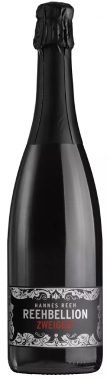
88
Flint, bubblegum, red berries and banana on the nose, this is a simple, quaffable carbonated red made with Zweigelt. Lightly sweet (22.0 g/l Residual sugar), it has a juicy palate of sour cherry and cranberry juice, fresh acidity at 6g/l making the 13.5% alcohol almost not detectable. A touch of tannin is felt on the gum after the pink bubbles disappear.
Hannes Reeh
Allacher Vinum Pannonia, Weissburgunder, Neusiedlersee, Burgenland, Austria, 2020
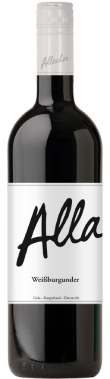
88
A simple and linear Weissburgunder (Pinot Blanc) featuring peach can, citrus, preserved orange on the nose, followed by a palate of blood orange, green apple, lemon zest and white pepper spices, balanced by a decent level of acidity. The crushed juice has been macerated at 15◦C for 4 hours before being fermented in stainless steel tank for two weeks.
2020
Allacher Vinum Pannonia
Kummer Weine, Grüner Veltliner, Neusiedlersee, Burgenland, Austria, 2020
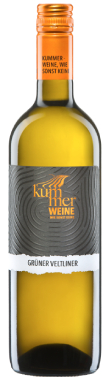
89
Sourced from 30-year-old vines, it has green apple and lemon on the nose with grassy freshness, the crunchy green apple and lime lingers on to the palate, spiced by white pepper and grapefruit peel bitterness. It has been fermented and aged in stainless steel tank, including 3 months on lees.
2020
Kummer Weine
Georg Preisinger, Ried Ungerberg Blaufränkisch, Neusiedlersee, Burgenland, Austria, 2017
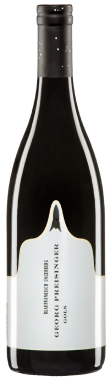
89
Pure and elegant example of Blaufränkisch displaying seductive and graceful aromas of ripe cherries, dark plums and blackberry jam. On the palate its attractive fruit is underpinned by round tannins and vibrant freshness. It is soft and juicy with moderate concentration of fruit and attractive savoury complexity.
2017
Georg Preisinger
Markus Iro, Ried Herrschaftswald St. Laurent, Neusiedlersee, Burgenland, Austria, 2019
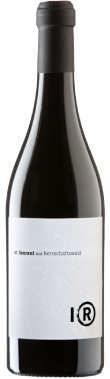
90
Aged in 100% new French oak for 300 days, this St. Laurent features black pepper, vanilla and wood on top of smoked dark cherry, cassis and sweet spices. Elegant acidity strikes on the palate while the smokiness comes through to juicy black cherries and prunes, dusted by wood spices. Tannins are ripe and soft, followed by a long, prune and black coffee finish. The fruits are sourced from a low yield, 20-year-old vineyard.
2019
Markus Iro
Hannes Reeh, Zweigelt, DAC, Neusiedlersee, Burgenland, Austria, 2019
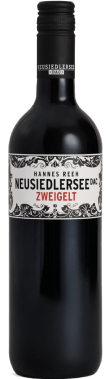
90
Hand-harvested from 25 year-old vines, with no oak influence at all, the Zweigelt by Hanners Reeh is purple hued with preserved dark and red plum, cherries, dates on the nose. Juicy dark fruits, milk chocolate and plums on the palate, with chalky tannins and a good level of acidity to provide a lift. Powdered cocoa notes follow to a delicious finish.
2019
Hannes Reeh
Lentsch, Ried Seeweingarten Zweigelt, DAC Reserve, Neusiedlersee, Burgenland, Austria, 2017
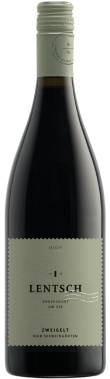
90
Vanilla, Raisin and figs, with a backdrop of blueberry, hedgerow and black spices including star anise and black pepper. Juicy dark cherry fruits and cassis on the palate, with good acidity to refresh. 18 months of aging in 100% new French barrels gave the wine plenty of cedar, tobacco leaves and vanilla wood that support the ripe fruits well.
2017
Lentsch
Gebrüder Nittnaus, Ried Luckenwald, DAC Reserve, Neusiedlersee, Burgenland, Austria, 2018
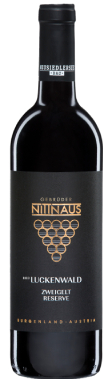
91
2018 has been one of the warmest vintages the region has ever had, and this Zweigelt is produced from Ried Luckenwald, one of the top sites for the grape. Sweet vanilla spices over a rich nose of black cherry, dark plums, tobacco and sweet spices. Bright red currant, blueberry and dark cherries on the palate, with a dark coffee-like texture. The Zweigelt was aged in 30% new French and American oak for 12 months. The tannins are masculine but ripe. Dark prunes lingers on to a warming finish.
2018
Gebrüder Nittnaus
Salzl Seewinkelhof, Zweigelt, DAC, Neusiedlersee, Burgenland, Austria, 2019
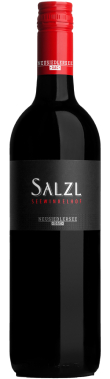
91
Cherry cans, smoked prunes and a touch of soy sauce on the nose, followed by a savoury palate of salted plum, black cherry and liquorice spices. Partially aged in small used barrels, it has plenty of elegance and velvety tannins. Black coffee and dates linger on, morish and delicious. A good-value single varietal Zweigelt that well-demonstrates the potential of this grape.
2019
Salzl Seewinkelhof
Weingut Pöckl, Admiral, Neusiedlersee, Burgenland, Austria, 2017
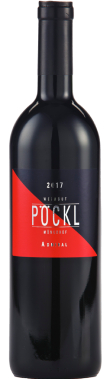

A blend of Zweigelt and the Bordeaux duo, the 2017 Admiral is dark-coloured with a nose of preserved fruits, soy sauce on top of dark...
2017
Weingut Pöckl

Artisan Wines, Zweigelt, DAC Reserve, Neusiedlersee, Burgenland, Austria, 2018
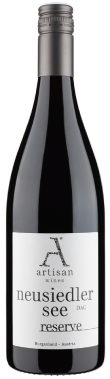
92
Hand-picked from 50-year-old vines planted on gravel, the 'reserve' Zweigelt was fermented in open vats, then matured in new and used barriques for 23 months. A spiced nose of nutmeg, star anise, cocoa and vanilla, backed by sour cherry and prunes. The palate is concentrated, rich in sour cherry and blueberry fruits, spiced by black coffee and dark chocolate, with tea-like austerity.
2018
Artisan Wines
Keringer Massiv Wines, Cuvée Massiv, Neusiedlersee, Burgenland, Austria, 2015
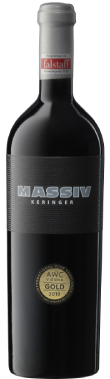
As the top wine of the producer, this is indeed a 'massive' red blend of Blaufränkisch, Rathay, Zweigelt, Merlot and Cabernet Sauvignon which has been...
2015
Keringer Massiv Wines
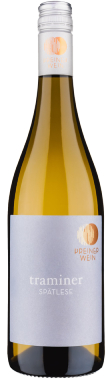
Preiner Wein, Traminer Spätlese, Neusiedlersee, Burgenland, Austria, 2020
91
The Traminer Spätlese has an aromatic nose of jasmine, camomile, lychee and mint. Made by cooling to stop fermentation at 63 g/l of sugar, it has a sweet palate of ripe yellow apple and citrus fruits, with good level of acidity and tangerine peel bitterness to balance, followed by a hint of nut on the finish.
2020
Preiner Wein
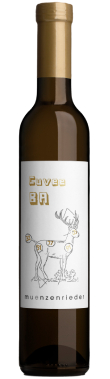
Münzenrieder Johannes, Cuvee Beerenauslese, Neusiedlersee, Burgenland, Austria, 2017
92
The BA is composed of Welschriesling, Sämling (Scheurebe) and a splash of Gruner. Golden coloured, with plenty of orange blossom, dried apricot, marmalade, mango and waxy botrytis on the nose. Honeyed and rich on the palate due to 152g/l of residual sugar, it has plenty of yellow apple, apricot fruits but a good level of acidity (6.8g/l) to provide a lift. Great value at 9 Euros (ex-cellar) per bottle.
2017
Münzenrieder Johannes
