The craft of casks: From wine to whisky
Distilleries around the world are working with local wine producers to source used barrels that add local flavour to their whiskies – often with other unexpected benefits too. From SuperTuscans to Willamette Valley Pinot Noir, the quest for casks is bringing winemakers and distillers together.

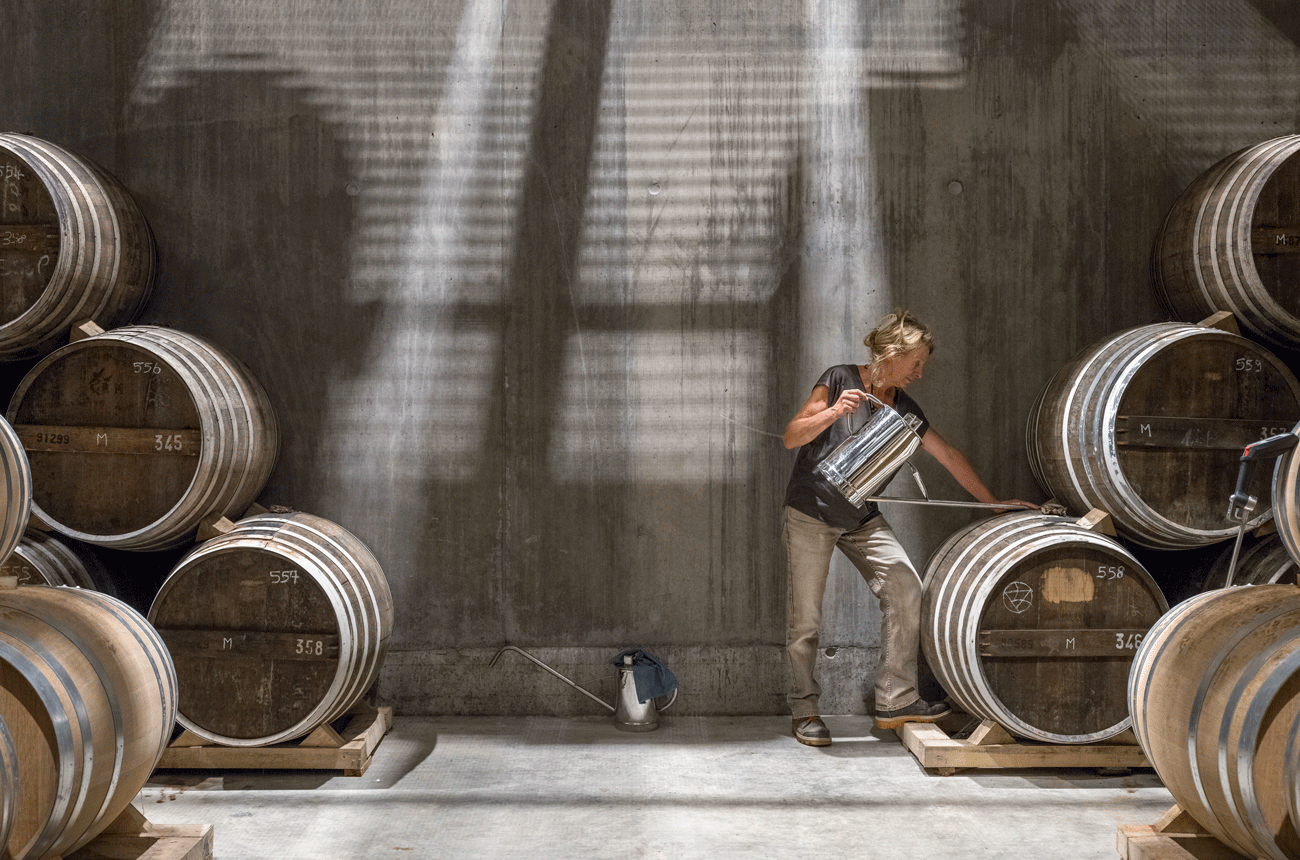
The practice of maturing and finishing whisky in wine barrels is nothing new. From stories of tumbling Sherry casks on Leith docks in the 19th century to the commercial hit of Balvenie DoubleWood in the 1990s, its history is rich and as varied as its success.
As whisky-makers refine the delicate balance of wine-cask ageing, those in wine producing regions can work closely with local wineries to source casks. Are there benefits to this and does it represent a further surge towards embracing the concept of terroir in whisky?
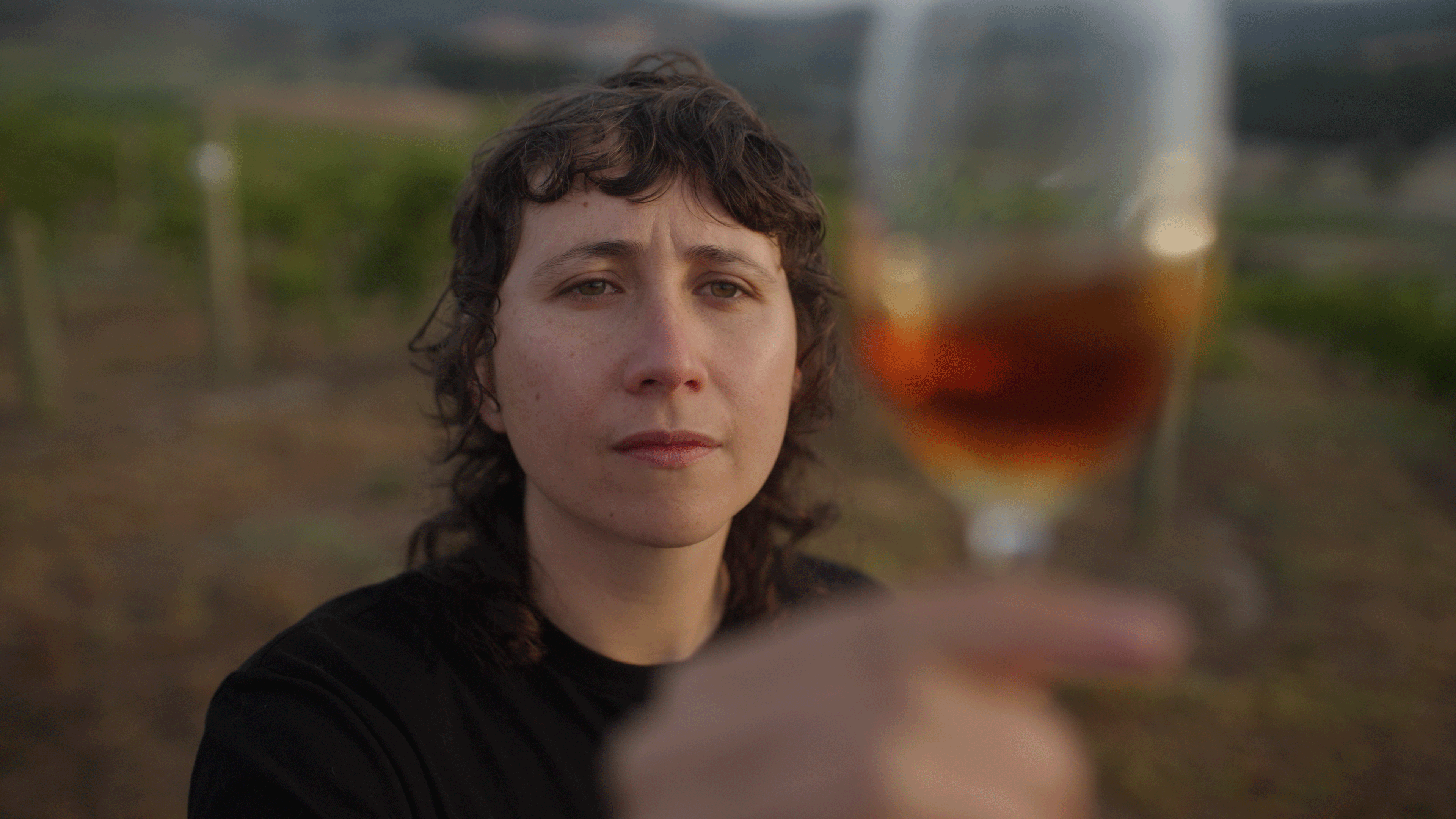
Carlie Dyer, head distiller at Australia's Starward Distillery
Local flavour
Fewer miles covered between emptying and filling can limit environmental impact. At Starward Distillery near Melbourne, the malt is grown a one-hour drive away and as low impact an approach as possible is taken. Using local wine casks is a natural next step.
Head distiller, Carlie Dyer says: ‘We wanted to make an authentic Australian whisky and the best way to do that was to connect with our own wine industry to source casks instead of importing bourbon and Sherry casks from overseas.’
Wine cask maturation now makes up 90% of Starward’s inventory and these barrels are often reused and sold back to wineries and breweries.
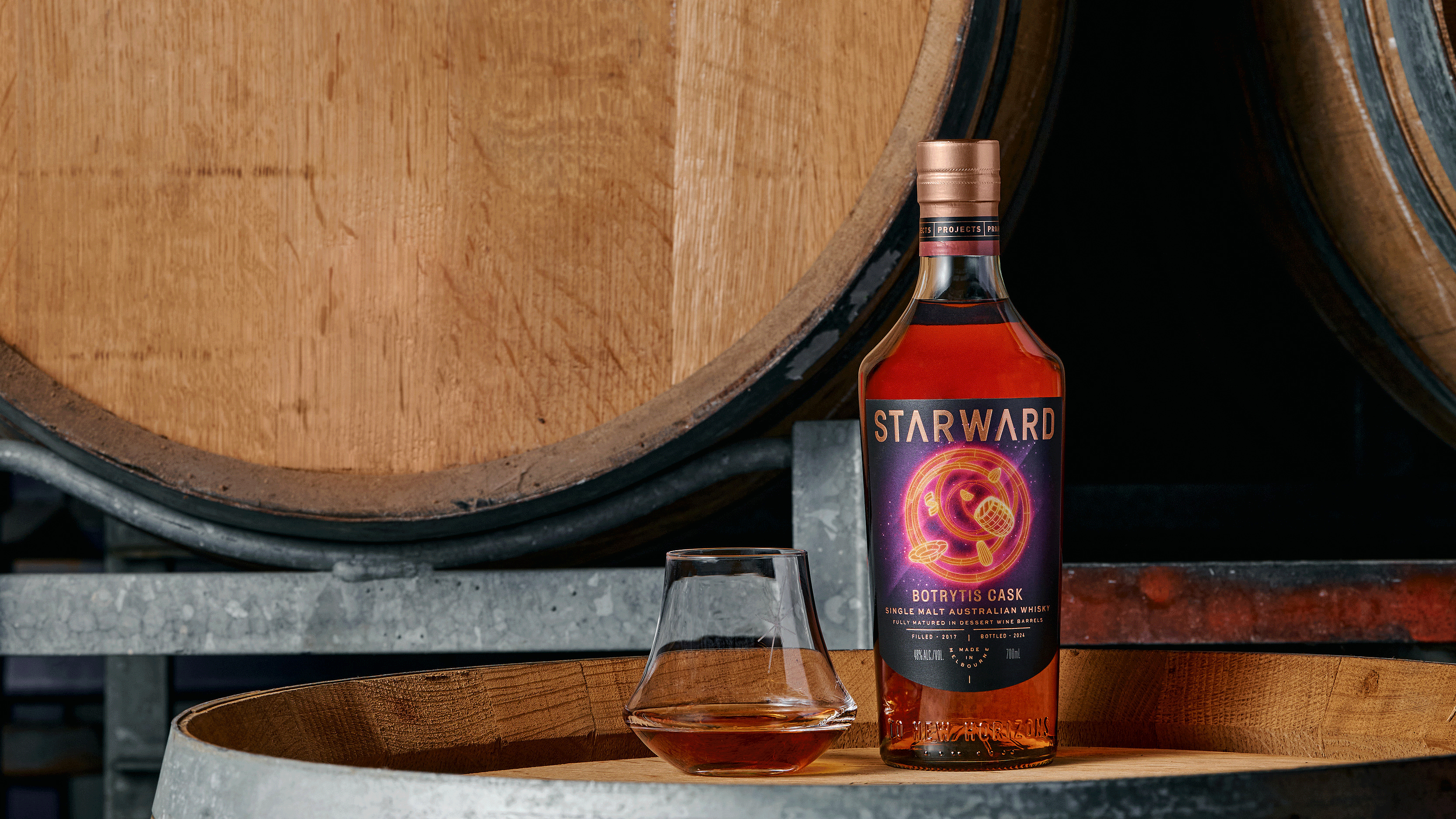
Starward Botrytis Cask
Friends and family
At Winestillery, producer of Florentis whiskeys, distiller Enrico Chioccioli keeps it in the family – then shares it, very generously with the rest of us. The family winery, Chioccioli Altadonna, in Gaiole, Chianti is the distillery’s ‘in-house winemaker’ and their Super-Tuscan casks are chosen by Enrico’s oenologist brother Niccolò and their father Stefano, a consultant winemaker.
Working with family ensures trust and creates short and simple supply chains, keeping business running smoothly. Meanwhile, for its Vin Santo cask finishes, Winestillery works with a small network of local producers.
‘These are very direct, long-standing relationships: we know the vineyards, the winemaking styles and the evolution of the wines that once filled barrels. This allows us to choose not just an “ex Vin Santo wine cask” but a barrel with a precise oenological story,’ explains Enrico.
With trust comes a sense of control and with control comes relative precision in terms of flavour in what is a precarious game of balance.

Enrico and Niccolò Chioccioli
Working together
Timing and balance are key considerations at Westward Whiskey in Portland, Oregon, where local Willamette Valley Pinot Noir casks are used.
Head distiller, Miles Munroe, says: ‘We work directly with winemakers and plan our fills around the time of year they’re emptying, so we can pick them up immediately. We wet-fill casks and can fill the same day they’ve been emptied of wine. That means no sulphur, no drying and no loss of flavour at all.’
Sulphur in wine casks can add off flavours to the spirit and shortening the time reduces the problem.
Miles Munroe, head distiller of Westward Whiskey in Portland
Community collaboration
Sourcing barrels locally can also build a sense of community amongst like-minded makers. At Thomson Distillery near Auckland, New Zealand, Rachael and Matt Thomson use wine casks from friends at Kumeu River Wines and Westbrook Winery.
‘It’s enjoyable having a broader understanding of the drinks being made here, we can all relate to one another and what we’re producing is very specific to this place,’ says Rachael.
When collaborators become friends, real connection is made and if whisky isn’t bringing joy and connection, then we should all just pack up our Glencairns and go home.
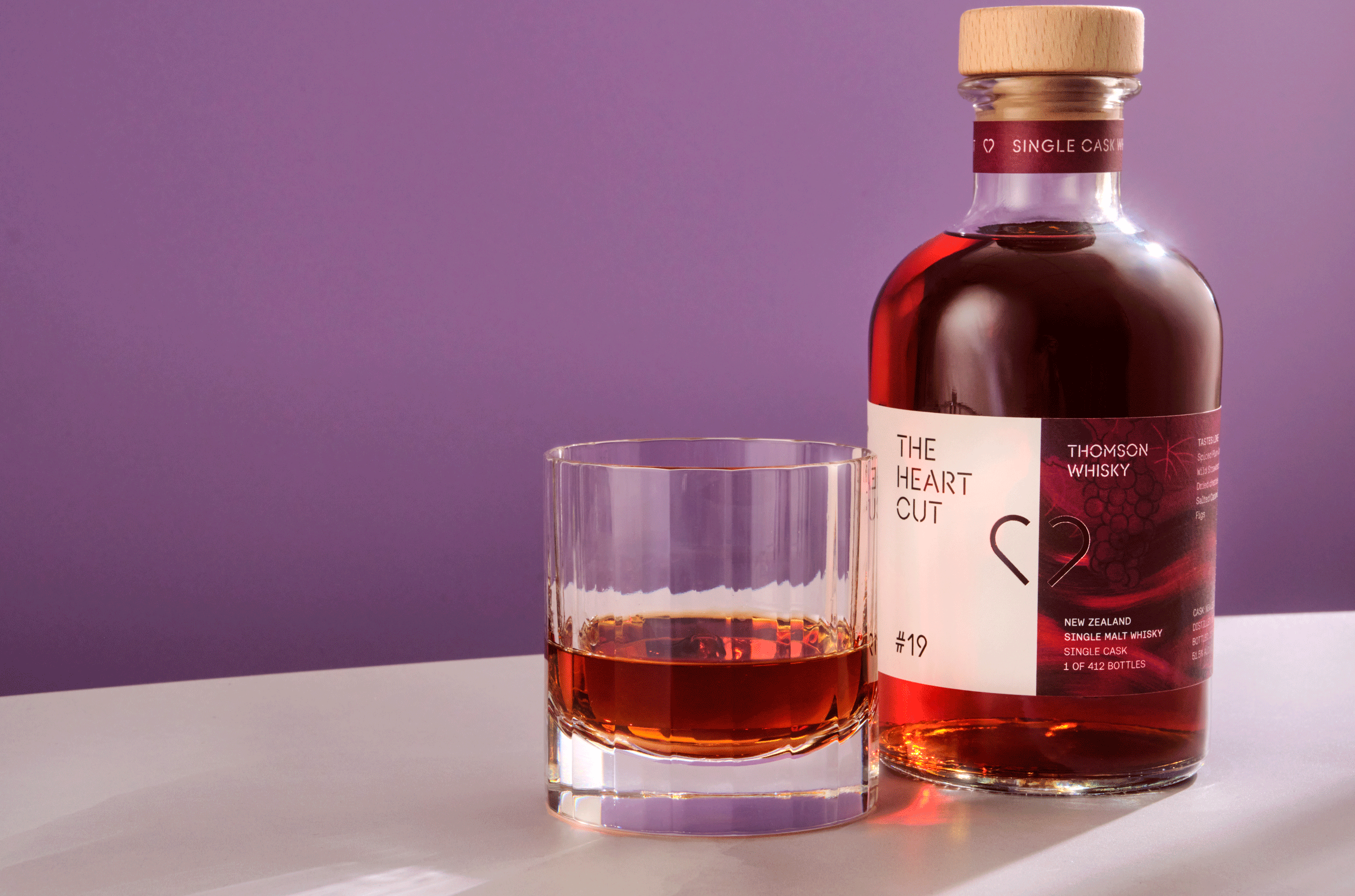
The Heart Cut #19 Thomson (see tasting note below)
Shared values
Sharing casks can represent shared philosophies. At the organic farm and distillery Domaine des Hautes Glaces in the French Alps, founder and Master Distiller Frédéric Revol favours barrels from producers in nearby Jura who apply the same principles of minimal intervention production.
‘This is a region where there are a lot of natural winemakers and I’m looking for colleagues who are experimenting with the same stuff, with the same link with nature, the same issues; because the philosophy is the same,’ he explains.
Not only is the sulphur issue ticked off nicely here, the finished liquid represents both the place it is made and the common values of the people who make it.

Frédéric Revol, founder of organic farm and distillery Domaine des Hautes Glaces
National identity
Terroir certainly reigns at Rampur Distillery, located in Uttar Pradesh in the foothills of the Himalayas. Creating a whisky that is distinctly Indian is fundamental to Master Blender Anup Barik, who uses Indian Cabernet Sauvignon casks in his award-winning Asāva bottling.
‘We are a proud Indian company and were the first to use an Indian wine cask finish,’ says Barik. ‘Cabernet Sauvignon also has the right tannic phenolic character: spiced black and red fruit.’
The choice centres flavour but also reflects a sense of pride and strong links to national identity, as Ruchira Neotia, Indian whisky ambassador explains. ‘Rampur Asāva is bottled Indian pride in whisky form; a wholly nose-to-tail “Made in India” product.’
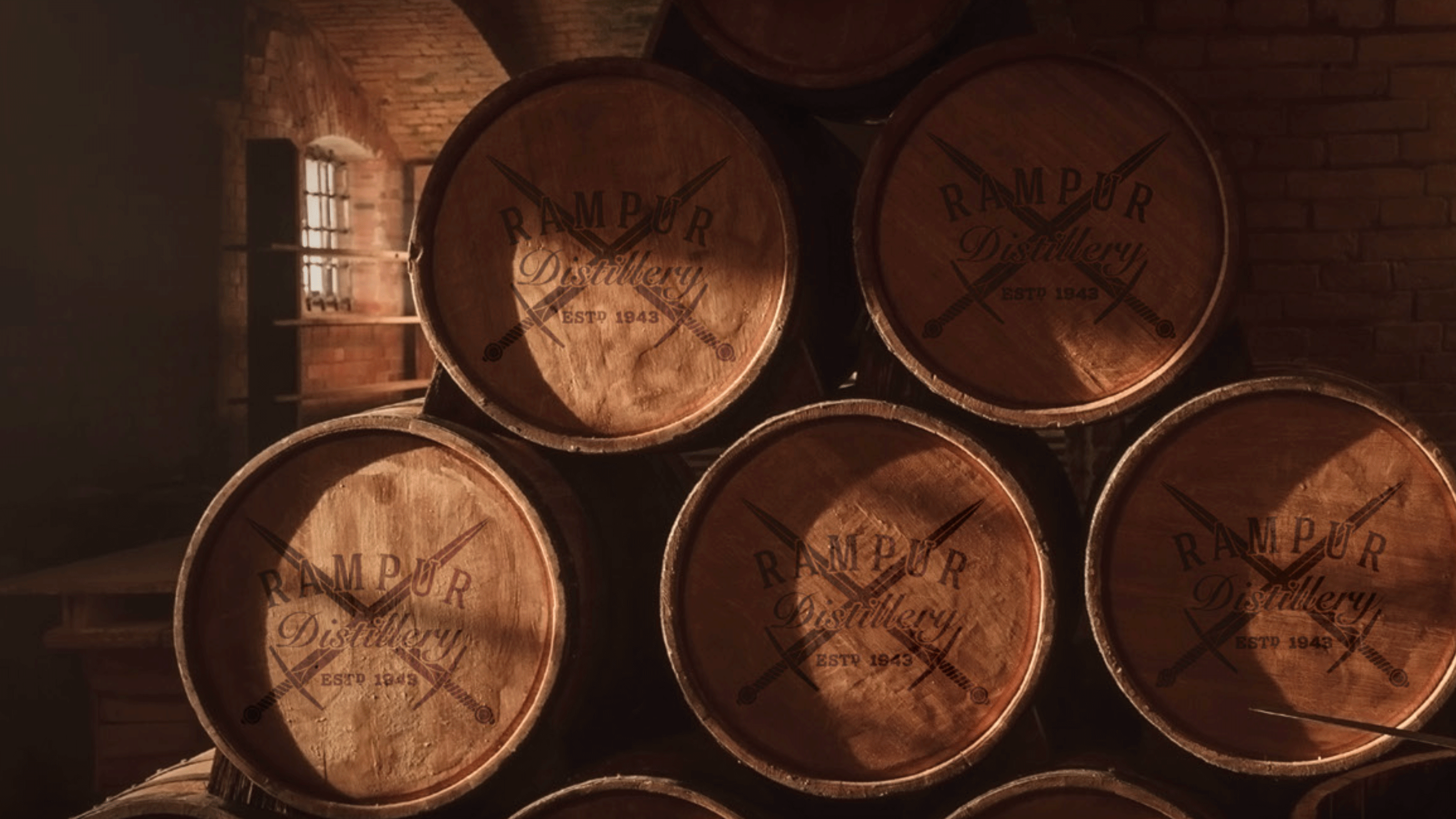
Whiskey barrels maturing at Rampur Distillery
Creating character
In each of these distilleries, creating a whisky intrinsically of the place is something worked towards with intent. There is no clinging to the infallible primacy of Scottish whisky here, as Rachael Thomson says: ‘We are not replicating Scotch, but unearthing a local NZ style of whisky that draws on what is abundant in our area.’
Terroir is the land itself, the people working it and the networks fostered. Using local casks and culturing winemaker relationships strengthens these networks and helps shape a unique identity in terms of community, environment and ultimately, flavour.
Six great wine-influenced whiskies to try
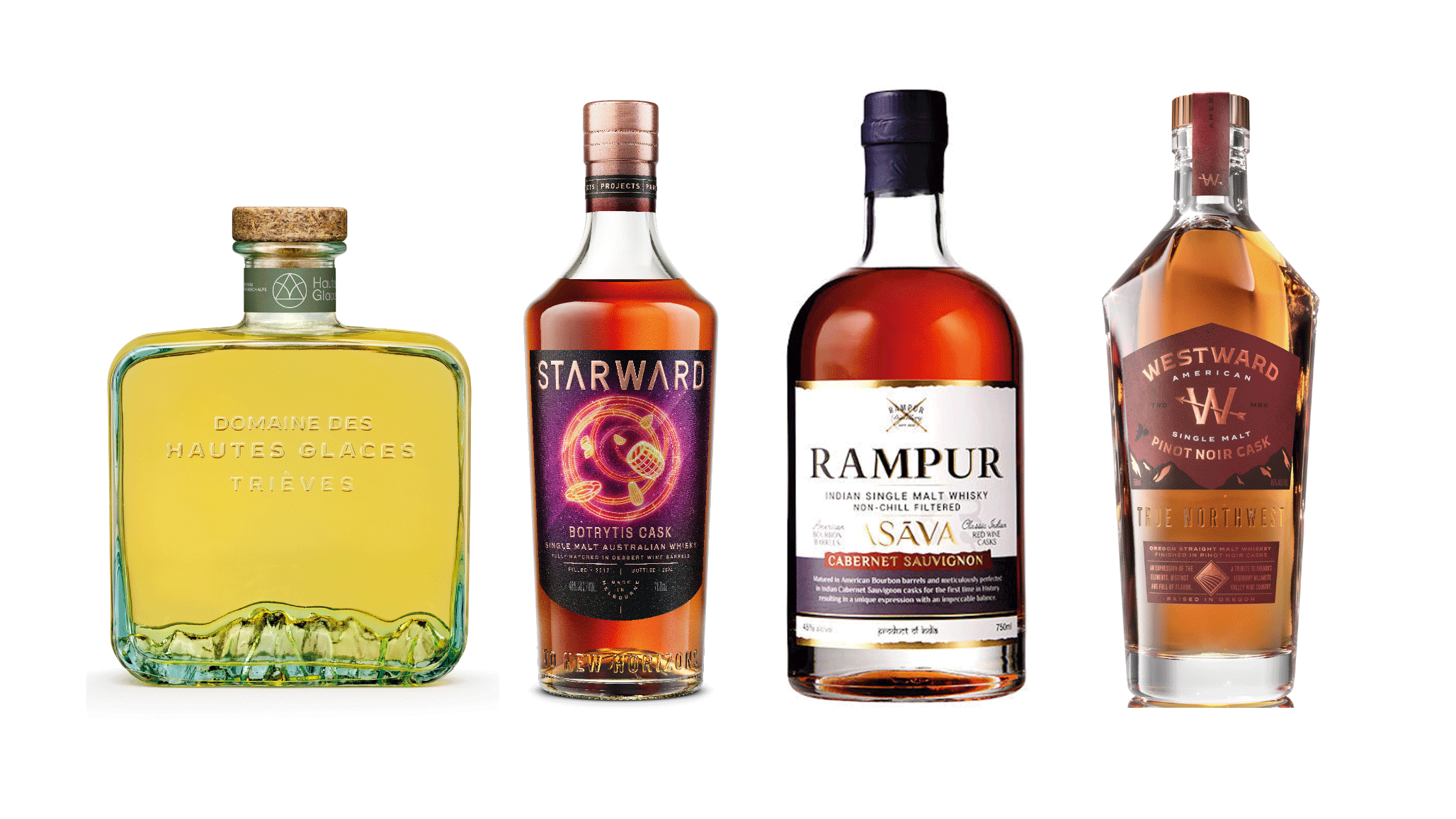
Domaine des Hautes Glaces Epistémè RØØF24 Square
This 100% malted rye whisky is blended from several vintages of local rye and distilled at the organic farm distillery in the French Alps. Finished in ex-Vin Jaune casks. Bright, grassy nose with citrus peel and bruised apple on the palate and a nutty finish. Alcohol 50.6%
Florentis Super Tuscan Wine Cask
Made from Italian barley, rye and wheat, this Tuscan whisky is distilled in a pot still and hybrid copper still. Finished in SuperTuscan barrels from the Chioccoli family winery. Pronounced clove aromas with distinctive tannins and gamey notes on the palate, leading to a savoury finish. Alc 48.3%
Rampur Asāva
Indian Single Malt from the foothills of the Himalayas, finished in Indian Cabernet Sauvignon barrels. Rich blackcurrant and black plum on the nose, leading to an elegant palate and sweet pastry on the finish. Opens out nicely in a rocks glass. Alc 45%
Starward Botrytis Cask
Australian single malt made with local grain from the state of Victoria and fully matured in botrytis Semillon dessert wine casks before bottling. Luxurious mouth-coating texture with sweet dried apricots, gentle spice and white chocolate on the finish. Alc 48%
The Heart Cut #19 Thomson
This New Zealand single malt is finished in Pinot Noir casks from Westbrook Winery and bottled by award-winning UK independent bottler, The Heart Cut. Cranberries and Christmas spice on the nose, with a silky texture and hints of cocoa on the palate. Alc 51.5%
Westward Pinot Noir Cask
An American single malt distilled in Oregon and finished in Willamette Valley Pinot Noir barrels for two years. Offering stone fruit and red cherries at the top, evolving into darker fruits with lingering warm earthy notes. Alc 45%
Related articles

Why Irish whiskey loves sweet and fortified wine casks

The rise of Indian single malts

Move over Scotch, it’s time to discover Western US whiskey
