

In partnership with Wines of Hungary
Hungary’s capital, Budapest, is famed as the spa capital of the world. But in fact, thanks to its volcanic past, the entire country is blessed with numerous hot springs. The practice of bathing in Hungary’s mineral-rich, healing waters goes back to Roman times, when the province of Pannonia was part of the Roman Empire. The Ottoman Empire, which covered large areas of modern-day Hungary, continued this tradition, and baths dating from this period are still in use today.

The spa capital of the world
Budapest is home to nine thermal baths and over 120 natural hot springs, so no visit is complete without a soak in the calming waters. The biggest and most popular is Neo-Baroque Széchenyi Baths in the City Park, which boasts numerous indoor and outdoor thermal pools, as well as a swimming pool. Visitors can while away a winter afternoon among clouds of billowing steam watching the chess players. Alternatively, the Art Nouveau Gellért Thermal Bath offers turn-of-the-century elegance with its beautiful tiled thermal pools and indoor swimming pool, surrounded by intricately carved columns. The historic Rudas Baths allow you to travel back to Ottoman times and relax in the octagonal pool under its 16th-century dome, or enjoy the rooftop hot tub with panoramic views over the Danube and Budapest.

Beyond the capital
The whole country is, however, dotted with hot springs, with many villages boasting their own thermal bath. If you want to combine relaxing in the soothing waters with wine tasting, Hungary’s volcanic wine regions offer plenty of opportunities.

The northeast: salt hills, cave baths and atmospheric cellars
Head toward Eger to taste some spicy Egri Bikavér, a Kékfrankos-based red blend, making sure to stop off in Egerszalók and bathe alongside striking white travertine limestone terraces in the Valley of Medicinal Waters. You can admire the everchanging, lacy white ledges and dazzling limestone curtains from the comfort of the Salaris Resort Medicinal and Wellness Spa or the outdoor pools of the Nostalgy Baths.

Just south of Hungary’s second city, Miskolc, nestled in the forests of the Bükk Mountains, the Miskolctapolca cave bath is formed of a series of water-filled caves above natural hot springs. It’s an unforgettable experience: swim from cave to cave in the warm, mineral-rich water flowing through ancient natural passages, luxuriate in the current’s massaging effects and listen to the echo as you bathe ‘under the stars’ in the domeshaped ‘Star Hall’.

Tokaj, home to one of the world’s most iconic sweet wines, Tokaji Aszú, is not to be missed. Visitors can cycle around the rolling, vineyard-covered volcanic hills of this UNESCO World Heritage site and discover rows of atmospheric cellars carved into the hillsides. Alternatively, hike up to the volcanic Megyer-hegy tarn and enjoy the views from one of Hungary’s most beautiful natural sites, before relaxing in the Végardó Baths in Sárospatak.

The southwest: otherworldly landscapes, fields of lavender and thermal lakes
Explore the northern shore of the ‘Hungarian Sea’ en route to the Badacsony wine region. Stretching out into Lake Balaton, dividing it into two basins, the Tihany Peninsula boasts geyser cones and vast purple lavender fields that rival Provence with their gorgeous scent. Visit the Benedictine Abbey of Tihany and savour a glass of local red Kékfrankos.
Heading west, picturesque, untouched villages and an increasingly dynamic food and wine scene can be found in the Balaton Highlands and Badacsony. The hills offer plenty to explore: from the ‘rock sea’ in Szentbékálla to the striking basalt ‘organ pipes’ of Szent György-hegy and the view from the castle ruins atop Szigliget. Located at the western tip of Lake Balaton, surrounded by the lush green forest of a nature reserve, Hévíz is the world’s largest swimmable thermal lake – centuries of bathers have relaxed in its healing waters.
With all this and more to offer, Hungary’s volcanic regions provide a refreshingly holistic experience, combining breathtaking landscapes and the expressive, terroir-driven wines they produce.
Discover more about Wines of Hungary
Connect onFacebook | Instagram | TikTok | YouTube
Read more about Hungary’s volcanic wines:
Tasting Hungary
Hungary’s place in the world of volcanic wines


-
 Meet the new technical manager of Château-Grillet on its 90th anniversary
One appellation, one estate, one grape variety, 3.5ha. Matt Walls checks in on this legendary Rhône white, 90 years after it gained appellation status.
-
 Gen Z Wine Challenge: Amelia, 21
In a new Decanter series, 18- to 29-year olds around the world give their honest opinion about a wine they've splashed out on – and if it was worth the cash.


-
 Dalmatia: The crimson coast
Sponsored Content Sun-kissed by the shores of the Adriatic, Dalmatia’s vineyards are home to bold and inviting red wines with plenty of potential.
-
 Azienda Agricola Cortese: Championing sustainability in the heart of Sicily
Sponsored Content Meet the winemakers using ancient techniques and sustainable practices to create fresh, modern interpretations of Sicilian varieties
-
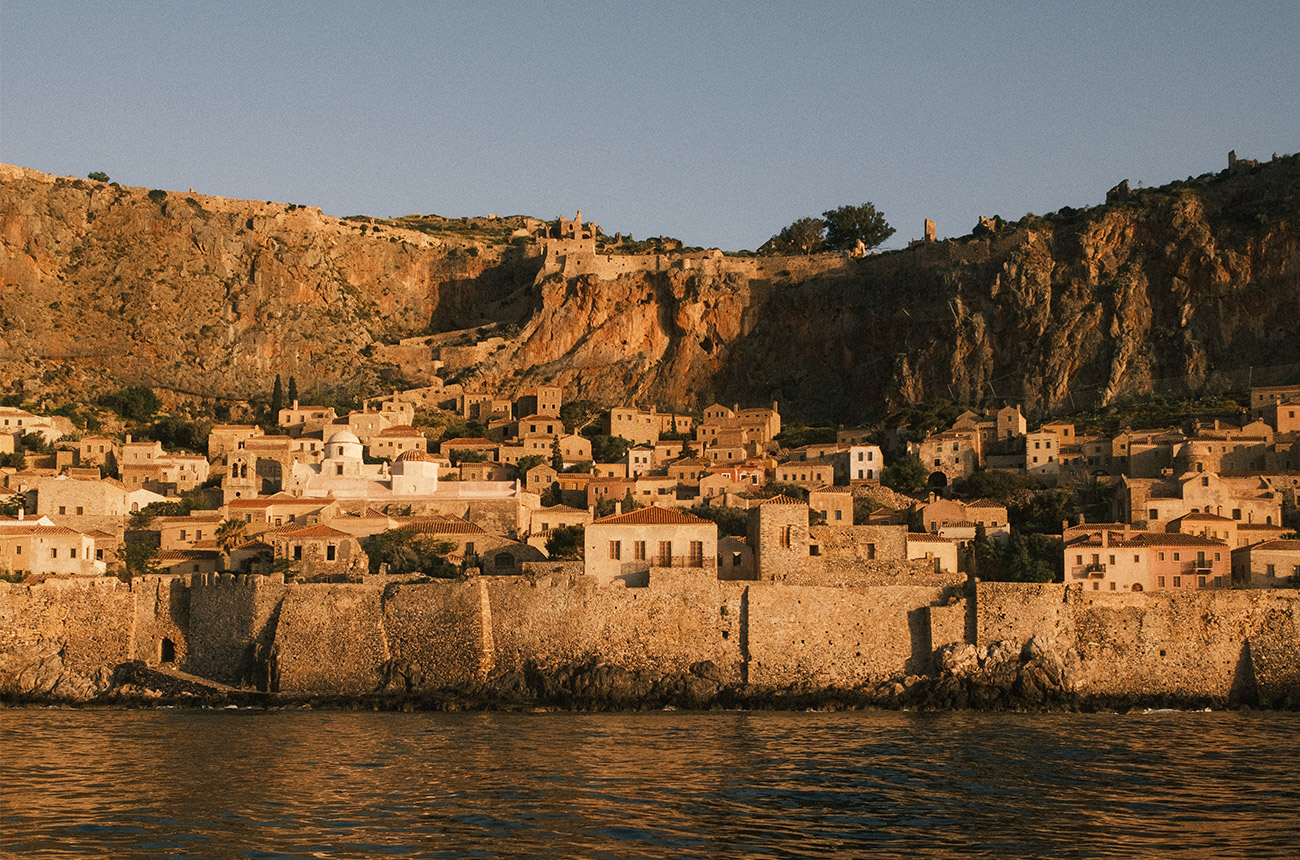 Monemvasia Winery – Tsimbidi: Bringing an ancient wine into the modern age
Sponsored Content George and Elli Tsimbidi’s winery not only revived one of history's most famous wines but is now breathing fresh life into other native Greek varieties.
-
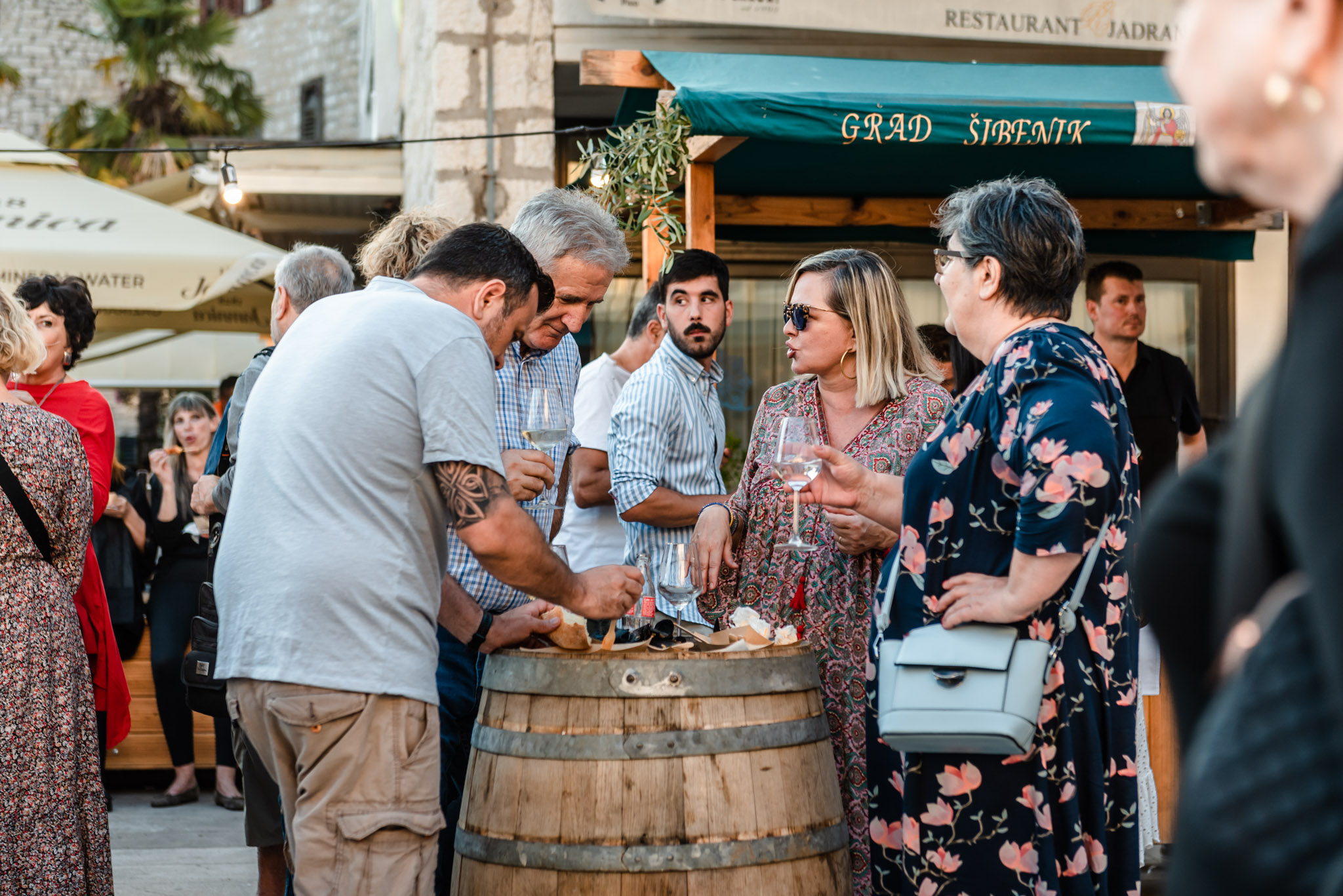 Marenda – A Dalmatian ritual
Sponsored Content What started as a work break has become a well-observed tradition in Dalmatia – one that pairs perfectly with local wine.
-
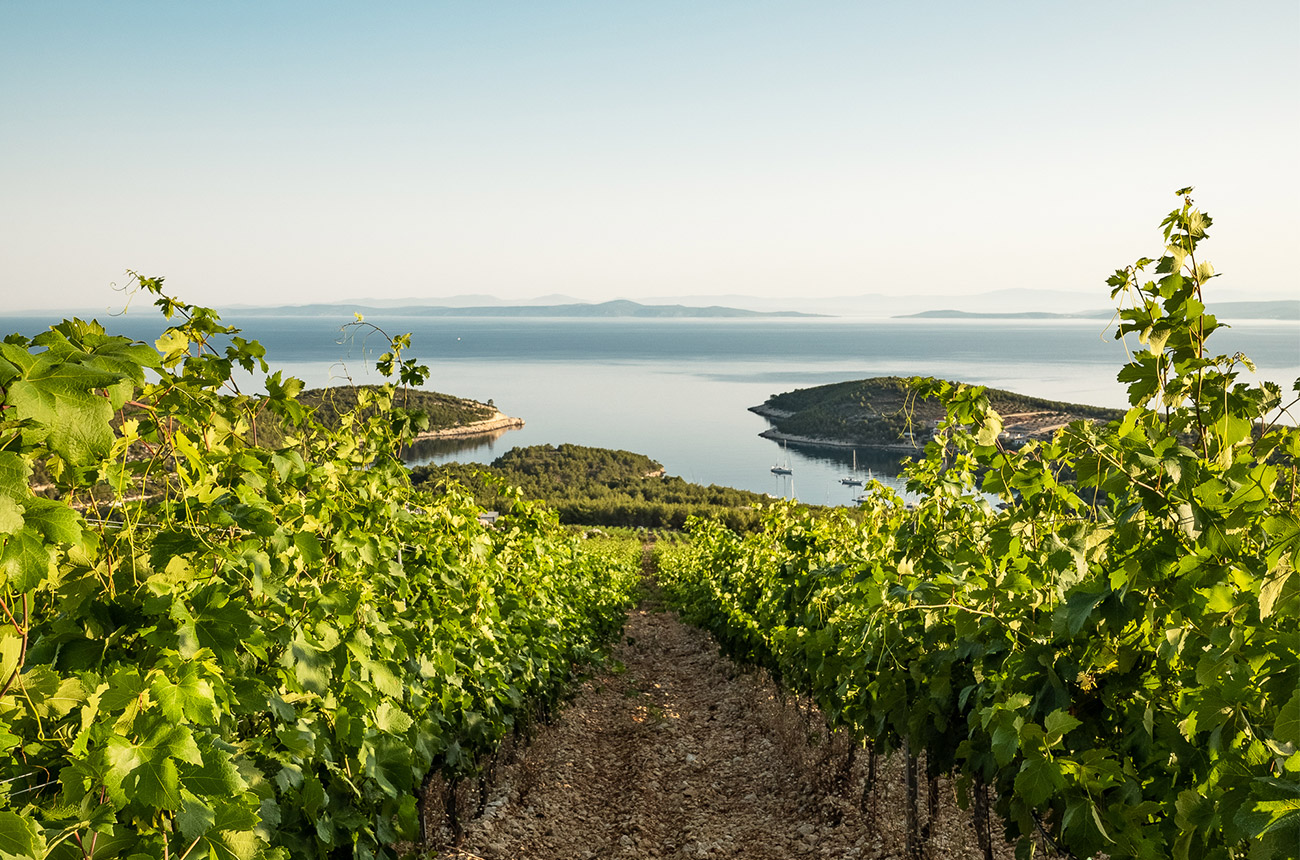 Dalmatia's hall of fame: DWWA winners
Sponsored Content Discover a selection of medal-winning Dalmatian wines from the Decanter World Wine Awards.
-
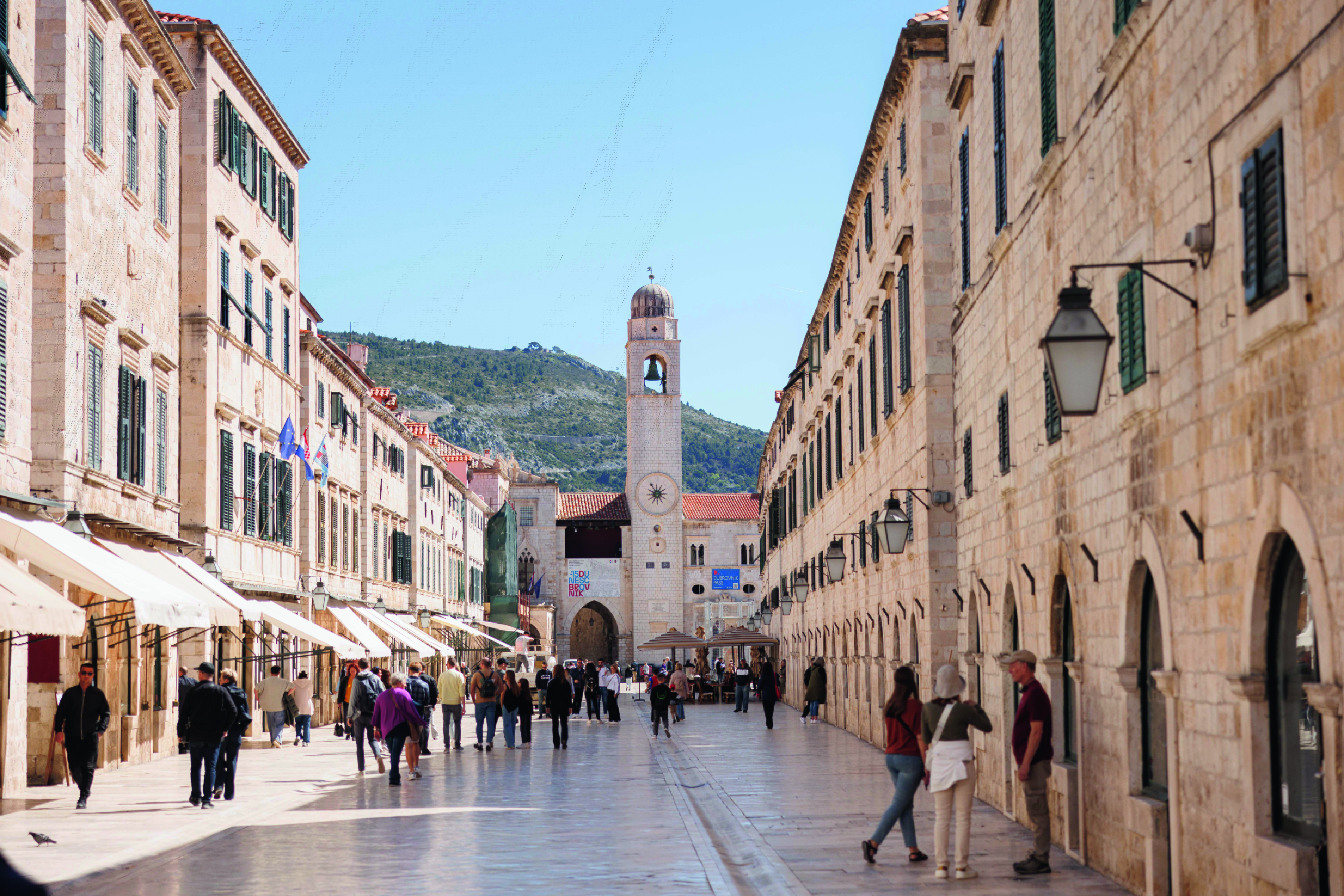 Pomalo: Dalmatia's answer to hustle culture
Sponsored Content A state of mind in Dalmatia, pomalo, which roughly translates as ‘take it easy’, sets the pace of life in this scenic region of Croatia.
-
 A Maldives paradise for wine lovers
Sponsored Content The unique wine culture at OZEN RESERVE BOLIFUSHI extends well beyond its carefully curated list with expert tastings, creative pairings and unexpected discoveries to make lasting holiday memories.
-
 Shaping the future of wine & spirits: What’s new at ProWein Düsseldorf?
Sponsored content Returning on 15 – 17 March in Düsseldorf – discover what's new at ProWein in 2026...


