

Albania
Albania is Balkan winemaking’s rough but stunning diamond: a growing winemaking sector blending the modern with the charmingly rustic. Roughly 8,000ha of vineyards are planted here, producing almost 3 million litres of wine, 65% of it bottled. Most Albanian wine is consumed domestically; just 20% currently goes abroad.
This is sure to rise, however, with more wineries growing or starting from scratch – some switching from production of raki (similar to grappa) to wines instead. As the wine scene modernises, Italian influence is key: many Albanian winemakers have worked across the Adriatic, and Italian consultants now oversee some of Albania’s vineyards and cellars.
But this has not meant sacrificing tradition: for example, unique wines are still made from old Pulës and Ceruja vines growing up oak and mulberry trees, whose grapes are harvested from among the branches.

North Macedonia
Although small and landlocked, North Macedonia embodies impressively outward-looking Balkan winemaking, with nearly 85% of its annual production exported – to other Balkan countries, the UK, the USA and elsewhere in Europe.
The vast majority of the country’s vineyards are in its central Povardarie region – once mainly a bulk producer, now a major source of quality wines. Povardarie’s oak-aged expressions of flagship grape Vranec, whether alone or blended with, for example, Kratošija or Cabernet Sauvignon, are some of the Balkans’ biggest and boldest.
North Macedonia is already tackling climate change head-on: recent bone-dry summers with temperatures over 40°C have contributed to reduced harvests, but have prompted investments in irrigation and plantings on cooler, higher-elevation sites. This has begun to focus attention on the hilly western Pelagonia-Polog region around Lake Ohrid, where some old vineyards rise above 700m.

Serbia
This dynamic country’s wines are just like their makers: creative, vibrant, sometimes playful – and above all diverse.
Although signature red Prokupac has caught the imagination of winemakers and stolen the limelight with its elegant, medium-bodied Burgundian character, it accounts for only around 500ha of Serbia’s nearly 22,000ha of vineyards, largely in the Župa district of Tri Morave.
In fact, white wines make up nearly 60% of Serbia’s 25-30-million-litre annual production (around half of which is exported), with Grašac leading the way. The mountainous Srem region in northern Serbia shows off everything from youthful, steel-aged expressions to oaked, ageworthy versions and even minimal-intervention wines.
Now, Serbian winemakers’ open, can-do attitude is bringing a rise in organic and natural winemaking, skin-contact wines and pét-nat.
Discover more about Wine Vision by Open Balkan
Connect onFacebook | Instagram | YouTube
Read more about the wines of the Balkans
Uncovering the treasures of the Balkans
Six top Balkan grapes to try


-
 Monemvasia Winery – Tsimbidi: bringing an ancient wine into the modern age
Sponsored Content George and Elli Tsimbidi’s winery not only revived one of history's most famous wines but is now breathing fresh life into other native Greek varieties.
-
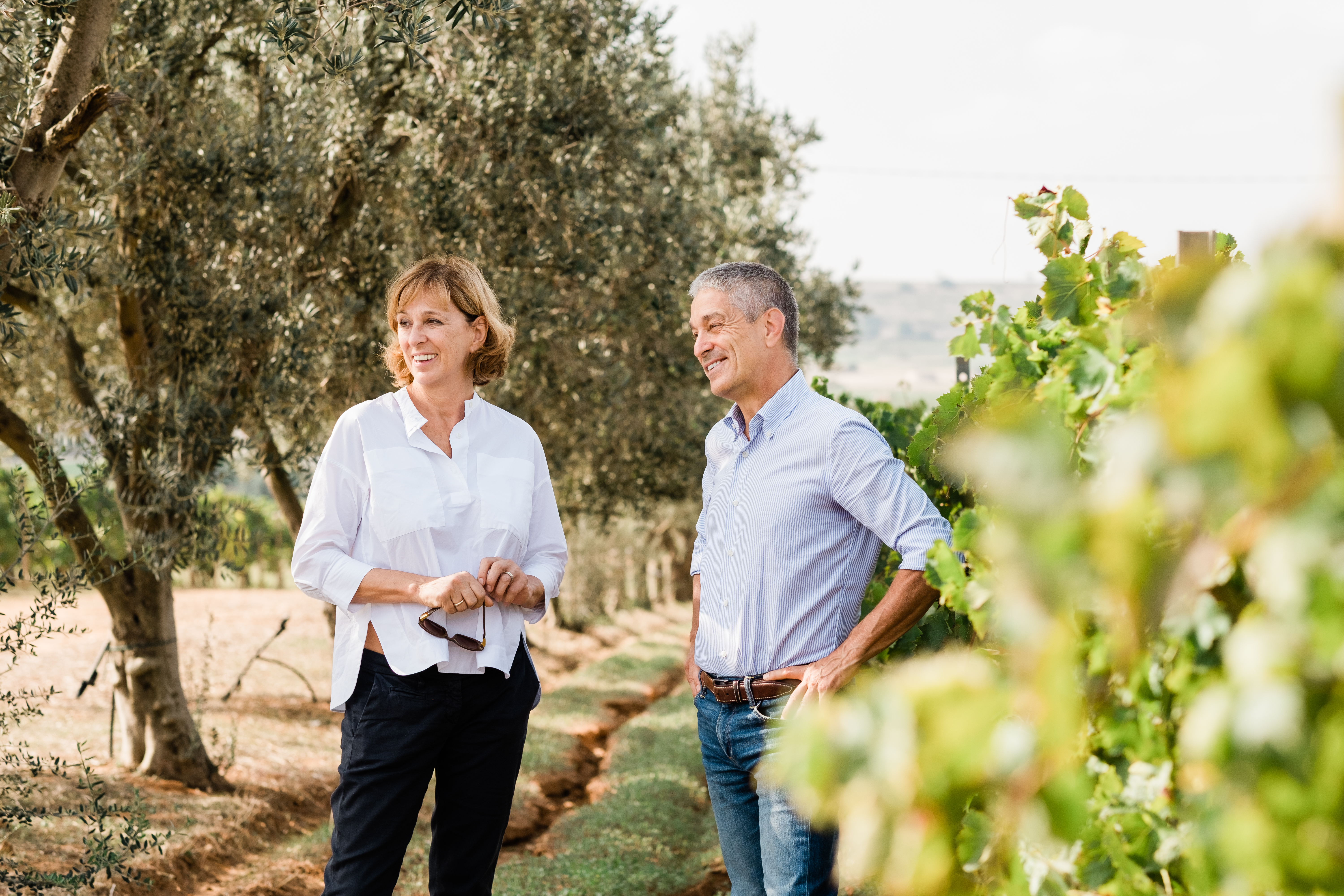 Azienda Agricola Cortese: Championing sustainability in the heart of Sicily
Sponsored Content Meet the winemakers using ancient techniques and sustainable practices to create fresh, modern interpretations of Sicilian varieties
-
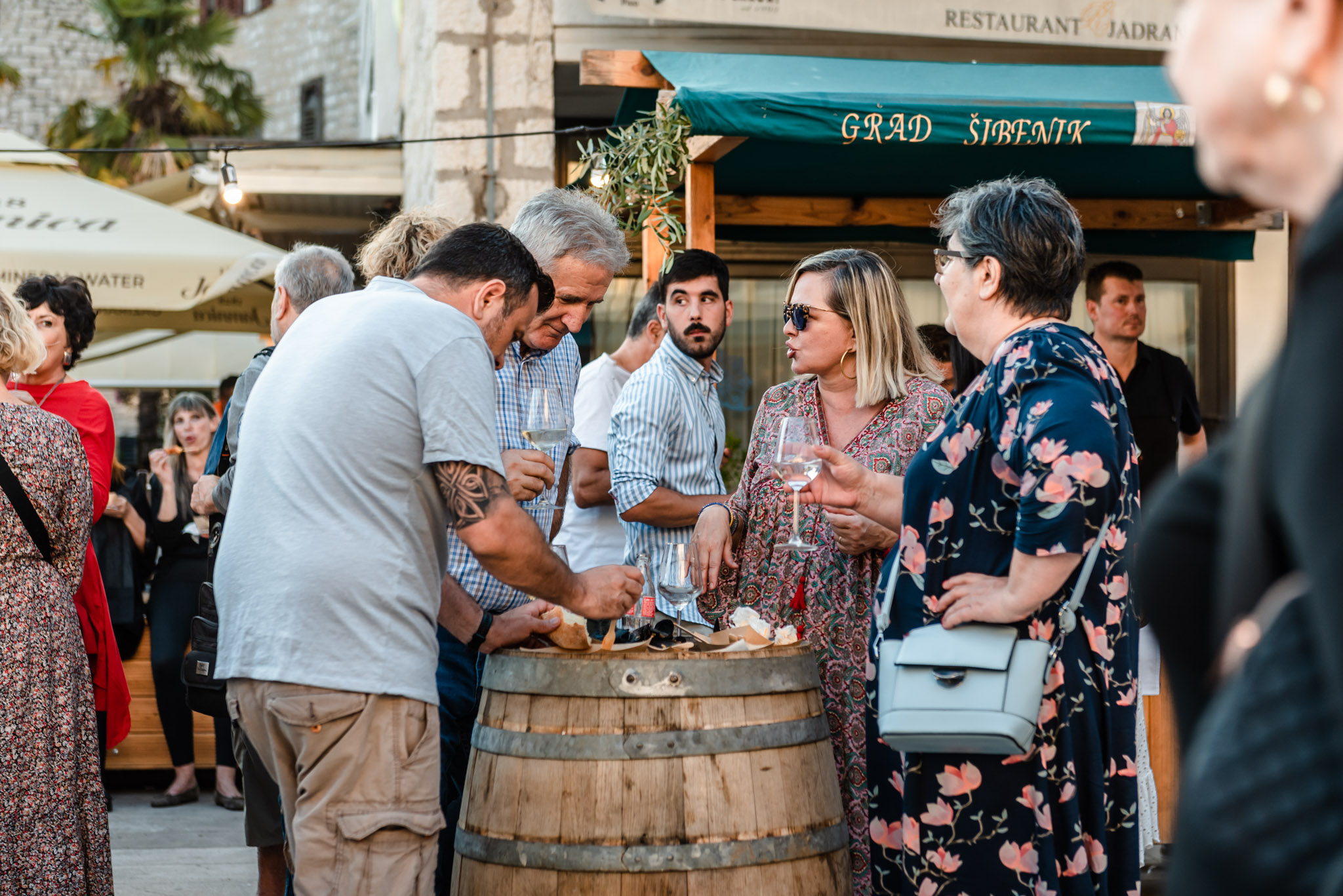 Marenda – A Dalmatian ritual
Sponsored Content What started as a work break has become a well-observed tradition in Dalmatia – one that pairs perfectly with local wine.
-
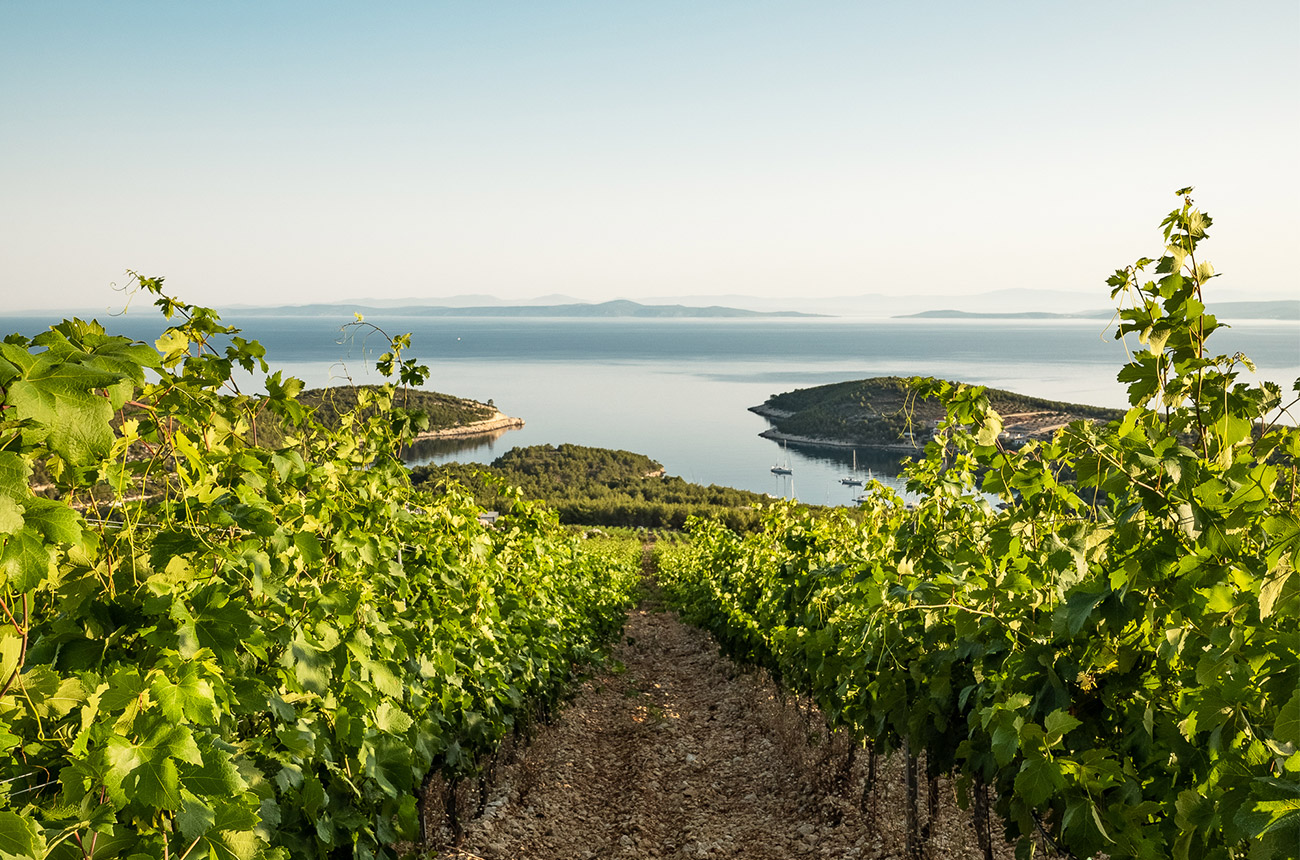 Dalmatia's hall of fame: DWWA winners
Sponsored Content Discover a selection of medal-winning Dalmatian wines from the Decanter World Wine Awards.
-
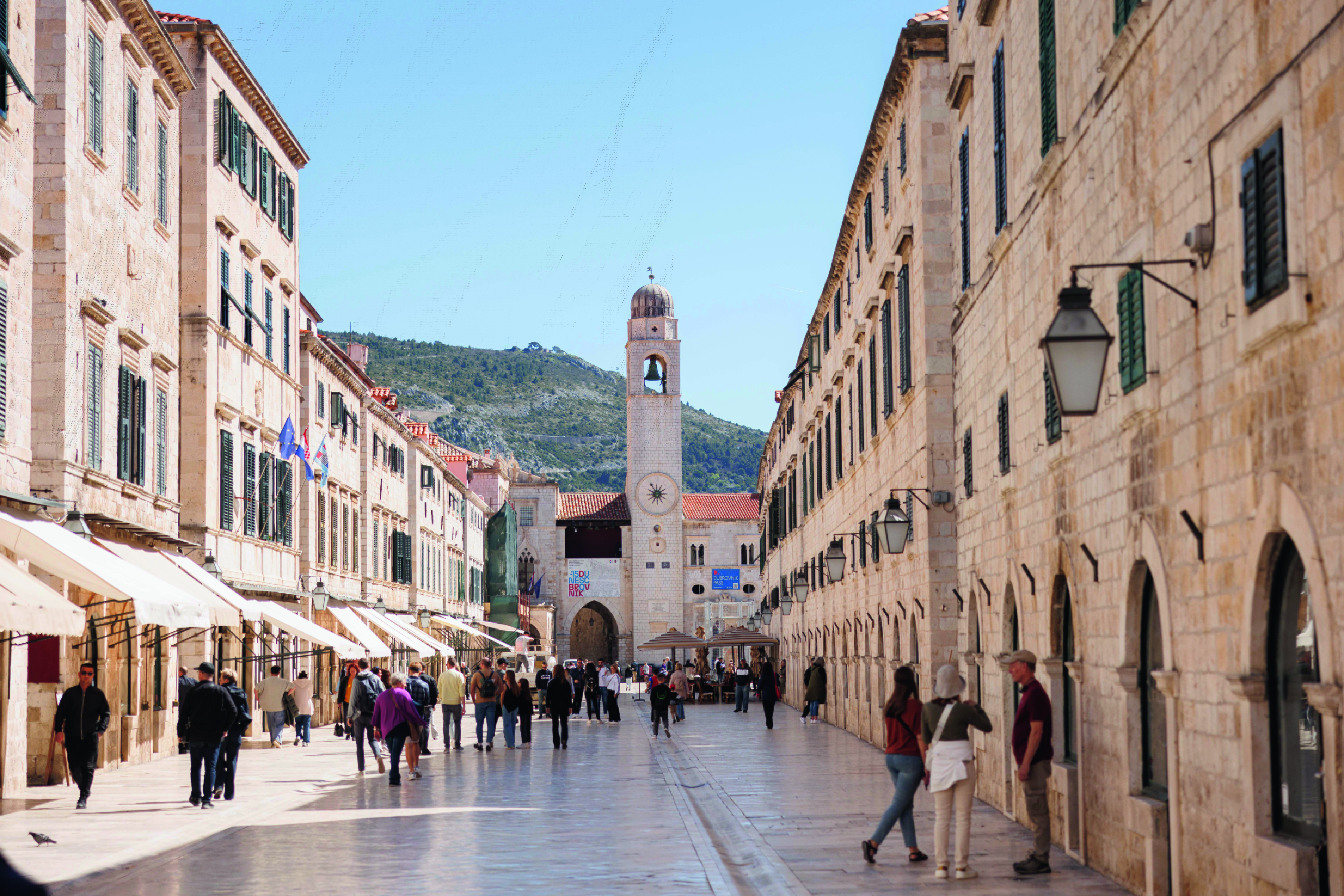 Pomalo: Dalmatia's answer to hustle culture
Sponsored Content A state of mind in Dalmatia, pomalo, which roughly translates as ‘take it easy’, sets the pace of life in this scenic region of Croatia.
-
 A Maldives paradise for wine lovers
Sponsored Content The unique wine culture at OZEN RESERVE BOLIFUSHI extends well beyond its carefully curated list with expert tastings, creative pairings and unexpected discoveries to make lasting holiday memories.
-
 Shaping the future of wine & spirits: What’s new at ProWein Düsseldorf?
Sponsored content Returning on 15 – 17 March in Düsseldorf – discover what's new at ProWein in 2026...
-
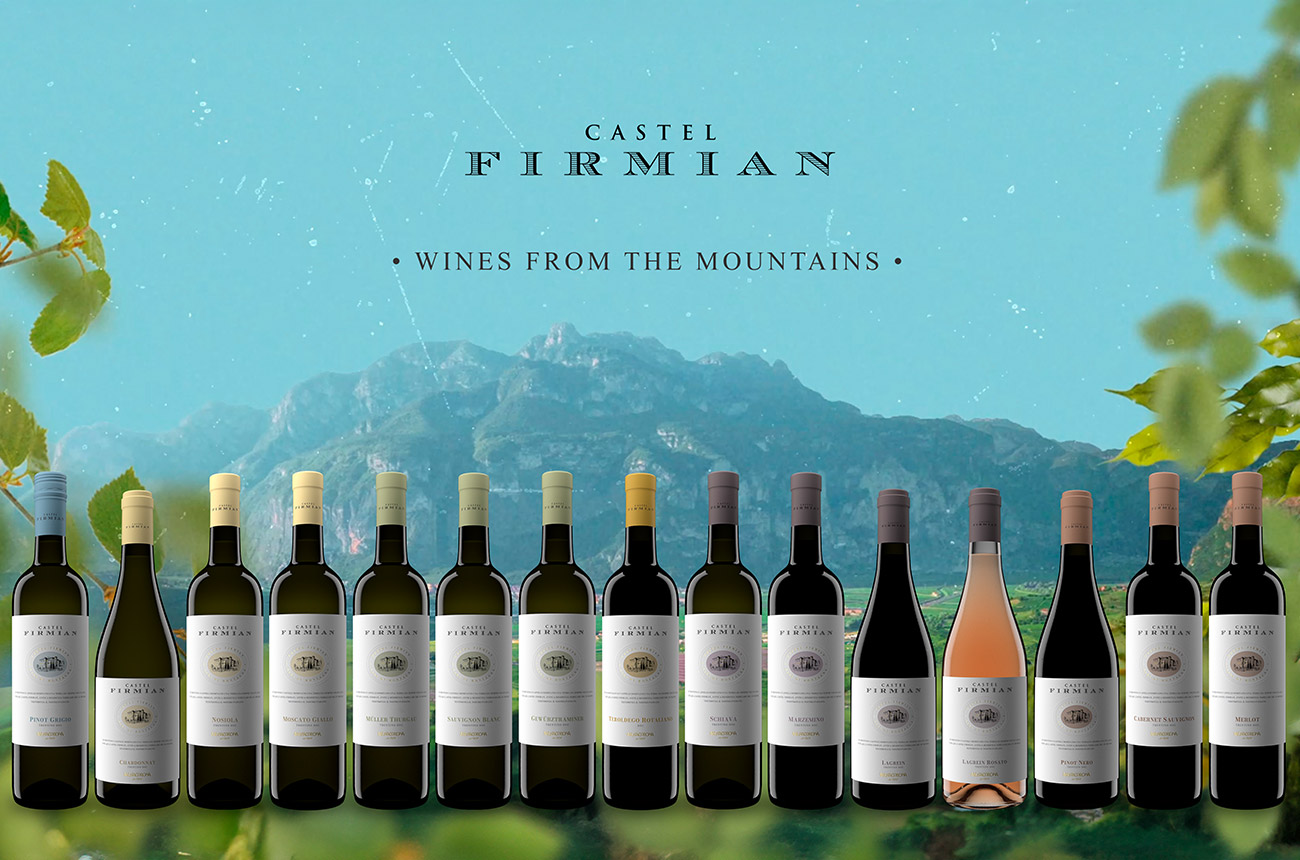 Castel Firmian presents a fresh new look with Wines from the Mountains
Sponsored Content The Trentino winery telling its story with a fresh rebrand...


