

Among Italy’s most successful and sought after wines, Amarone has elevated its home, Valpolicella, to one of the country’s most important wine regions.
Amarone’s triumphant rise began almost 60 years ago when a barrel of sweet Recioto was left to ferment until it became sour (amaro in Italian). The pleasant intensity of the wine exceeded expectations, prompting the exclamation: ‘this is not an amaro, it is an amarone!’
Bertani was one of the first to introduce monovarietal vineyards, to employ new vine-training systems and, above all, to bottle its own wine (rather than selling grapes or selling it bulk) in a quest for precision and quality.

The unique vineyards of Tenuta Novare
At the end of the Second World War, Bertani purchased Tenuta Novare in Arbizzano di Negrar: 200 hectares in the heart of the Valpolicella Classica. The estate’s hillside vineyards rest on red and white limestone soils, and also on basalt, a unique feature of just a few sites in Valpolicella Classica.
One of the special cru vineyards featuring this unique volcanic soil is La Colombara, where most of the grapes for Bartani’s Amarone della Valpolicella Classico hail from. The basaltic terroir gives lightness, minerality, pale hues and a certain smokey character to the wine. By contrast, grapes picked from plots on white limestone give notes of white pepper and cherries, combined with a distinctive salinity.
Corvina is the key grape in Bertani’s Amarone della Valpolicella Classico, with Rondinella never accounting for more than 10%. The company has now started a project to improve its own clone of Corvina, Corvina Novare, starting with a massal selection of existing vines to maintain biodiversity intact.

Making Amarone – Bertani style
Only the best bunches (around 30%) from the top vineyards are selected for the production of Bertani’s Amarone. Once harvested, the grapes remain in plastic cases for a week, to dry thoroughly before being laid out on straw mats. During this period there’s also a second selection, for maximum quality, and any damaged grapes are removed.
Laying the grapes on the straw mats is still called a “messa a riposo”, or “laying out to rest”, the old, original name for the process, symbolic of its reliance on time, patience and silence. No artificial ventilation or machinery are used to regulate humidity. Today, as in the first Amarone vintage in 1958, the process is entirely natural. Which means that climatic conditions from September to December, when the grapes are resting, are crucial to impart a specific vintage character to Bertani’s Amarone.

Another distinctive feature of the house’s Amarone della Valpolicella Classico is the long ageing process: almost eight years in old Slavonian casks, on the lees, with no racking. Not many wines in the world undergo this extensive ageing.
The whole process produces wines that have a sophisticated balance between primary (red cherry), secondary (peppery), and tertiary (tobacco and chocolate) aromas, plus a nervy acidity with soft tannins and very long, savoury finish.
Discover more about Bertani here
Connect on: Facebook | Instagram |


-
 Shaping the future of wine & spirits: What’s new at ProWein Düsseldorf?
Sponsored content Returning on 15 – 17 March in Düsseldorf – discover what's new at ProWein in 2026...
-
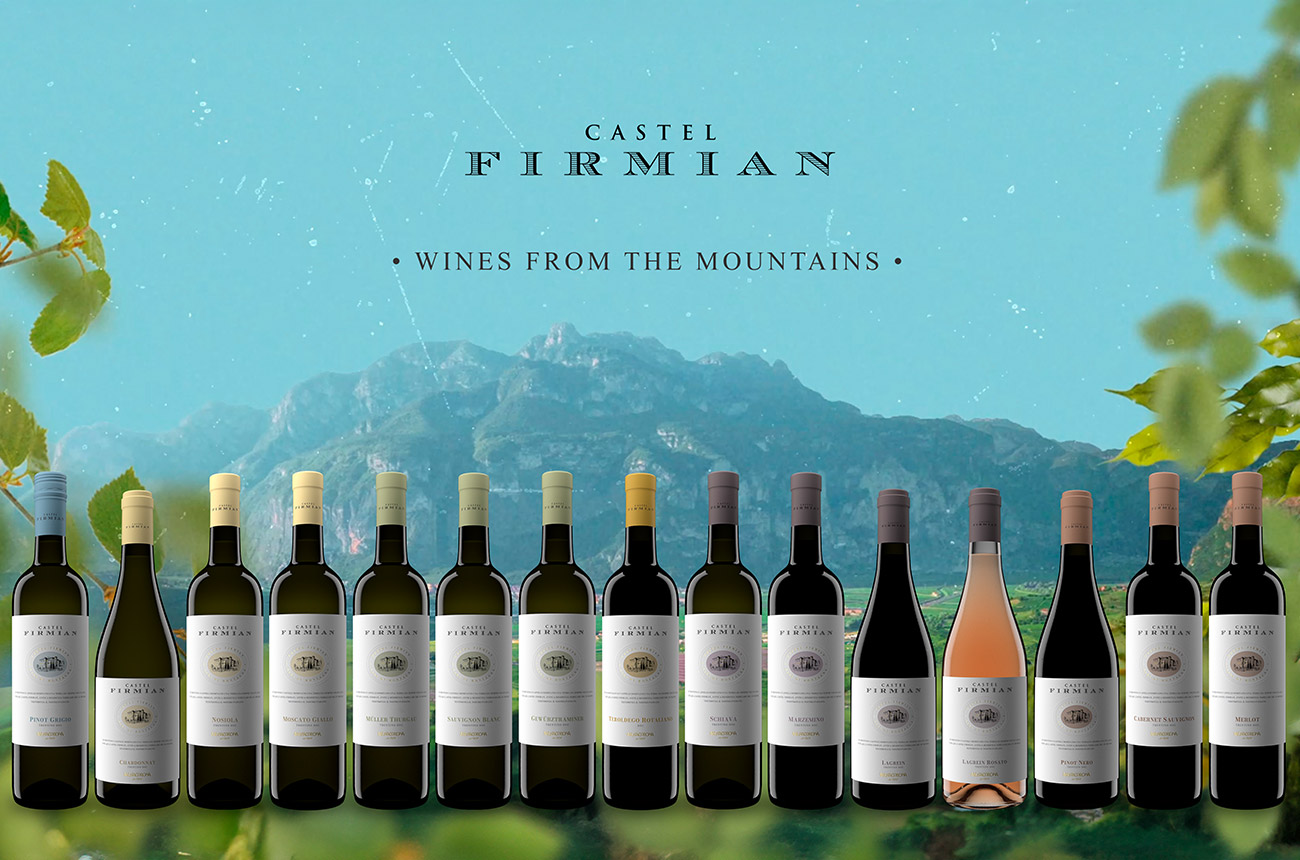 Castel Firmian presents a fresh new look with Wines from the Mountains
The Trentino winery telling its story with a fresh rebrand...
-
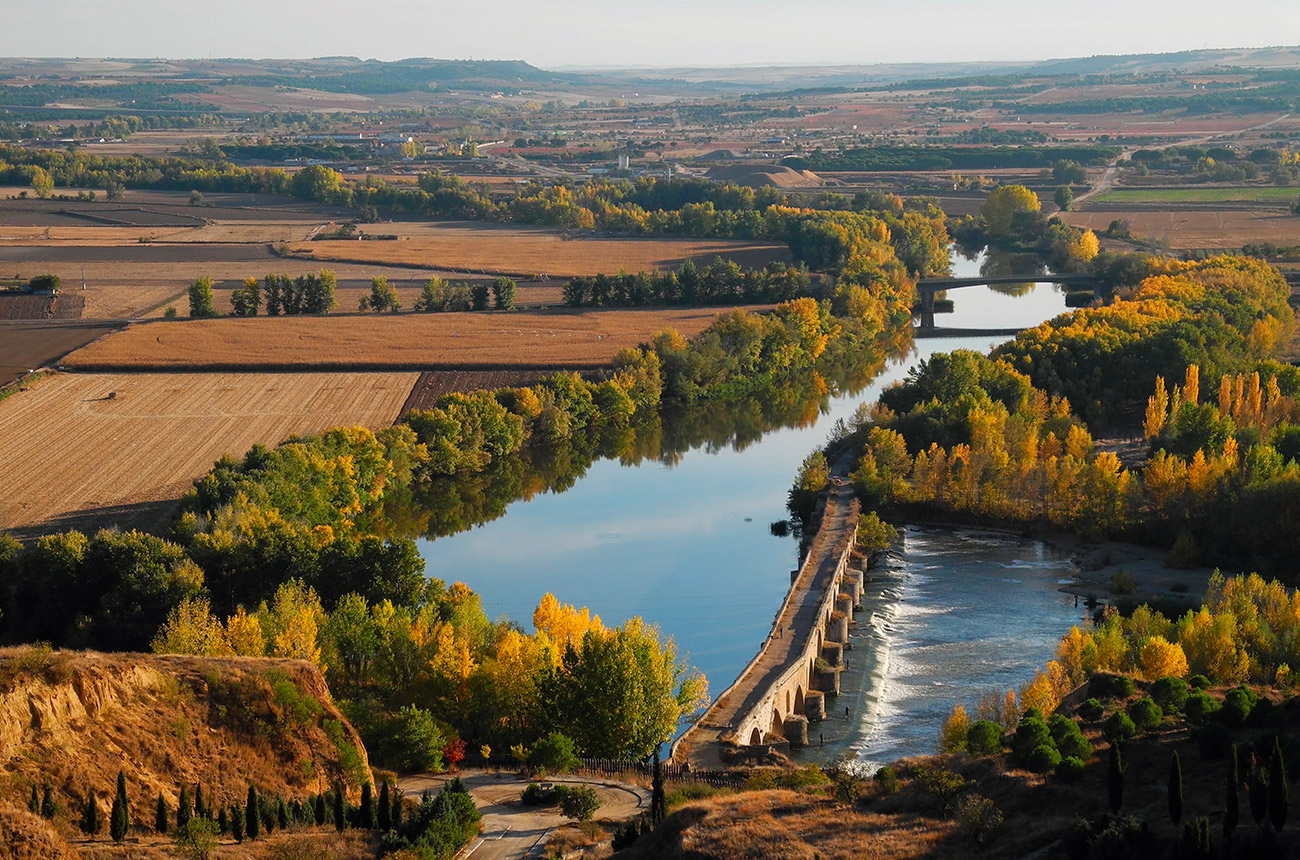 Toro: A tale of resilience, evolution and commitment
This region’s past offers important clues on how to face present challenges...
-
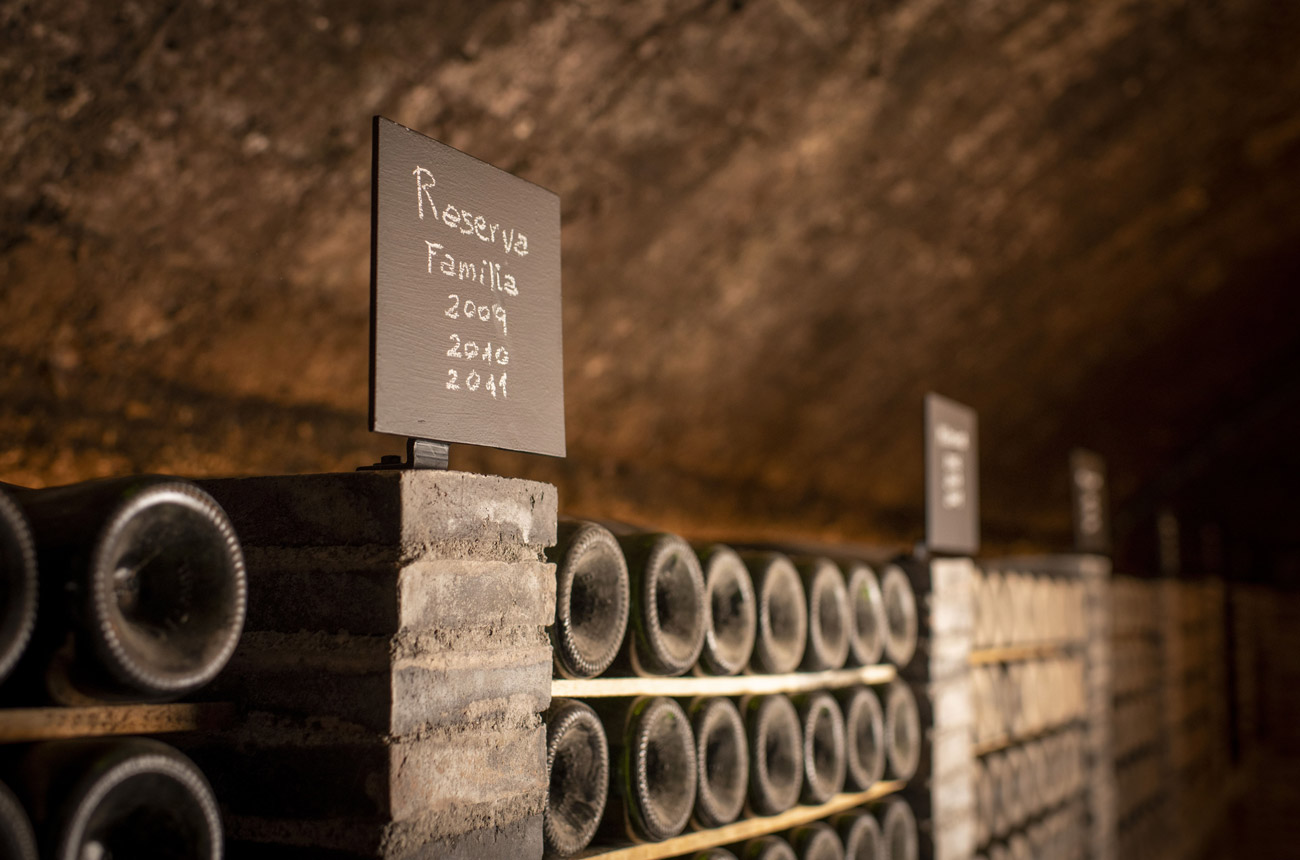 Juvé & Camps: Taking long-aged sparkling wines to new heights
Sponsored content Long-aged sparkling wines that express the craft of the winemakers...
-
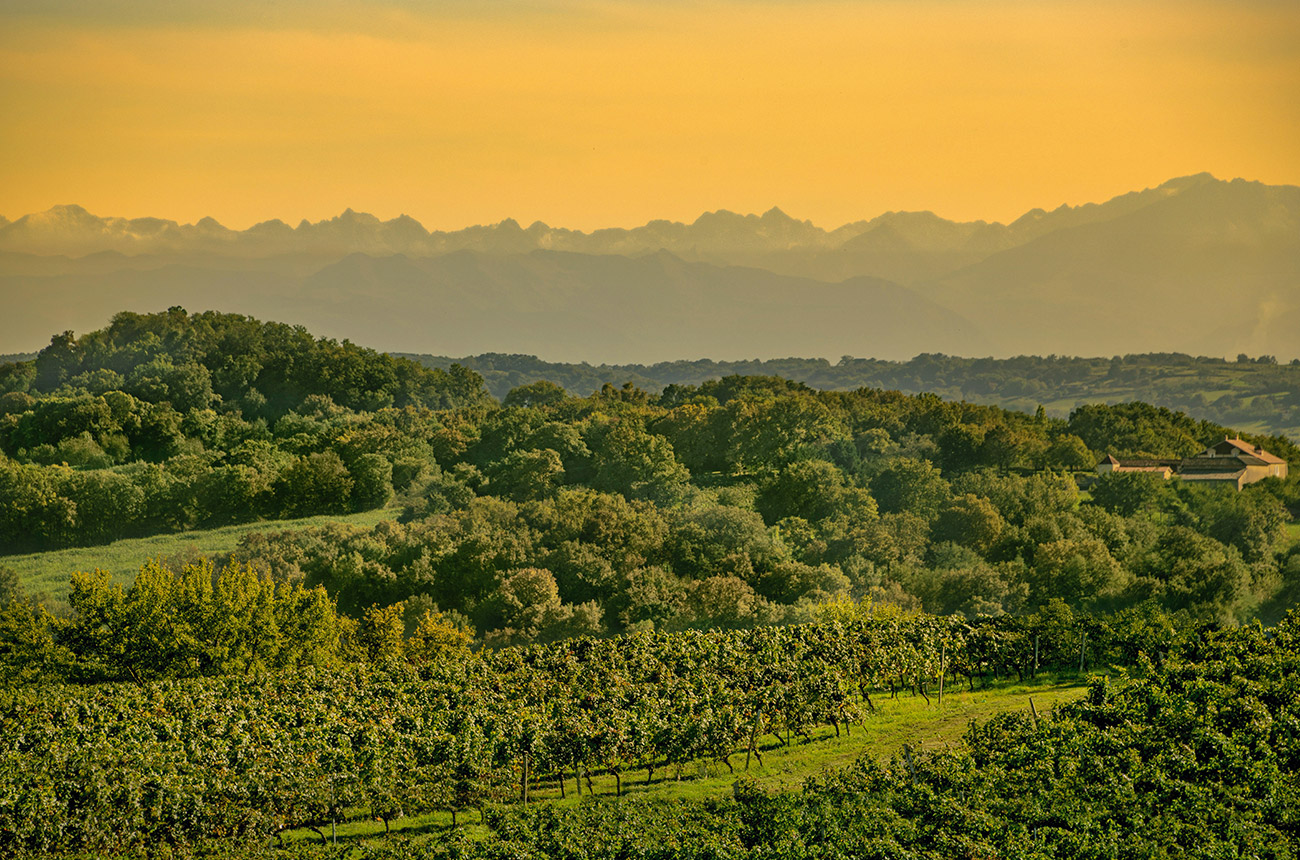 Plaimont: Building the future of Saint Mont
Sponsored content A 'super cooperative' leading on sustainability in the Pyrenean foothills...
-
 Grignan-les-Adhémar AOC: At the head of the Southern Rhône
Sponsored content Discovering the diversity of the Southern Rhône’s most northerly appellation...
-
 Wine Paris 2026: A new era for the global drinks industry
Returning from 9-11 February in Paris, discover what's new in 2026...
-
 Remírez de Ganuza: Looking to the future
Decanter sits down with Jose Ramón Urtasun...


