

Part of Hungary’s charm is its sheer diversity – it’s not easy to sum the nation up in a grape or two. Not all of Hungary’s local grapes are capable of high quality – for example, Irsai Olivér and Cserszegi Fűszeres are both best drunk young for their grapey, exotic aromatics. But Hungary grows several grapes that can offer real quality and excitement.
Hárslevelű
The second most important grape in Tokaj, often the seductive partner of steely Furmint in both sweet and dry blends owing to its more supple fruitiness and pretty aromatics. Its name translates as ‘linden leaf’, for the shape of its foliage, and it often expresses a gentle linden blossom aroma, with peaches and a touch of honey and spice. It’s genuinely local, with Furmint as one parent and the other recently identified as a little-known Russian grape called Tzimliansky belyi. While in the right hands it can make truly beautiful varietal wines with joyous drinkability, it’s only through old and deep-rooted vines that it can show its most exciting quality.
Try: Kikelet, Tokaj (£19 Wanderlust Wines); SanzonTokaj, Rány, Tokaj (£17.49 Hungarian Wine House, Novel Wines)
Juhfark
For anglophones, this grape often raises a giggle (it’s pronounced ‘you-fark’), but it actually produces really serious wines – so mineral-rich and intense that the wines were once sold in pharmacies. It’s named for the shape of its bunches (the name translates as ‘sheep’s tail’) and is relatively neutral in terms of flavour and aromatic character, which actually makes it a great translator of terroir. Juhfark is only really grown on the volcanic, basalt-derived soils of Somló, where it produces weighty wines with notes of green melon and rhubarb, a salty mineral core, vivid acidity, and great ageing potential.
Try: Kolonics, Somló (£17 Wanderlust Wines, £16 The Wine Society)

Kéknyelű
Named for its blue-toned leaf stalks (kék means ‘blue’ in Hungarian), Kéknyelű was much revered in the 19th century, though it almost died out amid the communist drive for volume, then the modern-era thirst for international grapes. It’s local to the volcanic hills of Badacsony and is finicky to grow, late-ripening and low-yielding. It has female flowers only, so vineyards must give up space to a cross-pollinator (typically Budai Zöld).Young, it can be pleasant in a crunchy, understated style, but with a bit of age Kéknyelű shines, developing complexity and honeyed, smoky richness. Plantings have crept up to about 49ha, easing back from the brink of extinction.
Try: Szeremley, Badacsony (£22.99 Malux Hungarian Wine); Sabar, Badacsony (£10.95-£12.99 Novel Wines)
Olaszrizling
For many Hungarians, Olaszrizling is wine and wine is Olaszrizling, though for such an iconic Central European grape, not much is known about its origins. In Hungary, it covers everything from the cheapest house wines destined for fröccs (Hungarian spritzer) to rich, honeyed sweet wines, but for many winemakers its dry wines are a matter of national pride. It grows all over Hungary (the third-biggest global grower at 3,547ha) but reaches its heights of sophistication on the northern shores of Lake Balaton, especially on the volcanic hills of Somló and Badacsony, and the red soils of Csopak. Winemakers love its ability to express its place – look out for single-vineyard bottlings to explore this facet. Apple, lemon and lime, and a touch of almond when young, transform into beeswax, honey and peach or even exotic fruit with maturity.
Try: Zsirai, Somló (£13.78 Jascots)

Kadarka
Kadarka was once the country’s most important red (there were still nearly 30,000ha in 1974), though it fell out of favour when volume counted, as it is prone to disease. Today, it covers just 282ha and many producers, especially in Szekszárd, are rediscovering its potential to make delicate, refined reds (think of it as a gently spicy, red-fruited pale red in the style of Pinot Noir). It is produced in its own right, but also adds a touch of spicy local character to Bikavér blends (it’s obligatory in the Szekszárdi version).
Try: Vida Péter, Bonsai, Szekszárd (£21.99 Malux Hungarian Wine); Sebestyén, Szekszárd (£14.50 WoodWinters)
Kékfrankos
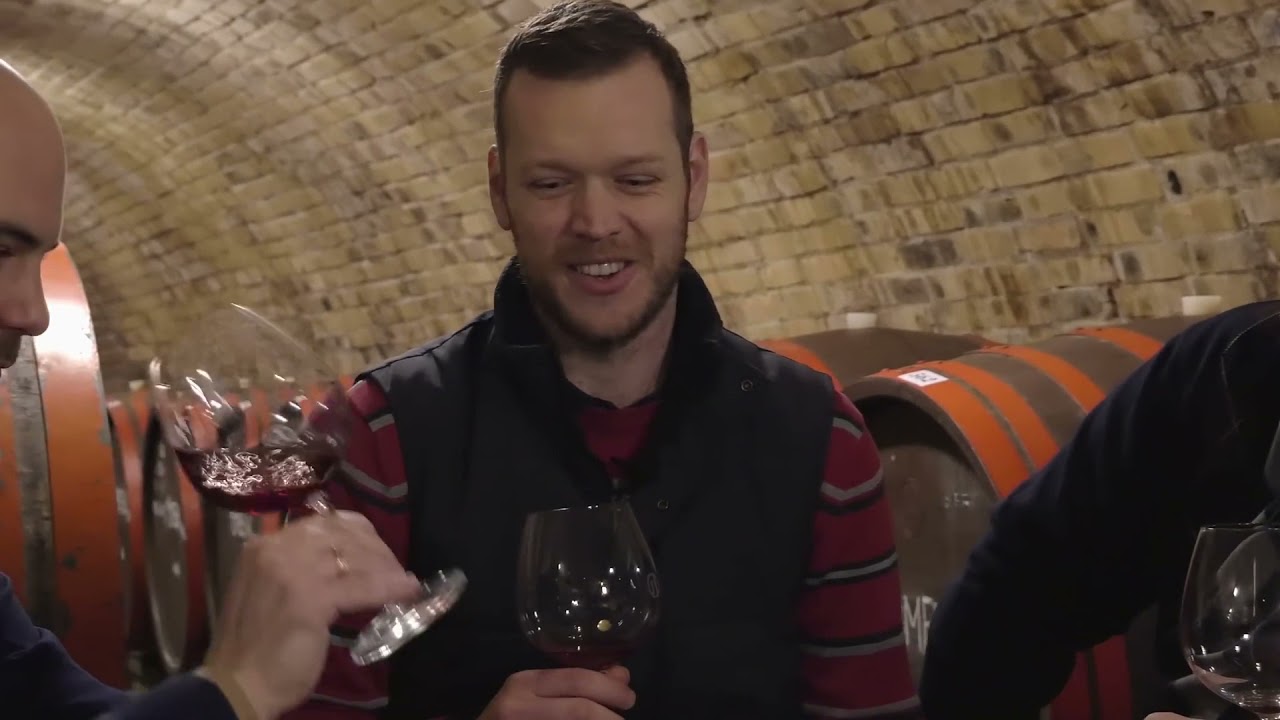
Hungary missed a trick by failing to claim Kékfrankos for its own – it grows far more than anyone else at 7,755ha – but the grape is better known as Austria’s red flagship Blaufränkisch. Its parents have been identified as the prolific Heunisch Weiss (Gouais Blanc) and the rare Zimmettraube Blau, and its origin as today’s Slovenia, an area that was once old Hungary. In communist times, Kékfrankos overtook Kadarka for its generous yields. Today’s growers have been re-learning its potential from better sites with modern winemaking. It’s moderate in colour, expressing black cherry fruit with racy acidity – at its best when treated more like Pinot Noir with a focus on elegance over sheer power. It has taken time, but today Kékfrankos has re-established itself as an exciting local grape that shows off the new face of Hungarian wine, both in signature blends like Bikavér or on its own.
Try: Kovács Nimród, Blues, Eger (£14.67-£16.50 Concept Fine Wines, Kwoff, ND John, Vin Neuf); Sauska, Villány (£18.70-£23.75 Eton Vintners, GP Brands, La Vino, The Drink Shop, Vinvm)
Find more on Hungary wines here

-
 The Santa Lucia Highlands: Wild winds and Pinot Noir heritage
Pinot from the windy coast...
-
 Azienda Agricola Cortese: Championing sustainability in the heart of Sicily
Sponsored Content Meet the winemakers using ancient techniques and sustainable practices to create fresh, modern interpretations of Sicilian varieties

-
Azienda Agricola Cortese: Championing sustainability in the heart of Sicily
Sponsored Content Meet the winemakers using ancient techniques and sustainable practices to create fresh, modern interpretations of Sicilian varieties
-
 Monemvasia Winery – Tsimbidi: bringing an ancient wine into the modern age
Sponsored Content George and Elli Tsimbidi’s winery not only revived one of history's most famous wines but is now breathing fresh life into other native Greek varieties.
-
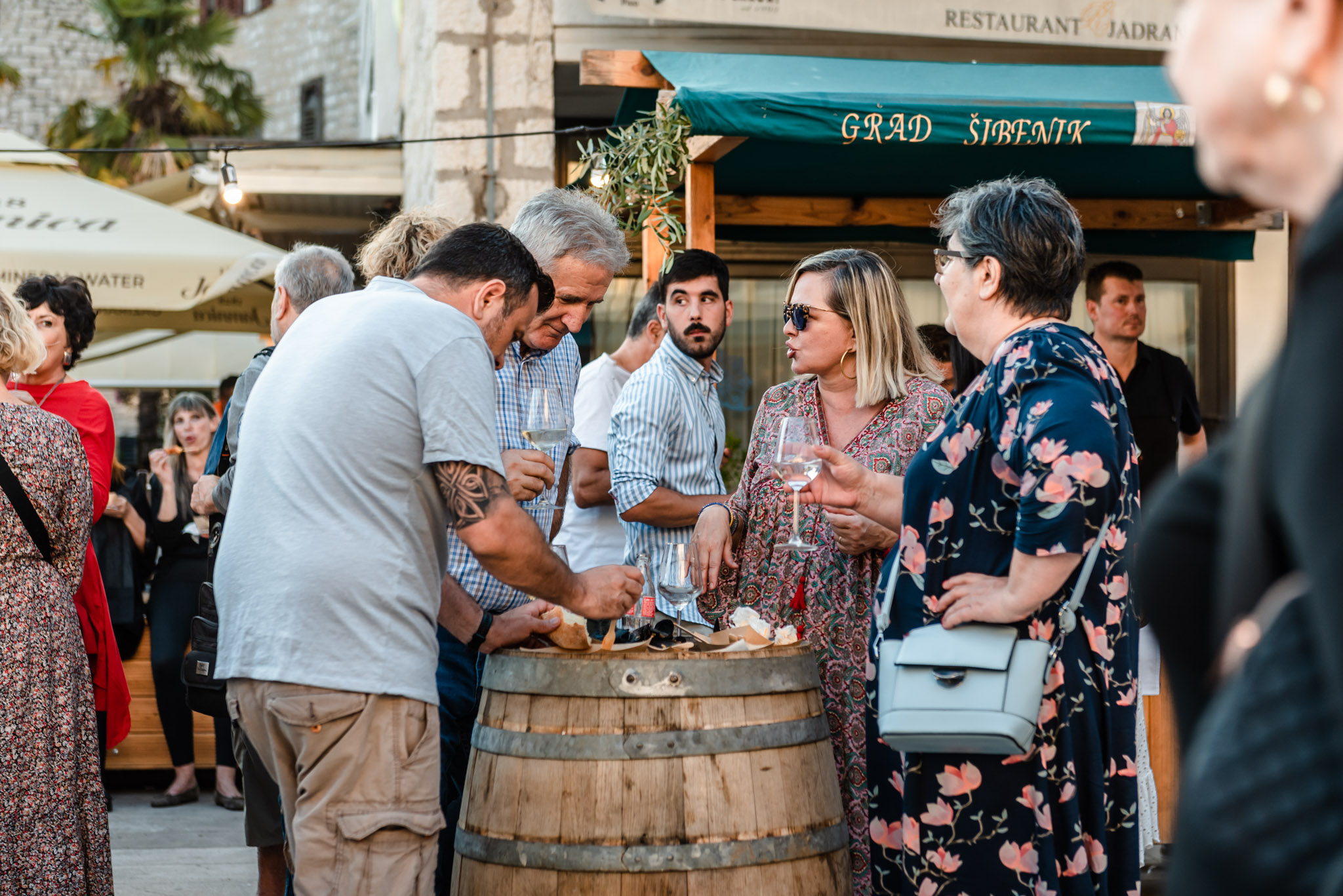 Marenda – A Dalmatian ritual
Sponsored Content What started as a work break has become a well-observed tradition in Dalmatia – one that pairs perfectly with local wine.
-
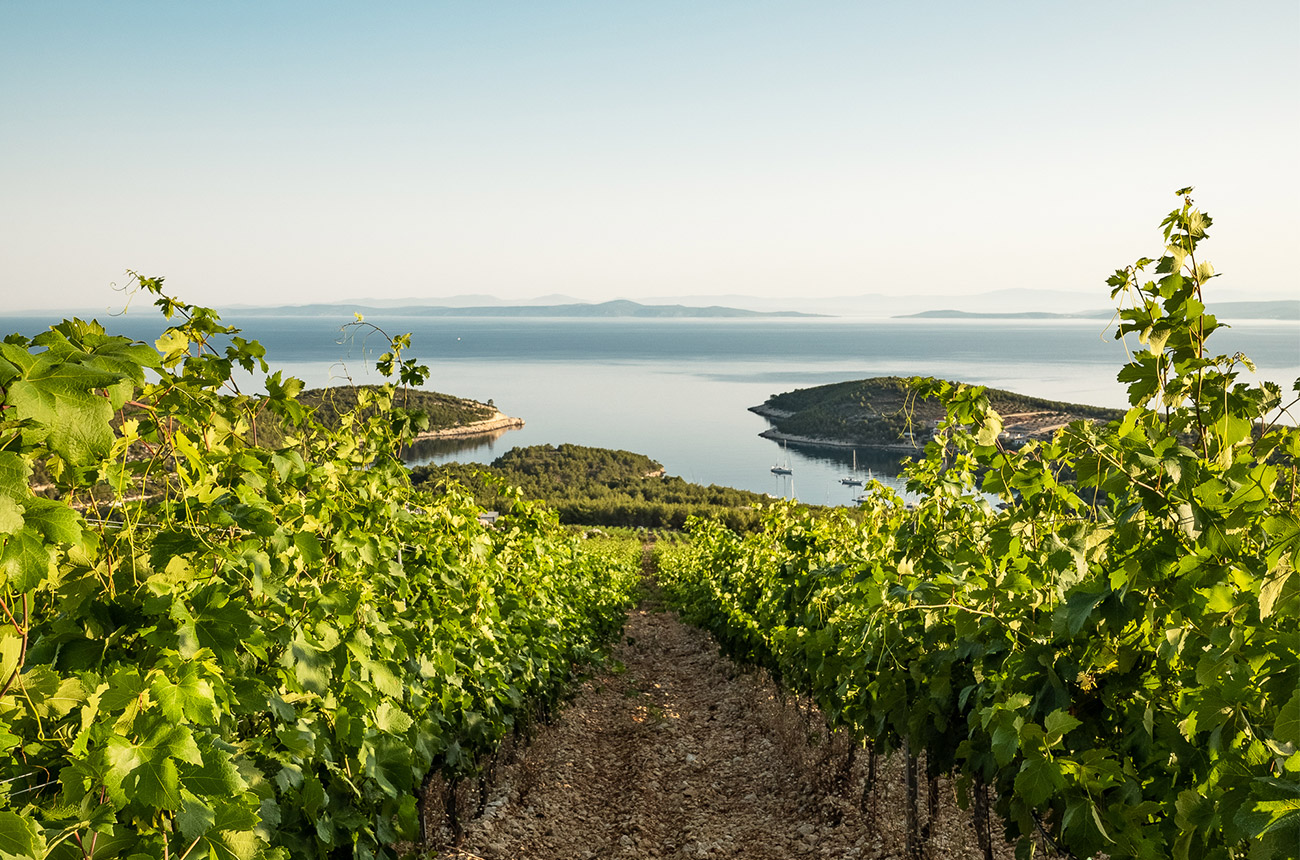 Dalmatia's hall of fame: DWWA winners
Sponsored Content Discover a selection of medal-winning Dalmatian wines from the Decanter World Wine Awards.
-
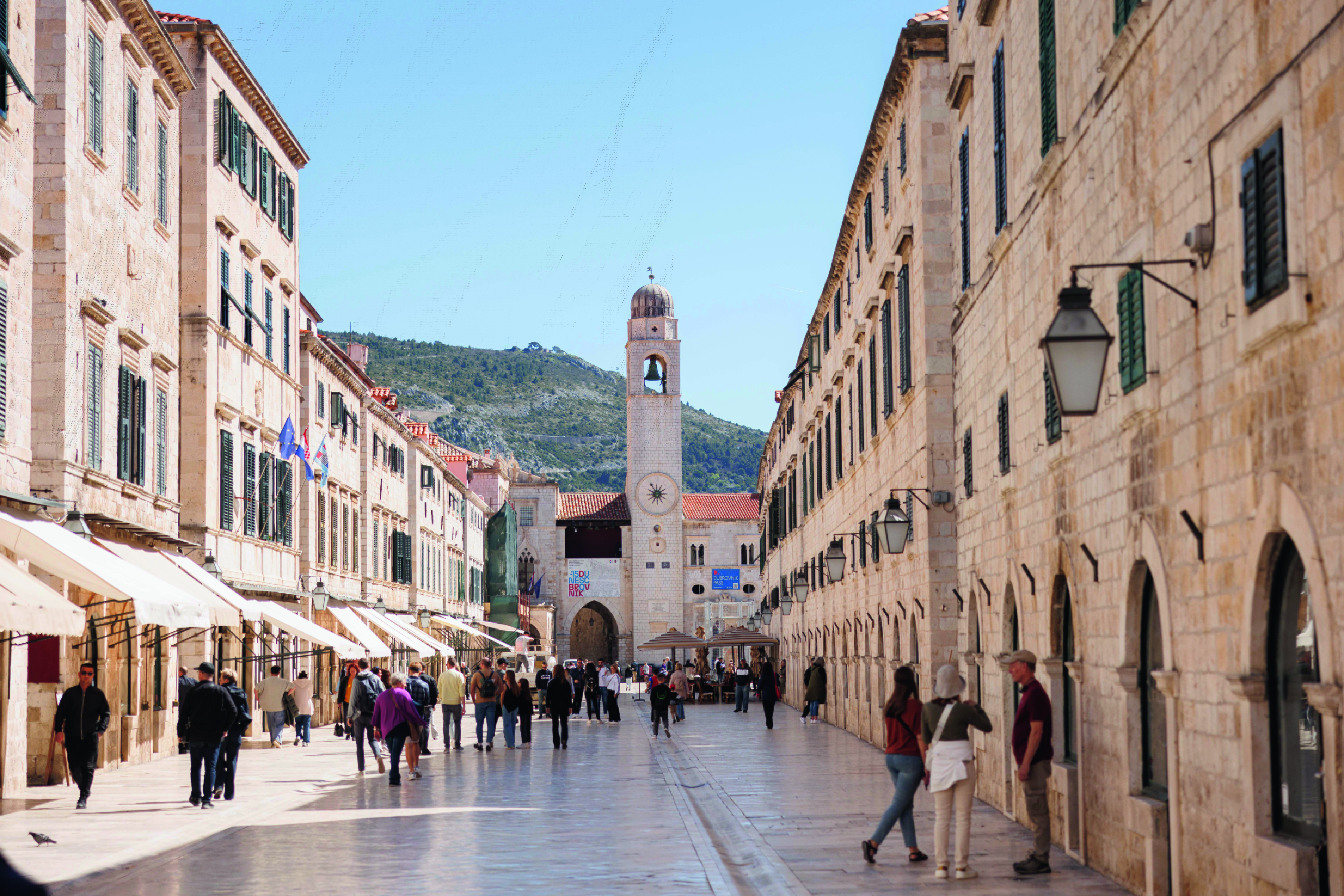 Pomalo: Dalmatia's answer to hustle culture
Sponsored Content A state of mind in Dalmatia, pomalo, which roughly translates as ‘take it easy’, sets the pace of life in this scenic region of Croatia.
-
 A Maldives paradise for wine lovers
The unique wine culture at OZEN RESERVE BOLIFUSHI extends well beyond its carefully curated list with expert tastings, creative pairings and unexpected discoveries to make lasting holiday memories.
-
 Shaping the future of wine & spirits: What’s new at ProWein Düsseldorf?
Sponsored content Returning on 15 – 17 March in Düsseldorf – discover what's new at ProWein in 2026...
-
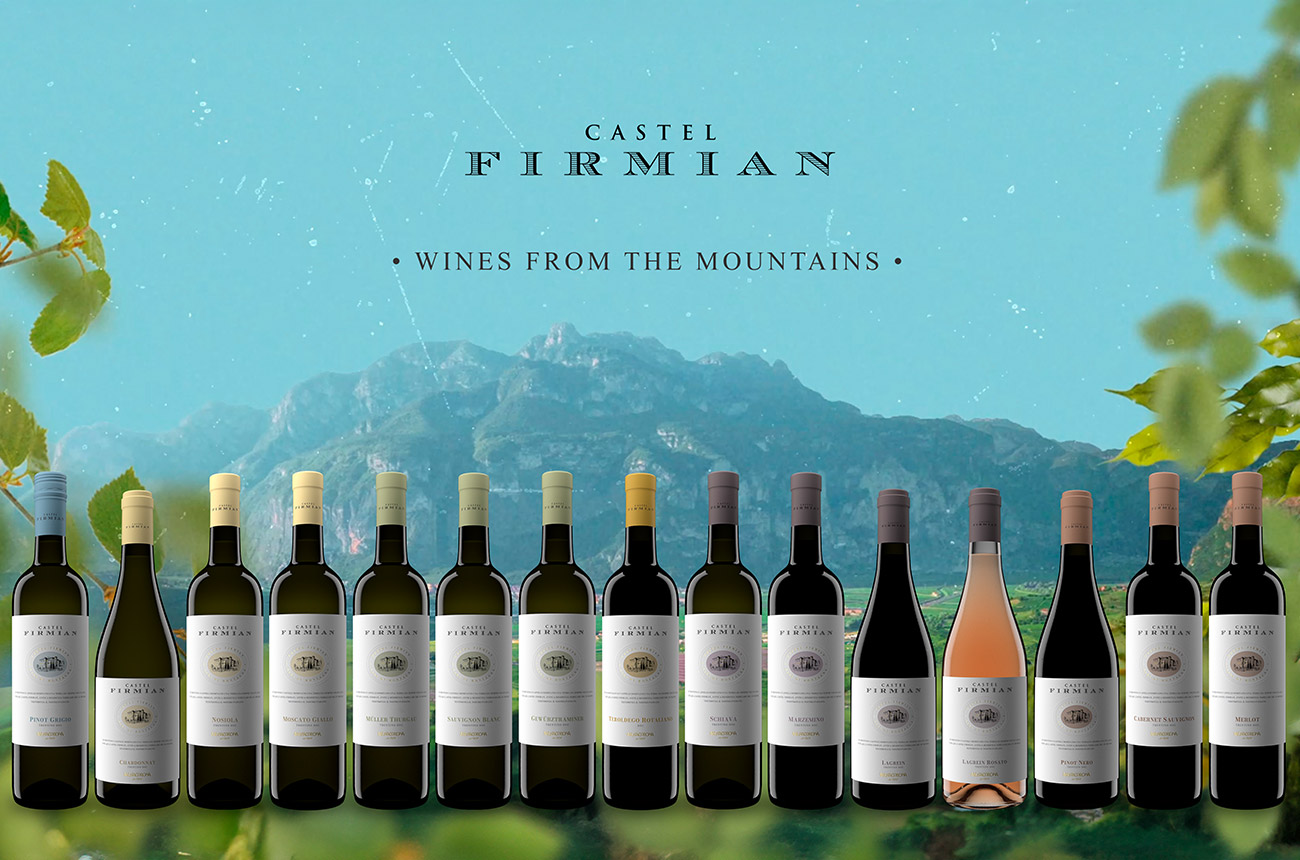 Castel Firmian presents a fresh new look with Wines from the Mountains
Sponsored Content The Trentino winery telling its story with a fresh rebrand...


