

Promotional feature
The Hess Family’s answer to high-altitude winemaking...
Bodega Colomé
Where the road ends our dream begins,’ says Colomé’s CEO, Christoph Ehrbar. Colomé has been chasing those dreams more than most and has been pushing the envelope in terms of high-altitude winemaking since 1831.
The bodega itself is perched at 2,300m altitude, but its four vineyards – all overseen by winemaker Thibaut Delmotte – stretch far higher. One in particular is notably called Altura Máxima (the clue is in the name), planted at 3,111m altitude and which stands proud as the highest vineyard in the world.
The estate was acquired in 2001 by Ehrbar’s father in law, the now-retired businessman Donald Hess, after he fell for its charms three years earlier while on a scouting trip for premium Argentinian terroirs to complement his winemaking interests in other countries.
Swiss-born Hess is almost as well known for his art collection as his winemaking exploits, so it’s apposite that Colomé houses a museum dedicated solely to the work of James Turrell, a distinguished contemporary artist whose pieces and installations are centred around light and space, making them a perfect match for Salta’s blue skies and abundance of sunlight.
Accompanying this gallery space is Colomé’s posada; a nine-room, modestly decadent bolthole where the paint has only just dried following a top-to-tail facelift. It affords guests striking vistas of Salta, alongside the opportunity to get up close and personal with the surrounding land via horseback rides through the vineyards.

Such trappings are almost a prerequisite for the modern-day adventurer, but Colomé has always tended carefully to its traditional roots, as displayed by the release of a new cuvée called Malbec 1831. As the name suggests, the wine is produced from grapes grown on its small Santa Jakoba vineyard, first planted back in the year Colomé was founded.
‘Because of the remoteness of Colomé, this vineyard was never affected by phylloxera, which makes them the oldest pre-phylloxera vines in the world,’ says Ehrbar.
‘We have learned from our ancestors. It’s easy to produce good wine – the only thing you need is good grapes. And good grapes come from great vineyards, so all you need is great terroir.’


-
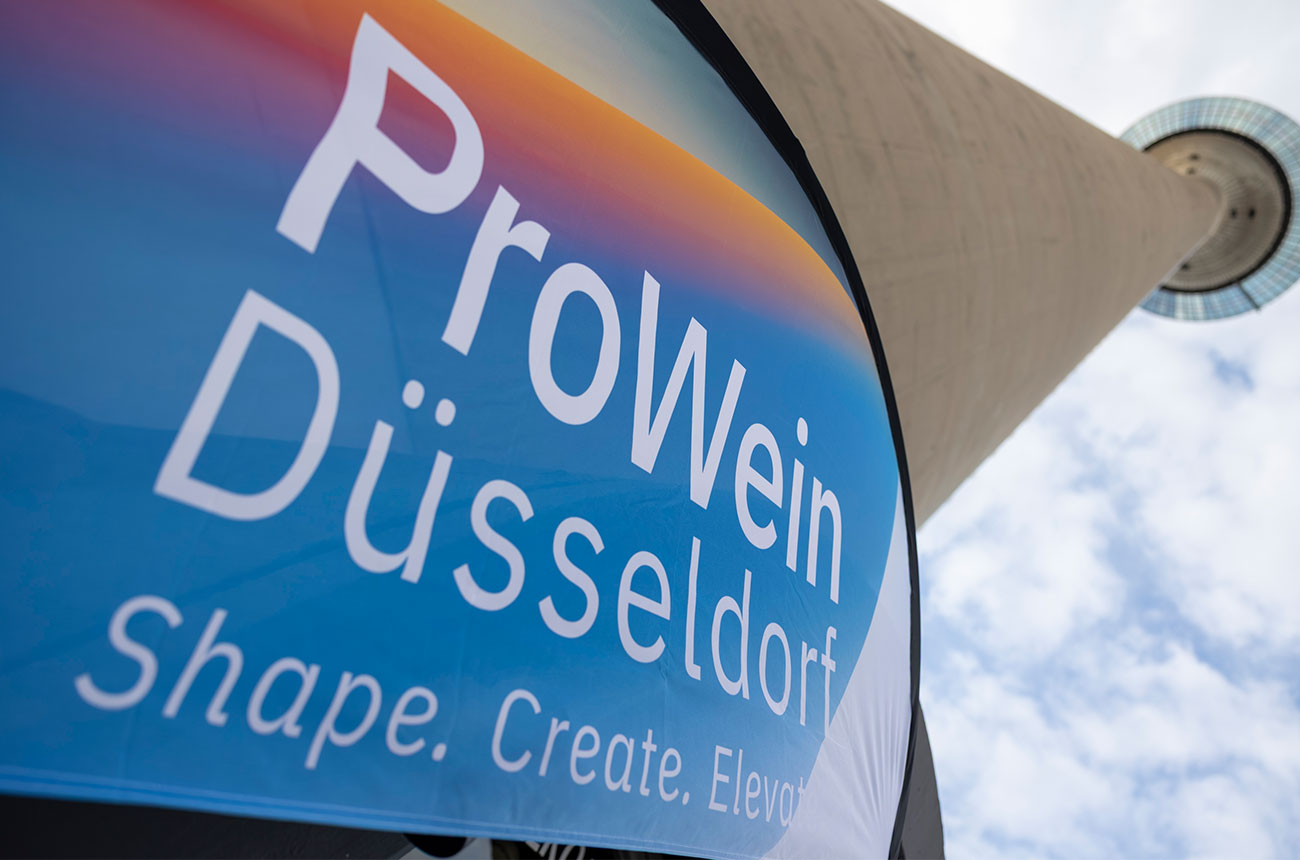 Shaping the future of wine & spirits: What’s new at ProWein Düsseldorf?
Sponsored content Returning on 15 – 17 March in Düsseldorf – discover what's new at ProWein in 2026...
-
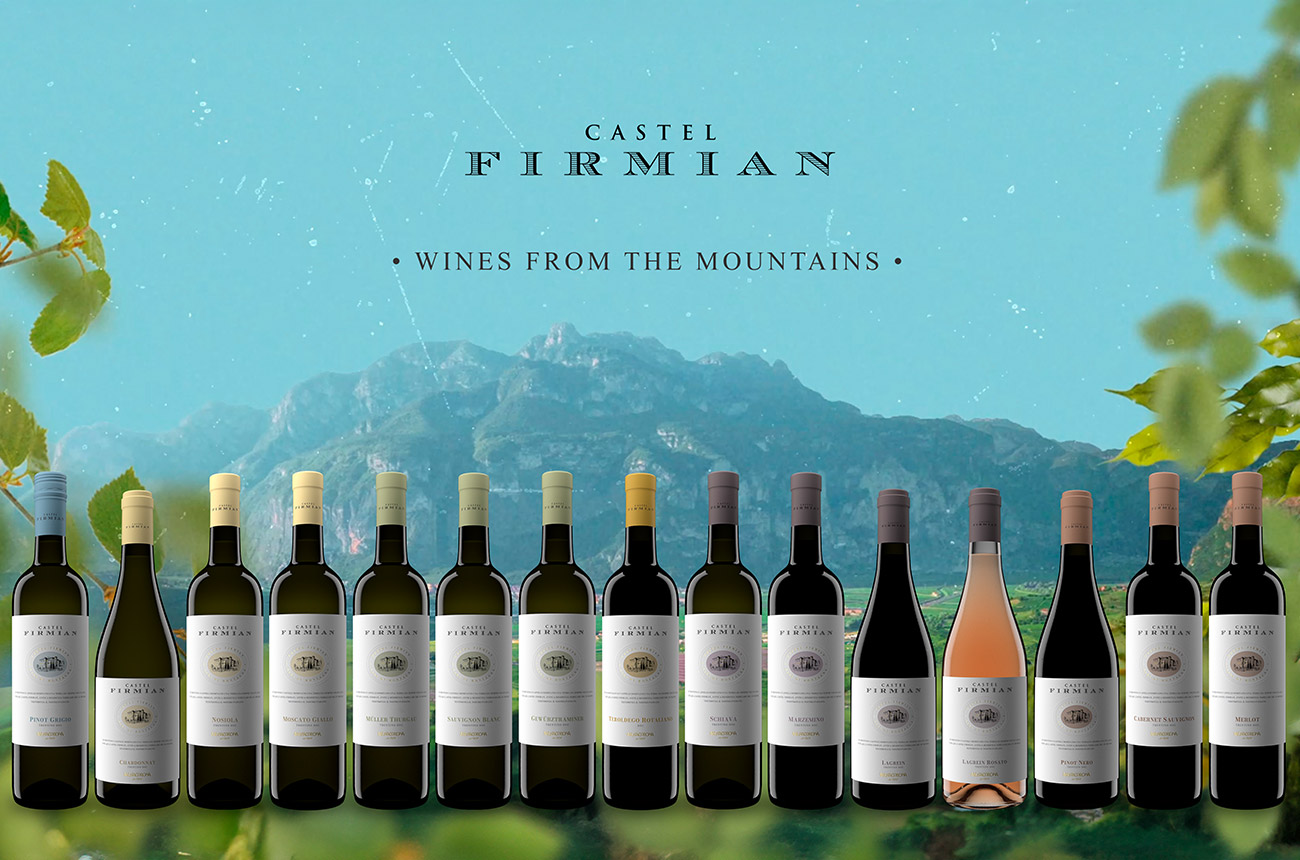 Castel Firmian presents a fresh new look with Wines from the Mountains
The Trentino winery telling its story with a fresh rebrand...
-
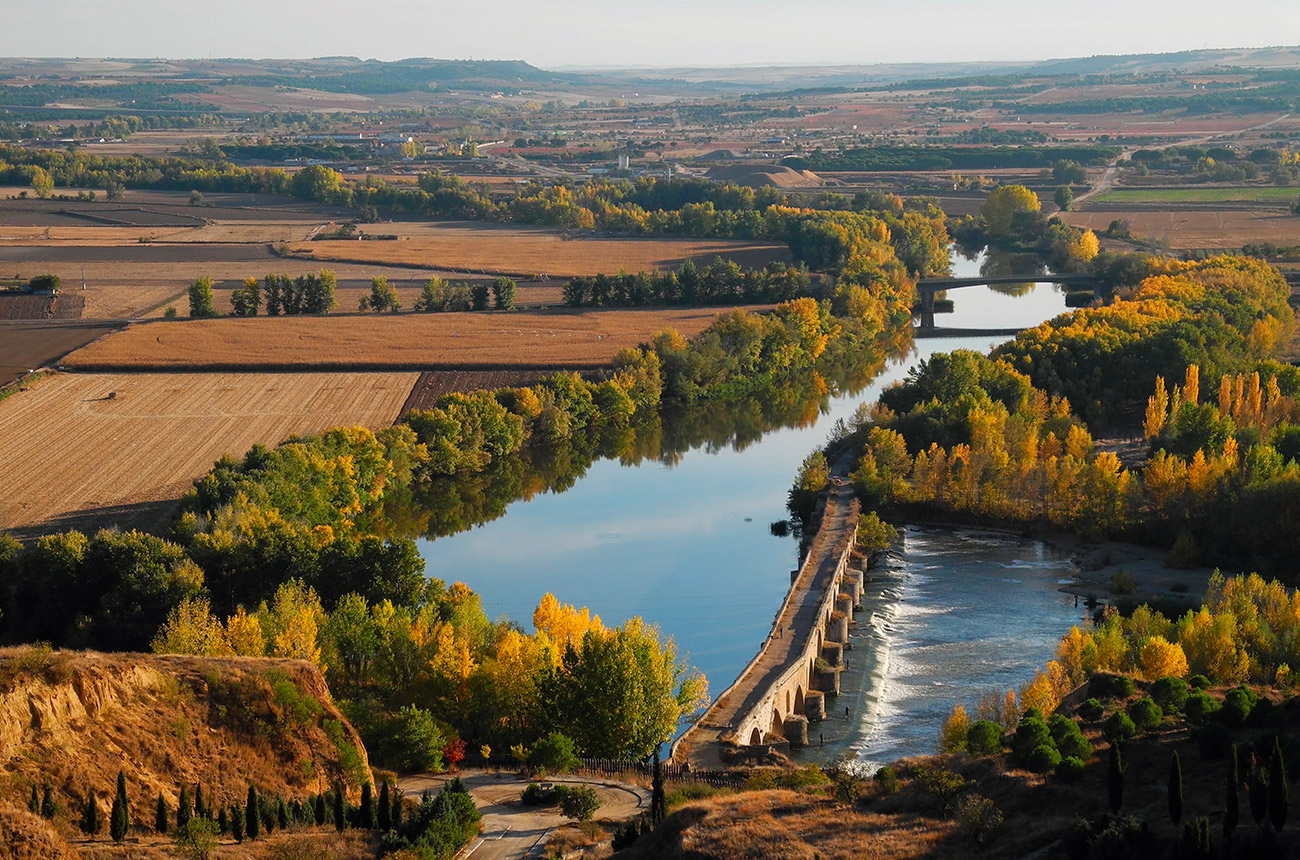 Toro: A tale of resilience, evolution and commitment
This region’s past offers important clues on how to face present challenges...
-
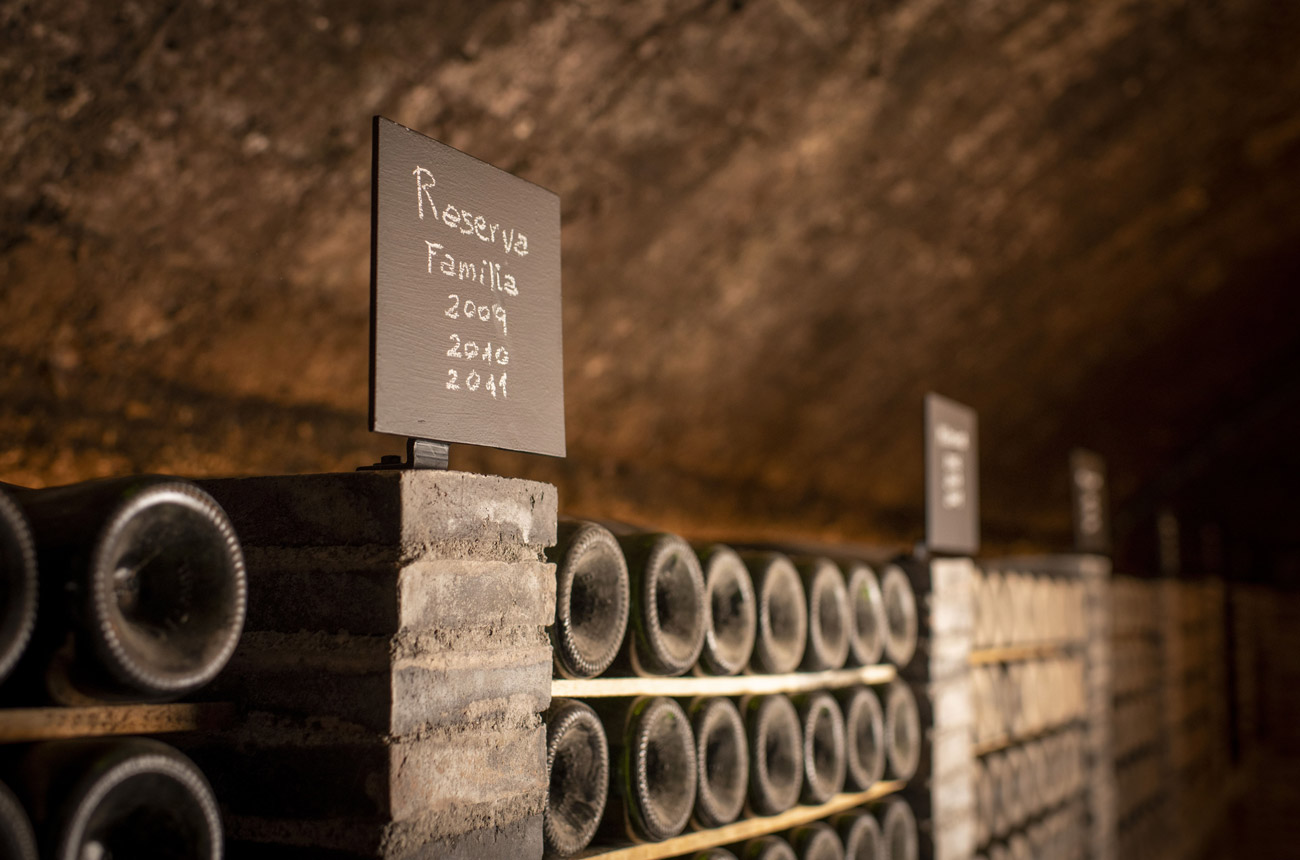 Juvé & Camps: Taking long-aged sparkling wines to new heights
Sponsored content Long-aged sparkling wines that express the craft of the winemakers...
-
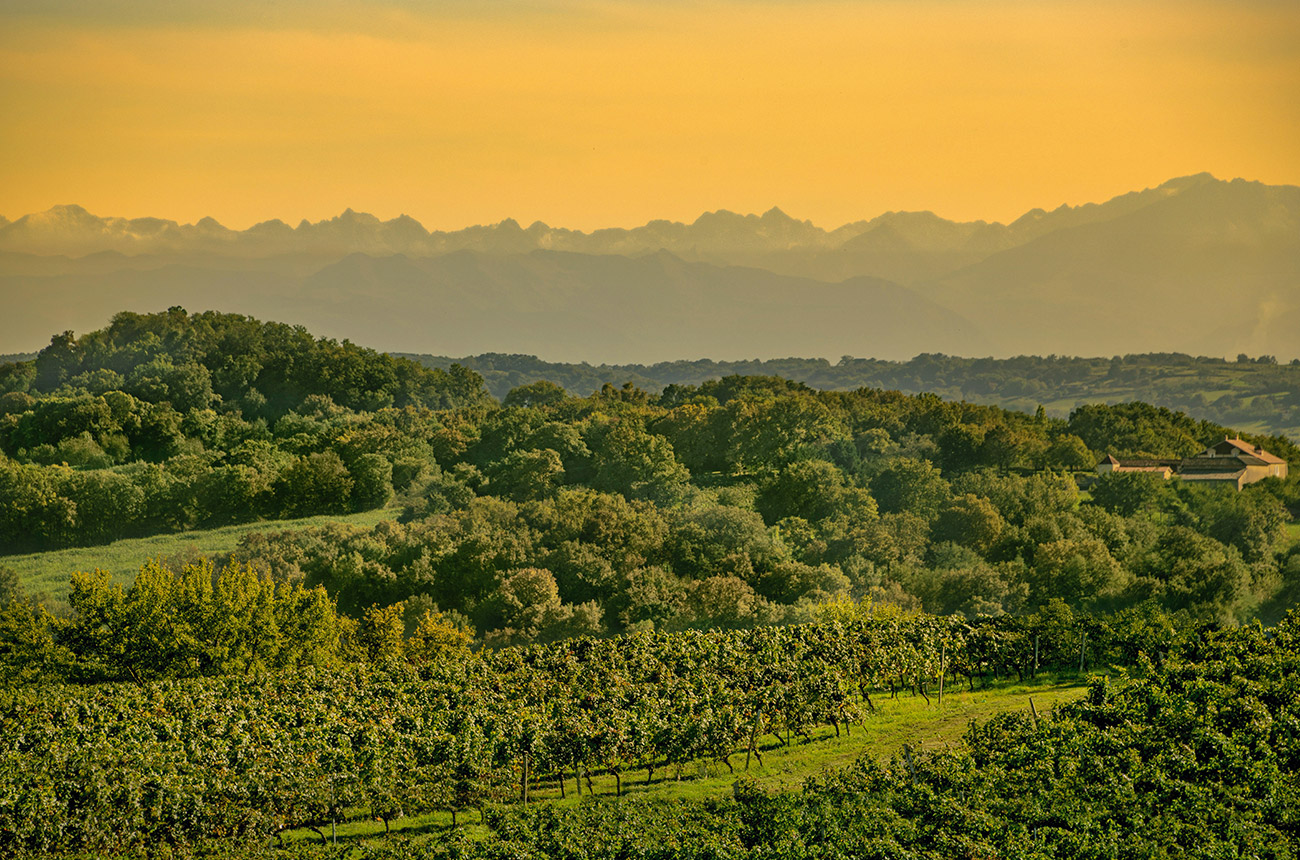 Plaimont: Building the future of Saint Mont
Sponsored content A 'super cooperative' leading on sustainability in the Pyrenean foothills...
-
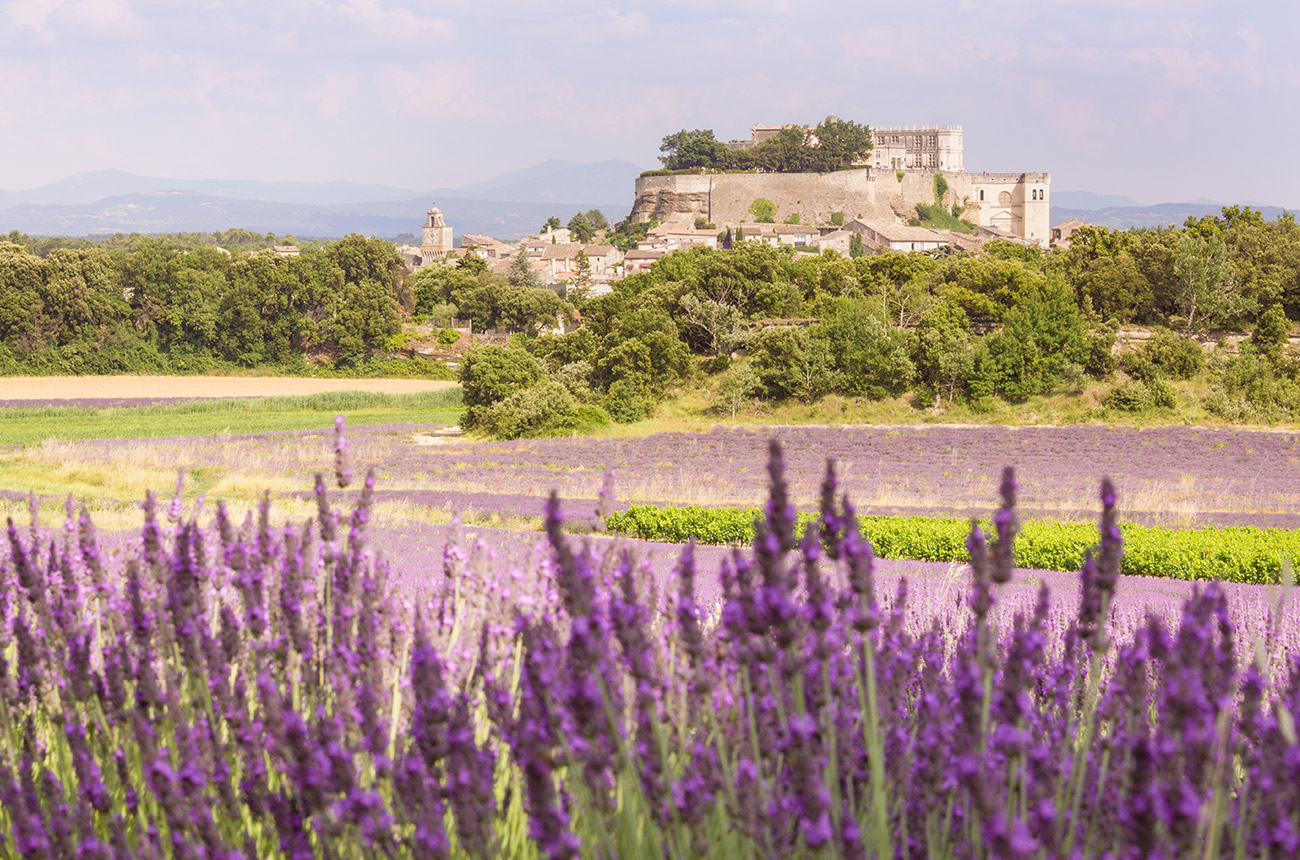 Grignan-les-Adhémar AOC: At the head of the Southern Rhône
Sponsored content Discovering the diversity of the Southern Rhône’s most northerly appellation...
-
 Wine Paris 2026: A new era for the global drinks industry
Returning from 9-11 February in Paris, discover what's new in 2026...
-
 Remírez de Ganuza: Looking to the future
Decanter sits down with Jose Ramón Urtasun...


