

Ribera del Duero might be one of Spain’s younger officially demarcated wine regions, established in 1982 (though there is evidence that wine has been made here for more than 2000 years), yet it has progressed from bulk wine to world-class bottlings in just a few decades, and it’s now home to some of Spain’s most sought after wines, with 319 wineries and 57,340 acres of vineyards. The wines are food-friendly when young, but also crafted to age, developing an enviable complexity, with a balancing acidity and generous fruit.
This is red wine country – rich reds, made using mostly Tempranillo (known here as Tinto Fino or Tinto del País), which represents 95% of all the grapes grown in the D.O., grown on a vast, semi-arid plateau two hours north of Madrid, between Valladolid and Aranda, near the banks of the Duero river.

The sprawling, sun-drenched landscape features a mix of different soils, exposures and elevations – some as high as half a mile above sea level, which results in extreme temperature swings from day to night, creating the perfect ripening conditions for Tempranillo, giving Ribera del Duero wines that distinctive character. Add sustainable viticulture into the mix, and a family boasting a long heritage in the grape-growing business and it’s hardly surprising that the medals have started to roll in at Bodegas Linaje Garsea.
The winery scooped a Best in Show at the Decanter Asia Wine Awards 2019 for its Archangelus Gabrihel French Oak, with its fleshy plum and black cherry notes, soft tannins and blackberry richness on the finish, the oak showing elegant restraint. While its Señorio de Caleruega (100% Tinta del Pais) scooped a Platinum medal, with judges praising its creamy palate of toasty oak, chocolate and sweet black fruits and its silky, refined length.

So how did they do it, exactly? Says co-owner and winemaker José Carlos Garciá Agudo: “Our passion for creating a sustainable environment, combined with a lot patience and our knowledge in the winery, means that we can create wines that truly express the land from which they came from, without irrigation or any additives or preservatives.”
The García Agudo family have 65 hectares of vines in all, some up to 80 years old, with no more than 3,000 vines per hectare, which falls well below the official maximum. The grapes are picked by hand, too – sometimes at night, so that fermentation doesn’t start prematurely, and the grapes are carefully stacked in 12 to 20 kilo boxes to keep them pristine. “Linaje Garsea has something special, from the silence in the cellar listening to the oak barrels breathe, to the affection of seven brothers who live wine without compromise,” says José.
Questions and information: linajegarsea@live.com


-
 Shaping the future of wine & spirits: What’s new at ProWein Düsseldorf?
Sponsored content Returning on 15 – 17 March in Düsseldorf – discover what's new at ProWein in 2026...
-
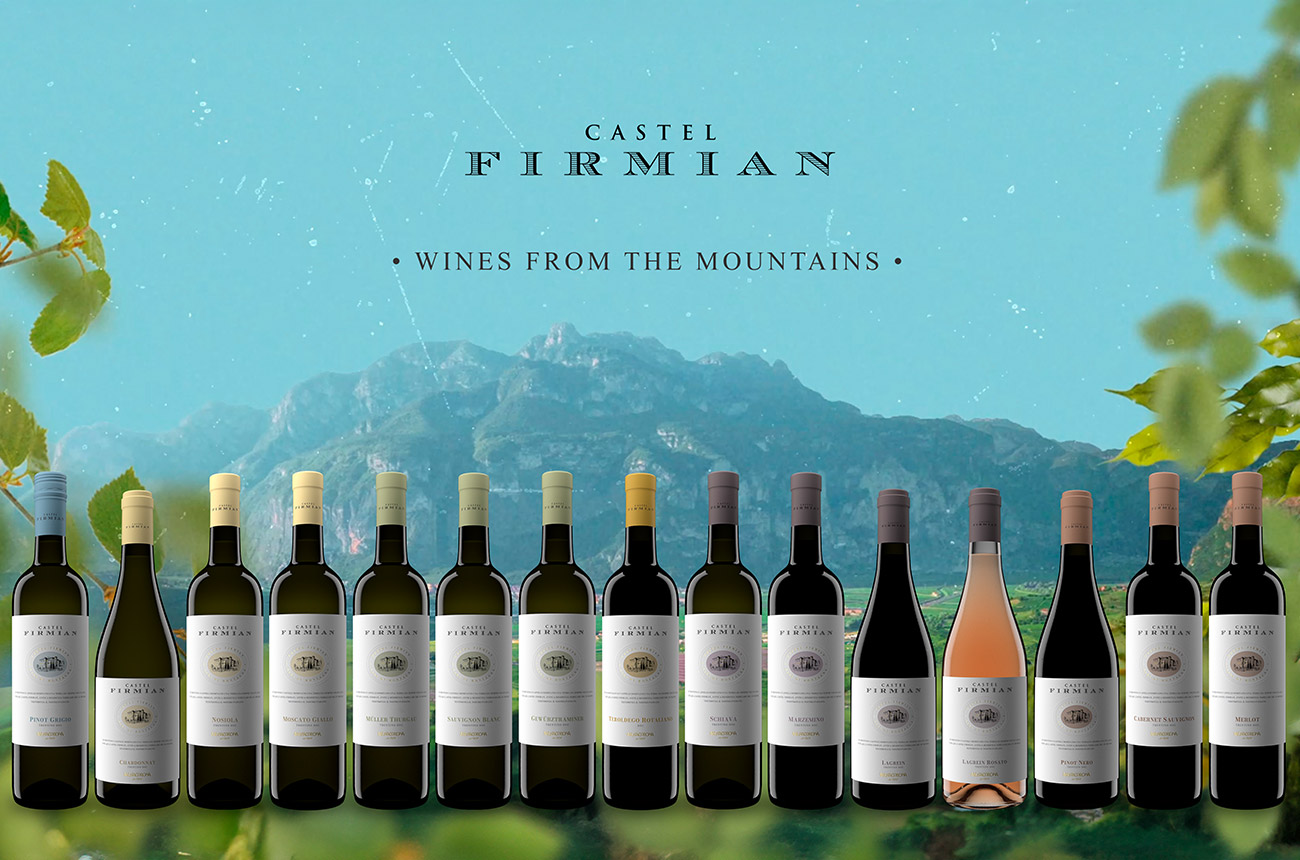 Castel Firmian presents a fresh new look with Wines from the Mountains
The Trentino winery telling its story with a fresh rebrand...
-
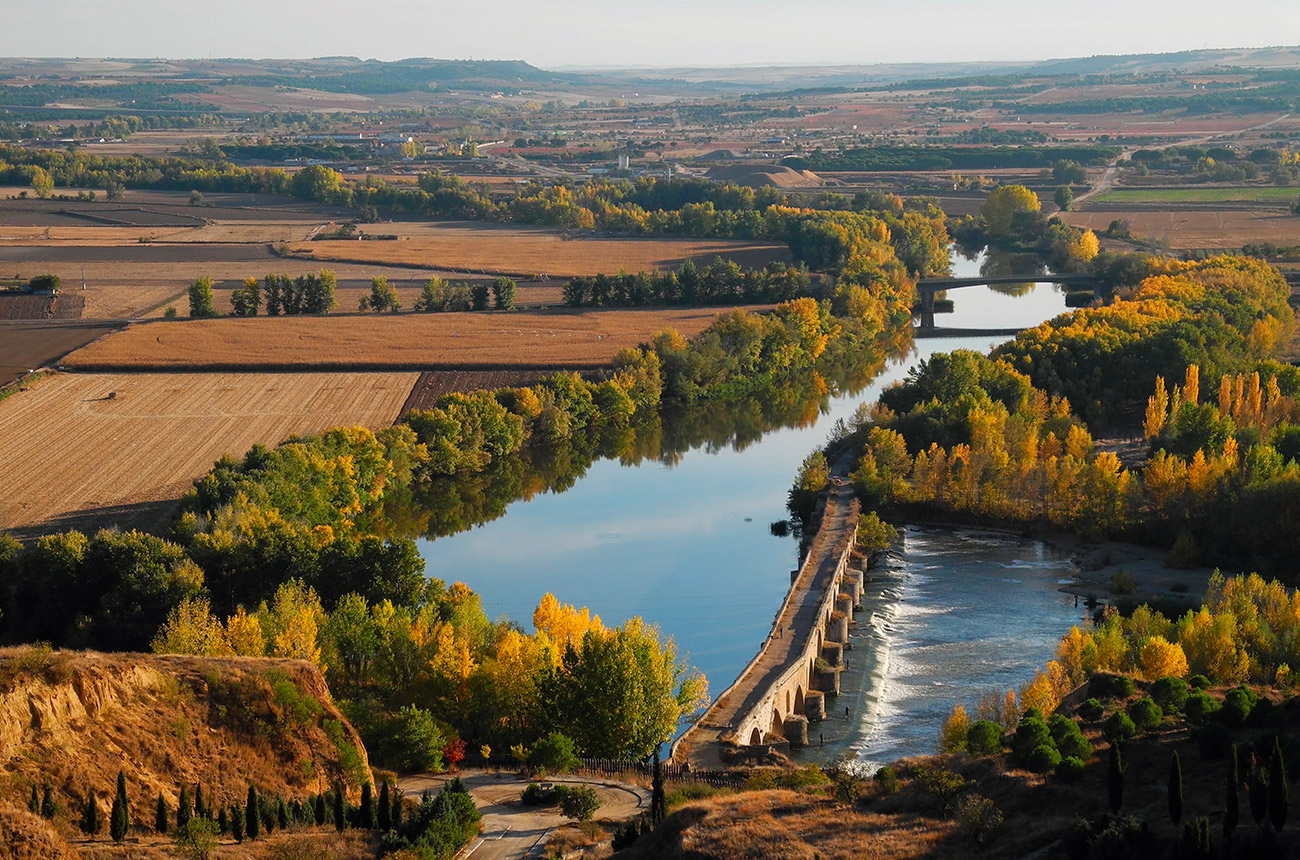 Toro: A tale of resilience, evolution and commitment
This region’s past offers important clues on how to face present challenges...
-
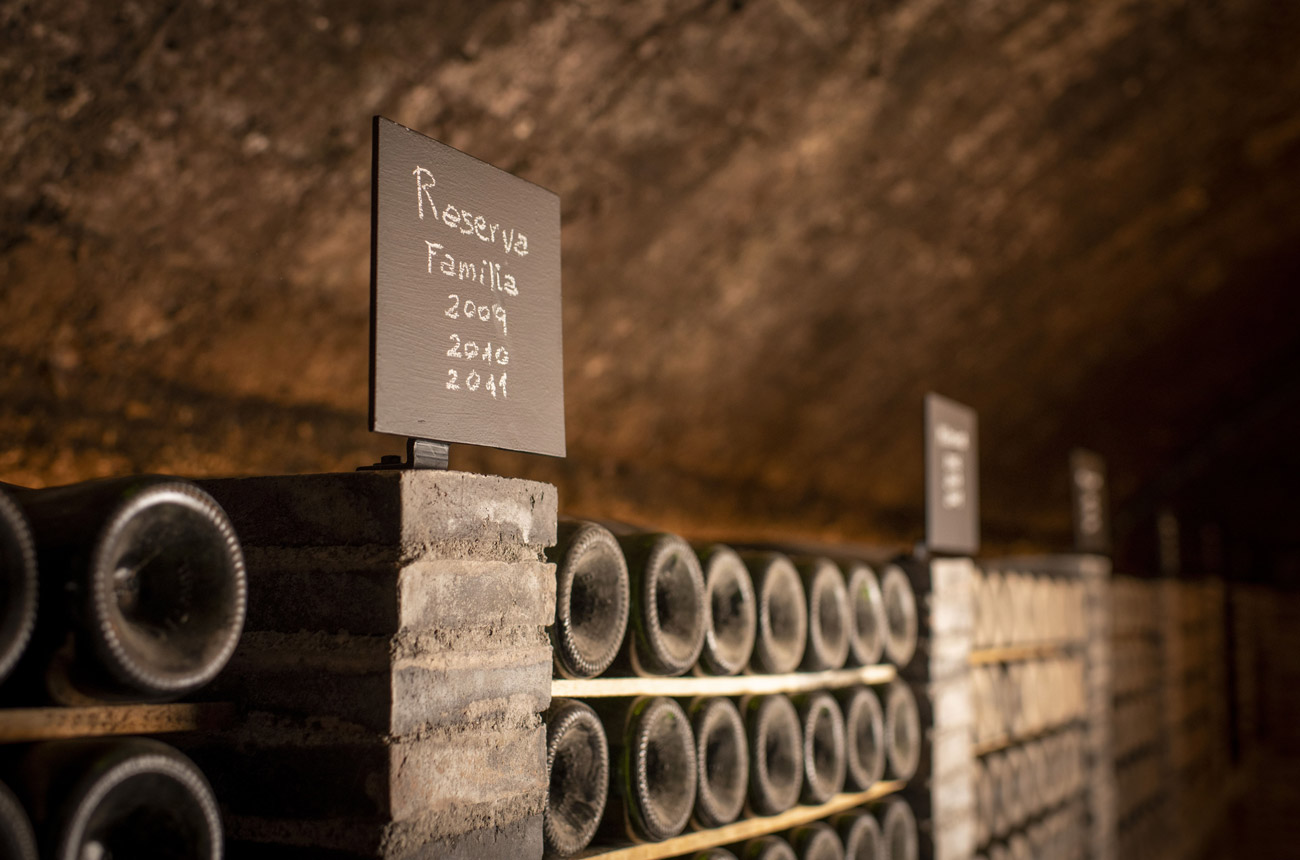 Juvé & Camps: Taking long-aged sparkling wines to new heights
Sponsored content Long-aged sparkling wines that express the craft of the winemakers...
-
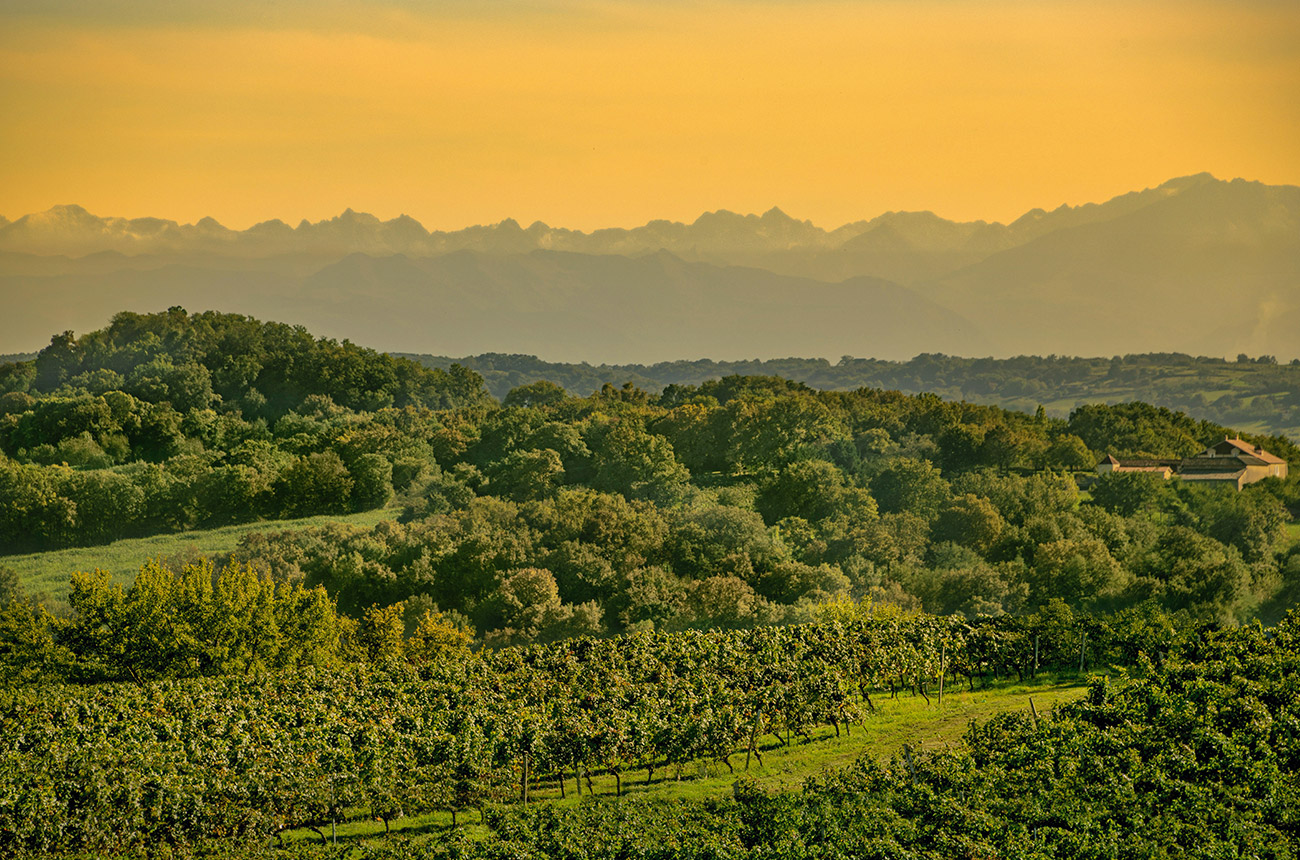 Plaimont: Building the future of Saint Mont
Sponsored content A 'super cooperative' leading on sustainability in the Pyrenean foothills...
-
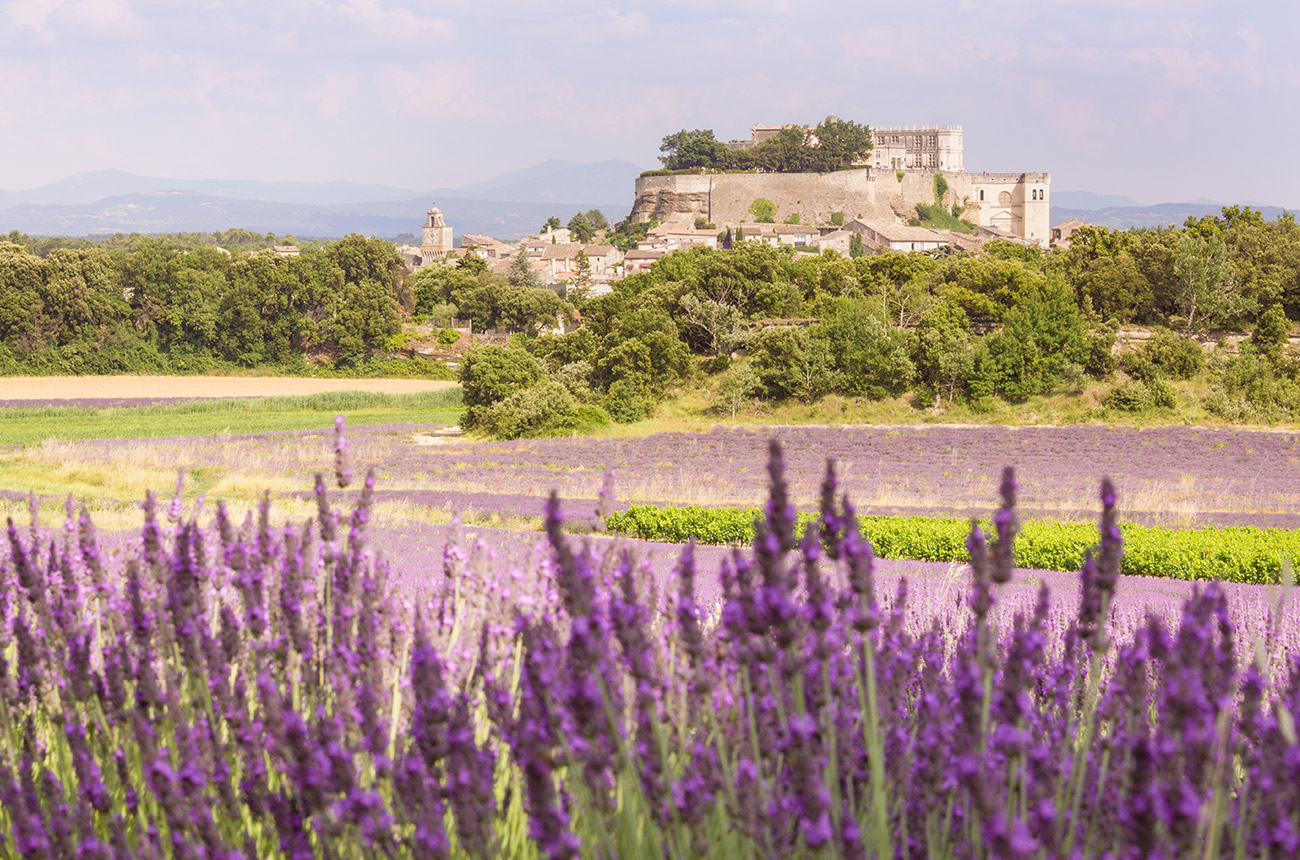 Grignan-les-Adhémar AOC: At the head of the Southern Rhône
Sponsored content Discovering the diversity of the Southern Rhône’s most northerly appellation...
-
 Wine Paris 2026: A new era for the global drinks industry
Returning from 9-11 February in Paris, discover what's new in 2026...
-
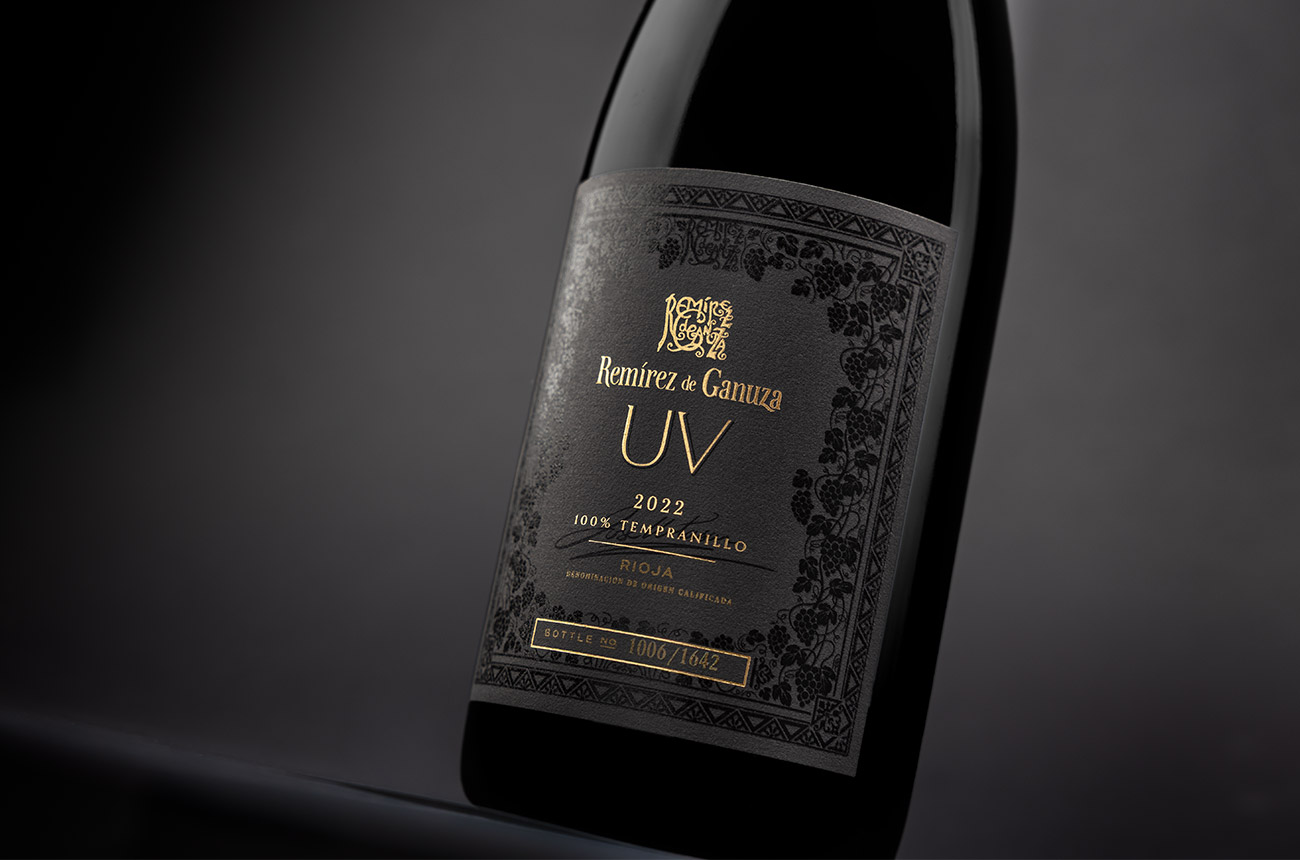 Remírez de Ganuza: Looking to the future
Decanter sits down with Jose Ramón Urtasun...


