

If you had to sum up Sicily’s past in one word, you would probably choose ‘change’. Its position at the crossroads between southern Europe and North Africa and between the eastern and western halves of the Mediterranean has given it a strikingly cosmopolitan past. Over the centuries, the Phoenicians, Greeks, Romans, Normans and Arabs have all left their mark here.
It’s given the island a vibrant history and an openness to new ways of thinking. And that ability to assimilate new concepts, think creatively, adapt and innovate is very much a hallmark of the Pellegrino family.
A story of six generations
One of the island’s most famous wine names, currently run by the sixth generation of the family, Cantine Pellegrino has been making wine in the west of Sicily for over 140 years. Established in 1880, the winery built its reputation with its Marsalas: intense, ageworthy sweet wines as beguiling as the breezes from the African coast.
But in recent decades, the family have focused on an exciting new chapter: using all their expertise in viticulture, winemaking and western Sicily’s terroir to create a high-quality portfolio of dry table wines.
The family knew from the start that they did not want to concentrate on ‘international’ grapes (such as Cabernet Sauvignon), but instead focus almost entirely on the varieties that are local to the area.

The Pellegrino family.
Keeping it local
Grillo, Zibibbo (Muscat) and Nero d’Avola are iconic indigenous varieties that are well-suited to the Sicilian climate. They can withstand the endless sunshine and low rainfall to attain perfect ripeness without too much alcohol, yielding wines of structure and, crucially, balance – particularly when planted in the optimum locations.
And it is here that the Pellegrino family’s decades of experience come to the fore. Cantine Pellegrino owns 150ha of vineyards, spread over five estates. They are each very different in soil and microclimate, and allow the family to find the perfect location for each variety – so important when creating high-quality table wine.

Cantine Pellegrino’s Tenuta Gazzerota vineyard, planted to Nero d’Avola.
Diverse expressions of the Grillo variety
The dry whites, based on the Grillo grape, come from two very different vineyards. The name Il Salinaro Grillo gives you a clue to the location of one of them – a reference to the traditional trade of harvesting sea salt, a business that still takes place today on Sicily’s west coast.
Just a few kilometres from the sea, on sandy-calcareous soil, at Il Salinaro the vines are bathed all day in breezes off the Mediterranean, allowing the grapes to ripen slowly and give fruit of softness and depth but also freshness. It’s a good match with pasta and pesto.
The Senaría Grillo Superiore is very different. At this vineyard, further inland and away from costal breezes, the soils are clay temperatures are higher. The vines are naturally stressed, but since they are 40 years old, they have deep roots and can tolerate the conditions. This Grillo Superiore is richer and more intense – though still unoaked – and is a worthy match for more powerful flavours.
Spicy Nero d’Avola reds
The Gazzerotta Nero d’Avola comes from close by. The estate is named after the black and white magpies that gather on the estate in the autumn once harvest has finished. Temperatures and water stress are a feature of this inland vineyard, but Nero d’Avola thrives in these conditions, giving a wine that is ripe and spicy – but still balanced.
Typically aged for two years, it’s a great match with grilled meat or a classic mushroom risotto.

The Isesi Pantelleria, from bush-trained Zibbibo (Muscat) vines on the windswept island of Pantelleria.
Pantelleria: A winegrowing island like no other
Two further wines merit a special mention. The island of Pantelleria is closer to the coast of North Africa than it is to Sicily, 85km away. The unique alberello vine training system practised on this wind-blown volcanic outcrop – shaping the plants like small trees – is included on the UNESCO Intangible Cultural Heritage list and helps the vines withstand the constant wind.
The Isesi Pantelleria, from Zibibbo (Muscat), is an aromatic, dry white – great with fish, lobster and vegetarian dishes.
The Nes Passito Naturale di Pantelleria, meanwhile, also 100% Zibibibo, is a sweet wine that offers notes of dried fruit, apricot, Mediterranean herbs and chestnut honey.
Dulcis in fundo
As well as its range of dry wines, Cantine Pellegrino’s iconic Marsalas, from solera-aged expressions to vintage-dated bottlings, remain the the beating heart of its production. These historic wines pay tribute to the illustrious names of Sicily’s past, while setting the pace for generations to come. Tasting Cantine Pellegrino’s wines is a journey through centuries-old traditions and modern ideas, and the vineyards and grapes that have made Sicily such a vibrant wine area.

Cantine Pellegrino’s long-aged Marsalas remain the heart of its production.
Discover more about Cantine Pellegrino
Connect on
Facebook | Instagram | YouTube


-
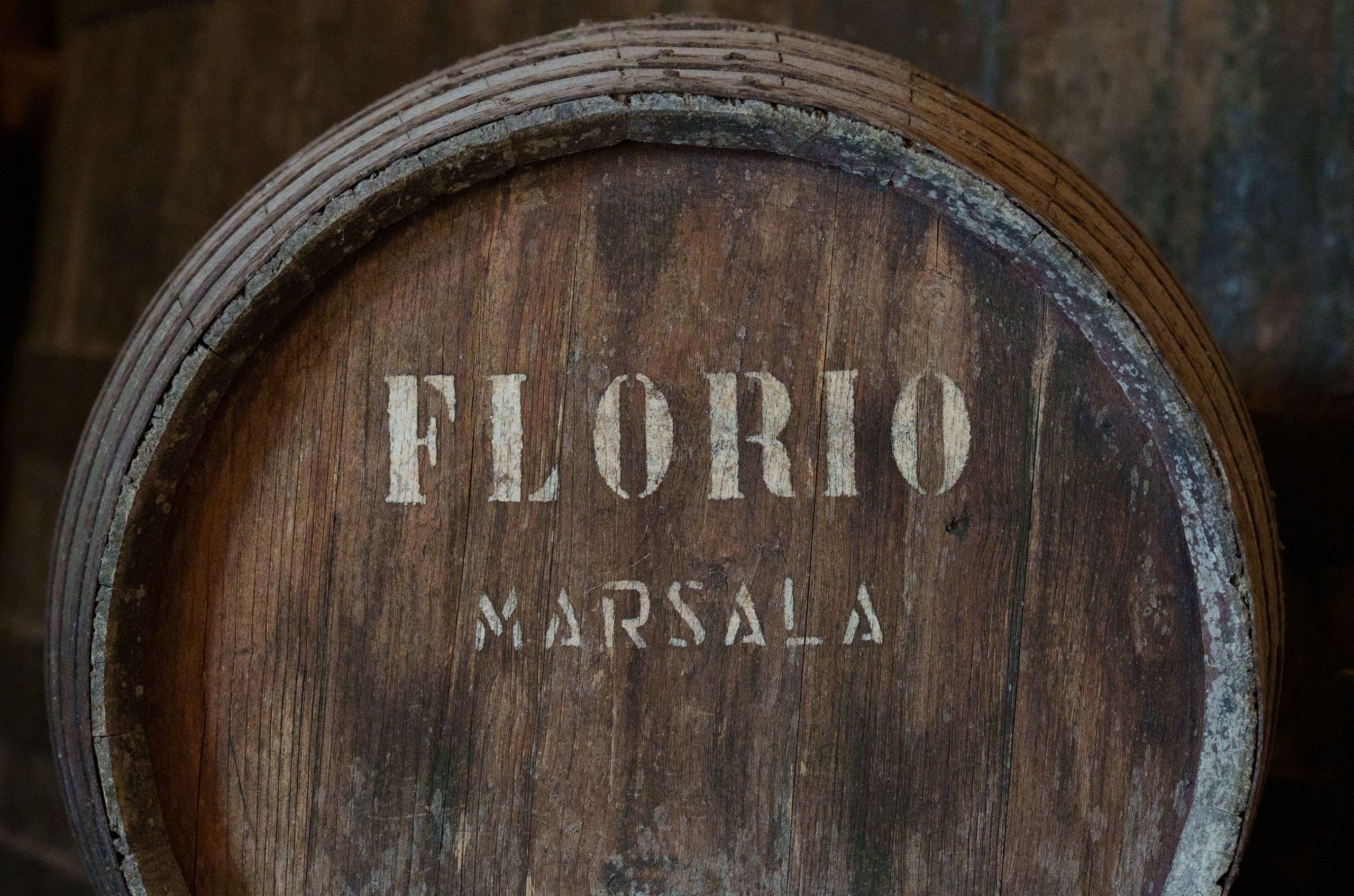 Florio: Winning new fans while respecting Marsala’s history
Sponsored An important milestone in Marsala...
-
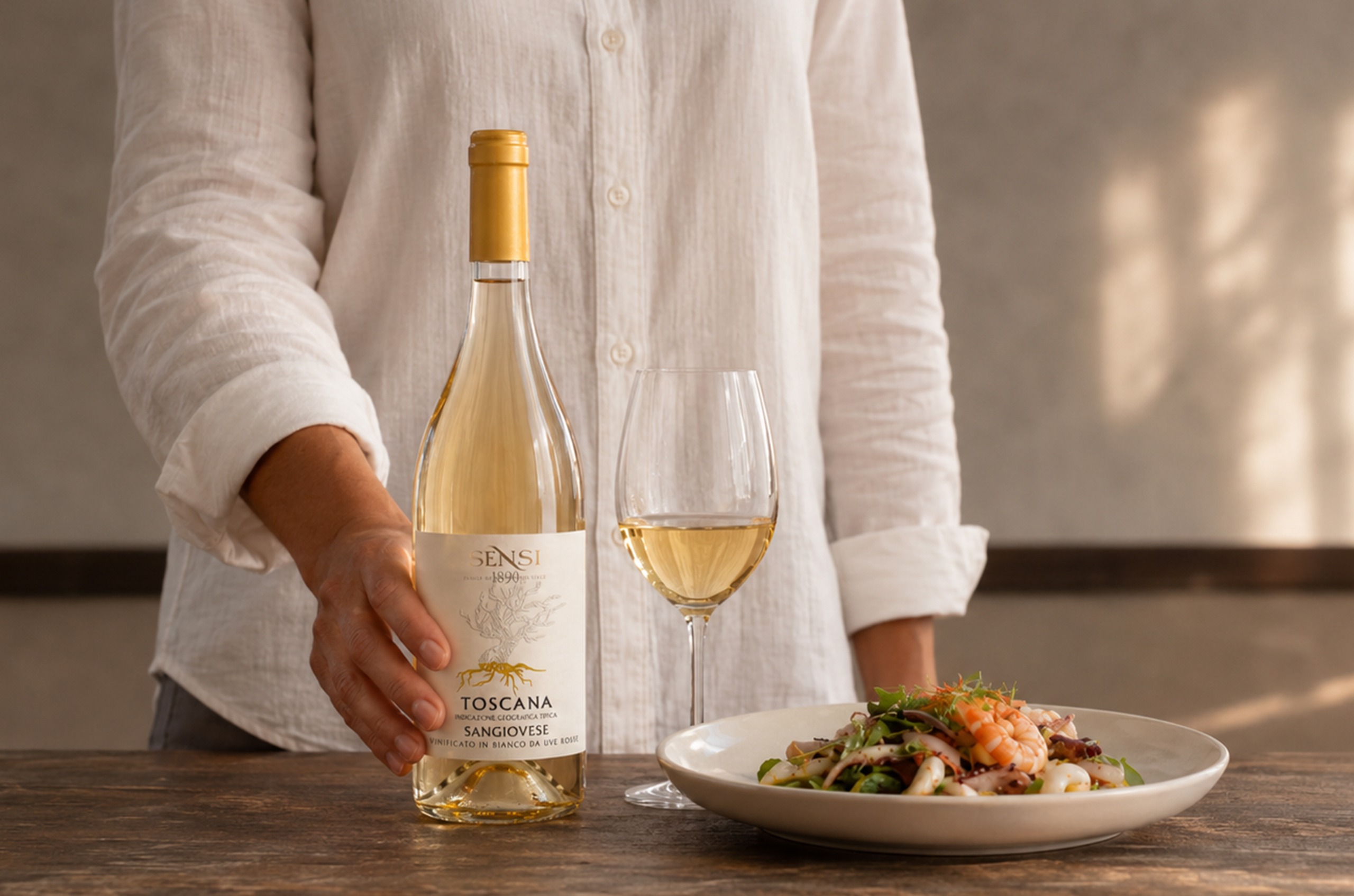 Sensi Vini: The gateway to your Italian wine exploration
Sponsored Chianti and beyond...
-
 Celebrating European diversity
Sponsored Introducing the ‘Celebrate the Diversity’ project...
-
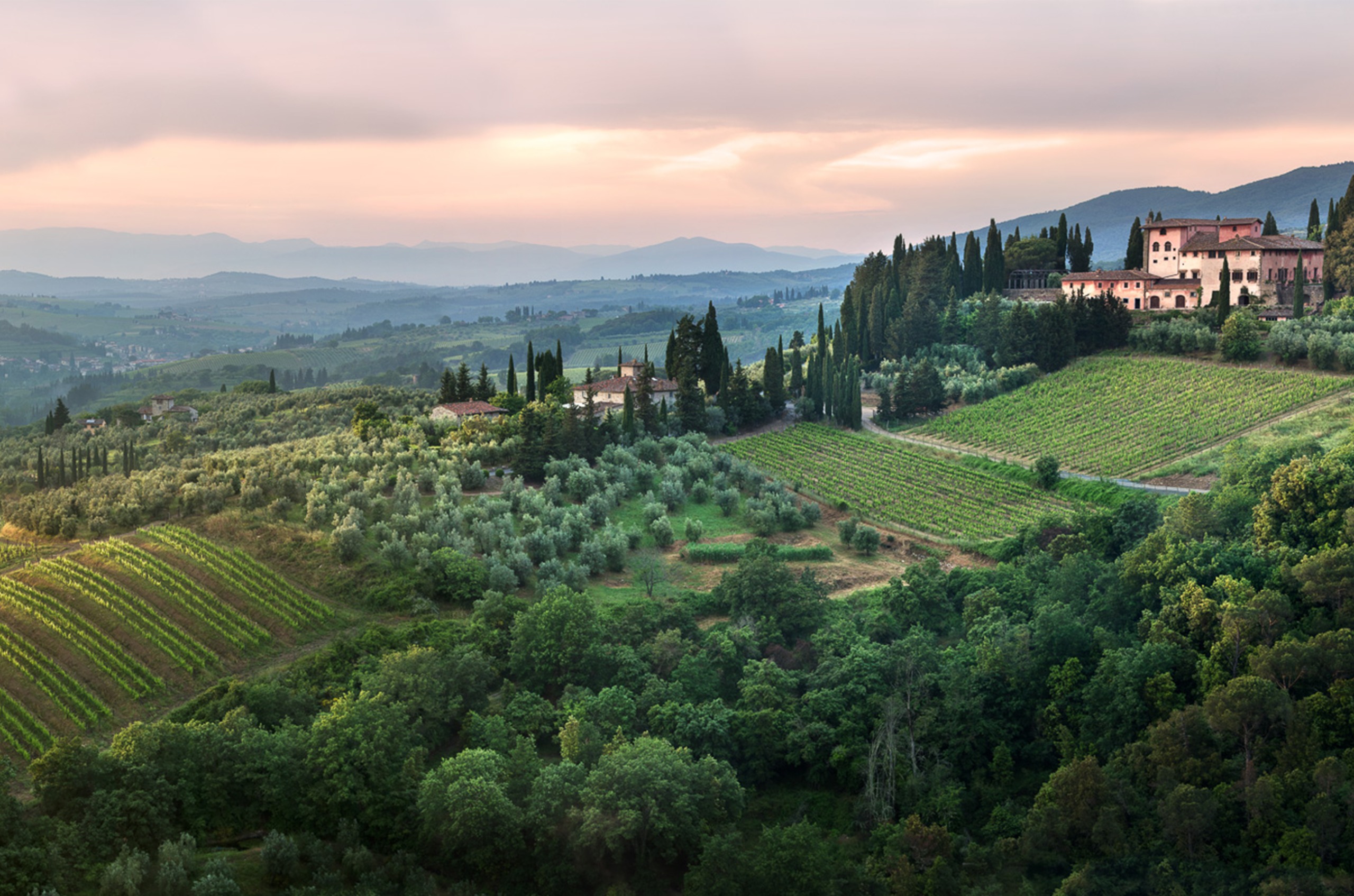 Reinterpreting Tuscan tradition with Vignamaggio
Sponsored An idyllic traditional farm...
-
 Vinitaly.USA: Where Italian wine meets the US market
Sponsored Bringing opportunities and encounters to New York...
-
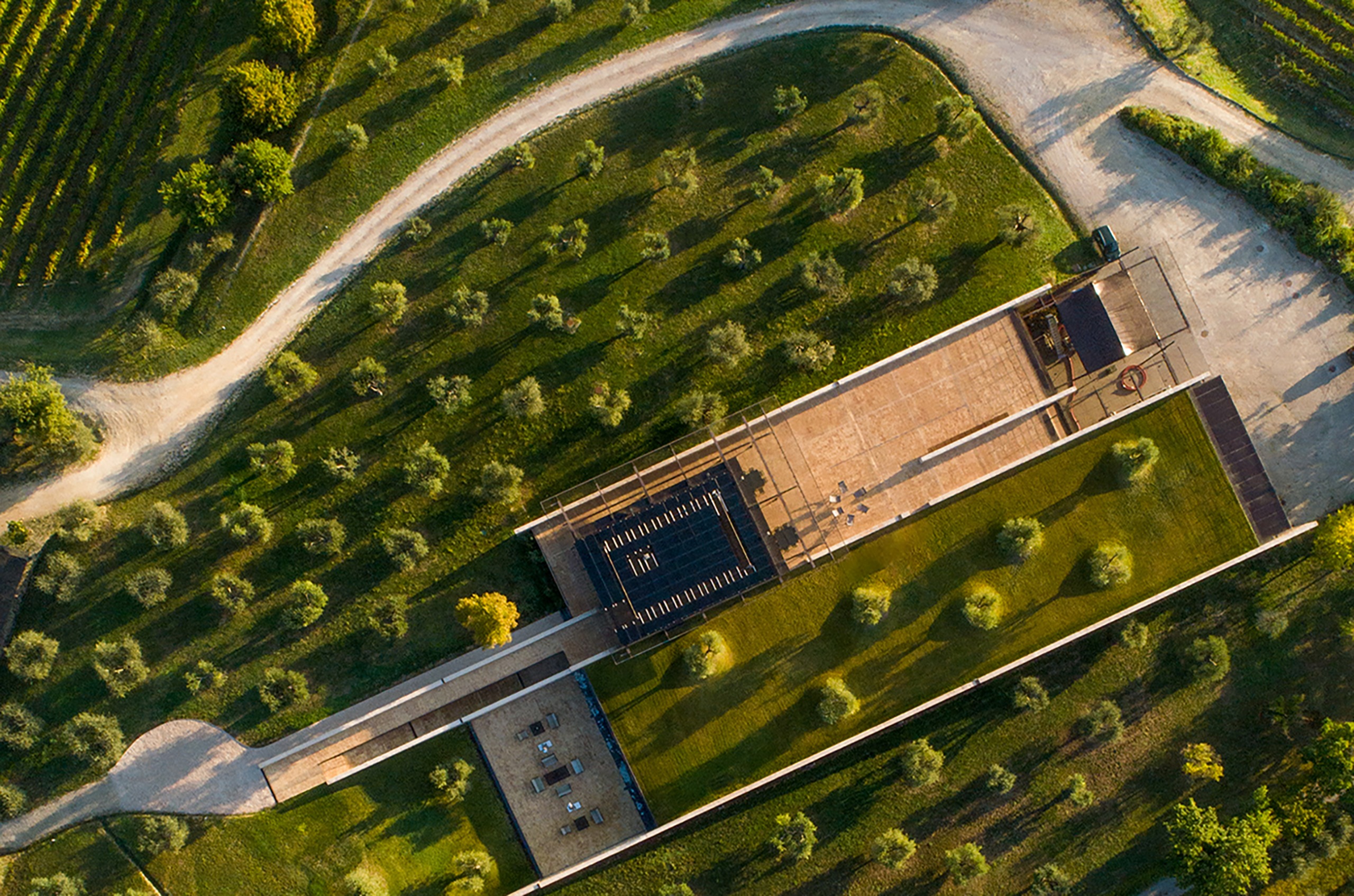 PoderNuovo a Palazzone: Where Cabernet Franc finds its Tuscan voice
Sponsored Distinguished Tuscany...
-
 From Garda with love
Sponsored The spirit of the lake...
-
 The Maremma: Southern Tuscany’s untamed wine country
Sponsored Fresh Vermentino and characterful reds...


