

Since its birth in 1964, Champagne Jacquart has nurtured and cemented a reputation for its expansive network of growers and their vineyards, encapsulated by its Mosaique range which pulls together all these individual strands of Champagne to form an all-encompassing portrayal of the region’s finest.
Its latest venture turns that concept almost entirely inside out. The aim of representing the essence of Champagne remains paramount; however Jacquart has fastidiously examined each of those threads and pinpointed one which deserves a stage entirely of its own.
The consequence of this project is an extraordinarily limited release of just 1,000 bottles of unadulterated Chardonnay from a single grower and the renowned Montaigu vineyard in Chouilly Grand Cru in the Côte de Blancs. Its rarity is compounded by the distinct possibility that this cuvée will never be made again, for the intention of this series is never predetermined; the only predictable aspect is its unpredictability. ‘There are no pre-sets,’ says Jacquart. ‘We choose what we want to do only through considering the harvest and the grape we wish to showcase. Then we look for a really interesting cru from which to do that, although it doesn’t necessarily have to be a Grand Cru.’

The 2014 season presented several potholes which needed to be negotiated. Winter was mild and preceded a dry, almost Mediterranean spring, which was then followed by a chilly, wet summer. However, mid-August saw the arrival of an Indian summer, with abundant sun that settled for the rest of the season and throughout harvest. ‘The vintage was extremely homogenous in the Côte de Blancs,’says Jacquart. ‘Chardonnay is an extremely adaptable variety and knew how to take advantage of the vintage’s meteorological elements. The grapes were crisp, very high in quality and with great balance on final maturity.’
The resulting tension in the wine was something that Jacquart’s oenologists were keen to emphasise; therefore only 40% went through malolactic fermentation and the dosage was bumped up slightly to 7.5 g/l to balance the scales. Following four years on lees it was sealed with an agrafé (or staple) closure as was traditionally used to secure the cork during second fermentation, and then finished with an embossed label which evokes the land of its source.
‘This Champagne encapsulates our determination to assert the identity,uniqueness and expertise of our company,’ states Jacquart. ‘It is the finest expression of the vintage, in the grape variety we wanted to express within that vintage, and a cru which epitomised that variety.’


-
 Shaping the future of wine & spirits: What’s new at ProWein Düsseldorf?
Sponsored content Returning on 15 – 17 March in Düsseldorf – discover what's new at ProWein in 2026...
-
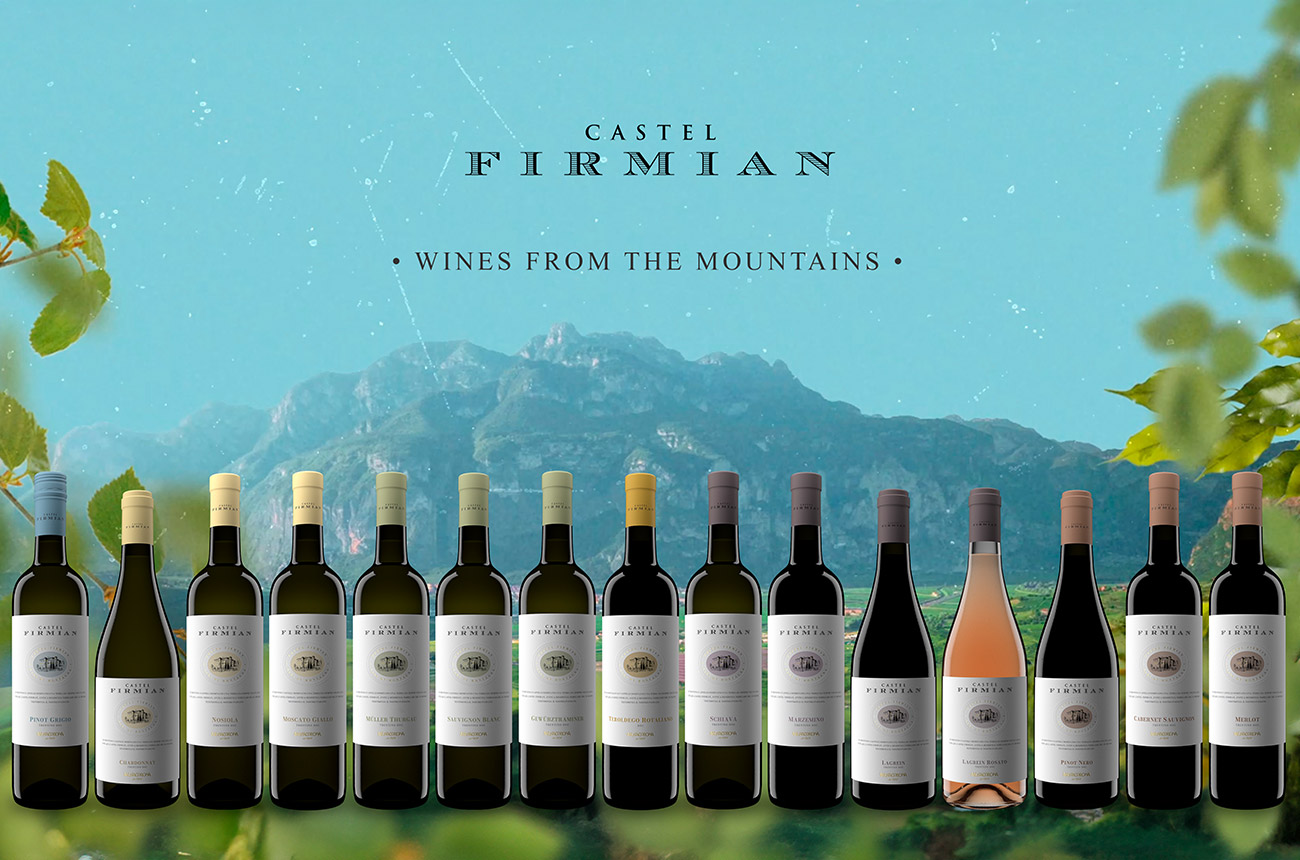 Castel Firmian presents a fresh new look with Wines from the Mountains
The Trentino winery telling its story with a fresh rebrand...
-
 Toro: A tale of resilience, evolution and commitment
This region’s past offers important clues on how to face present challenges...
-
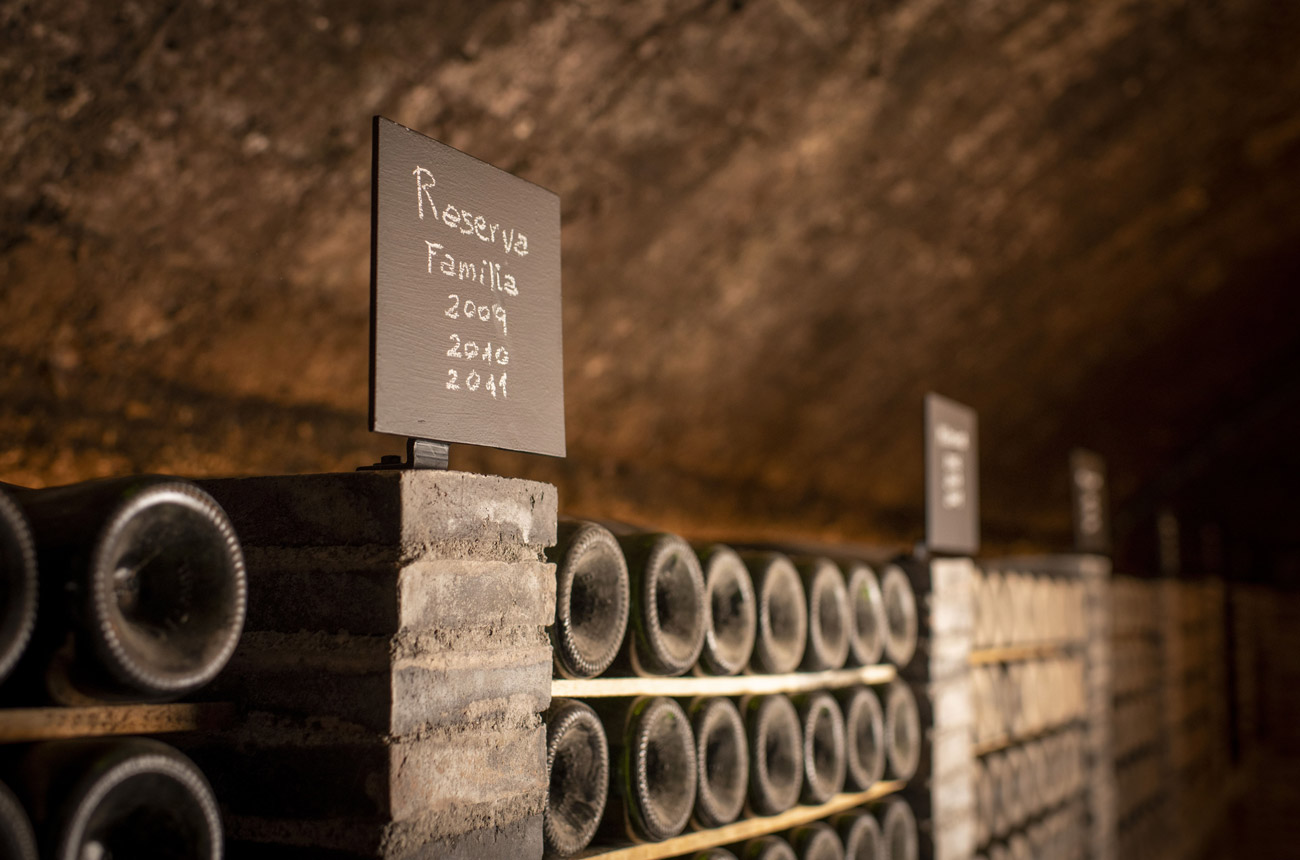 Juvé & Camps: Taking long-aged sparkling wines to new heights
Sponsored content Long-aged sparkling wines that express the craft of the winemakers...
-
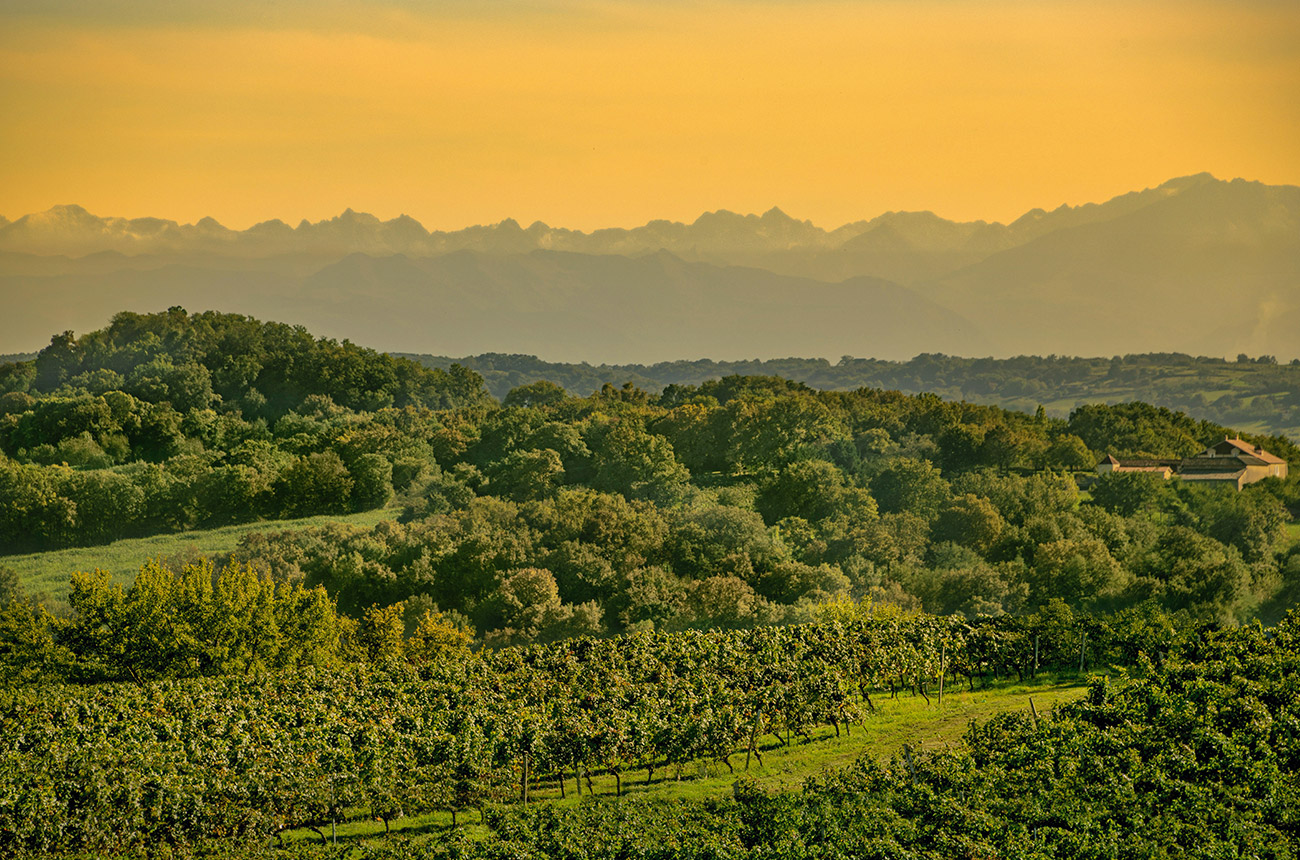 Plaimont: Building the future of Saint Mont
Sponsored content A 'super cooperative' leading on sustainability in the Pyrenean foothills...
-
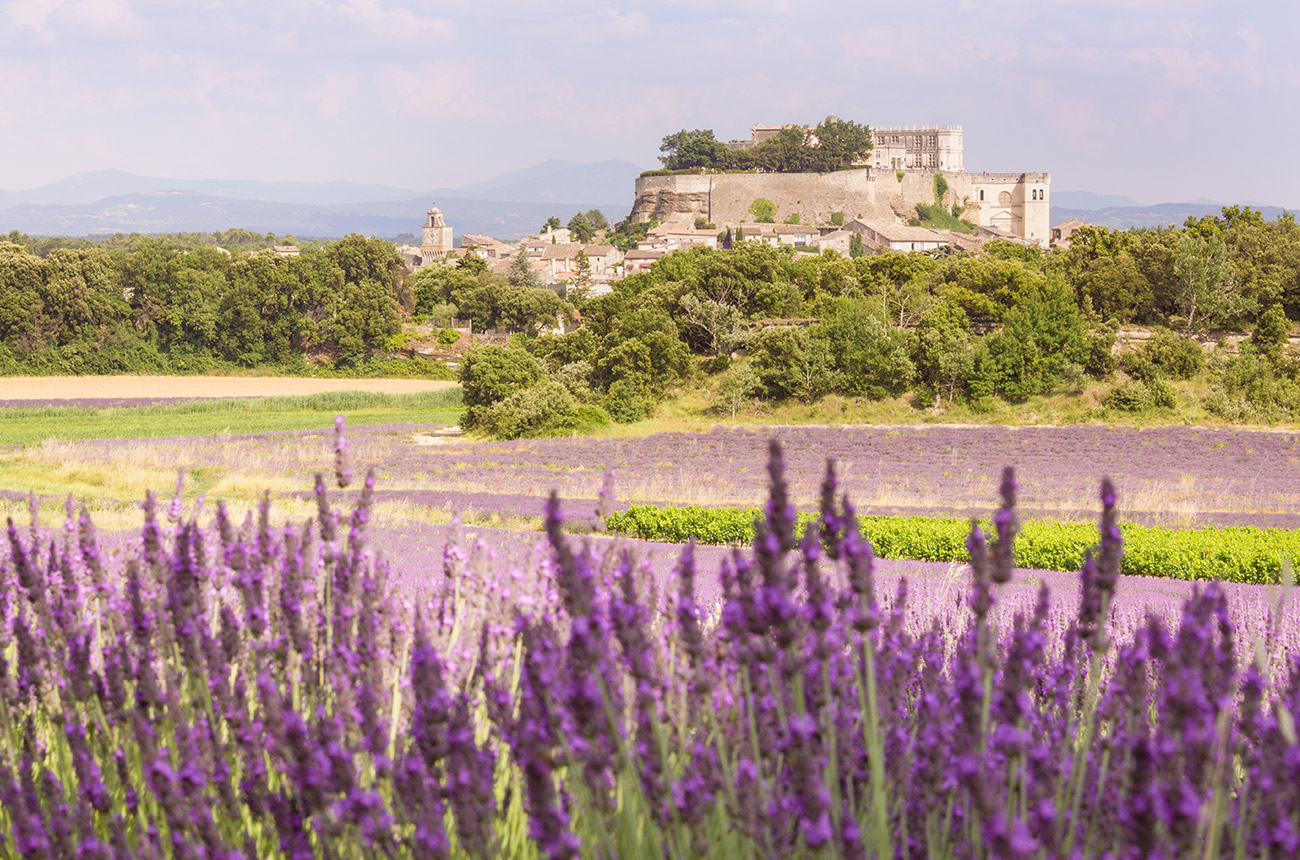 Grignan-les-Adhémar AOC: At the head of the Southern Rhône
Sponsored content Discovering the diversity of the Southern Rhône’s most northerly appellation...
-
 Wine Paris 2026: A new era for the global drinks industry
Returning from 9-11 February in Paris, discover what's new in 2026...
-
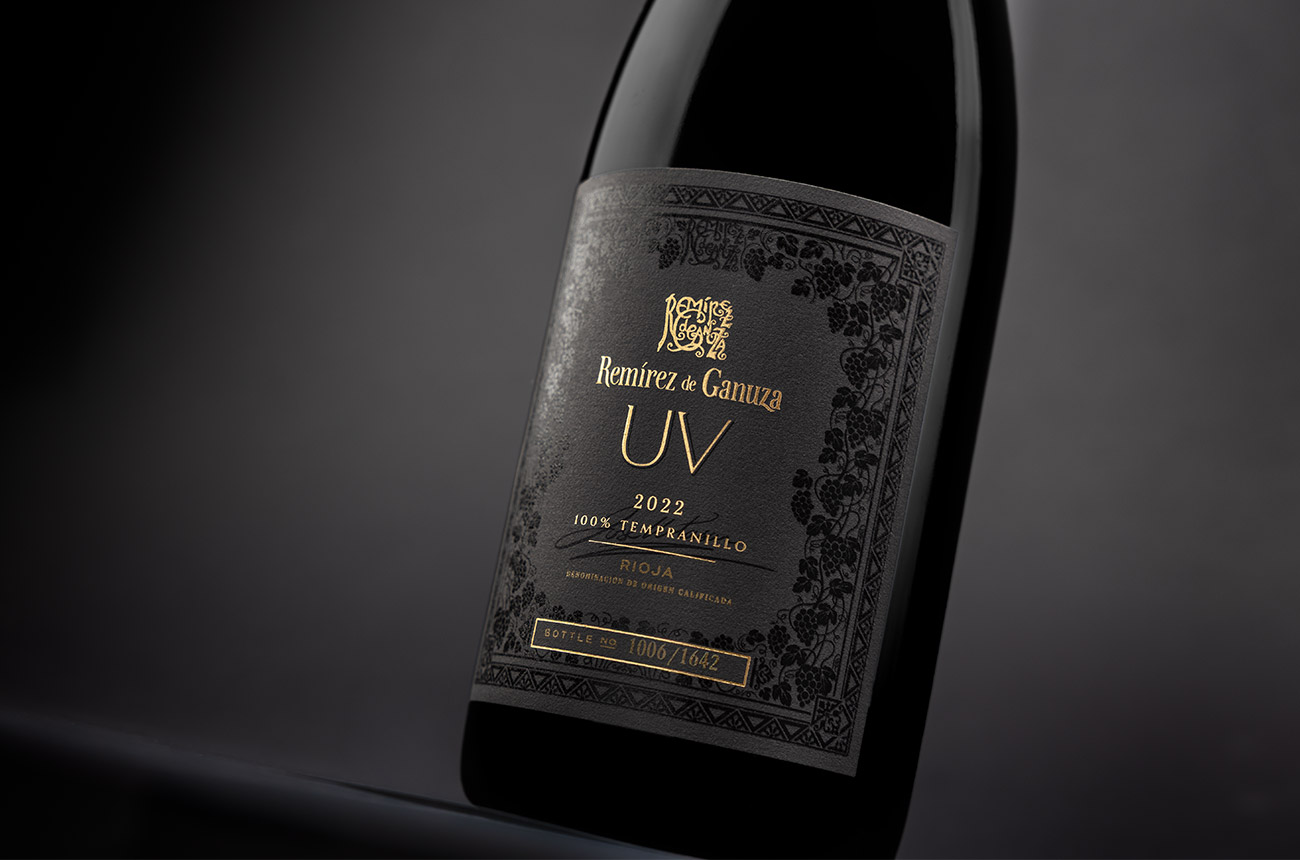 Remírez de Ganuza: Looking to the future
Decanter sits down with Jose Ramón Urtasun...


