Sponsor Content Created With

Dalmatia's hall of fame: DWWA winners
Discover a selection of medal-winning Dalmatian wines from the Decanter World Wine Awards.


Dalmatia is the perfect destination for a wine adventure: offering an incredible diversity of local grapes and exciting wine styles, as shown by the following selection of top wines from recent editions of the Decanter World Wine Awards. Dalmatia’s sun-drenched steep rocky hillsides form a land of truly heroic viticulture, with passionate family producers and unique, sometimes almost forgotten vines.
There are rich, bold reds from Plavac Mali (meaning ‘small blue’), Croatia’s most planted red, while others like juicy plummy Tribidrag/Crljenak Kaštelanski survived as just a handful of vines; now identified by scientists as a Balkan native and the same as Primitivo/Zinfandel.

On the white front, Pošip continues to excite in styles from fresh and saline to layered and sleek – sometimes with subtle oak. These are joined by super rare herby-mineral Grk, traditional white Malvazija Dubrovačka, Vis island speciality Vugava and much more. Whilst winemaking in Dalmatia dates back to the the ancient Greeks, today it is all about showcasing the culture, history and the stunning Adriatic landscape in the glass.
Discover a selection of medal-winning Dalmatian wines from the last five editions of the Decanter World Wine Awards
White wines

Ante Sladić Vino, Debit, Skradin 2022
95 pts
100% Debit. Second-generation organic family winery close to the Krka river. Focus on local grapes such as Debit, which got its name as the grape used to pay off debts. Delightful character: pure floral scents and ripe yellow fruit aromas. The palate has refreshing acidity and a powerful citrus flavour. Expertly crafted: uncomplicated but incredibly enjoyable. Alcohol 12%

Bora, Pošip, Posedarje 2019
95 pts
100% Pošip. Father and son run this small winery in Posedarje, northern Dalmatia. Named for the bura, a strong coastal wind that keeps vines healthy – and wines like this expression of Pošip fresh and mineral. Very aromatic nose displaying lovely aromas of apricot, white peach, fresh flowers and honey. Mouthcoating with a soft, gentle palate and oily texture. Alc 13.9%

Fiolić, Maraština, Zadar 2020
95 pts
100% Marastina. This Mediterranean grape boasts a long tradition in Dalmatia, here produced near Zadar by husbandand-wife Dario and Ana, who transformed their hobby into a winery in 2016. Hugely intense flavours of lemon compote, orange rind, toffee and pine ripple over the nose, cushioned by a toasted almond complexity and tremendous ginger-infused finish. Alc 13.3%

Kraljevski Vinogradi, Prestige Pošip, Petrčane 2019
95 pts
100% Pošip. Nine centuries of wine history revived from abandoned stony land near Zadar, replanted in 2011, with high density and largely indigenous grapes. Complexity from eight months in large Slavonian oak. Deep golden colour. The aroma has a lovely, layered richness and marries ripe tropical notes with Mediterranean fruits and some well-integrated oak. The palate is dry, with delicate florality, amazingly vibrant character and a long finish. Alc 14%

Vina Deak, Prestige Pošip, Komarna 2022
95 pts
100% Pošip. Gently oaked local white from a family winery in Komarna, Croatia’s youngest appellation, where the dramatic rocky slopes by the sea are all organic. Sublime lemon blossom, honeyed peach and apricot tart rapturously swaddled in gossamer, with a graceful acidity and inspiring saline grip that spirals towards the attractive melon finish. Alc 13.5%

Zoro Wines, Malvasija Dubrovačka, Konavle 2022
95pts
100% Malvasija Dubrovačka. Zoro Wines is an old family winery from 1841 in Konavle. This variety was rescued from three vines to 42ha today around Dubrovnik. A beautiful wine with stone fruit and floral aromas and an oily texture. Lime and peach flavours with a hint of stony minerality and refreshing acidity – marvellously successful. Alc 13%

Vislander, Bugava Antique, Vis 2022
92pts
100% Bugava. Wine families on Vis survived WWII thanks to swapping wine for food with British troops. Today this family winery specialises in local Vugava in all its forms. Smoky quince and savoury spice aromatics; palate of bitter lemon zest, peach, melon and herbal notes. Alc 13.5%

Katić Winery, Pošip, Lovreć 2022
90 pts
100% Pošip. Small young estate in Dalmatia’s hinterland near Imotski, specialising in local grapes. The more continental climate is great for refreshing whites showing a cooler dimension of Pošip. Fresh on the nose, showing scents of lemon balm, red apple and honeysuckle. Dry, with a pithy finish. Alc 13.5%

Radovanović, Grk, Korčula 2023
90 pts
100% Grk. One vineyard and one tank of this rare Korčula grape. Grk (meaning bitter) almost disappeared – female flowers make it tricky to grow. Now, however, the variety is being revived thanks to its amazing quality. Aromatic and inviting, with a nose of nutmeg, white pepper and lemon rind; palate of pineapple, mango and citrus. Alc 13.5%
Red wines

Korta Katarina, Reuben’s Private Reserve, Pelješac 2013
96 pts
100% Plavac Mali. Americans Lee and Penny Anderson fell in love with Croatian wine and created this stunning family winery and boutique hotel. Reuben’s Reserve is their flagship, oak-matured expression. Has held very well for its age, thanks to an unpushed ripeness and high acidity. Tannins have now softened and refined, leaving an enticing, Old-World red typical of Plavac Mali, with a nicely salty touch of terroir. Alc 14.5%

Crvik, Vilin Ples Cabernet Sauvignon-Merlot-Plavac, Konavle 2017
95 pts
33% Cabernet Sauvignon, 34% Merlot, 33% Plavac Mali. Wine began here in 1897, now run by the fourth generation. ‘Vilin Ples’ means fairy dance, combining international grapes with Plavac Mali for real local identity. Lovely, developed nose with notes of pencil lead, cedar, leather and dark berries with gamey nuances. Assertive tannins well-balanced by juicy fruit concentration. Quite lifted. Alc 13.5%

Hvar Hills Winery, Syrah, Hvar 2022
95 pts
85% Syrah, 15% Cabernet Sauvignon. Hvar Hills is the owner of one of the largest island vineyards in the Mediterranean, on the stunning, sunny island of Hvar. Capacious damson, blueberry and blackcurrant fruit enveloped in a plush velvet structure, pencil shaving tannins and vibrant lift of pepper. Ambitious and immersive with a long finish. Alc 14.5%

Prović, Pagan Reserva, Opuzen 2018
95 pts
50% Merlot, 30% Plavac Mali, 20% Cabernet Sauvignon. The only winery in the Neretva basin, where marine sediments and alluvial soils suit Bordeaux varieties. Here passito Merlot meets Cabernet Sauvignon and Plavac Mali from Postup, Pelješac, for a rich, distinctive style. Aromas of violets, jasmine and black and pink peppercorns. The palate is multilayered and structured; racy acidity makes this great with grilled meats. Beautiful drinking! Alc 15%

Testament, Plavac Mali, Šibenik 2018
95 pts
100% Plavac Mali. Organically grown Plavac Mali, from a single vineyard in North Dalmatia, polished by 14 months in new French and US oak. Ripe plum, dried fig and soft herbal aromas chime over the gently evolving palate with lush vanilla tannins, smooth structure and long, cherry-baked finish. Alc 14.5%

Markus, Fetivi, Kaštela 2020
92 pts
87% Zinfandel, 13% Babić. Crljenak Kaštelanski (aka Tribidrag) with 13% Babić from Kaštela close to where the almost-lost variety was rediscovered. Markus wines are based on old vine, indigenous grapes, made by two of Croatia’s top winemakers. Rich and opulent, with spice and a touch of beef, leading to a palate of plush fruit and focused, firm tannins. Alc 14%

Galić, Ego Tribidrag, Šibenik 2021
91pts
100% Tribidrag. Ego wines are produced from indigenous Dalmatian grapes on a 50ha plot near Šibenik, a mild but breezy site on limestone and slate, facing the sea. Jammy, plush bramble aromatics lead on to an opulent palate of smoke, oak and dried fruit. Alc 14%

Jurica Milatić, Gospodin Biskup Plavac, Hvar 2022
90pts
100% Plavac Mali. Well-known Hvar restaurateur Jurica Milatić began making wines with minimal intervention 15 years ago, on the southern slopes of the island where vines have been grown for at least 2,500 years. Spicy aromatics of chocolate and caramel, then a palate of smoky black olive and red cherry. Alc 15.5%

Miroslav Stanojević, Tajna Bleuš, Korčula NV
91 pts
100% Plavac Mali. A rare but traditional sweet red from Smokvica in the heart of Korčula, made from over-ripe and gently-dried Plavac Mali grapes, typically enjoyed with dried fruit and nuts. Very intense aromas of dried fruits with notes of leaves and earthy undertones. Dense and ripe, with soft tannins. Alc 15.5%
Dates for your diary: upcoming events in Dalmatia to look out for
13-14 March 2026: Festival Vino Dalmacije / Wine of Dalmatia Festival Restaurant Kampus, Student Centre, Cvite Fiskovića
4th November 2026: Festival Dalmatinske Vinske Ikone / Dalmatian Wine Icons Festival Hotel Esplanade, Zagreb
Discover more about the Wines of Dalmatia
Connect on Facebook | Instagram | YouTube


-
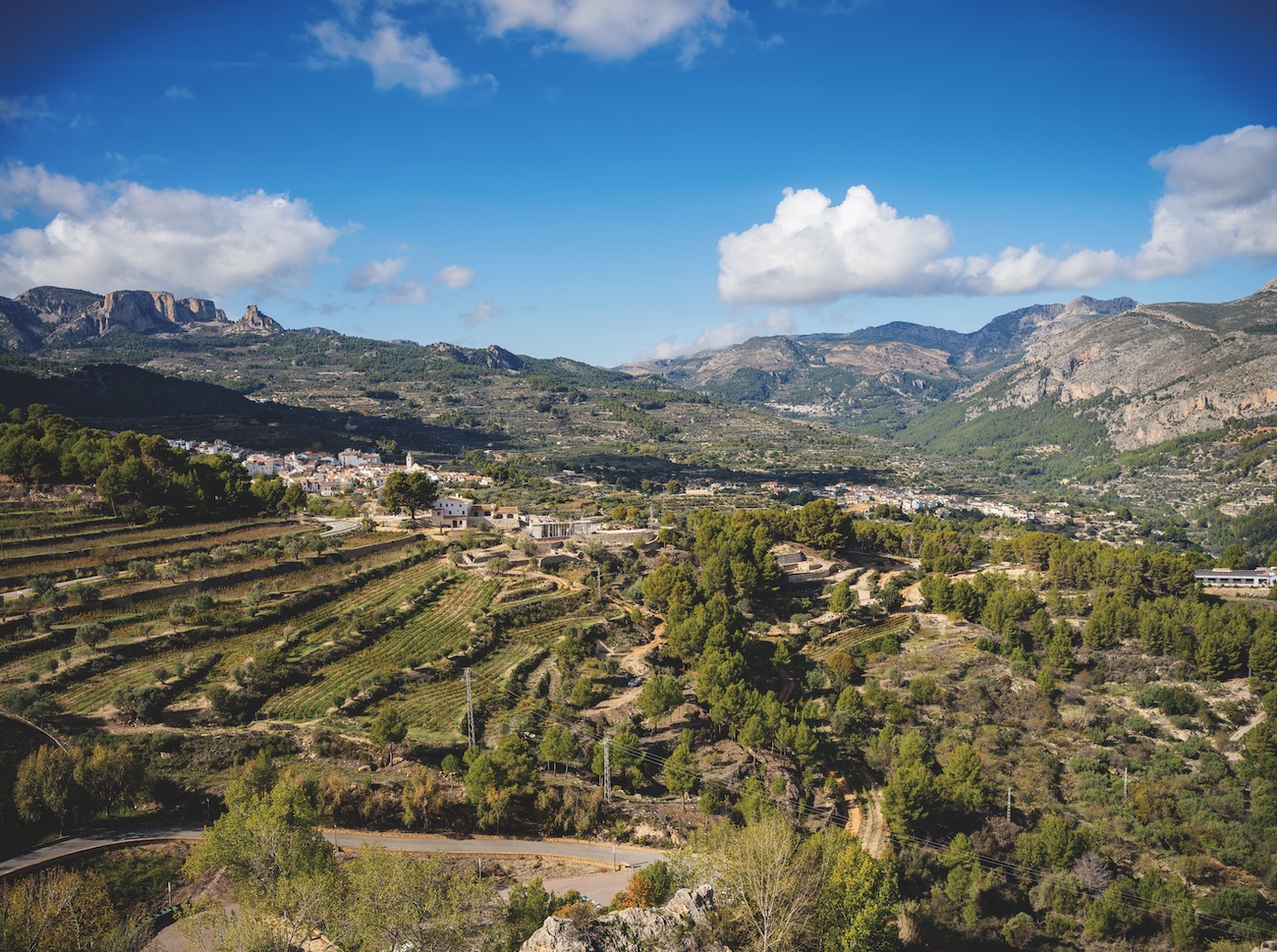 Lighting up Levante – the new taste of south-eastern Spain
Lovers of Spanish wine have mostly looked north for the past few decades. But the country’s southeast is home to a variety of DOs beginning to tilt the country’s geographical scale. Make space for the new Levante.
-
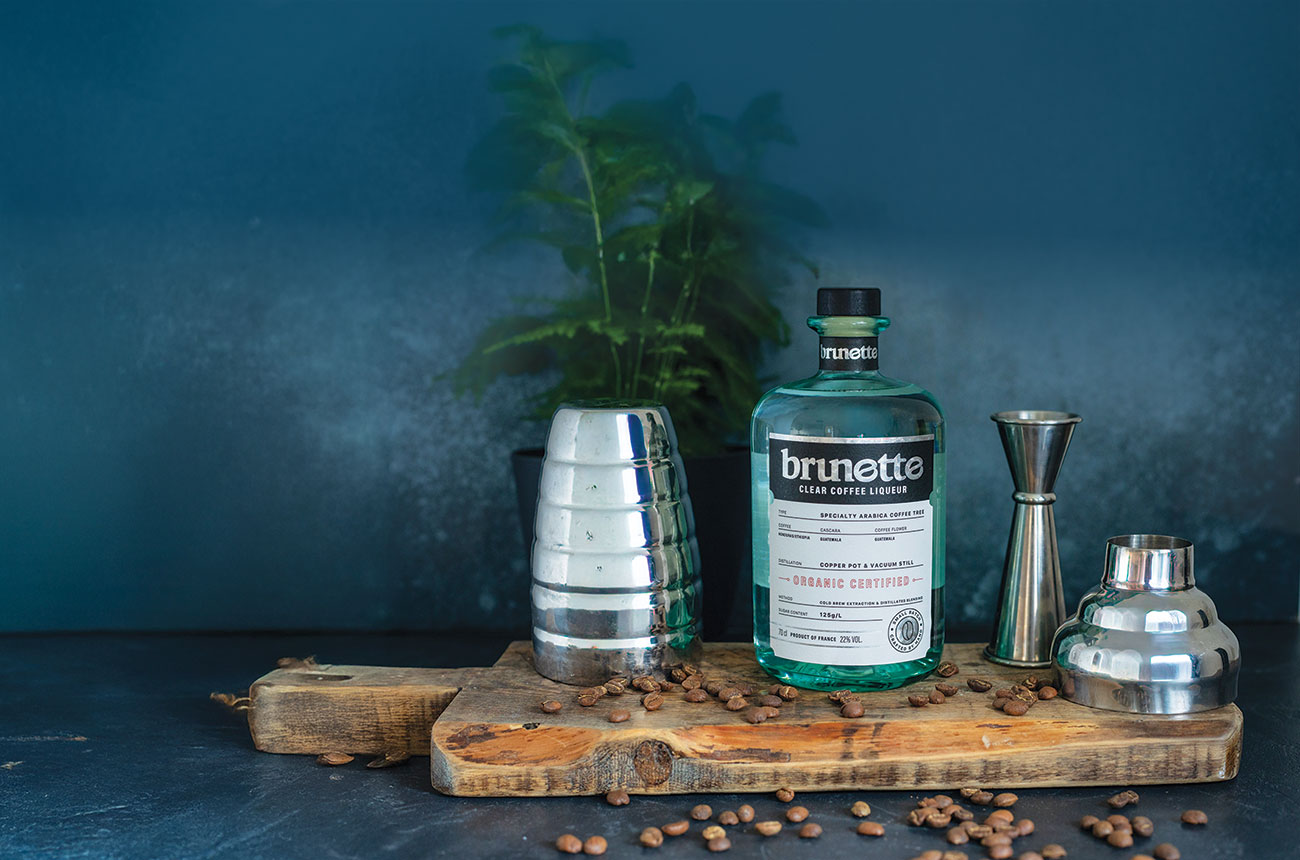 Distilled: Brunette Clear puts new twist on coffee liqueur
Plus, how to make the Lumen Champagne-based cocktail...


-
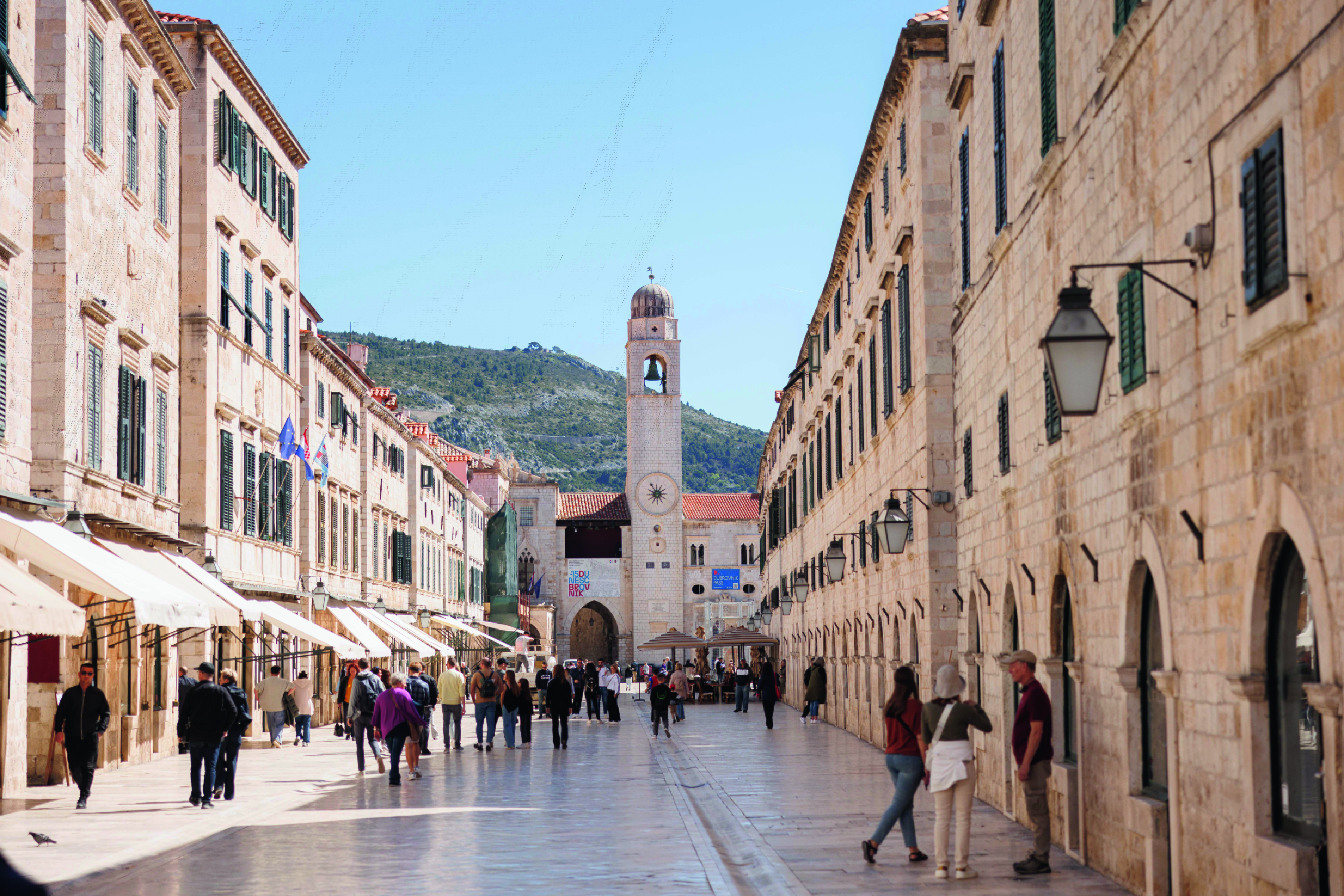 Pomalo: Dalmatia's answer to hustle culture
Sponsored Content A state of mind in Dalmatia, pomalo, which roughly translates as ‘take it easy’, sets the pace of life in this scenic region of Croatia.
-
 A Maldives paradise for wine lovers
The unique wine culture at OZEN RESERVE BOLIFUSHI extends well beyond its carefully curated list with expert tastings, creative pairings and unexpected discoveries to make lasting holiday memories.
-
 Shaping the future of wine & spirits: What’s new at ProWein Düsseldorf?
Sponsored content Returning on 15 – 17 March in Düsseldorf – discover what's new at ProWein in 2026...
-
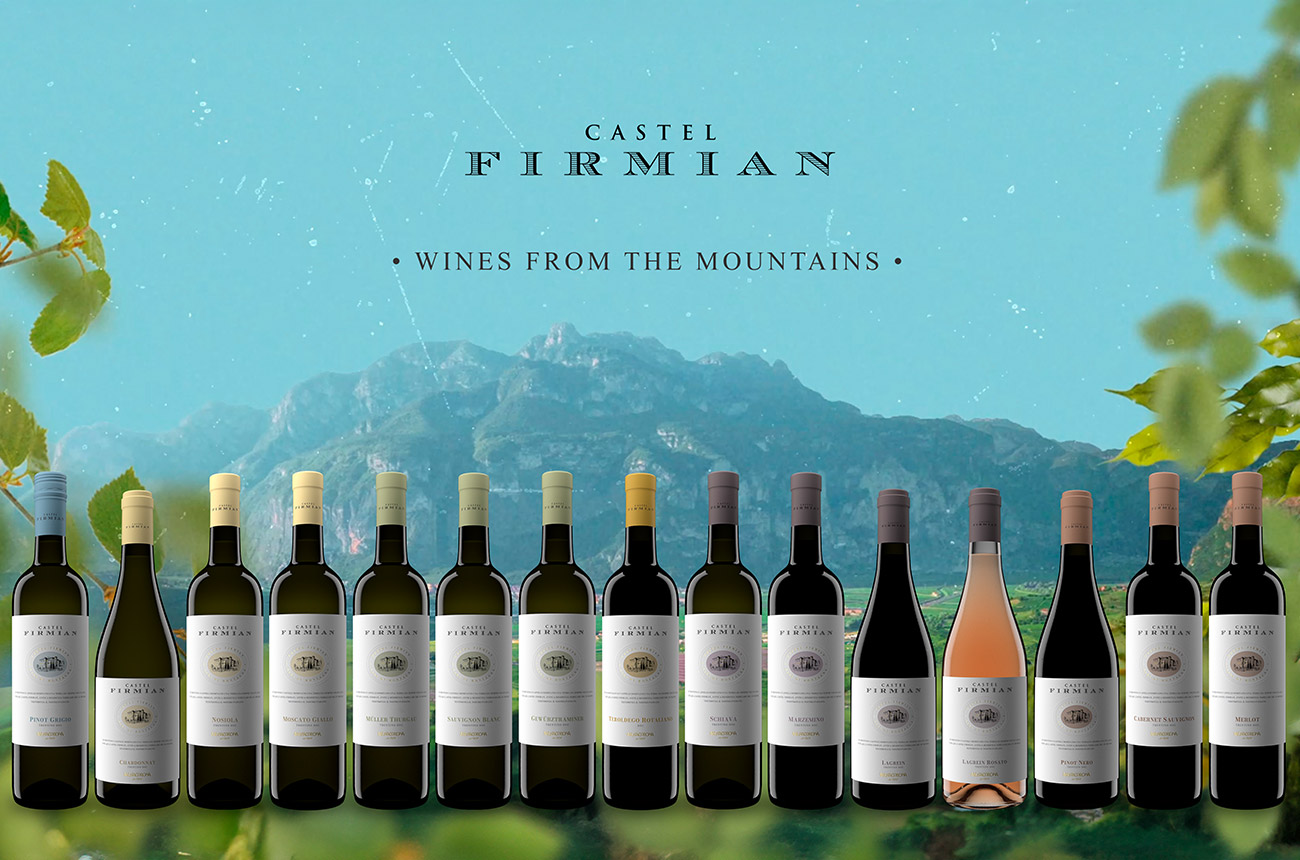 Castel Firmian presents a fresh new look with Wines from the Mountains
Sponsored Content The Trentino winery telling its story with a fresh rebrand...
-
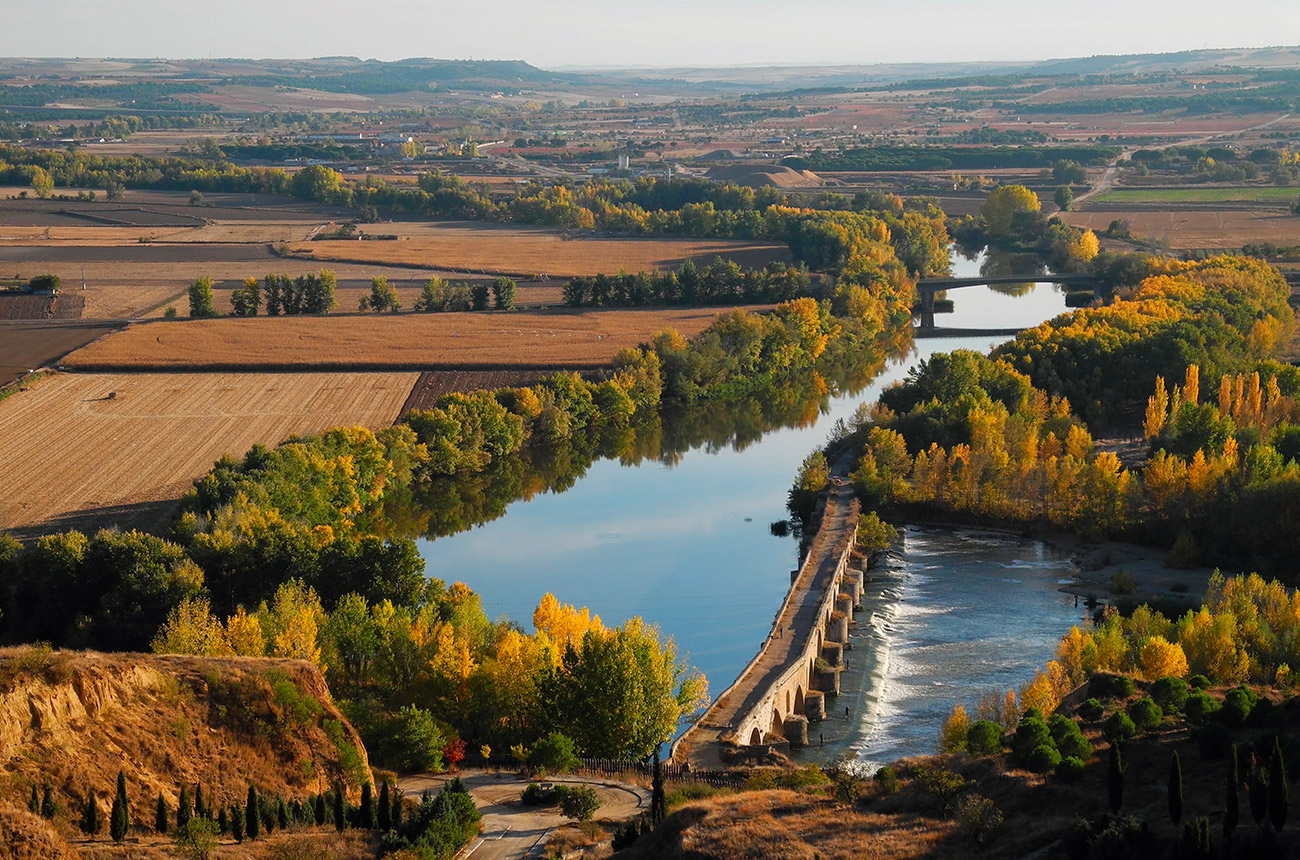 Toro: A tale of resilience, evolution and commitment
Sponsored Content This region’s past offers important clues on how to face present challenges...
-
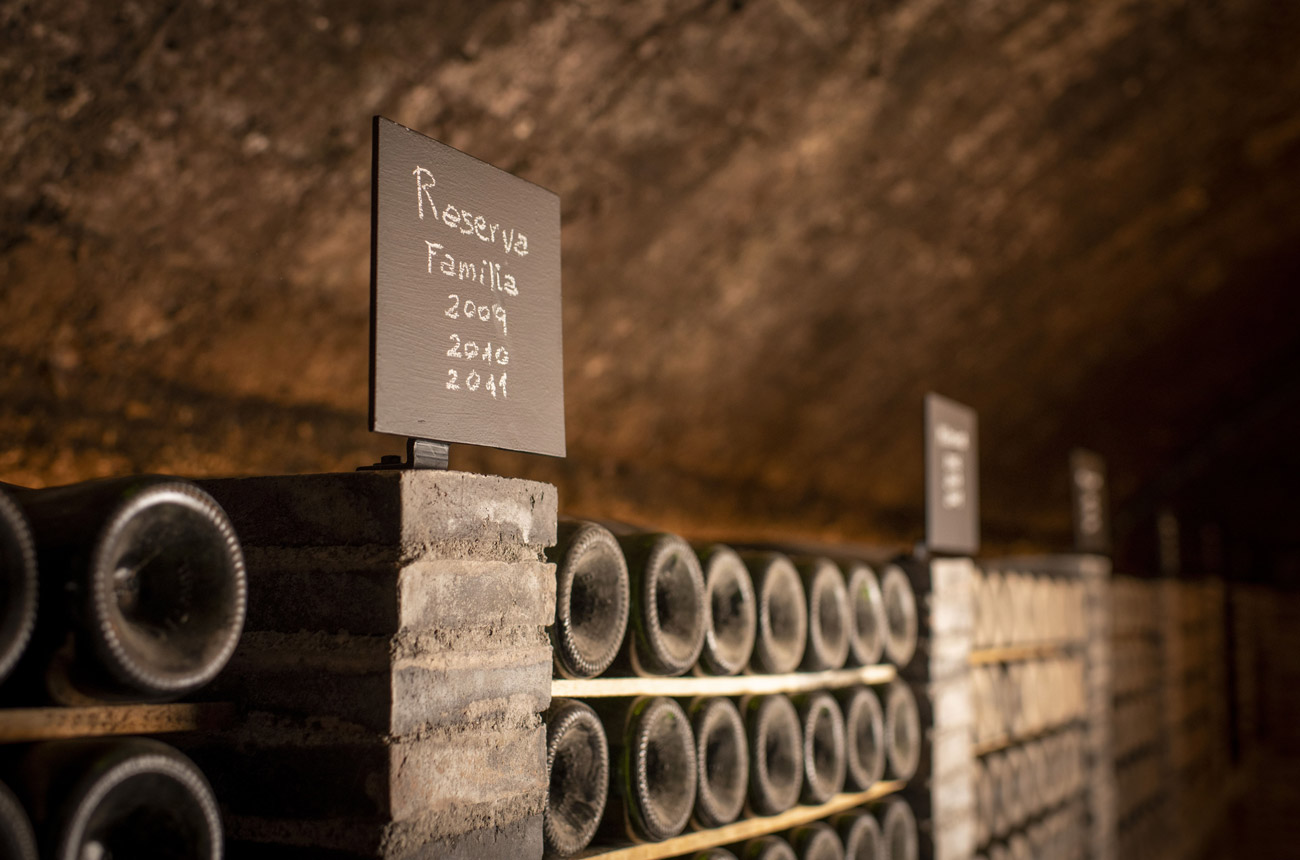 Juvé & Camps: Taking long-aged sparkling wines to new heights
Sponsored content Long-aged sparkling wines that express the craft of the winemakers...
-
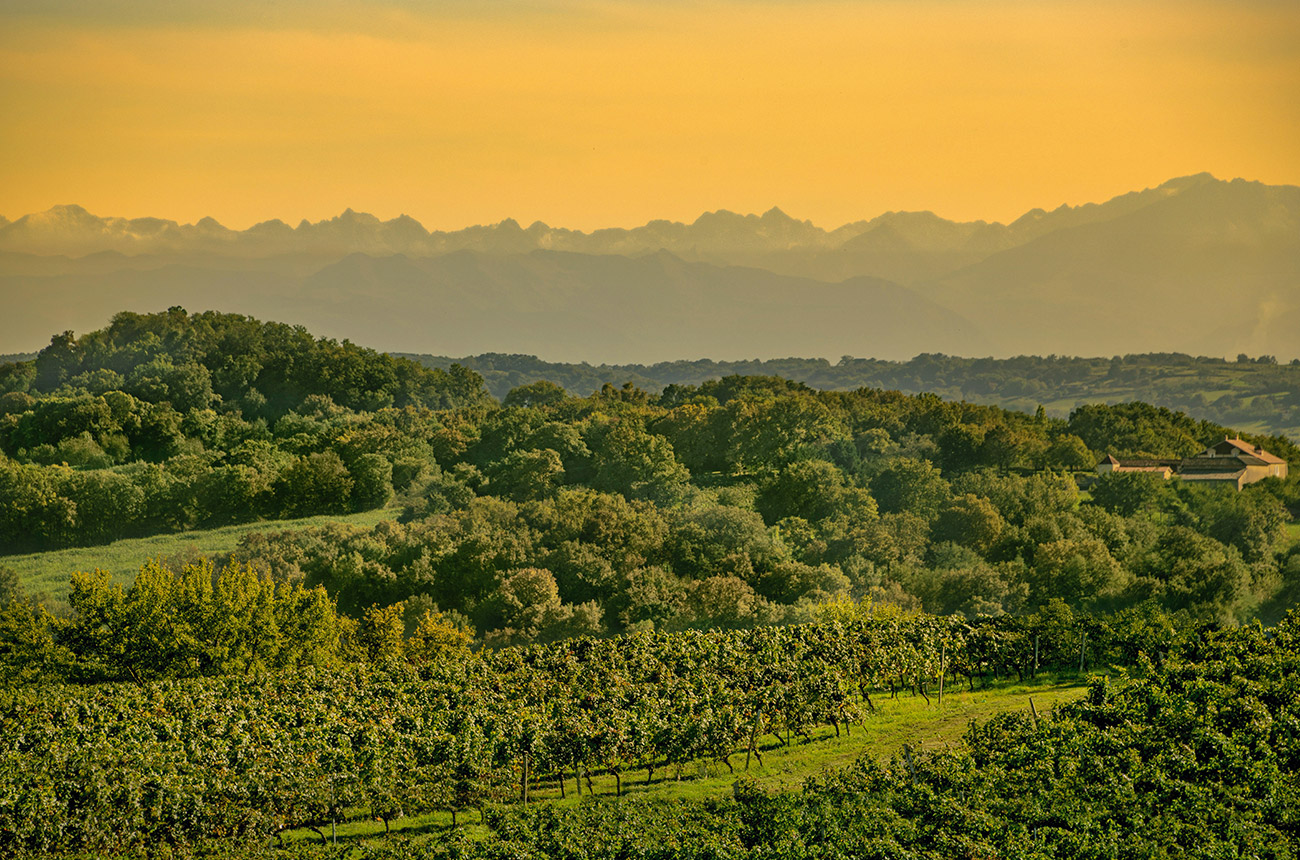 Plaimont: Building the future of Saint Mont
Sponsored content A 'super cooperative' leading on sustainability in the Pyrenean foothills...
-
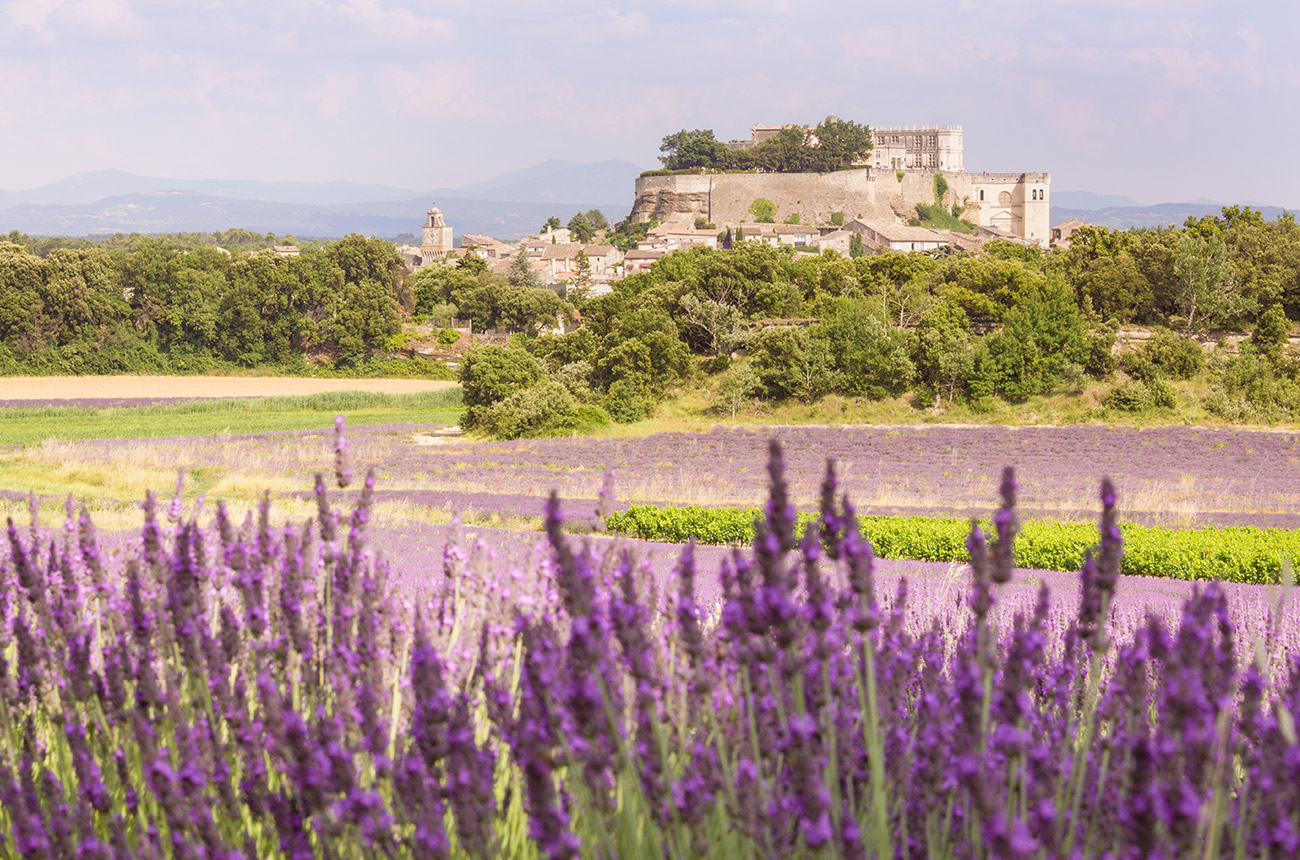 Grignan-les-Adhémar AOC: At the head of the Southern Rhône
Sponsored content Discovering the diversity of the Southern Rhône’s most northerly appellation...


