

1. Over 2,500 years of winemaking
Utiel-Requena’s DO status was approved in 1957, but its wine history stretches back far further. Eighty kilometres inland from Valencia, winemaking has taken place uninterrupted in Utiel-Requena’s municipalities for over 2,500 years.
Vast subterranean wine cellars were carved out beneath the towns of Utiel and Requena. They were used for both wine production and storage, with the excavated stones used to build the towns’ houses.
Ancient wine caves and lagares, or grape-pressing troughs, are still intact in archaeological sites such as Las Pilillas near Requena.
2. The Bobal grape’s native home
Bobal, Spain’s third most-planted grape after Airén and Tempranillo, is indigenous to Utiel-Requena. It is the undisputed king of the region, accounting for 68% of its 32,500 hectares of vineyards.
A quintessentially Spanish grape, Bobal’s thick, indigo-blue skin can withstand scorching hot summers and frosty winters. It’s even named after the national symbol – ‘Bobal’ derives from the Latin for bull, ‘bovale’, due to the shape of its grape clusters, which is reminiscent of a bull’s head.
Bobal wines are typically full bodied with ripe red fruit flavours. The wines tend to have high acidity, thanks partly to the Bobal grape itself, as well as planting at higher altitudes and large diurnal ranges in the vineyards. The grape skins contain high levels of the antioxidant resveratrol, as well as anthocyanins, which create deeply-coloured wines.

3. Organic and sustainable viticulture
Many environmental factors combine to make Utiel-Requena an ideal setting for organic and sustainable wine production.
Its continental climate brings only 450mm of rain for 2,800 hours of sunshine per year, while Mediterranean winds, lower night time temperatures and higher-altitude sites (from 600m – 900m above sea level) provide cooling influences.
These dry conditions – plus well-drained soils and thick-skinned indigenous grapes – form a natural defence against fungal diseases, meaning fewer chemicals are required in the vineyard.
Its flagship varieties, such as Bobal and Tardana, are also extremely drought resistant, meaning less water is needed for irrigation.
4. Modern wines from old vines
Utiel-Requena was once renowned for bulk wine production, but a new wave of talent and investment are reshaping its reputation as a region of quality over quantity.
Producers prize the DO’s large population of old vines, with over half of its Bobal vines clocking more than 40 years of age, offering lower yields and more complex, concentrated wines.
In the wineries, enologists are developing new expressions of international and indigenous grapes, using techniques such as cold maceration and no added sulphites. Some are pioneering a revival of tinajas – traditional clay ageing vessels similar to amphorae.
5. Rare whites and bold rosés
Once close to extinction, the white wine grape Merseguera has been kept alive in its native regions of southeastern Spain. It’s genetically similar to Torrontés and is found in Utiel-Requena’s white blends, where it can contribute bitter almond and herbaceous notes.
Tardana, also called Planta Nova or Coma, is a native white wine grape known for its thick skin, slow ripening and firm acidic structure. It’s the most-planted white wine variety in the region and can lend wines a golden hue and tropical fruit aromas.
Rosé, or rosado, wines have an established history in Utiel-Requena, where they can offer a fresh expression of the Bobal grape. They are immediately recognisable for their vibrant pink colouring, which is matched by bright, red fruit flavours.
See also: Regional profile: Utiel-Requena
See also: Get to know the Bobal grape

-
 Riesling wine quiz: Test your knowledge
Can you get a perfect score?...
-
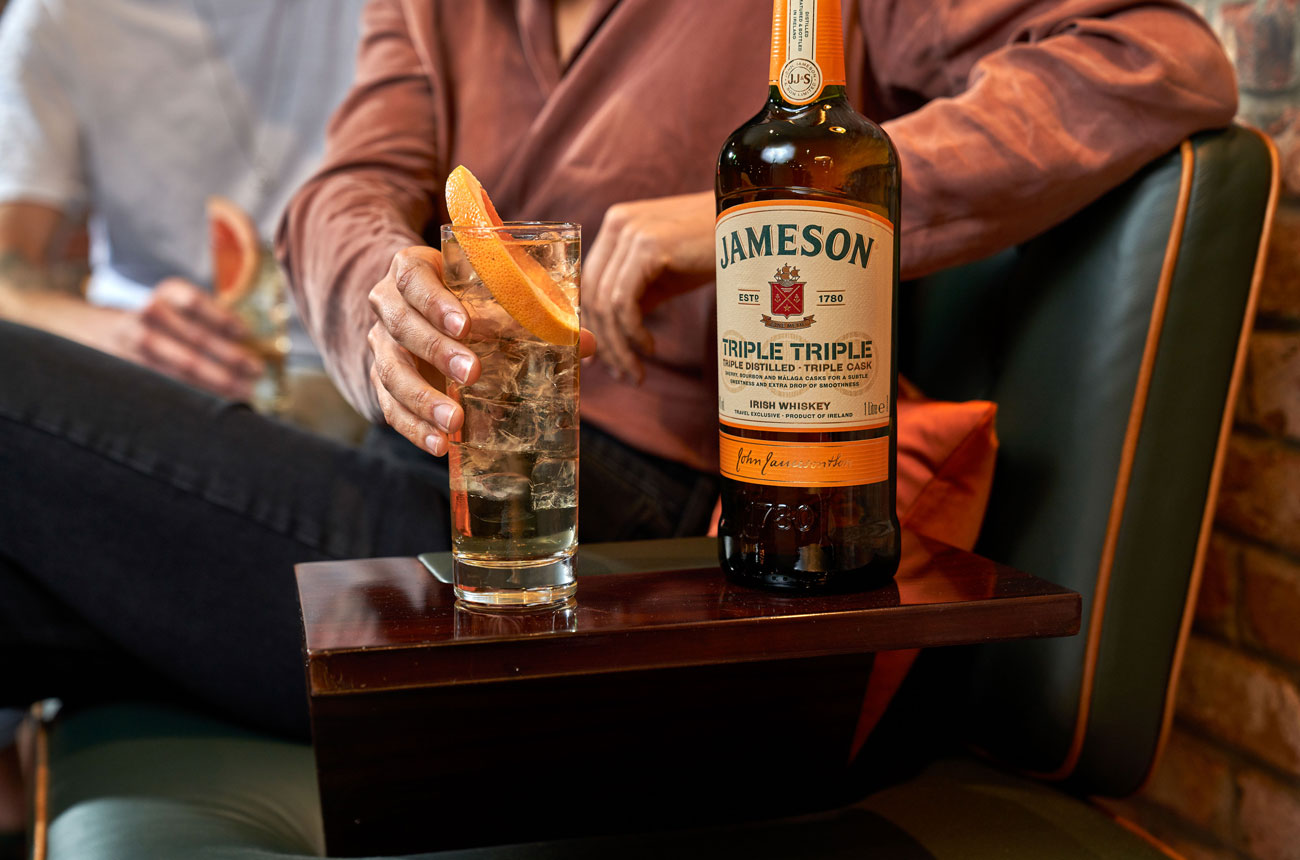 Why Irish whiskey loves sweet and fortified wine casks
Barrels used to age Marsala, Madeira and Sauternes have a special affinity with triple-distilled Irish whiskeys, thanks to a combination of history and distilling. This St Patrick’s Day, explore the sweeter side of drams from the Emerald Isle, with six great bottles to try.


-
 Marenda – A Dalmatian ritual
Sponsored Content What started as a work break has become a well-observed tradition in Dalmatia – one that pairs perfectly with local wine.
-
 Dalmatia's hall of fame: DWWA winners
Sponsored Content Discover a selection of medal-winning Dalmatian wines from the Decanter World Wine Awards.
-
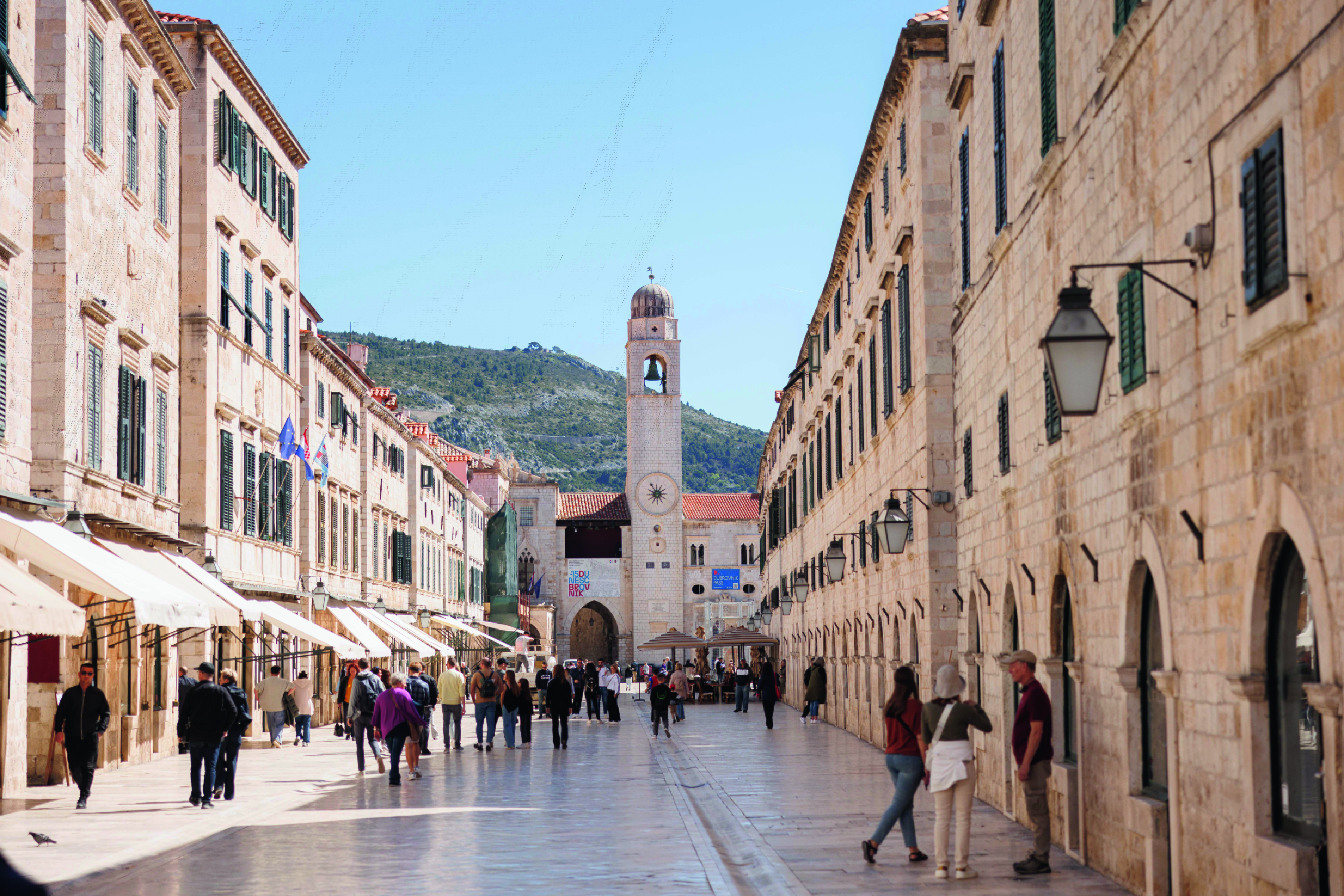 Pomalo: Dalmatia's answer to hustle culture
Sponsored Content A state of mind in Dalmatia, pomalo, which roughly translates as ‘take it easy’, sets the pace of life in this scenic region of Croatia.
-
 A Maldives paradise for wine lovers
The unique wine culture at OZEN RESERVE BOLIFUSHI extends well beyond its carefully curated list with expert tastings, creative pairings and unexpected discoveries to make lasting holiday memories.
-
 Shaping the future of wine & spirits: What’s new at ProWein Düsseldorf?
Sponsored content Returning on 15 – 17 March in Düsseldorf – discover what's new at ProWein in 2026...
-
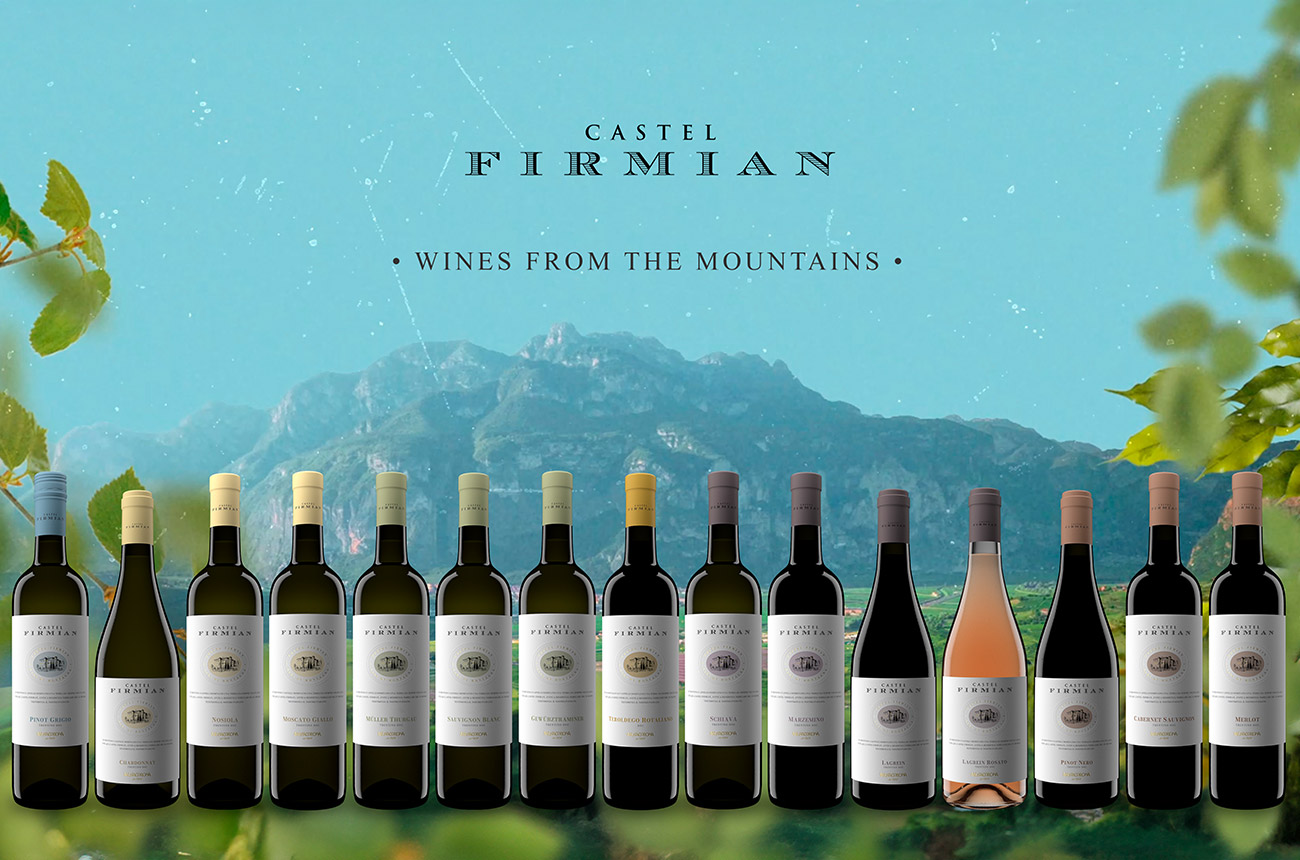 Castel Firmian presents a fresh new look with Wines from the Mountains
Sponsored Content The Trentino winery telling its story with a fresh rebrand...
-
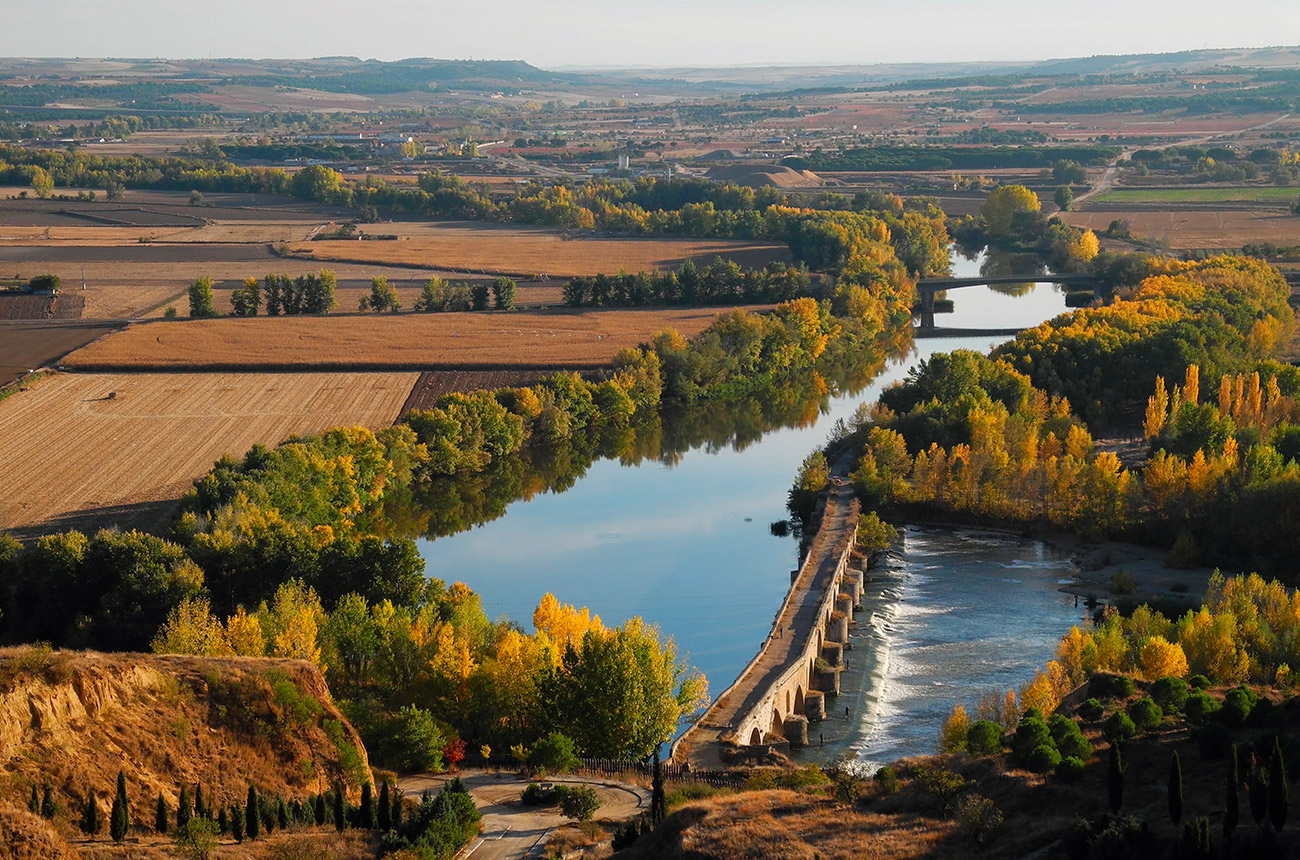 Toro: A tale of resilience, evolution and commitment
Sponsored Content This region’s past offers important clues on how to face present challenges...
-
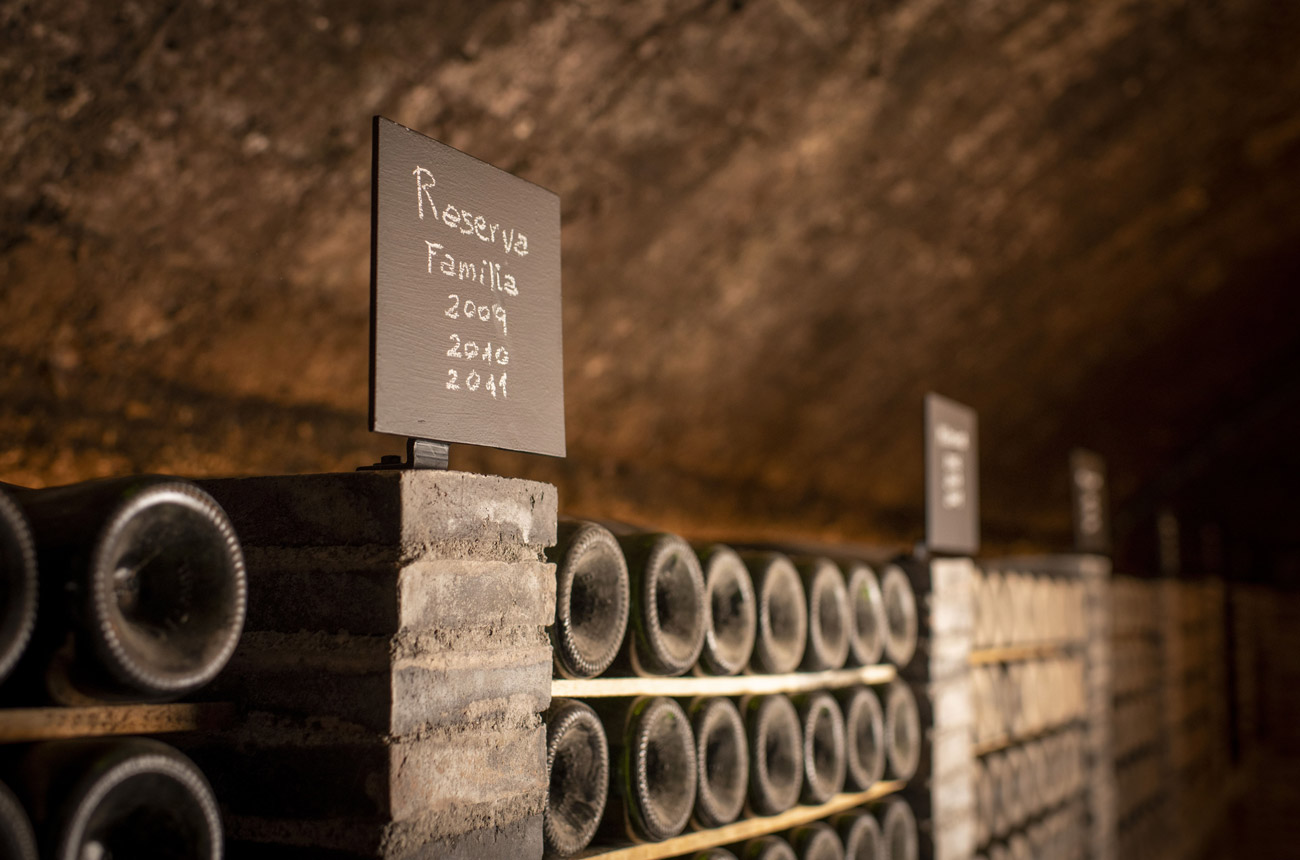 Juvé & Camps: Taking long-aged sparkling wines to new heights
Sponsored content Long-aged sparkling wines that express the craft of the winemakers...


