

When Dutch entrepreneur Myndert Pon bought 1,200ha of elevated Andean terrain in a little-known corner of Mendoza in 1996 with the idea of cultivating that area’s first high-quality vineyards, it marked the beginning of a winemaking revolution in San Pablo, Mendoza’s newest geographical indication (GI).
‘Rather than selling the grapes or buying them from somewhere else, his objective was to bottle at origin – and that was revolutionary for the time,’ says Frederike Pon, Myndert’s daughter and current owner with her brother and sister of Bodegas Salentein.
Having already developed farmland in Argentina’s Entre Ríos province, Myndert’s vision and keen sense of opportunity led him to Uco Valley and, specifically, to San Pablo. The land here, at between 1,175m and 1,700m above sea level, had long been dedicated to an array of agricultural activities – from Jesuits raising cattle in the 18th century to more contemporary cultivation of wheat, potatoes and orchard fruit.
But Salentein was the first to develop vineyards across its La Pampa (800ha) and San Pablo (400ha) estates. And, as Myndert increasingly fell for San Pablo’s charms, the more involved he became with Uco Valley and its communities, developing a region as well as a family business.
In 1997 he planted 40ha of Malbec, Sauvignon Blanc, Merlot and Pinot Noir in San Pablo and followed up this pioneering endeavour with further ground-breaking initiatives. Myndert laid the cornerstone for Salentein’s bodega, today known for its majestic barrel room complete with grand piano, and then started building a delightful posada (lodge). Fast forward a few more years and the estate would also house two restaurants and a chapel, plus a gallery showcasing Dutch and Argentinian artists.
Salentein was also the first bodega to include the words ‘Estate Bottled in Uco Valley’ on its labels, starting with the 1999 vintage.
In 2002, the viticultural team diversified to plant Chardonnay, Pinot Noir, Pinot Meunier and Gewürztraminer at up to 1,600m altitude. Today, Salentein has 250ha of vineyards in San Pablo, whose altitudinous and rocky terroir was designated a GI in September 2019.
Salentein’s winemaking team, led by chief winemaker José Galante and agricultural engineer Diego Morales, along with key neighbouring producers, was instrumental in creating Mendoza’s newest GI with the INV (national wine institute) and Cuyo University.
Spread across 4,300ha, the San Pablo GI is known for its cool continental climate and calcium carbonate-covered rocks that help to create sensational wines from its 600ha of vineyards.
Balance, freshness and elegance typify Salentein wines. The Single Vineyard Los Nogales Sauvignon Blanc is intense and herbaceous with surprising volume, while the Single Vineyard Las Sequoias Chardonnay has complex wet stone aromas and a mineral character. With its black fruit and floral aromas, fine tannins and graphite, pepper and spice notes, the Single Vineyard La Pampa 1997 Malbec boasts the freshness, complexity and elegance for which the San Pablo GI – and Bodegas Salentein – is known.
Other highlights include: Salentein Barrel Selection Malbec, Salentein Barrel Selection Chardonnay, Numina Cabernet Franc, Numina Gran Corte and Primus Malbec.
UK importer: Matthew Clark Bibendum Ltd
US importer: Palm Bay International
Website: www.bodegasalentein.com
Instagram: @salenteinbodega
Facebook: BodegasSalentein


-
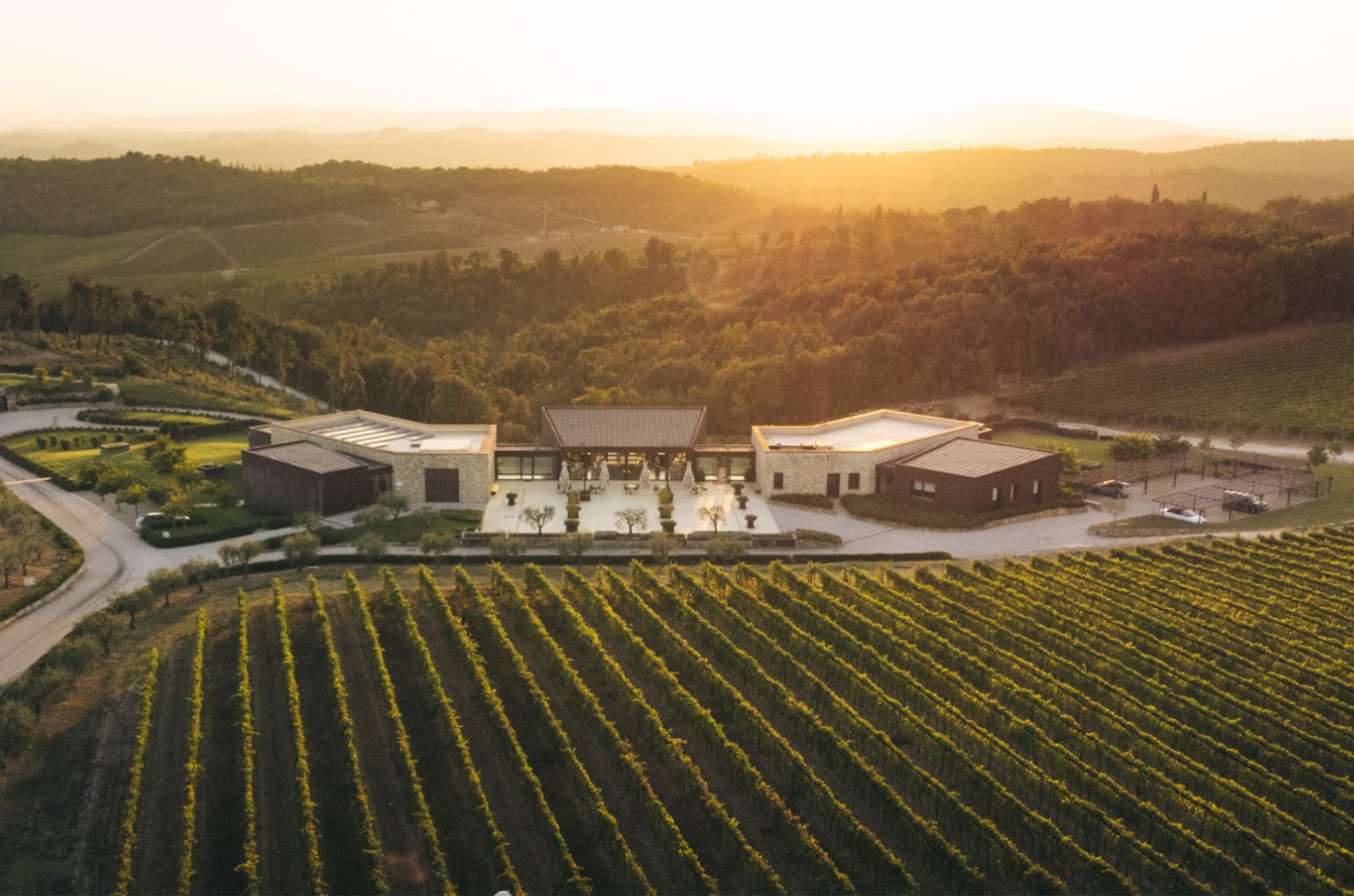 Vallepicciola: Tourism and winemaking in the Chianti hills
Sponsored Winemaking and luxury hospitality...
-
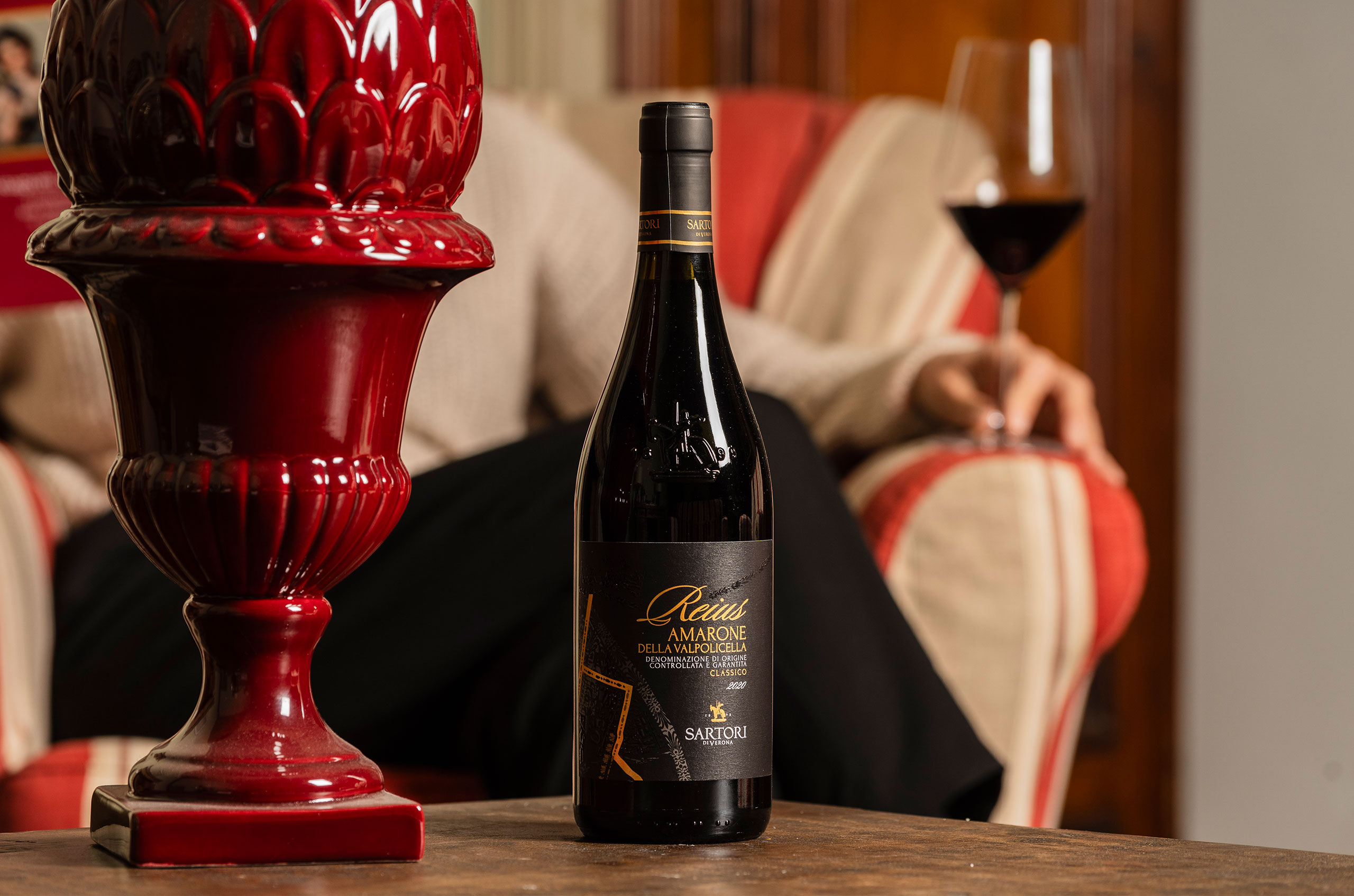 A standout voice in Valpolicella
Sponsored A key name for Valpolicella and Amarone...
-
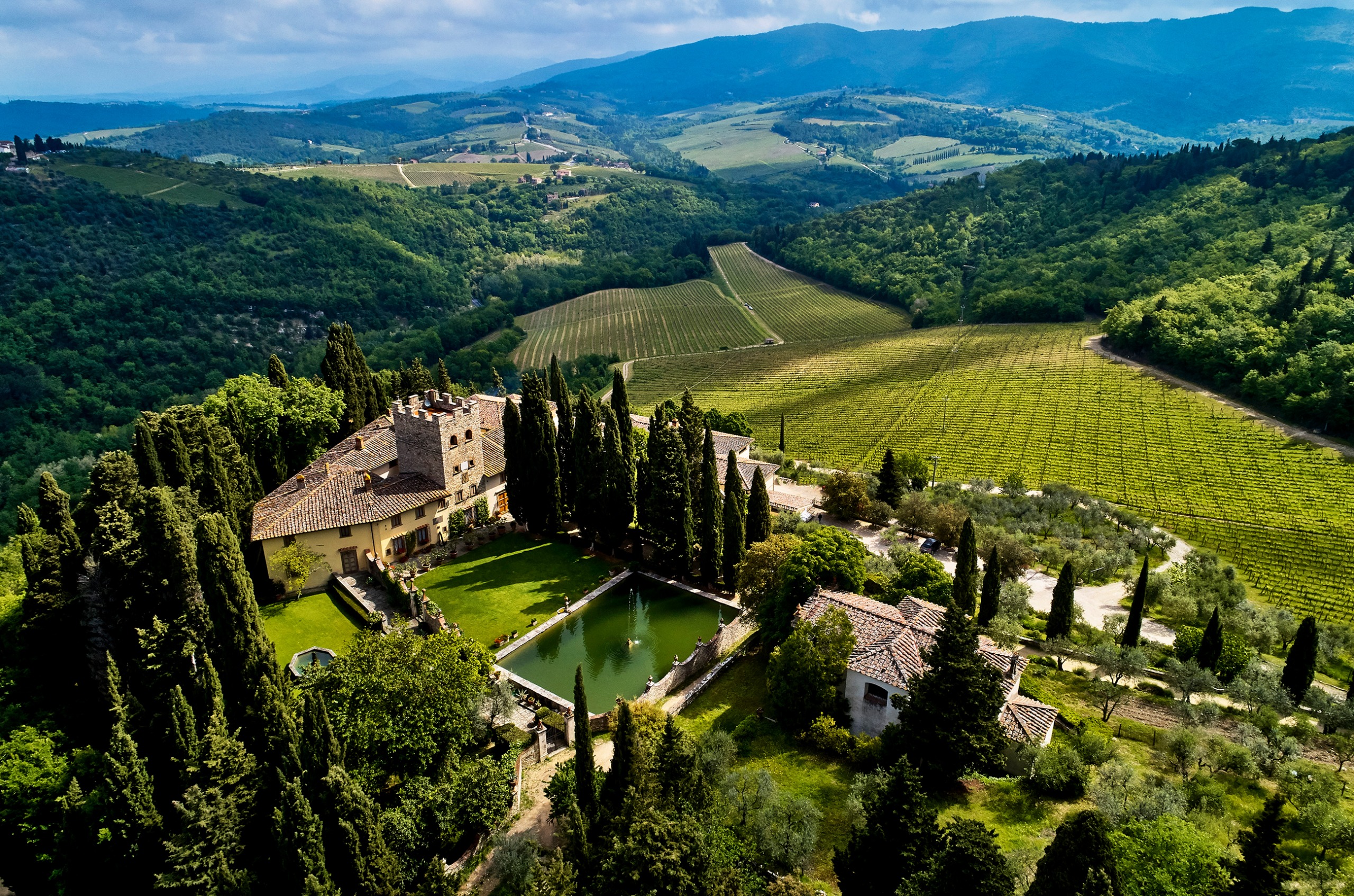 Discover the world of Castello di Verrazzano
Sponsored An ancient castle set amid sprawling vineyards...
-
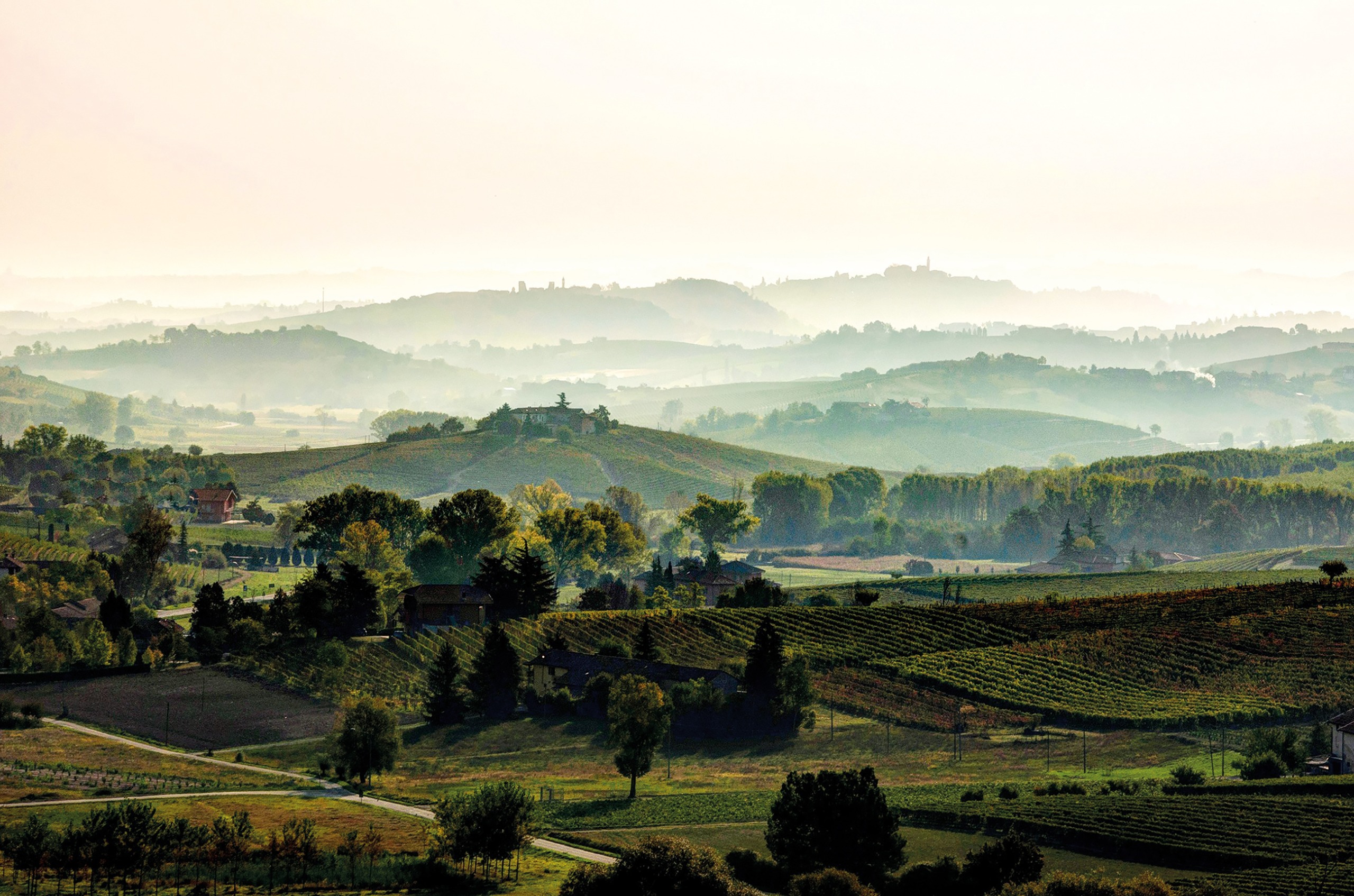 Barbera d'Asti DOCG: Tradition and modernity in Piedmont
Sponsored Many expressions of one variety...
-
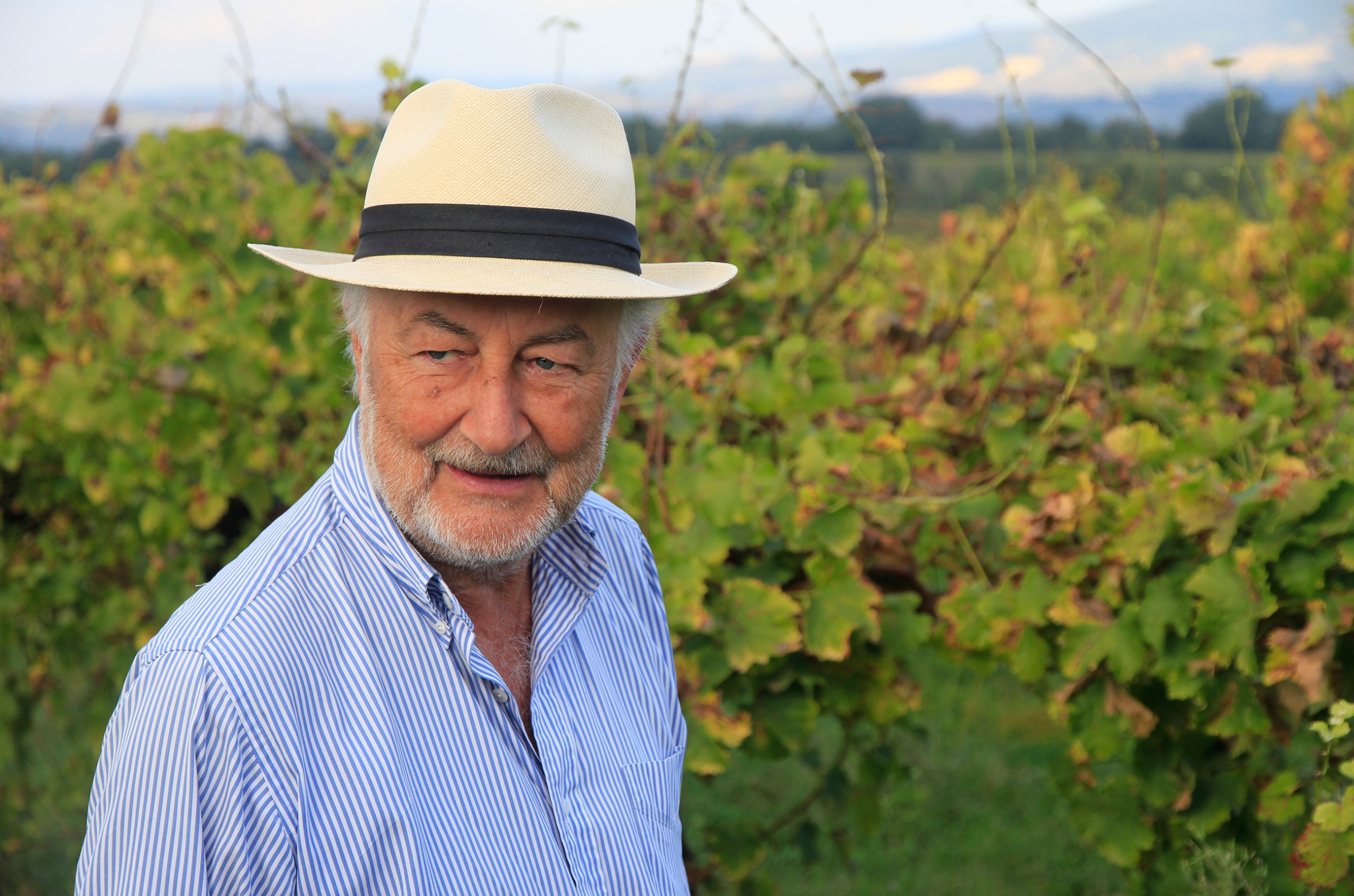 Sergio Mottura: Excellence in Tuscia
Sponsored A renowned figure in Lazio...
-
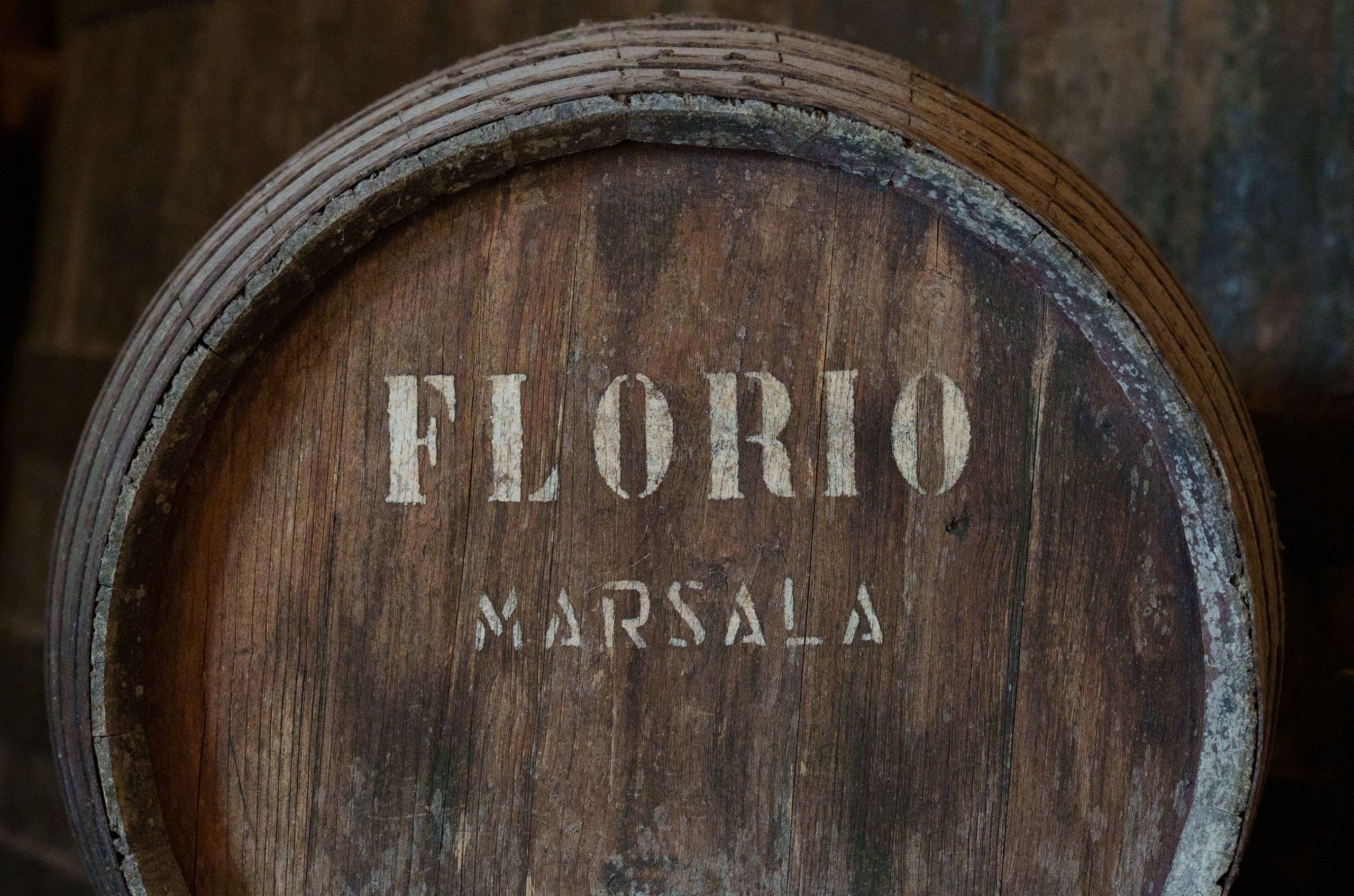 Florio: Winning new fans while respecting Marsala’s history
Sponsored An important milestone in Marsala...
-
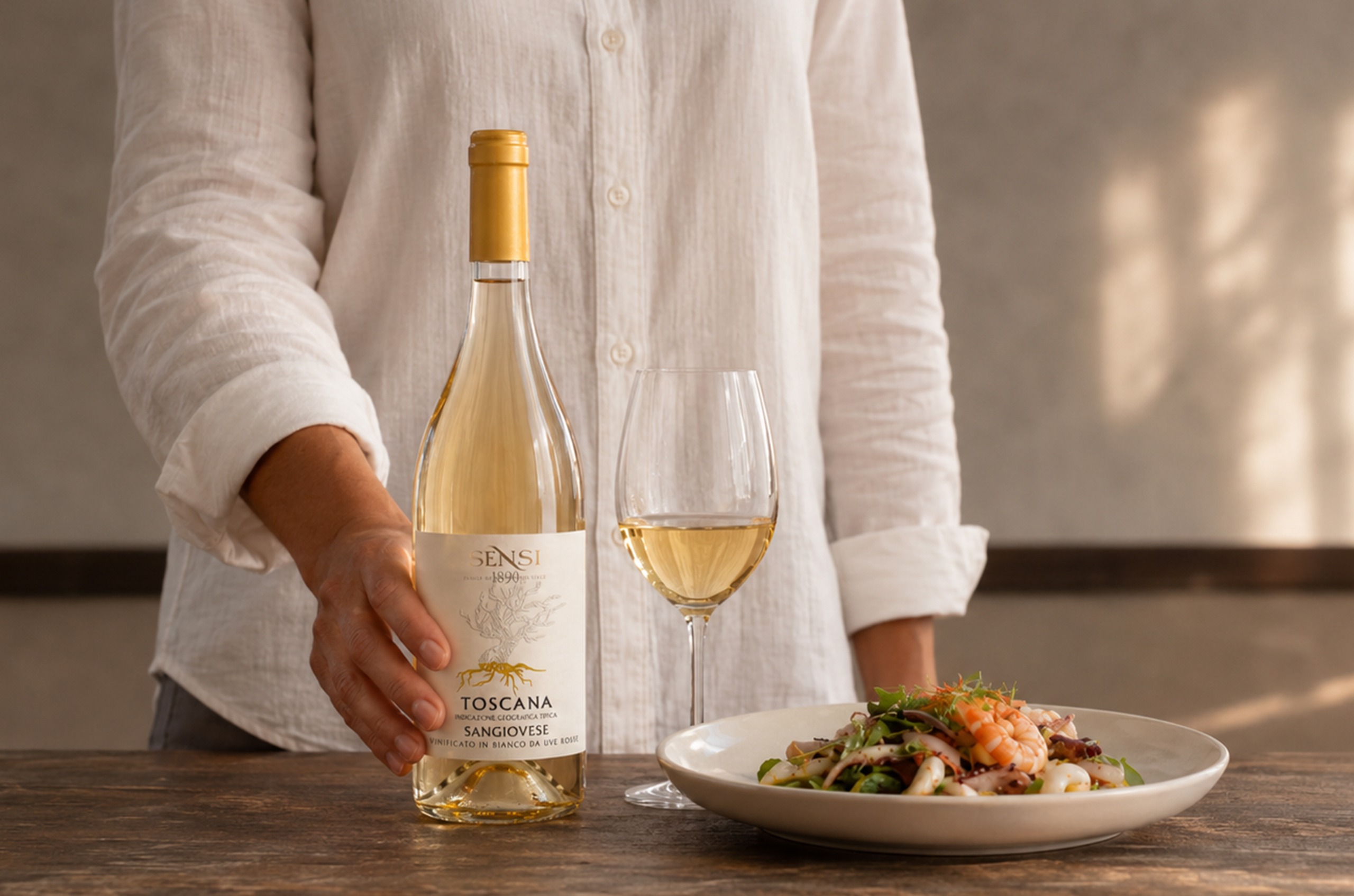 Sensi Vini: The gateway to your Italian wine exploration
Sponsored Chianti and beyond...
-
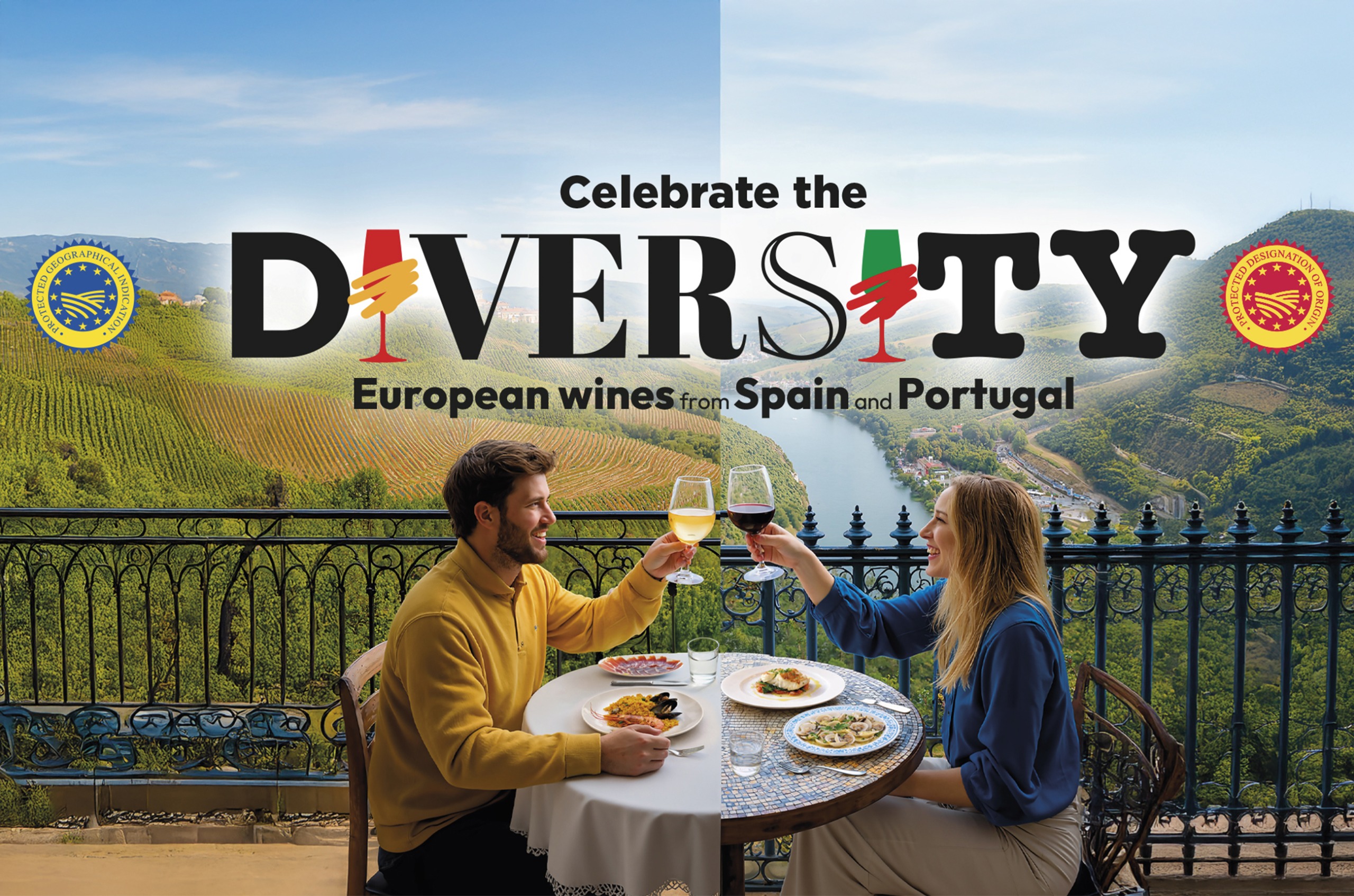 Celebrating European diversity
Sponsored Introducing the ‘Celebrate the Diversity’ project...


