

In partnership with Wines of Hungary
Hungary may no longer have active volcanoes, but it does have a spectacular volcanic history, which continues to shape its wines to this day. The Pannonian Basin, nestled in the Carpathian Mountains, was an area of intense volcanic activity from shortly after the time of the dinosaurs to just a few million years ago – and you don’t need to travel far in Hungary to find volcanic terroir.
What is a volcanic wine?
Volcanic wine is defined as that made from grapes grown on soils derived from volcanic materials. Since volcanic rocks and ash are extremely varied and cover dozens of countries and regions, not to mention climates and grape varieties, volcanic wines are a large and diverse family.
The topography of many volcanic regions is a challenge for vinegrowers, but has produced many unexpected benefits. The difficult terrain – and the fact that phylloxera struggles to survive in sandy volcanic soils – means rare, local grape varieties have been preserved, not to mention traditional farming practices that would be more familiar to a Renaissance painter than to most modern winemakers.
Volcanic wines thus represent a collection of highly distinctive, individual expressions from around the world – stubborn holdouts in a time of merging flavours and creeping homogeneity. What’s more, Hungary has a particular abundance of native varieties with singular flavours.

Savoury vs fruity
What makes volcanic terroirs particularly special is the mouthwatering quality their wines all seem to share, whether from high acid, palpable salinity, or both. This may be due to the soils’ high levels of the minerals potassium, magnesium, calcium and sodium, all of which are also present in wine. It seems that no matter the colour, volcanic wines are dominated by savoury character. Although they have fruit, of course, it’s often secondary to non-fruity flavours, along with all of the nuances covered by the multi-dimensional term ‘minerality’.
Minerality and volcanic wines walk hand in hand. Red grape examples include peppery Kékfrankos and spicy Kadarka; for whites, think of Furmint’s savoury botanical flavours, the summer flowers of Hárslevelű and the searing stoniness and honeyed character of the rare Kéknyelű variety.
Digging into volcanic terroirs
These characteristics have their roots at least partly in the soils. Although volcanic soils are extremely varied, there are properties shared by many that make them particularly suitable for high-quality winemaking.
Young volcanic soils (that is, those formed on recent lavas) are often actually more rock than soil. They have not yet had time to weather into water-retentive clays, as in the higher-elevation vineyards of Tokaj or the Balaton Highlands region. Since low water availability is the single most important factor for growing quality grapes, this is an obvious advantage. Also, perhaps obviously, the preferred volcanic soils for vineyards are usually on hillsides, where gravity ensures that water is limited. This is particularly true in Hungary.
Counterintuitively, volcanic soils, and especially the best ones for vinegrowing, are relatively infertile. Although lavas generally have generous amounts of the most important macro- and micronutrients required by plants, they are not readily accessible. These nutrients must first be weathered into an available form, and then made soluble in water to be taken up by root systems. But water, as we have just seen, is not often available, and young soils are not ready to give up their nutrients just yet.

The rolling hills of Tokaj conceal a complex geology. Credit: Wines of Hungary
The taste of volcanic terroir
All this means that vines growing on volcanic soils get a broad and balanced diet, but in small quantities: the soils have low fertility but without particular deficiencies. This triggers the vines to focus on ripening fruit rather than growing shoots and leaves. Simply put, semi-parched, semi-starved vines produce less fruit, in smaller bunches, with thicker skins (the source of most of the grapes’ aromas and flavours), resulting in more deeply coloured, concentrated, structured and age-worthy wines with a broader range of flavours.
Very old, highly weathered lavas have the contrasting property of water retention (due to high levels of clay), which, when paired with a dry growing season (such as in Tokaj) keeps vines moist and promotes even, steady ripening.
The chemistry of specific volcanic soils, too, has interesting effects as it interacts with different grape varieties. High potassium levels in Badacsony, for example, allow varieties like Kéknyelü to take up measurably more potassium than elsewhere, resulting in wines with the unusual combination of high acid, high pH and pronounced salinity.
It’s no wonder that many of Hungary’s finest wines are born from these amazingly varied volcanic soils, forming a central part of the story of one of the world’s great volcanic wine nations.
Discover more about Wines of Hungary
Connect onFacebook | Instagram | TikTok | Youtube
Read more about Hungary’s volcanic wines
Vineyards and volcanics
Tasting Hungary


-
 Meet the new technical manager of Château-Grillet on its 90th anniversary
One appellation, one estate, one grape variety, 3.5ha. Matt Walls checks in on this legendary Rhône white, 90 years after it gained appellation status.
-
 Gen Z Wine Challenge: Amelia, 21
In a new Decanter series, 18- to 29-year olds around the world give their honest opinion about a wine they've splashed out on – and if it was worth the cash.


-
 Dalmatia: The crimson coast
Sponsored Content Sun-kissed by the shores of the Adriatic, Dalmatia’s vineyards are home to bold and inviting red wines with plenty of potential.
-
 Azienda Agricola Cortese: Championing sustainability in the heart of Sicily
Sponsored Content Meet the winemakers using ancient techniques and sustainable practices to create fresh, modern interpretations of Sicilian varieties
-
 Monemvasia Winery – Tsimbidi: Bringing an ancient wine into the modern age
Sponsored Content George and Elli Tsimbidi’s winery not only revived one of history's most famous wines but is now breathing fresh life into other native Greek varieties.
-
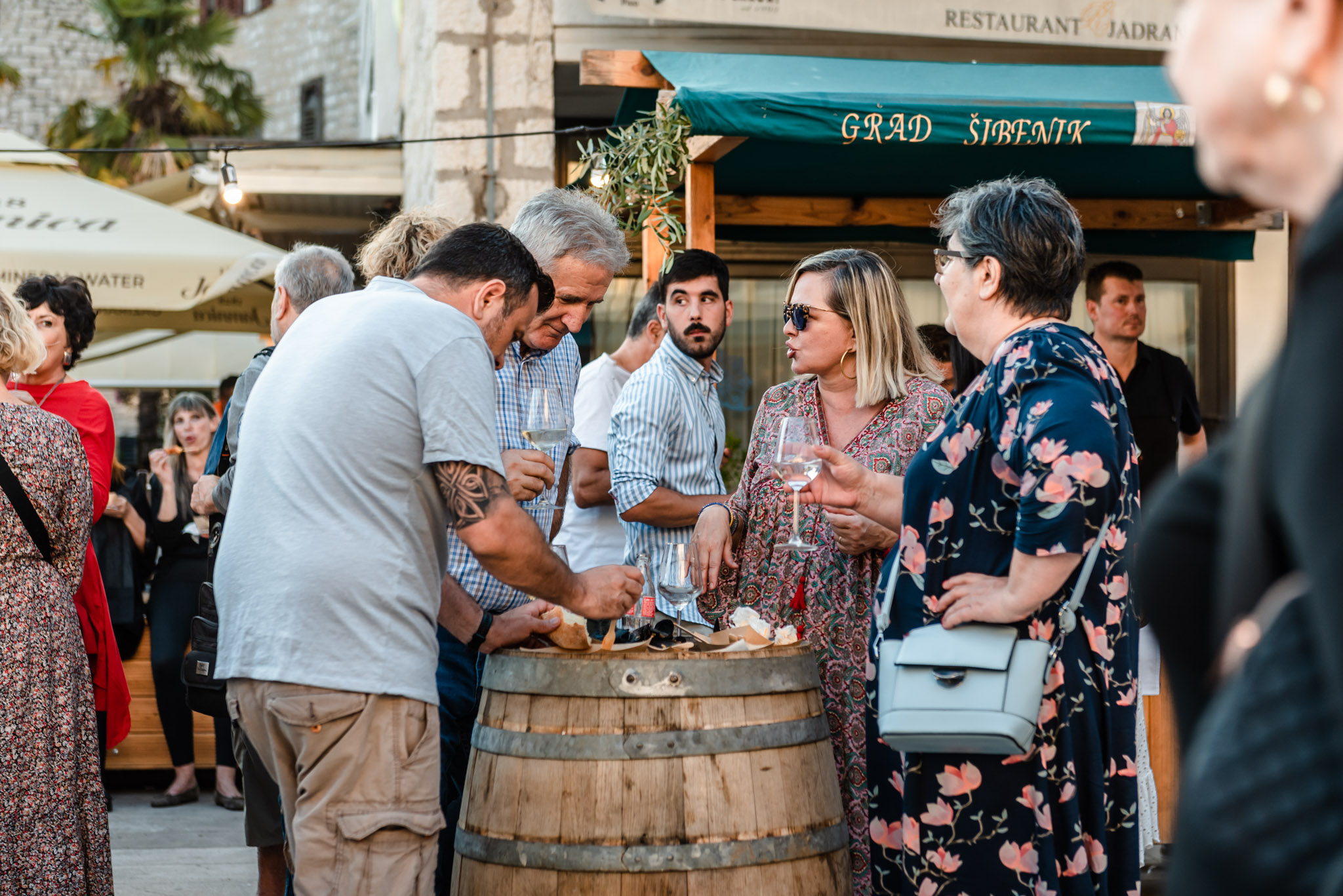 Marenda – A Dalmatian ritual
Sponsored Content What started as a work break has become a well-observed tradition in Dalmatia – one that pairs perfectly with local wine.
-
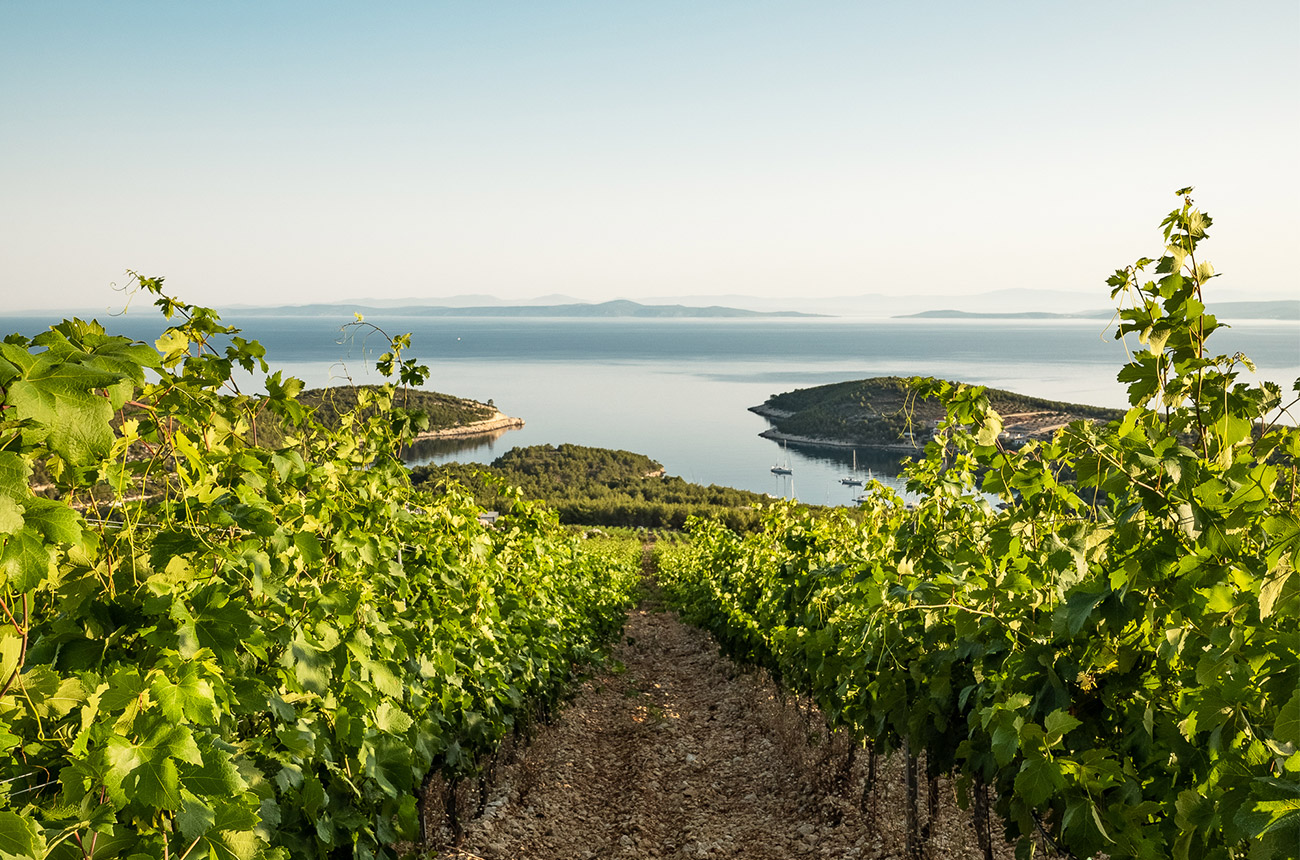 Dalmatia's hall of fame: DWWA winners
Sponsored Content Discover a selection of medal-winning Dalmatian wines from the Decanter World Wine Awards.
-
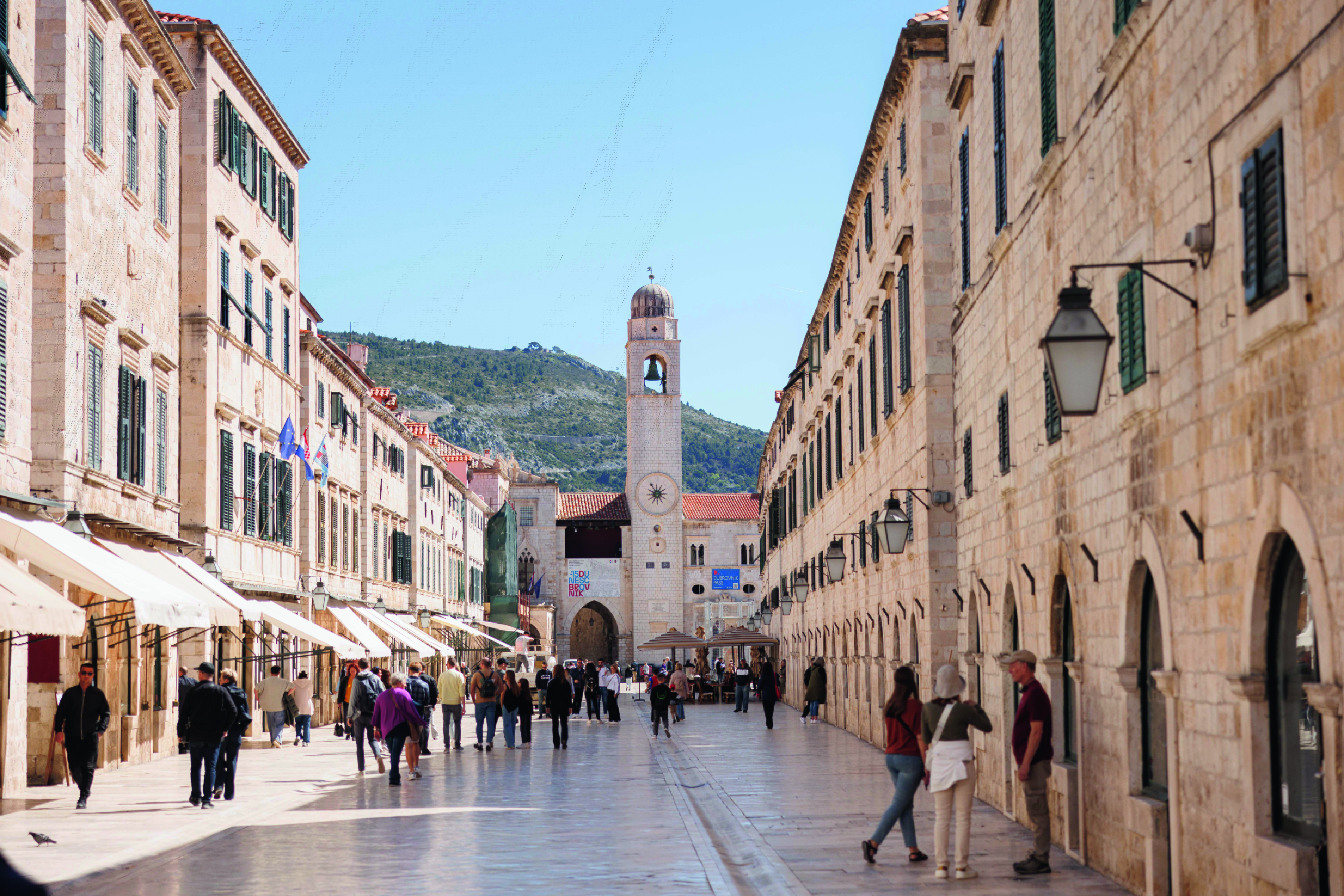 Pomalo: Dalmatia's answer to hustle culture
Sponsored Content A state of mind in Dalmatia, pomalo, which roughly translates as ‘take it easy’, sets the pace of life in this scenic region of Croatia.
-
 A Maldives paradise for wine lovers
Sponsored Content The unique wine culture at OZEN RESERVE BOLIFUSHI extends well beyond its carefully curated list with expert tastings, creative pairings and unexpected discoveries to make lasting holiday memories.
-
 Shaping the future of wine & spirits: What’s new at ProWein Düsseldorf?
Sponsored content Returning on 15 – 17 March in Düsseldorf – discover what's new at ProWein in 2026...


