

Back in the late 1980s, Aurelio Montes and Douglas Murray, two leading lights in Chile’s wine industry, decided to make real their long hoped-for dream of producing fine wines in Chile. The state of country’s wine industry was worlds away from today’s. Outdated practices and attitudes were the norm, making indifferent wines the result. Aurelio and Douglas, as founding partners of Montes Wines, wanted to break the mould; to innovate and produce the wines they knew could be made in Chile’s heaven-sent climate and soils.
Aurelio has always been recognised as an oenologist of great skill who combines outstanding winemaking with a canny commercial instinct. He was one of the first winemakers in Chile to travel and sell his own wines internationally. When Montes began it was in answer to a specific need: the wines Chile was producing were not, on the whole, of a good enough quality for global demand. Consumers were in search for high quality wines, a need Montes identified and responded to.

Pioneering winemaking has always been the Montes Wines hallmark. Montes was the first to plant vineyards on the 45° hillside slopes of Apalta, an innovative idea that came with great financial risk.
“I got to know the area of Apalta in the Colchagua Valley when I was 21,” Aurelio says, “It was love at first sight. There were no vineyards then, just a boulder-strewn hillside. But I knew it was a hidden viticultural gem. My partners and I bought the land in 1990, cleared it at great cost, and planted vines on those steep slopes. That is where our icon wines, Montes Alpha M, Purple Angel, and Montes Folly were born. Everyone told us we were crazy, that it was much more manageable to plant on the flat valley floor. However, in a few years we managed to produce nearly 600,000 bottles of high-quality wine. There are certain aspects of planting on hillsides that can be managed better, such as the amount of irrigation and nutrition for the vines, which allows more control over grape quality and quantity”.
Later on came another challenge to conventional viticulture. Montes decided to plant a vineyard close to the cool Chilean coast. The chosen location was Zapallar, better known for its upmarket holiday resort, at the western end of the Aconcagua Valley and just seven kilometres from the Pacific Ocean. A coastal location for a vineyard had never been seriously considered before, but its demanding climatic conditions have yielded the Outer Limits range of concentrated, characterful wines.
“I like to think these are wines for daring and adventurous people. For explorers who want to try new flavours, aromas, sensations and experiences. By drinking these wines, we want you to be swept up by a sense of exploration,” comments Aurelio.

Concerned about sustainability and the environment, Montes Wines adopted their Dry Farming management system in 2009. Under this methodology, only the bare minimum quantity of artificial irrigation is applied to the vines, saving precious water and enhancing berry concentration and varietal character.
Montes Wines’ latest “crazy” idea began in 2017, when the winery decided to plant vines in the Chiloé archipelago, 1,200 kilometres south of Santiago. A place rich in folklore and legend, at a latitude of 42.5° it’s one of the southernmost locations attempted for a vineyard in Chile.
Thorough studies of temperature, precipitation, and soils, carried out in collaboration with the University of Chile and the University of Talca have established that, because of climate change, the small island of Mechuque could be a suitable spot for growing cool-climate varietals. So Montes has begun trialling Sauvignon Blanc, Riesling, Chardonnay, Pinot Gris, Gewürztraminer, and Pinot Noir on the remote island. It is hoped that the first wines from this distant and magical place in the south of Chile will be produced in 2022.


-
 Shaping the future of wine & spirits: What’s new at ProWein Düsseldorf?
Sponsored content Returning on 15 – 17 March in Düsseldorf – discover what's new at ProWein in 2026...
-
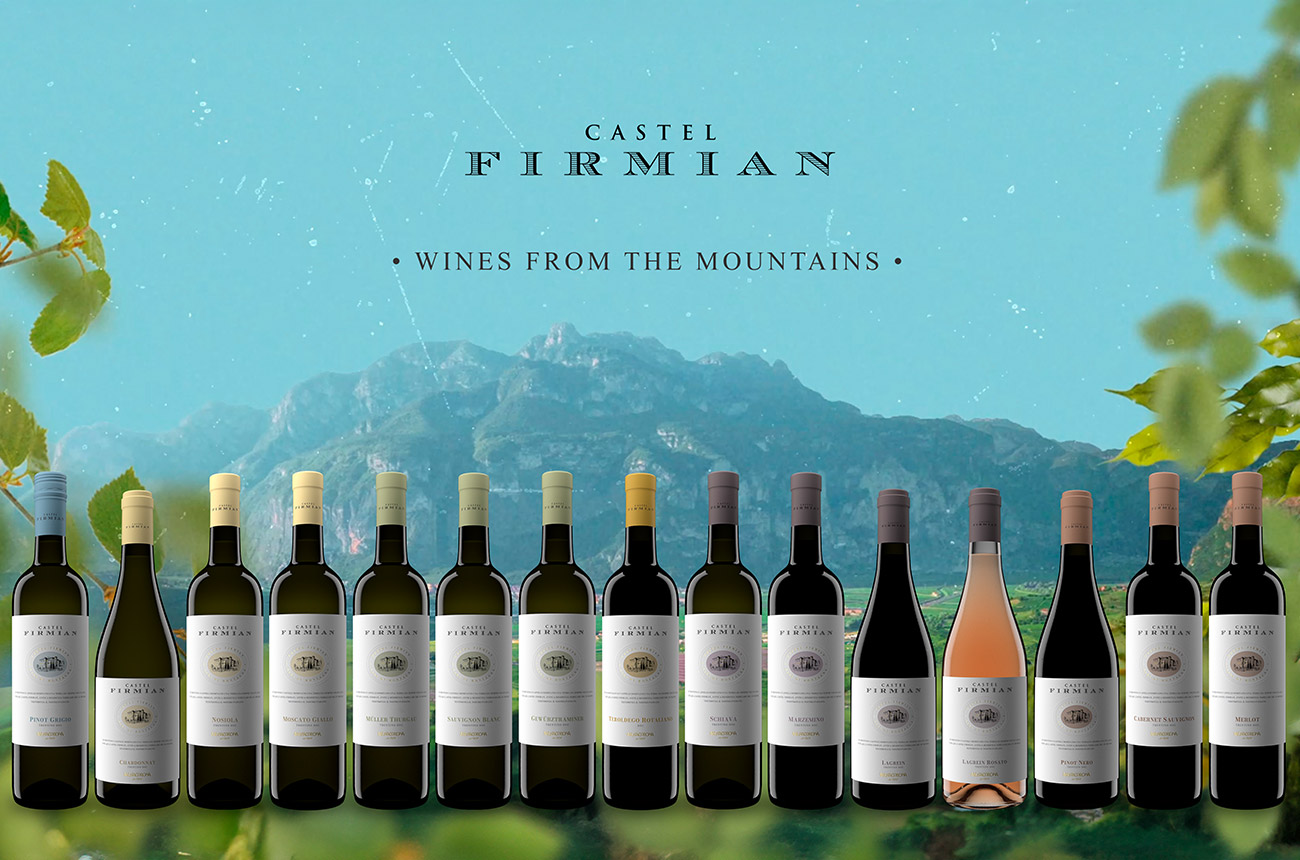 Castel Firmian presents a fresh new look with Wines from the Mountains
The Trentino winery telling its story with a fresh rebrand...
-
 Toro: A tale of resilience, evolution and commitment
This region’s past offers important clues on how to face present challenges...
-
 Juvé & Camps: Taking long-aged sparkling wines to new heights
Sponsored content Long-aged sparkling wines that express the craft of the winemakers...
-
 Plaimont: Building the future of Saint Mont
Sponsored content A 'super cooperative' leading on sustainability in the Pyrenean foothills...
-
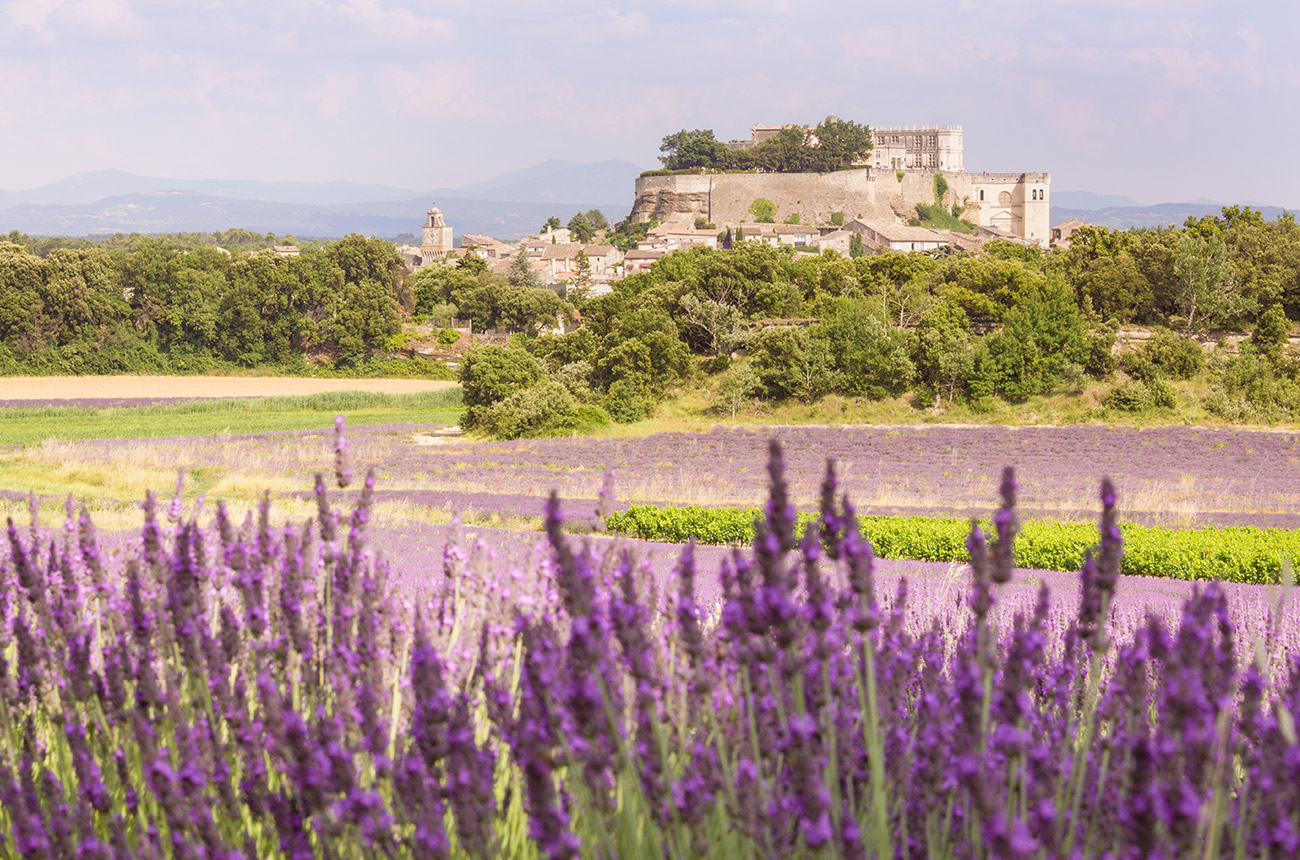 Grignan-les-Adhémar AOC: At the head of the Southern Rhône
Sponsored content Discovering the diversity of the Southern Rhône’s most northerly appellation...
-
 Wine Paris 2026: A new era for the global drinks industry
Returning from 9-11 February in Paris, discover what's new in 2026...
-
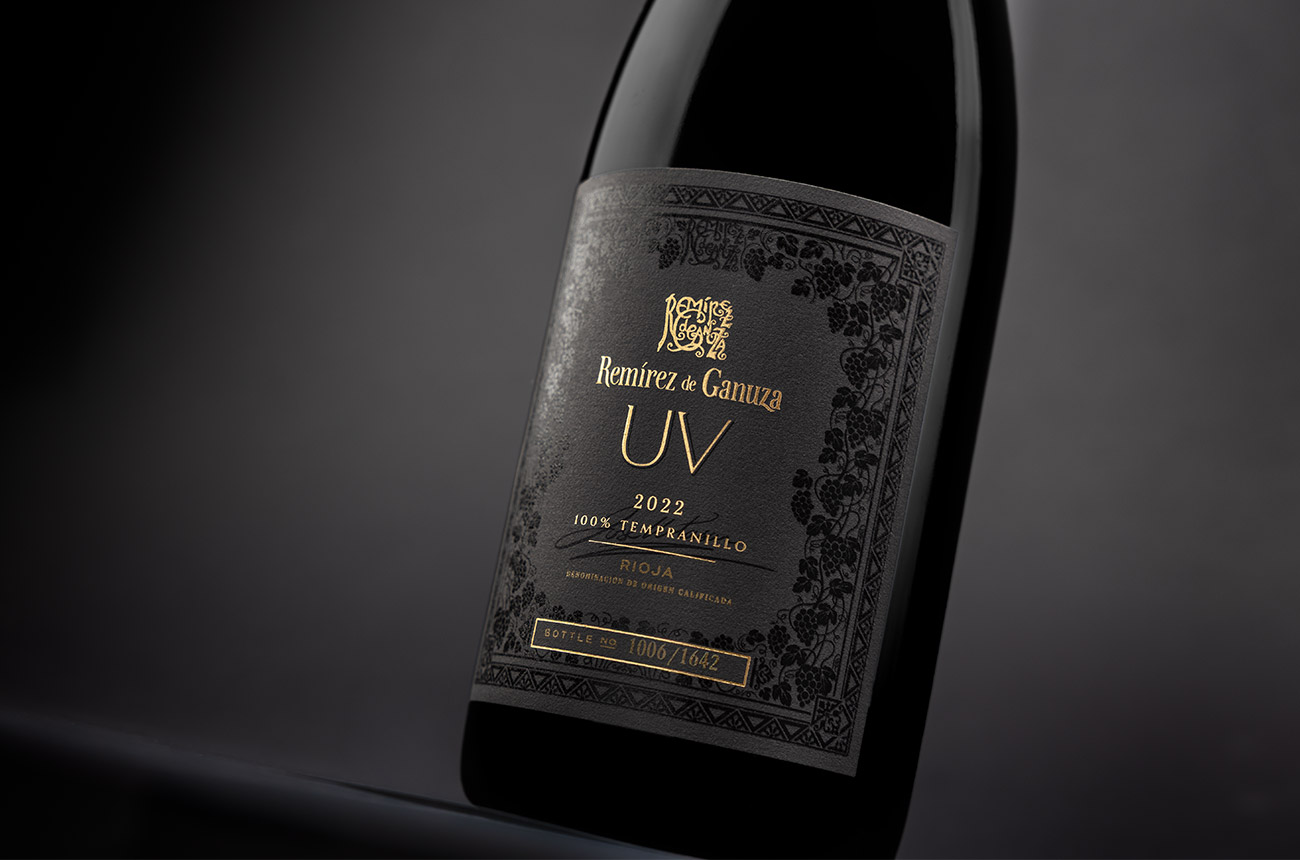 Remírez de Ganuza: Looking to the future
Decanter sits down with Jose Ramón Urtasun...


